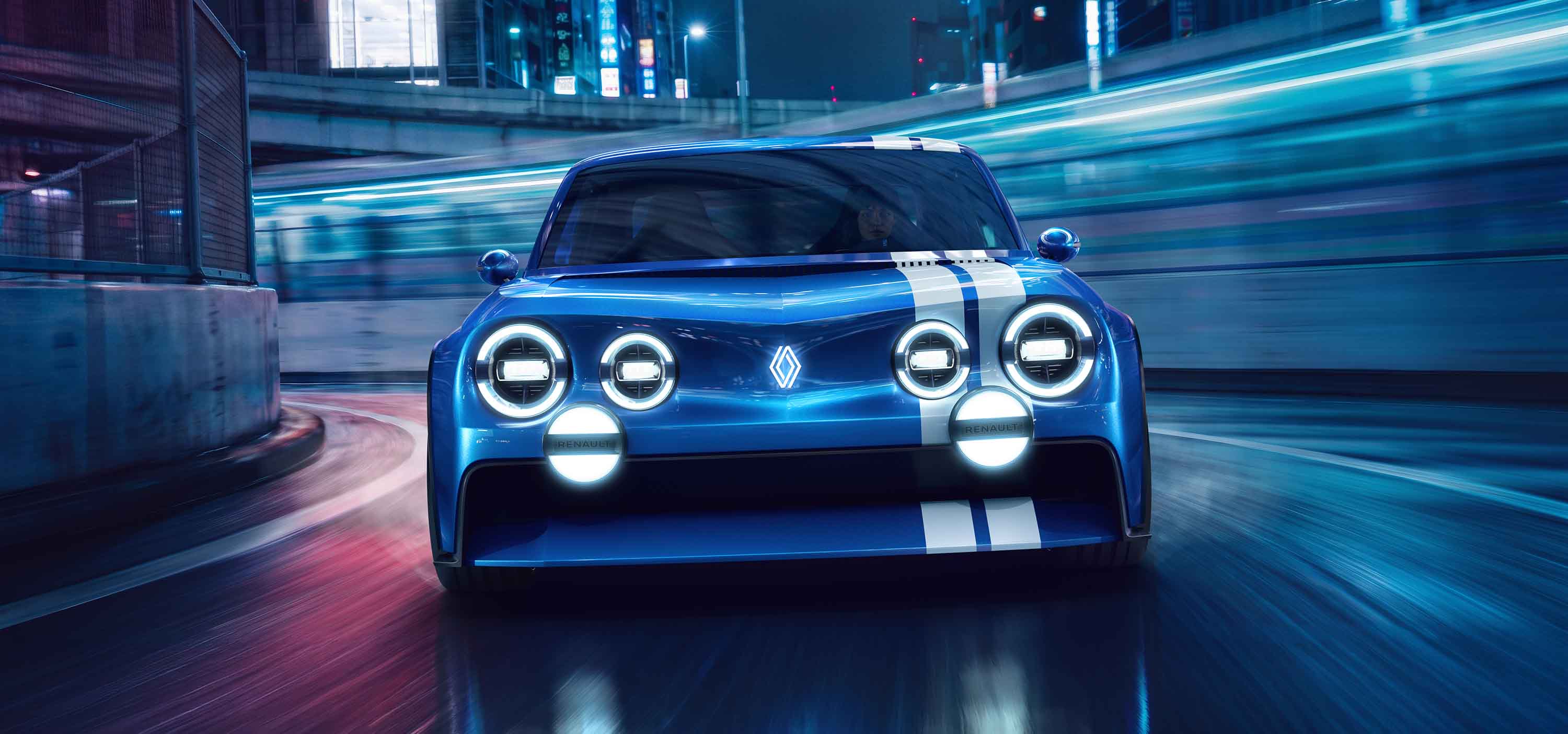
Renault 8 Gordini Concept brings 270 hp icon into EV era
Published Date :
The Renault 8 Gordini Concept reimagines the 1964 performance icon as a 270 hp electric two-seat coupé, combining classic Gordini design cues with rally-inspired proportions and a minimalist cabin
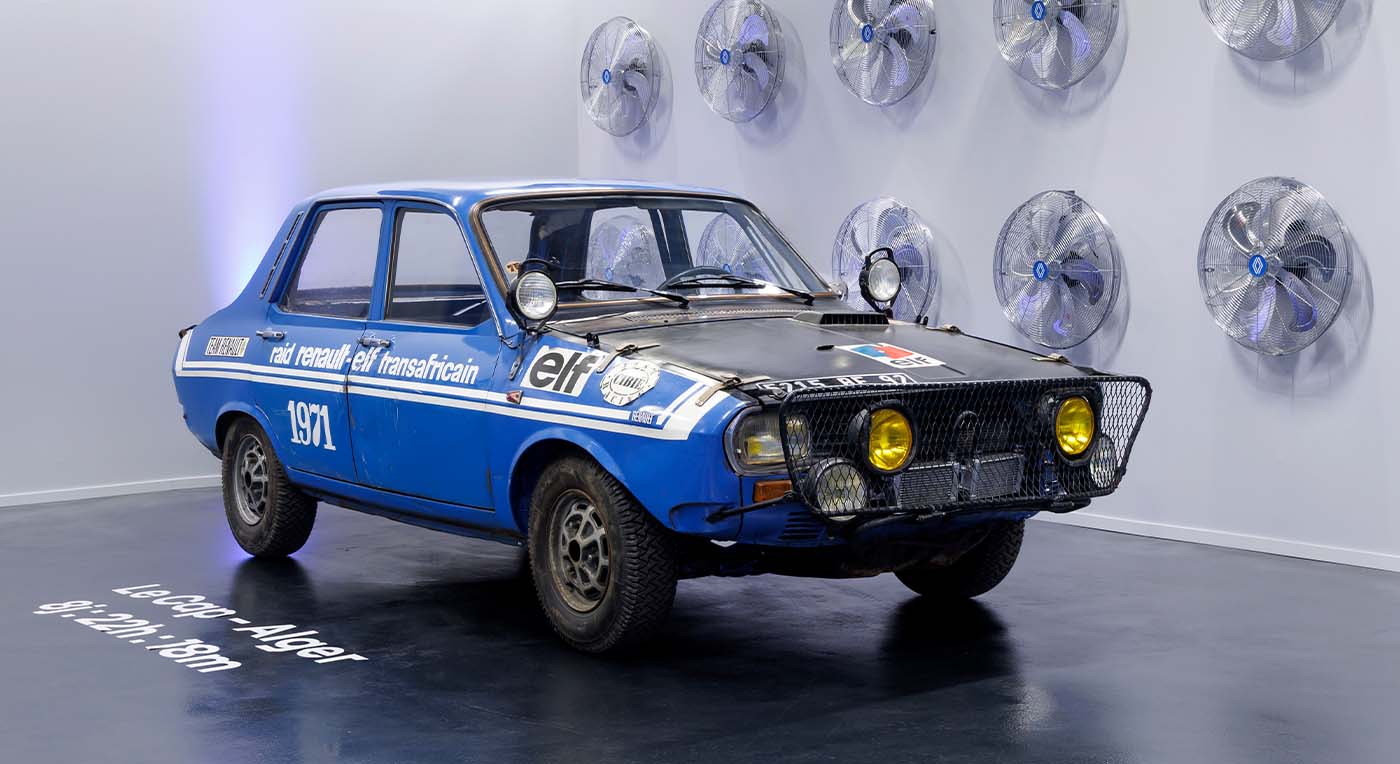
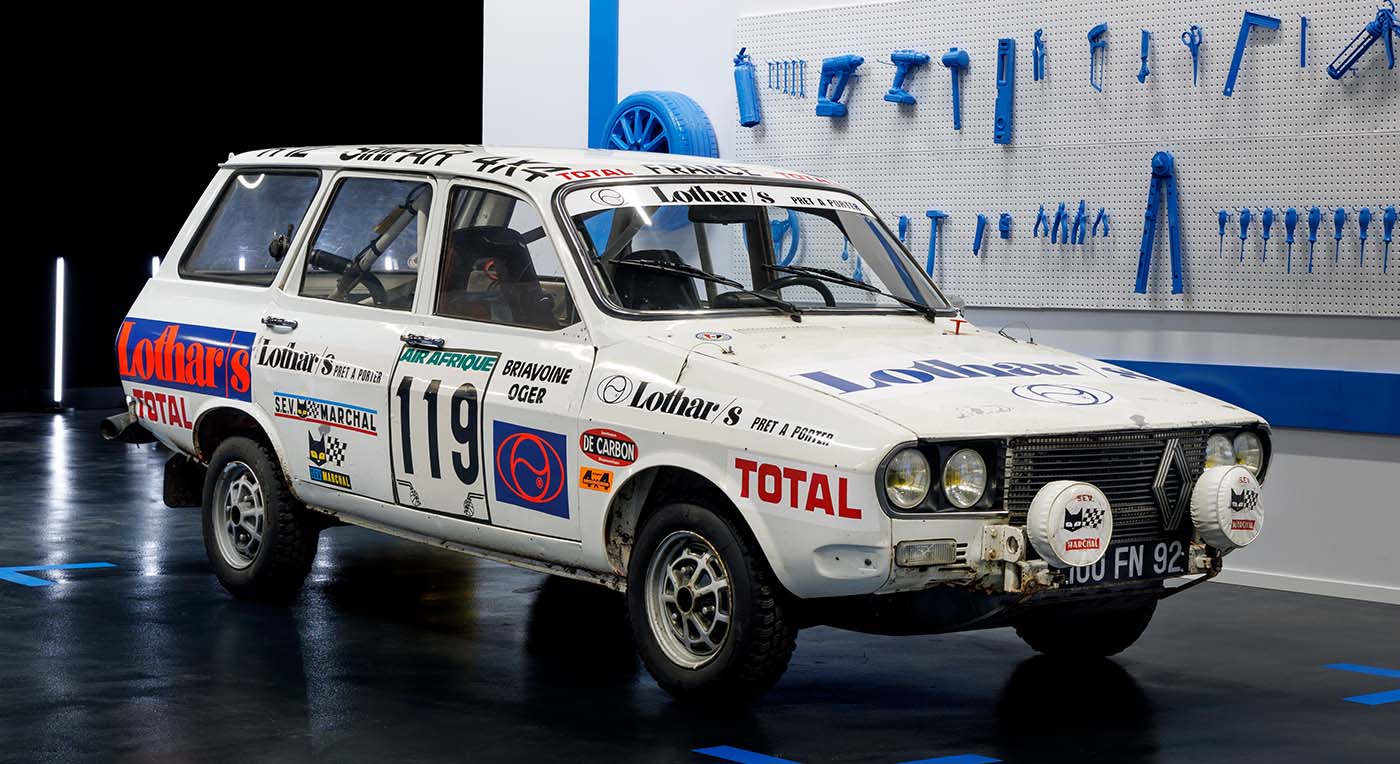
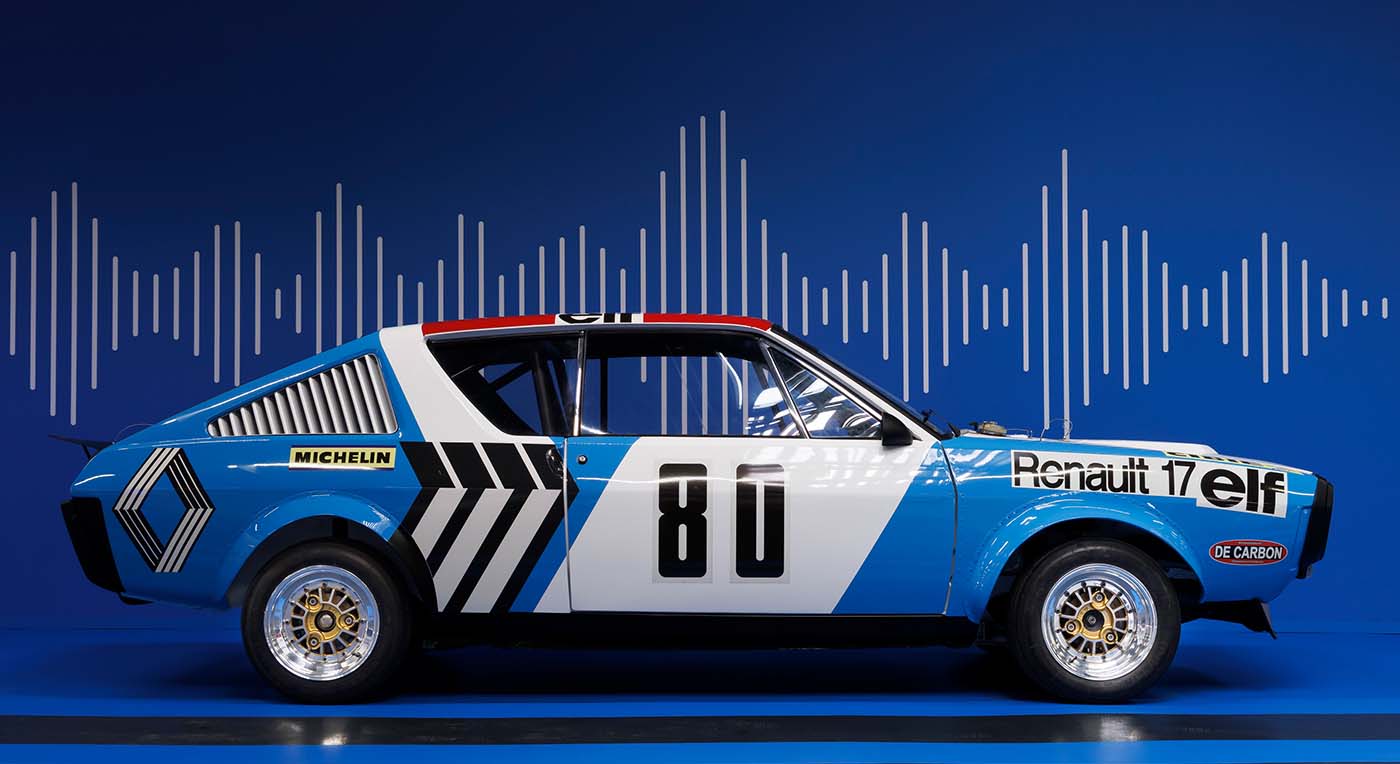
French marque Renault has unveiled the Renault 8 Gordini Concept, an electric reinterpretation of its 1964 performance icon. Revealed at the Renault Carwalk on September 24, the one-off will be displayed at the Paris Motor Show from October 12–18, 2026. It follows heritage projects including the R17 electric restomod x Ora Ïto and Renault 5 Diamant, and will eventually join Renault's historic vehicles, archives and artworks at the future Renault Collections museum in Flins, scheduled to open to the public in around 15 months.
From 95 hp to 270 hp electric power
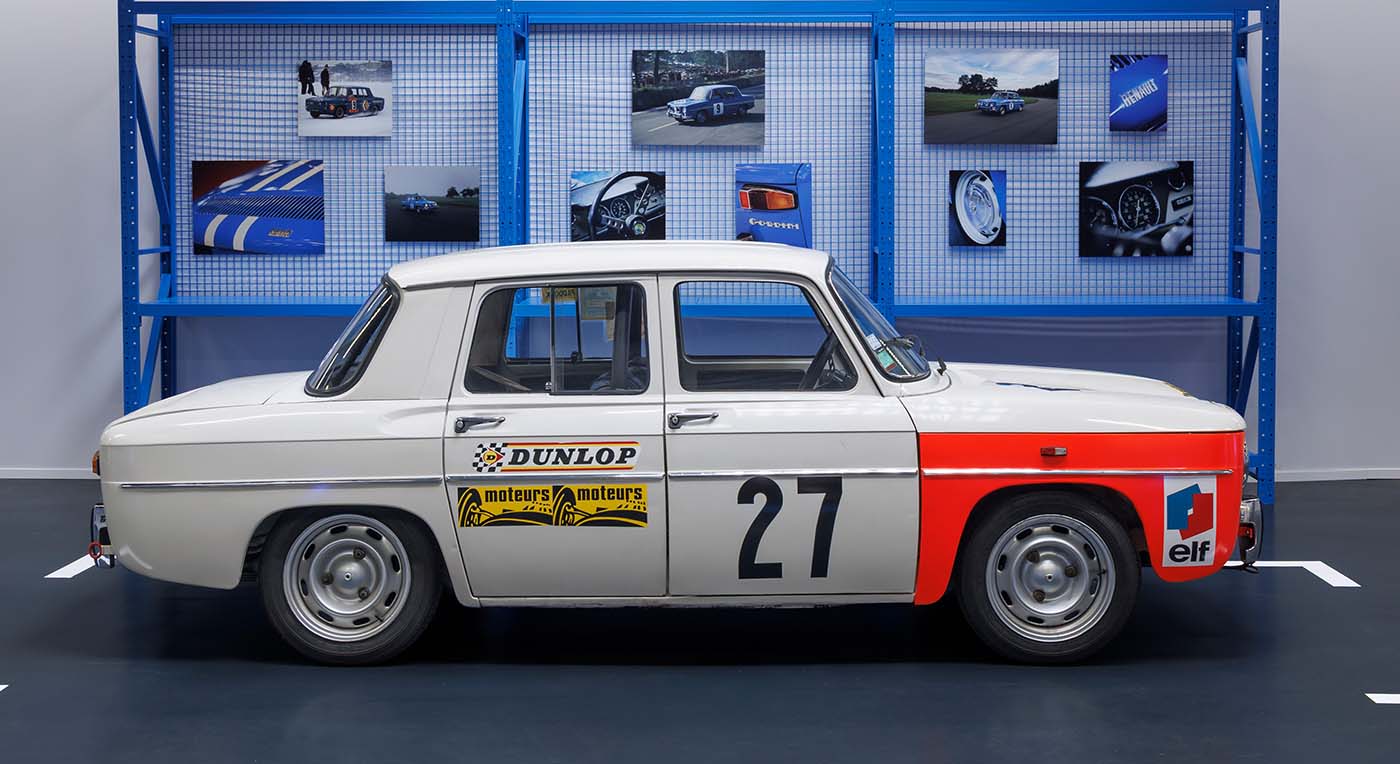
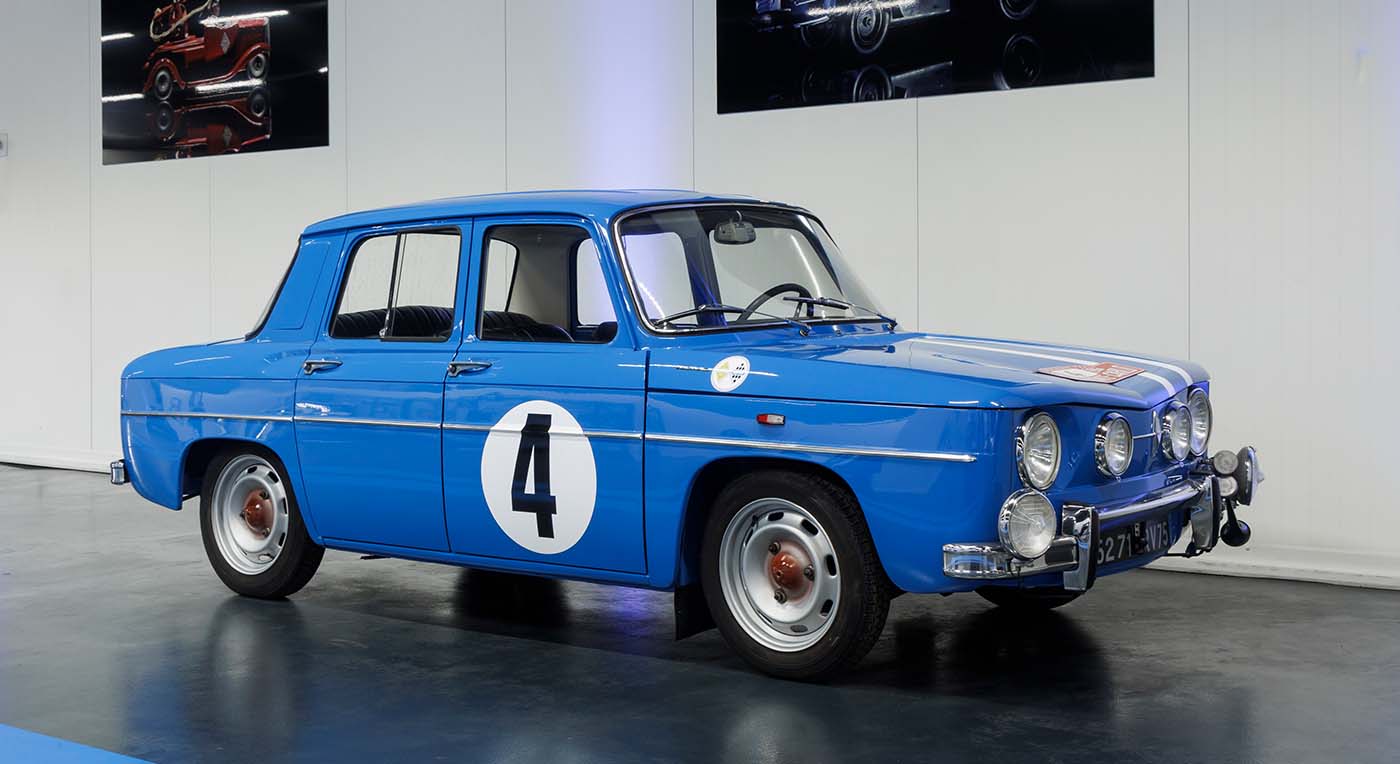
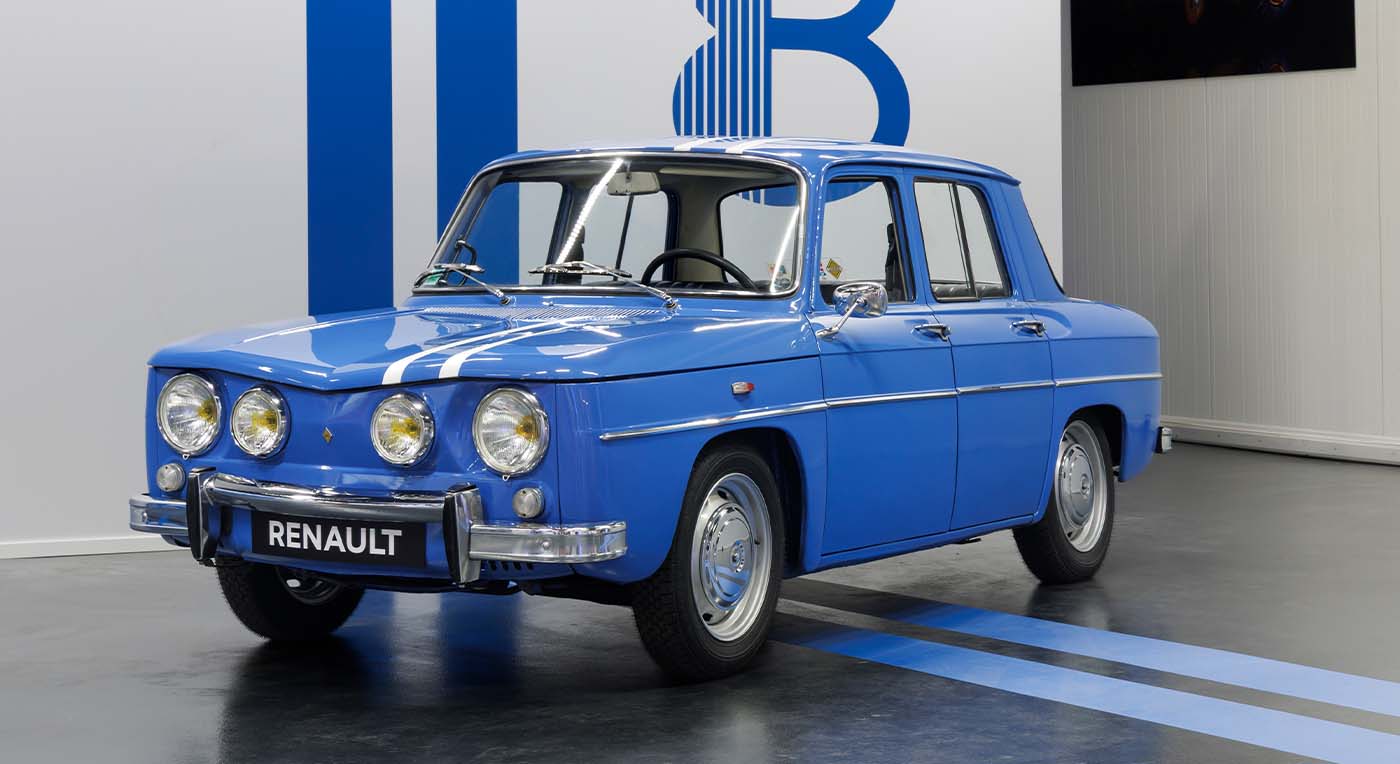
Originally launched in 1964, the Renault 8 Gordini featured a 95 hp rear-mounted engine and rear-wheel-drive layout, becoming a key entry point into motorsport for drivers such as Jean Ragnotti.
The new concept replaces combustion power with a 270 hp electric motor, transforming the classic into a modern electric performance coupé. Renault has not disclosed battery capacity, torque, range or acceleration figures.
The original Gordini also helped democratise performance cars in Europe, introducing accessible driving excitement before the rise of the GTI segment.
Rally-inspired proportions
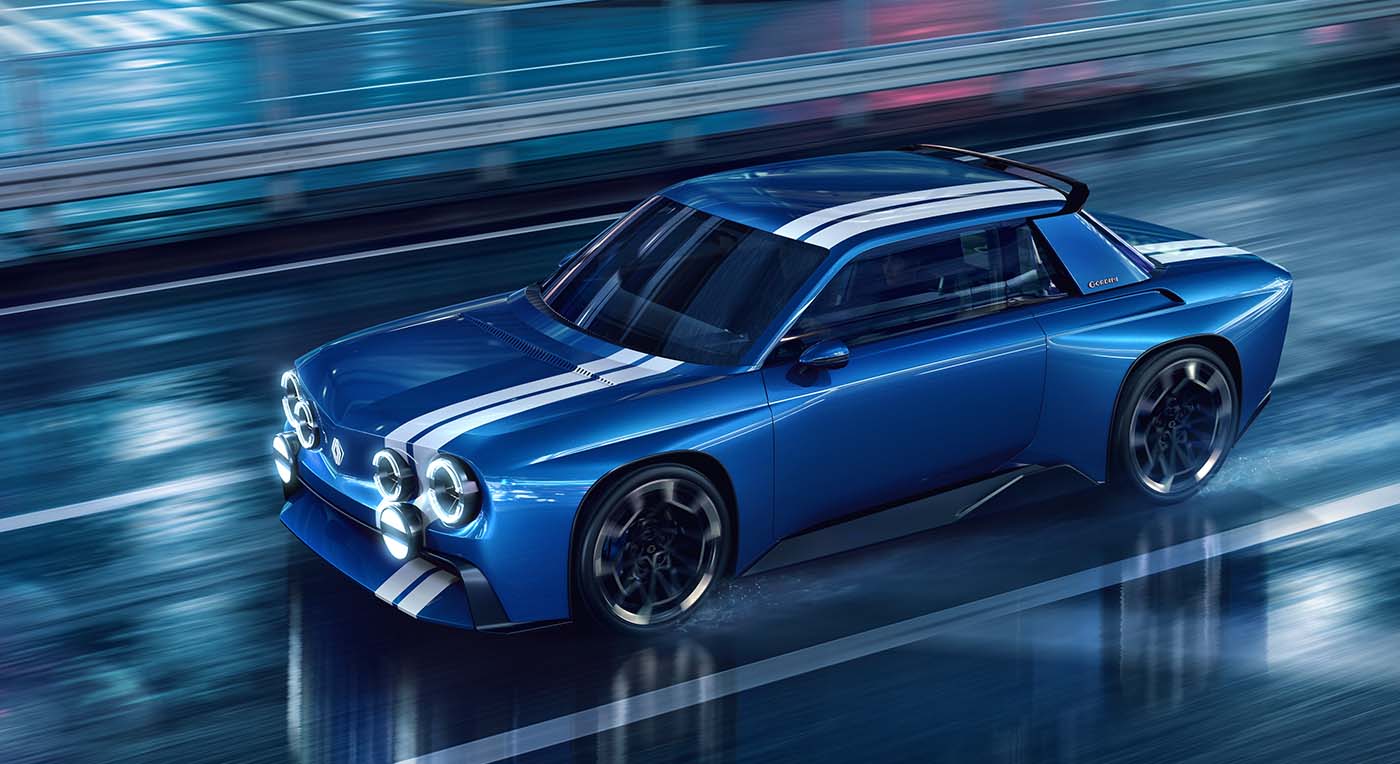
The Renault 8 Gordini Concept measures 4.12 metres long, 1.88 metres wide and 1.27 metres tall, with a wide, low stance and aggressive proportions.
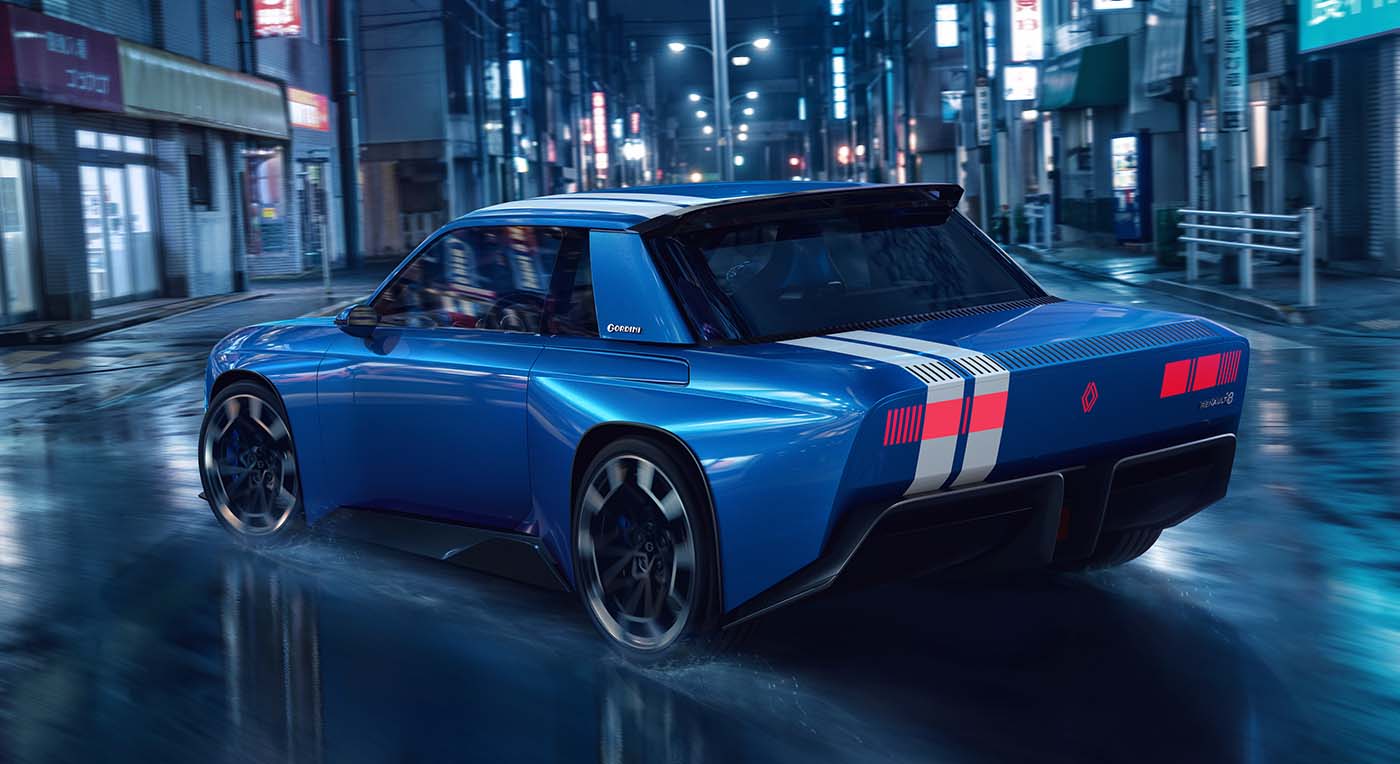
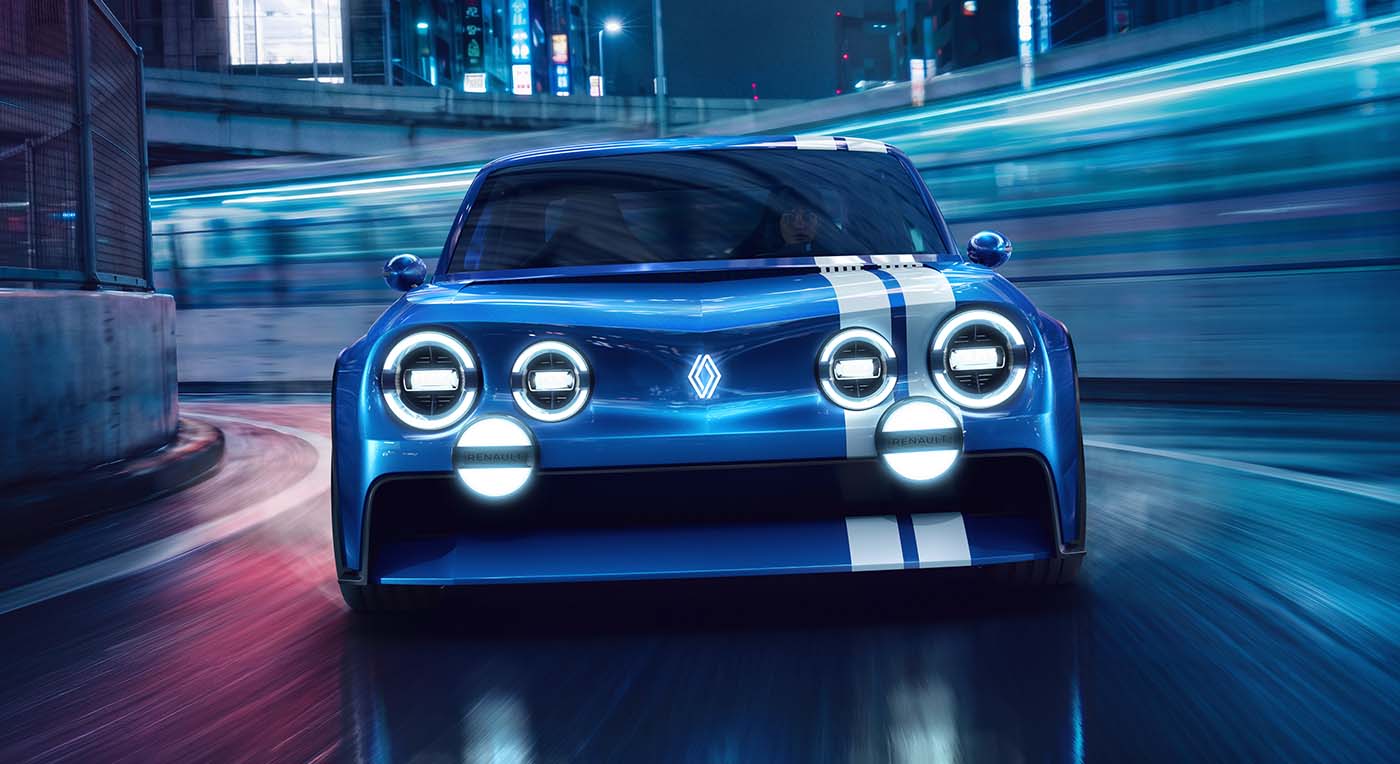
It rides on 19-inch front and 20-inch rear wheels, featuring a V-shaped front end, flared wheel arches, six front headlights and a sculpted rear design inspired by the original model’s rear-engine layout.
The design was developed in-house through a Renault Design competition, with more than 300 proposals submitted. Final styling combines elements from multiple shortlisted concepts.
Renault describes the design approach as “café racer inspired”, focusing on clean surfaces, reduced body lines and simplified construction, including a single-piece removable bonnet similar to race cars.
Classic Gordini cues
The concept retains several heritage design elements, including squared wheel arches, shell-style mirrors, a windscreen-base grille and rear ventilation detailing.
The signature double white racing stripes, synonymous with Gordini models, are reinterpreted as part of the car’s structural design and extend into the interior, transitioning from white to blue.
Other details include a redesigned Gordini badge and eight-segment “8” emblem, along with a three-layer blue paint finish inspired by Bleu de France, combining a pearlescent effect with a blue-tinted binder.
Six round headlights reference the rally heritage of the original model, while flush rear lighting maintains a modern EV aesthetic.
Minimalist two-seat cabin
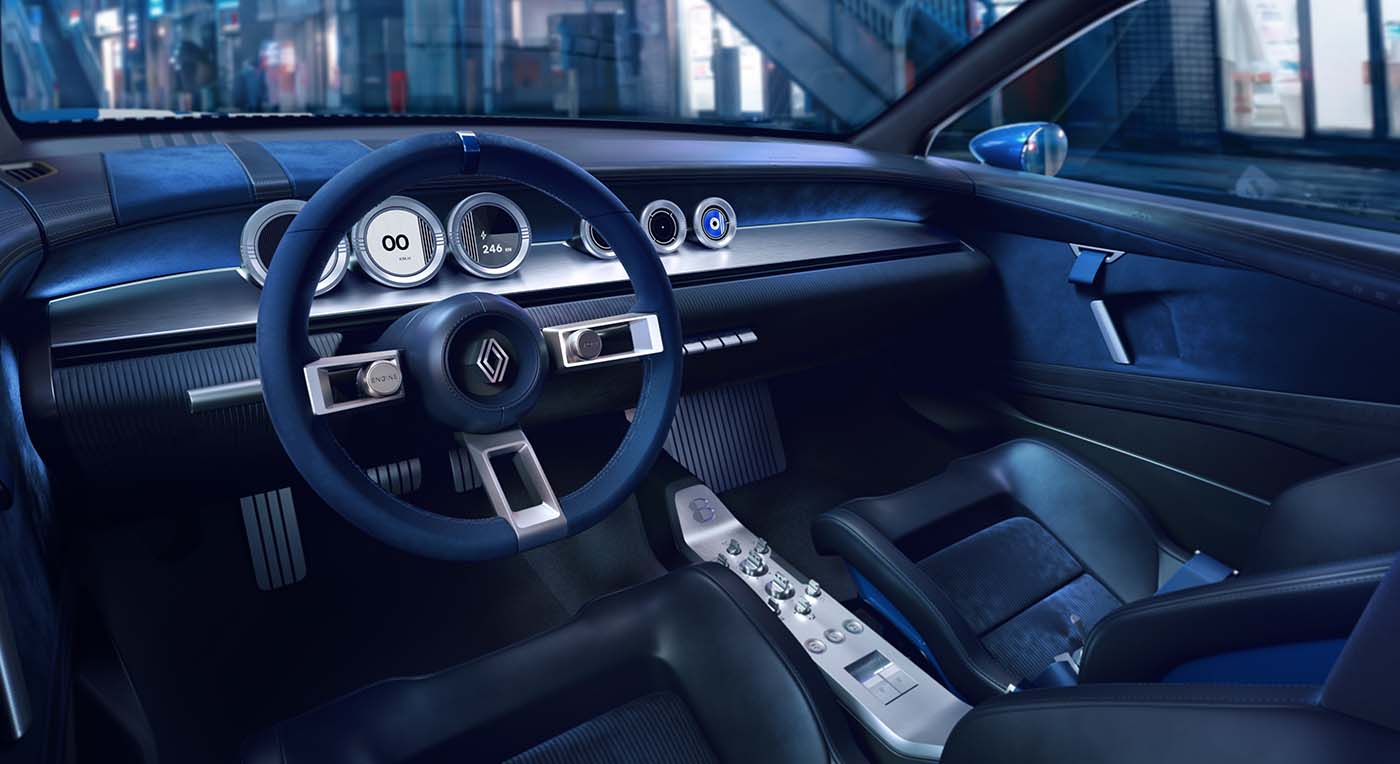
Inside, the original Renault 8 dashboard inspires a horizontal brushed-aluminium panel carrying circular digital displays, with their thick bezels echoing the round headlights.
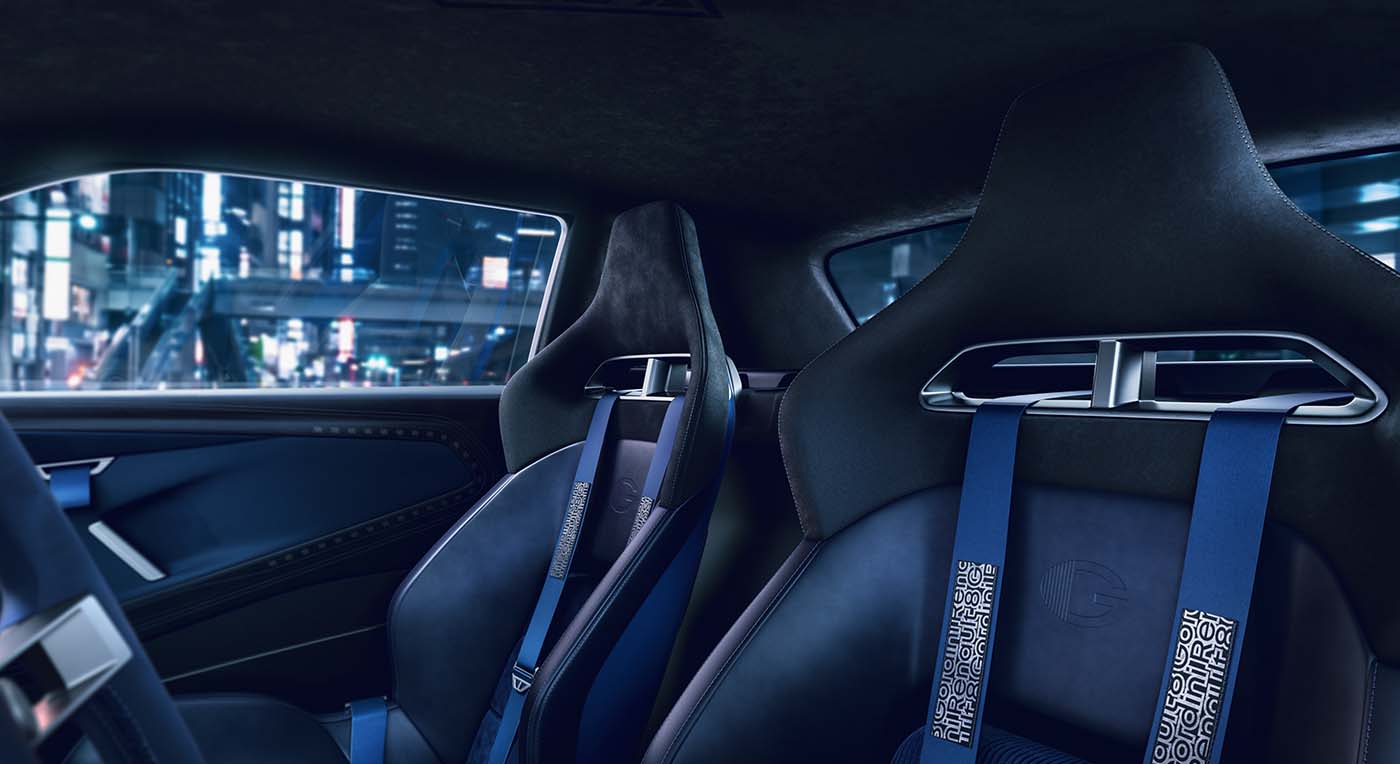
Brushed aluminium replaces much of the plastic and contrasts with Alcantara trim. Other details include a stopwatch button with a red dot, indirect ambient lighting and black bucket seats with blue corduroy centres inspired by the original seats. Carbon used for the bodywork is deliberately absent from the cabin.
The concept continues Renault's recent programme of reinterpreting historic models rather than previewing a confirmed production car. Renault's press release does not announce production plans.
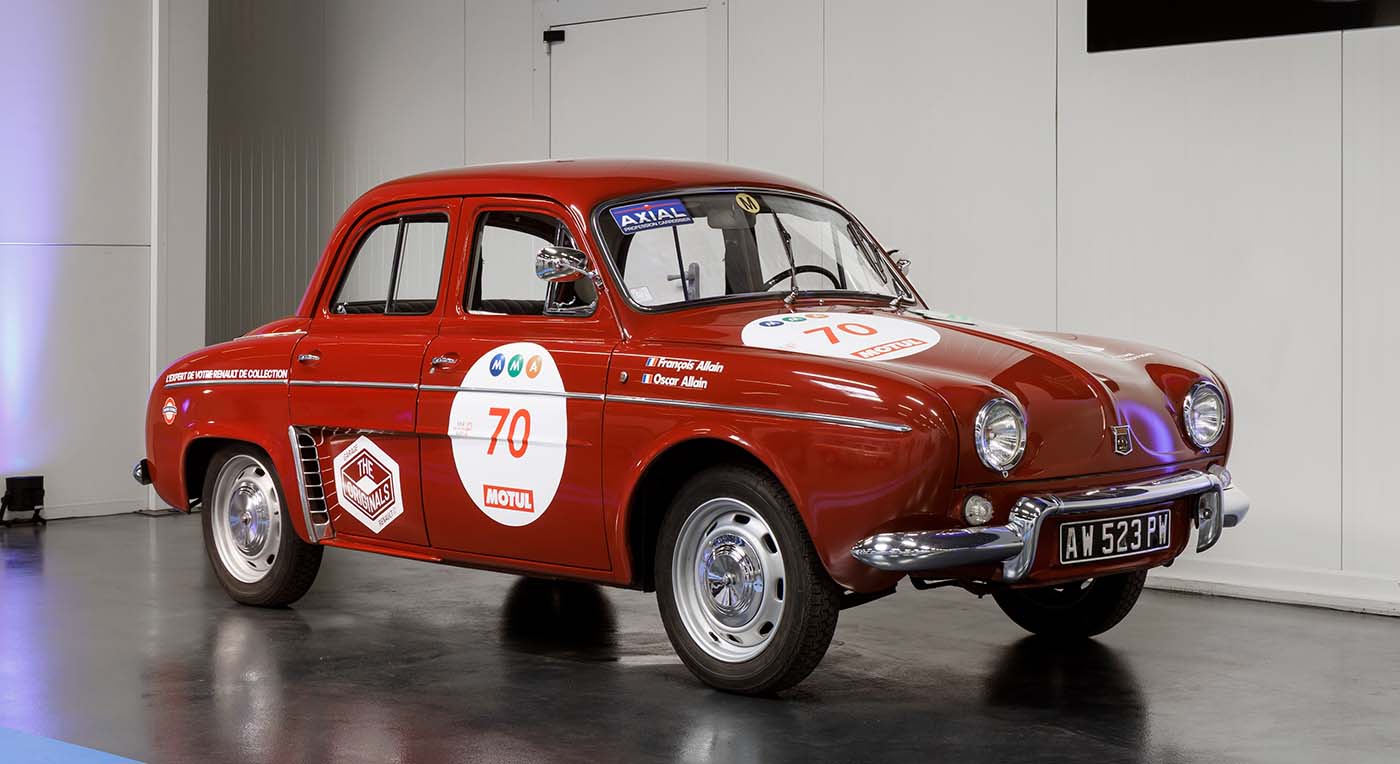
The Gordini-Renault relationship dates to 1957, when Amédée Gordini worked on the Dauphine Gordini, raising output from 32 hp to 37 hp. The Renault 8 Gordini followed, helping establish the double white stripes as one of the nameplate's defining motorsport signatures.


Loading comments...