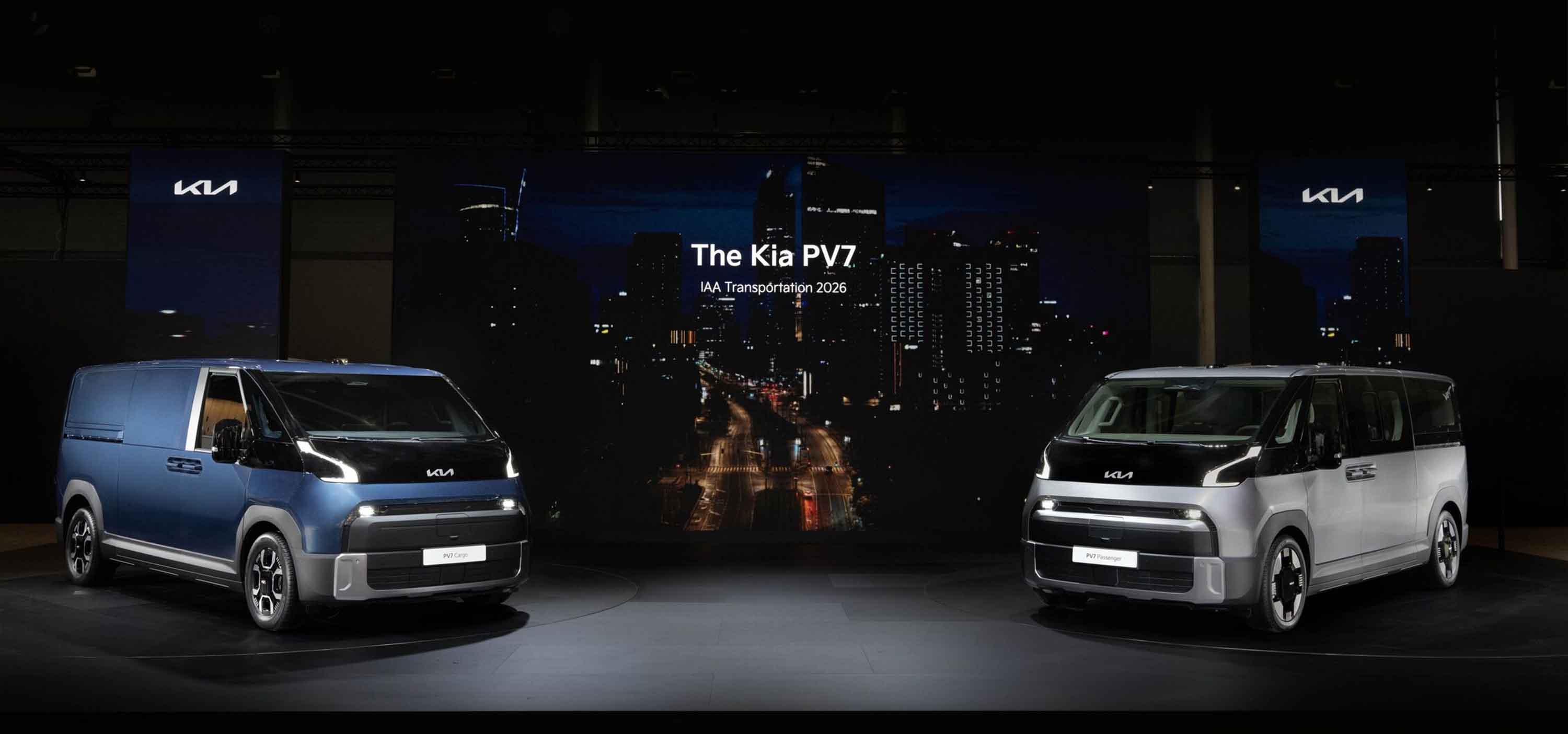
Kia PV7 debuts with 800V charging and up to 8.0m³ cargo
Published Date :
The all-electric Kia PV7 PBV introduces 800V fast charging, up to 200 kW output, more than 460 km WLTP range, payloads of up to 1,200 kg and multiple Passenger and Cargo configurations ahead of a 2027 launch
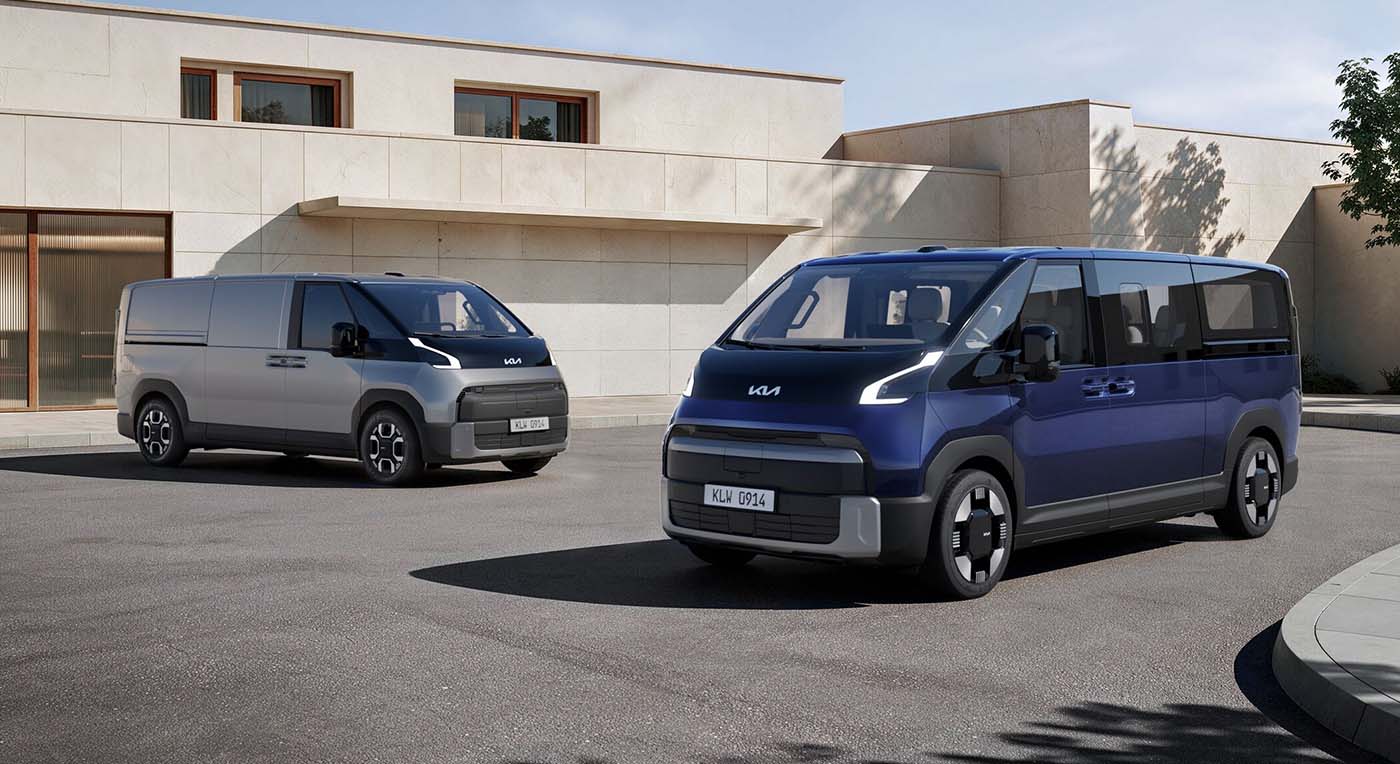
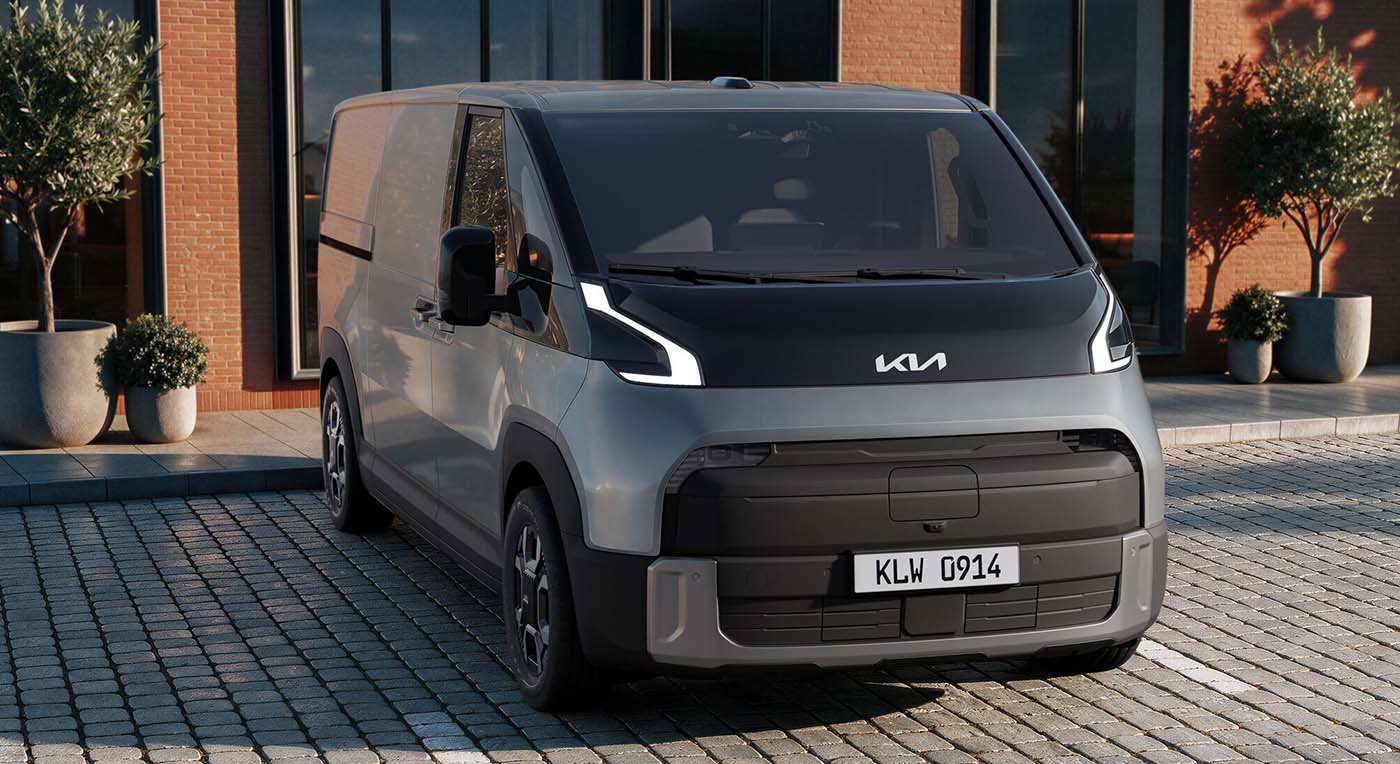
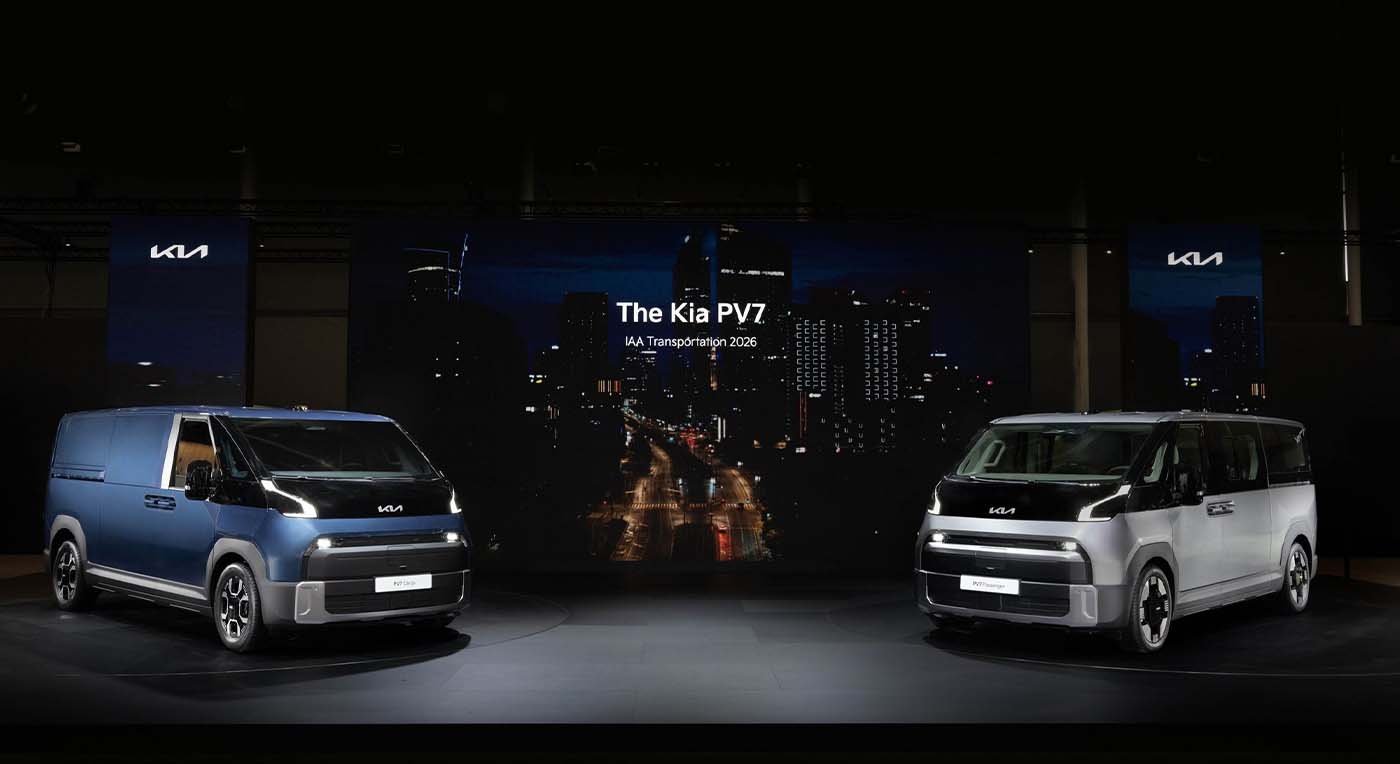
South Korean automaker Kia has unveiled the Kia PV7 at IAA Transportation 2026 in Hannover, expanding its Platform Beyond Vehicle (PBV) lineup into the light commercial vehicle segment. Positioned above the Kia PV5, the PV7 will be offered in Passenger and Cargo versions, built on Kia’s dedicated E-GMP.S electric PBV platform, featuring a flat floor and Flexible Body System designed for multiple body styles and business conversions. Kia describes its modular development approach as the “Tool Box” concept, focused on higher capacity, payload and flexibility compared to the more urban-focused PV5. Sales are scheduled for Korea and Europe in the second half of 2027, with additional markets and derivatives to follow.
Two batteries and over 460 km range
The Kia PV7 will be available with 71.5 kWh and 96.2 kWh NCM battery options, delivering up to 200 kW of power and 420 Nm of torque to the front wheels. Front-wheel drive is standard, with all-wheel drive planned for future variants.
The PV7 Long Range Cargo targets more than 460 km of WLTP driving range, subject to homologation.
Its 800V ultra-fast charging architecture supports 10–80% charging in the mid-20-minute range using a 350 kW DC fast charger, based on Kia’s internal testing.
The PV7 is also Kia’s first model to feature dual charging ports, including a front AC/DC port and an optional rear-side AC port. Vehicle-to-Load (V2L) functionality allows users to power tools, equipment and external devices directly from the vehicle.
Kia PV7 dimensions
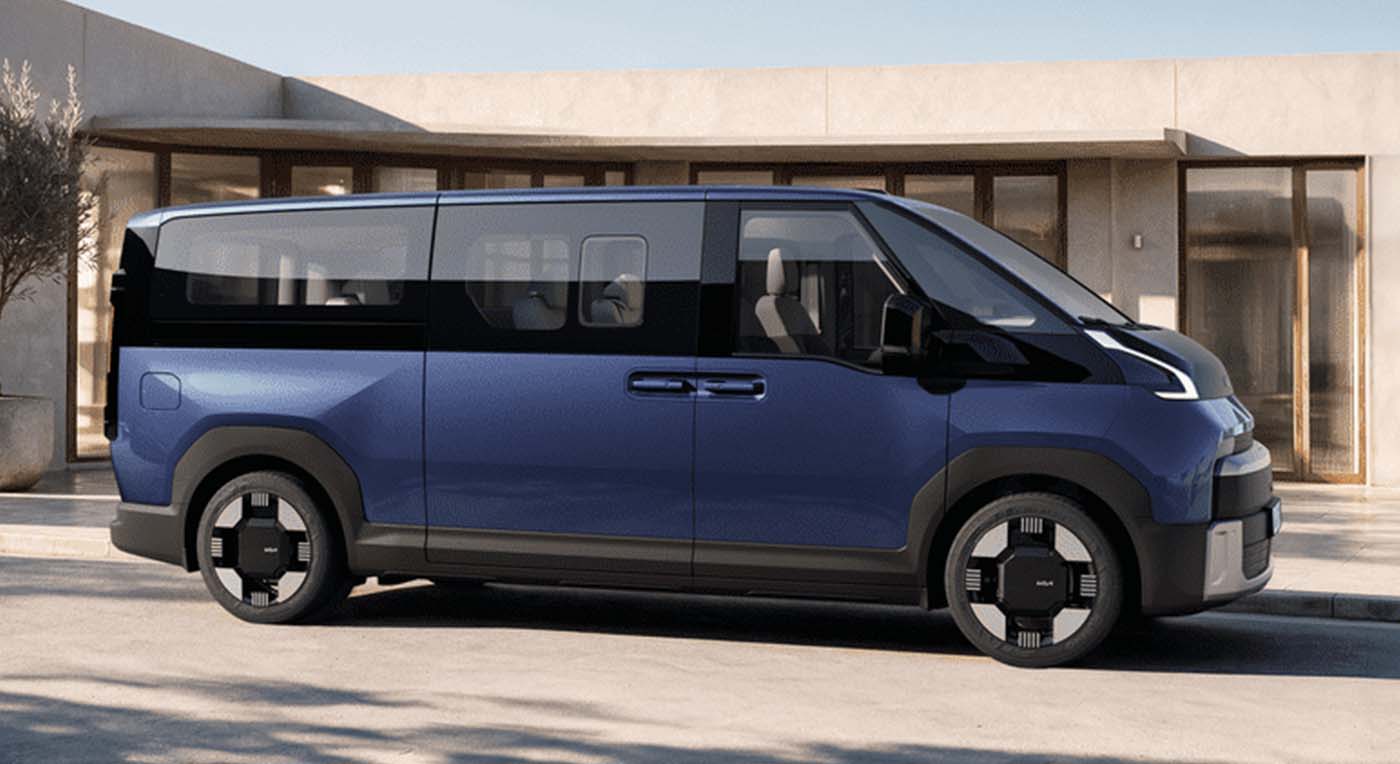
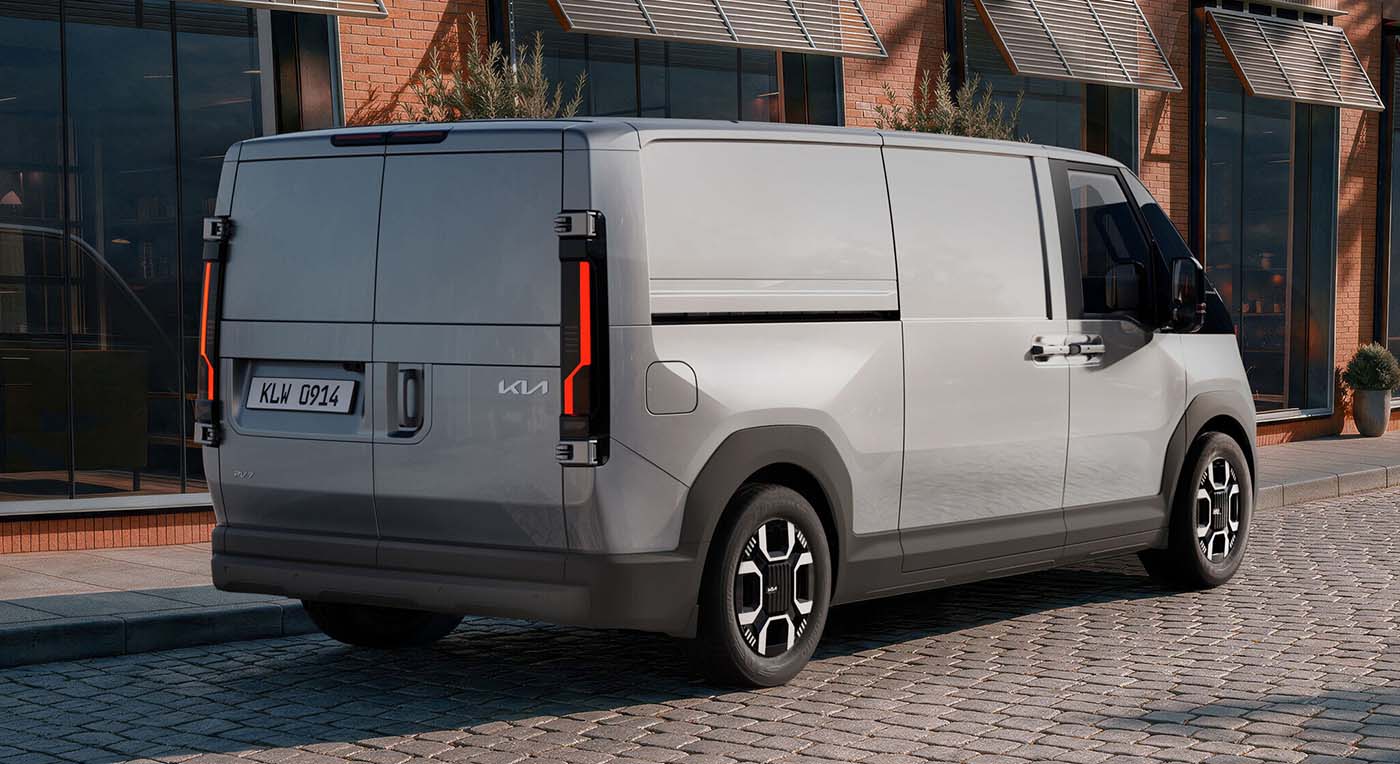
The Passenger Long and Cargo Long versions measure 5,350 mm in length, 1,995 mm in width and 1,990 mm in height, with a 3,500 mm wheelbase, positioning the PV7 in the mid-size electric van category.
Kia notes that specifications, performance figures and features may vary depending on market, trim level and certification status.
Up to 8.0m³ of cargo space
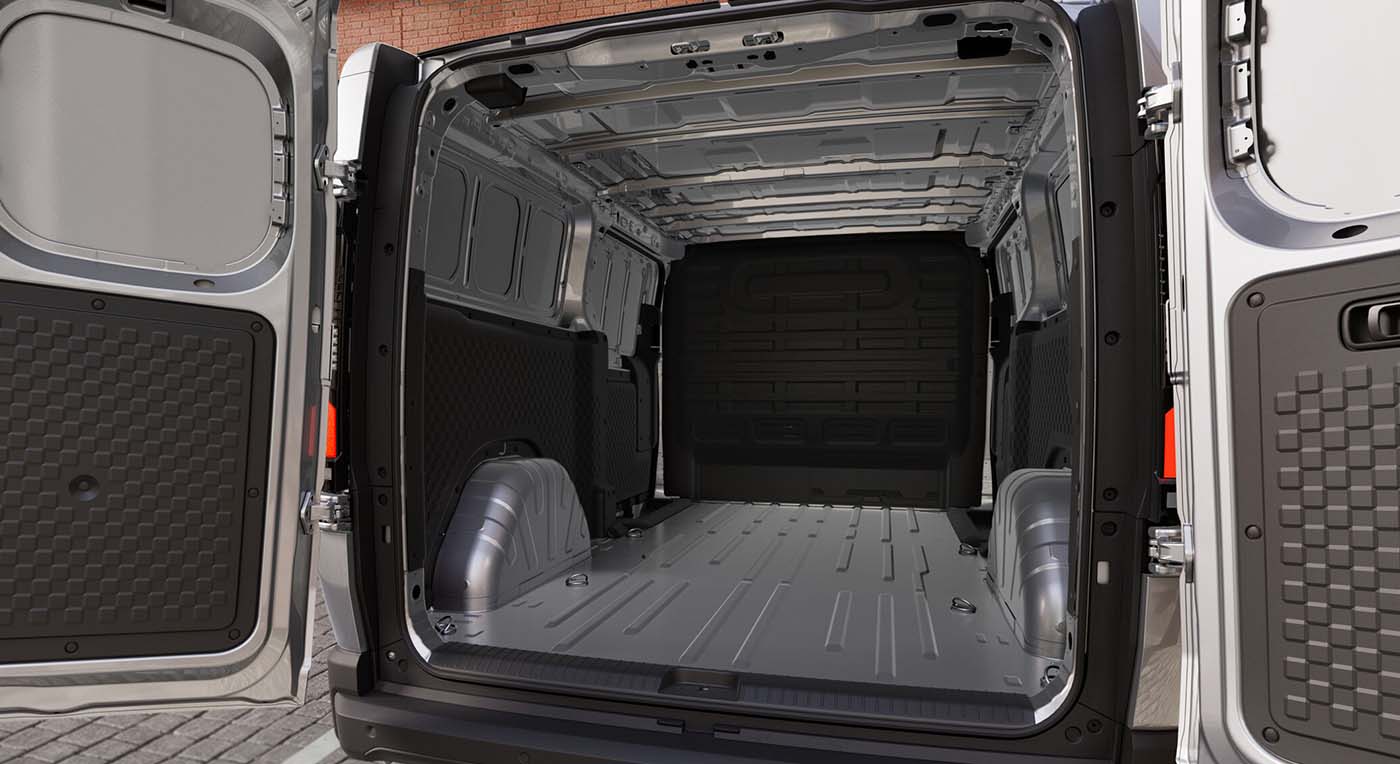
The Kia PV7 Cargo is designed for logistics, delivery, fleet and commercial operations, offering two- and three-seat configurations globally.
Cargo capacity reaches 6.1m³ in the Long version and up to 8.0m³ in the High Roof variant, while maximum payload is rated at 1,165 kg for the Long and 1,200 kg for the Compact version.
The Long variant features a 550 mm loading height, space for up to three Euro pallets, and a heavy-load mode that optimises vehicle performance based on payload.
Customers can choose between different floor materials, twin rear swing doors or a lift-up tailgate, while Smart Walk Away automatically closes the sliding door when the driver exits with the smart key.
Additional features include remote cargo-door monitoring, independent door locking systems and a load-through bulkhead, improving both usability and security.
Passenger version seats up to 11
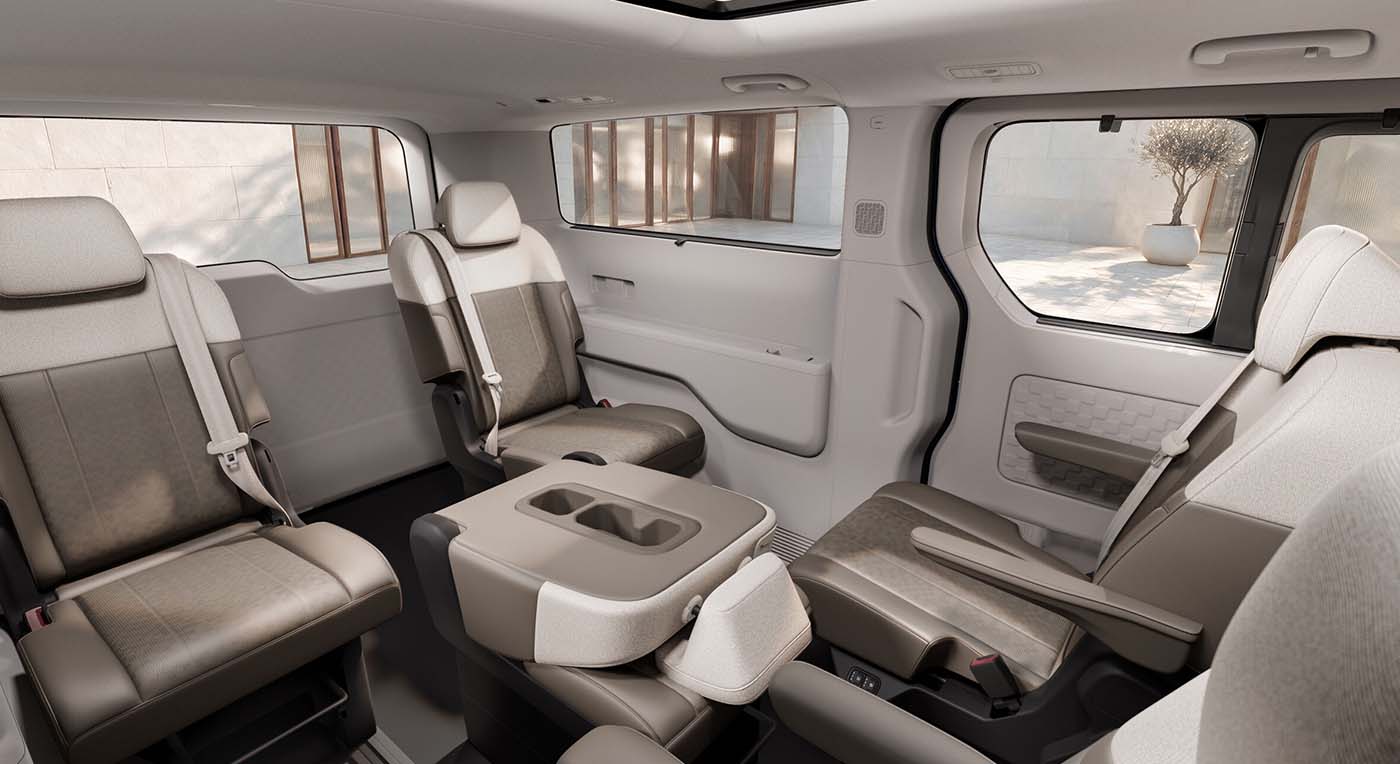
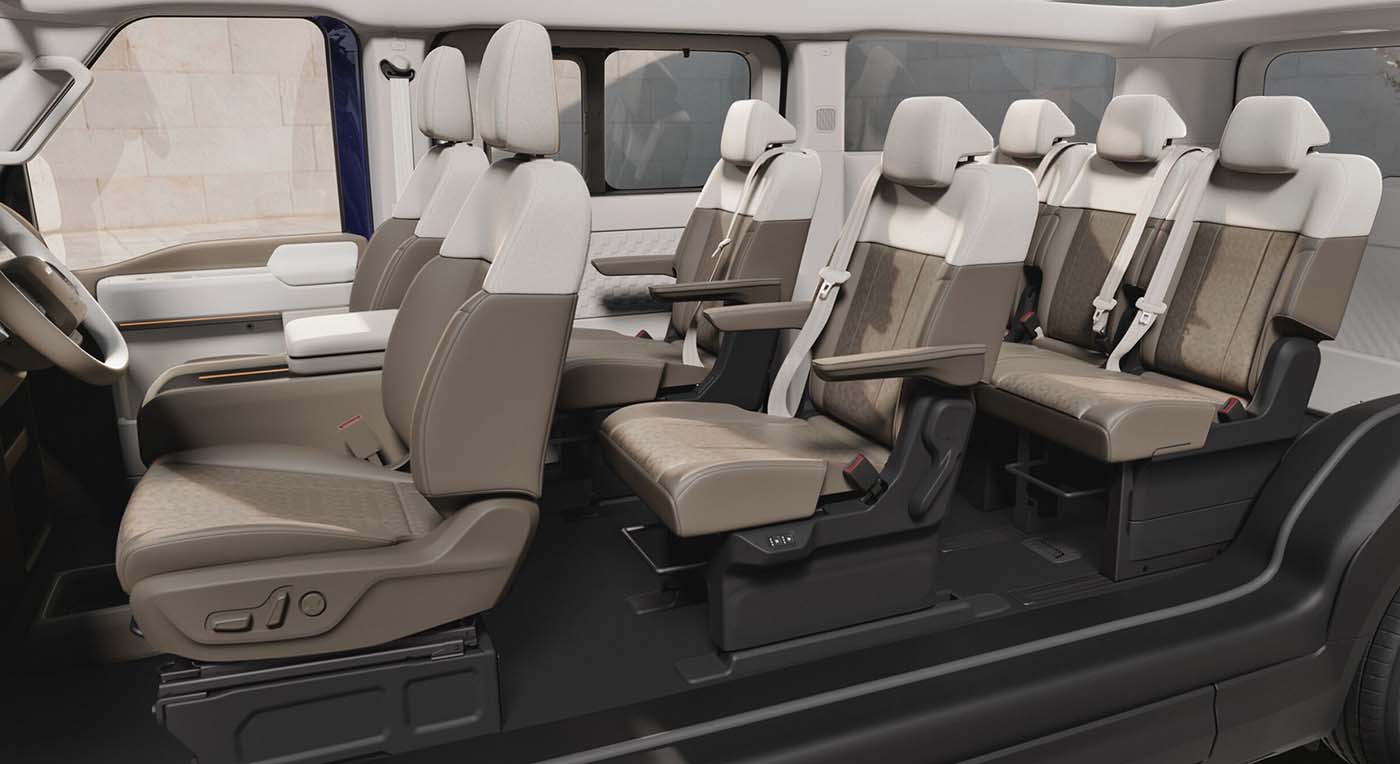
The Kia PV7 Passenger variant targets shuttle services, tourism, rental fleets, crew transport and family use, with seating for up to nine occupants globally and up to 11 in Korea.
Seven-seat versions include Long-Rail Easy Remove Seats, while nine-seat configurations can be specified with or without a fourth row.
Features include rear climate control, 100W USB-C charging ports, power-sliding doors, storage solutions and newly developed ergonomic seating.
Connected business technology
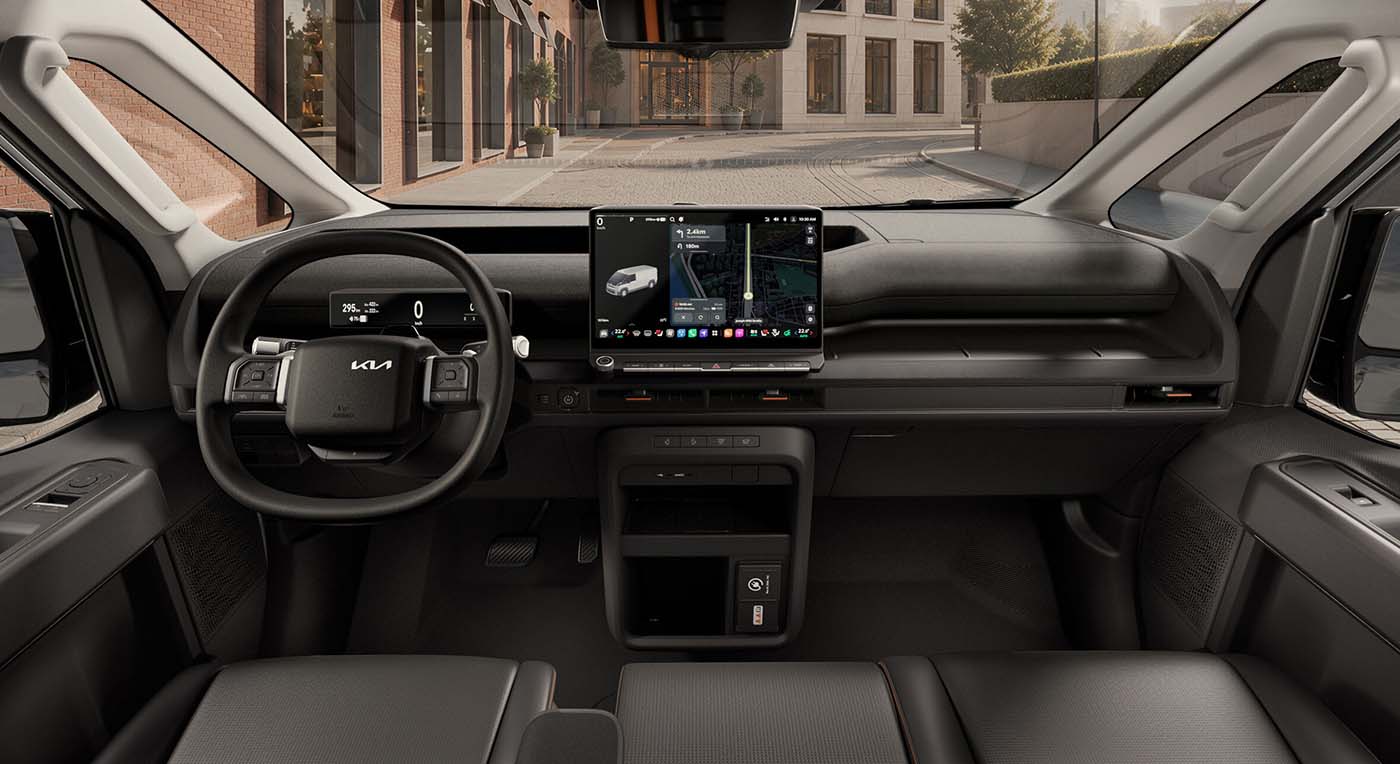
The PV7 is equipped with Pleos Connect, based on Android Automotive OS, offering connected navigation, configurable digital displays, over-the-air updates and access to an app marketplace for business-focused applications.
Gleo AI enables natural-language voice control for navigation, vehicle functions and communication tasks.
Kia’s Business Solutions Portal supports fleet operators with tools for vehicle monitoring, charging management, predictive diagnostics and maintenance planning, improving uptime and operational efficiency.
Upright design, practical cabin
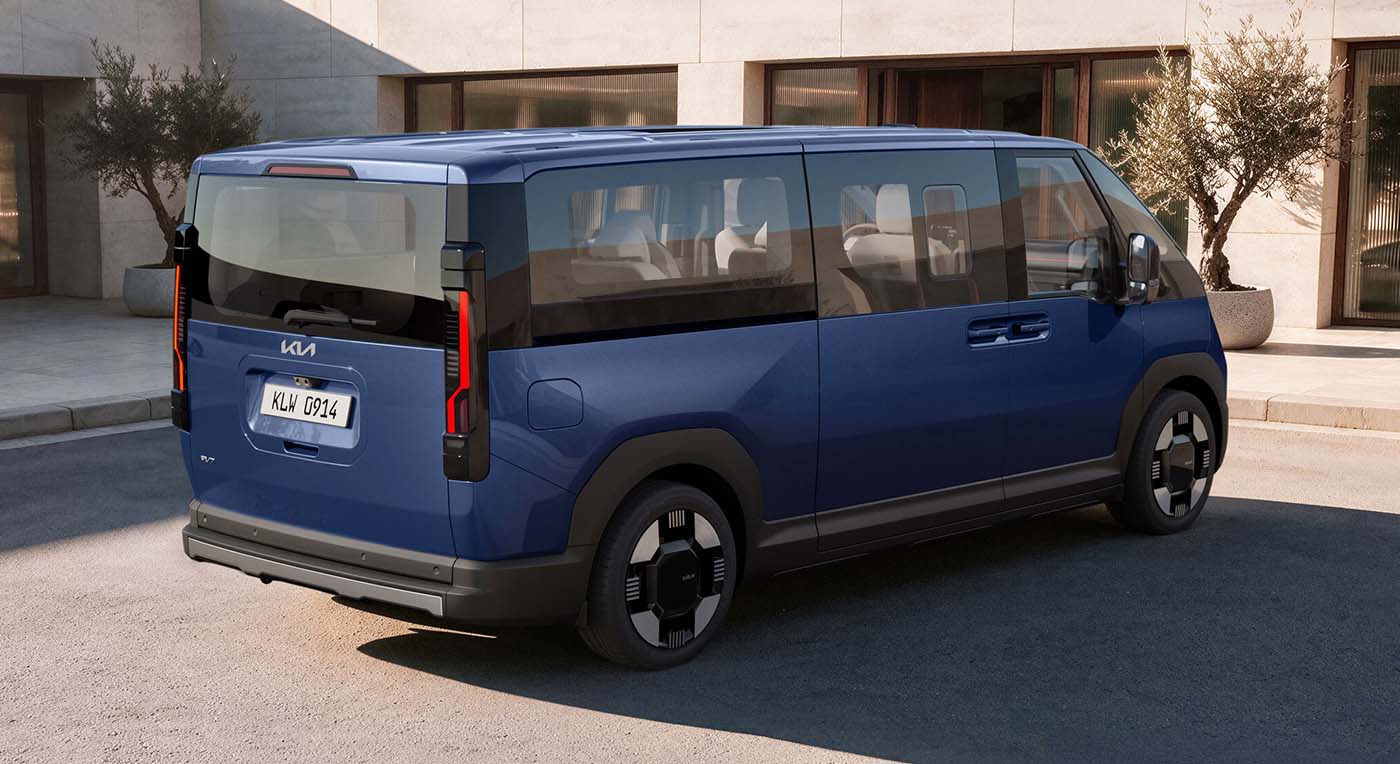
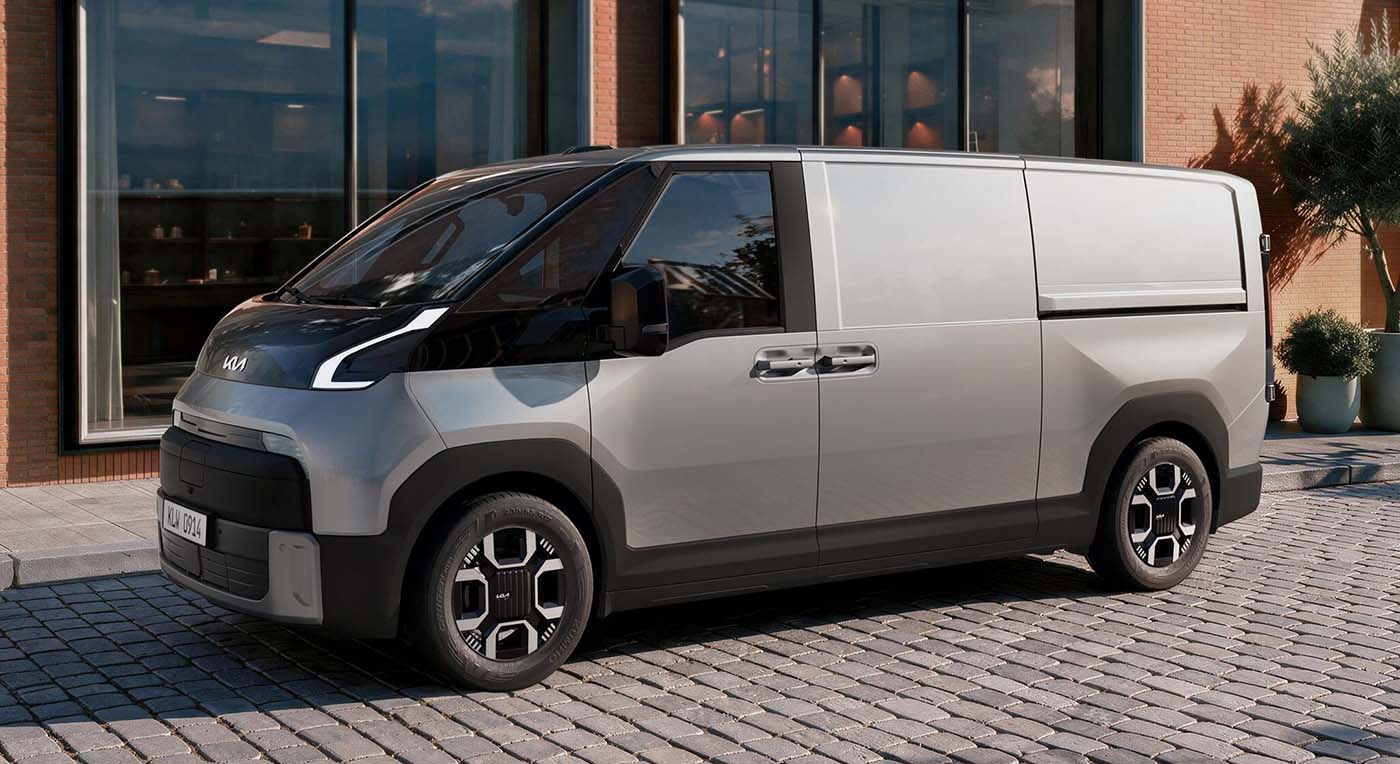
The Kia PV7 features an upright, cab-forward design, with a flat roofline, hidden headlamps, signature LED lighting and large glass areas to improve visibility.
Passenger and Cargo variants receive different glazing and trim treatments depending on use case.
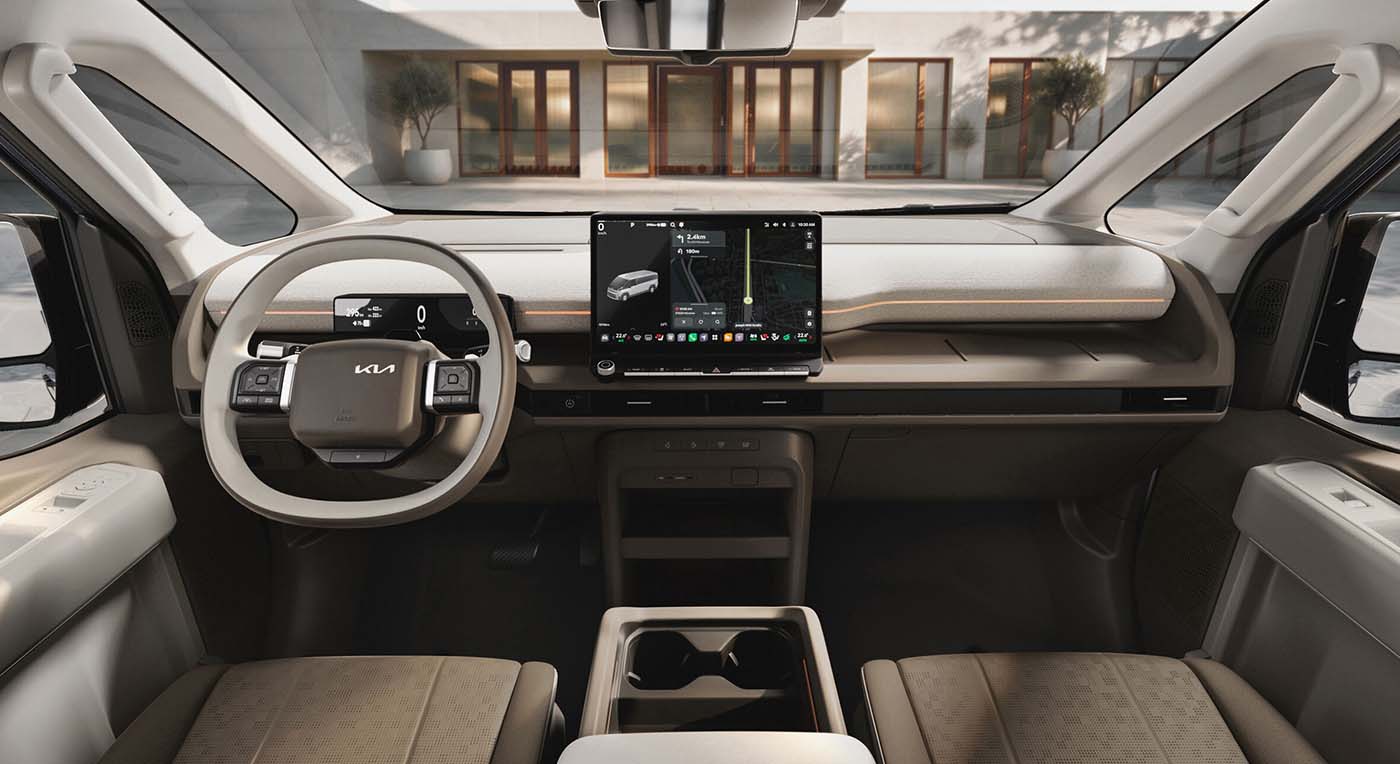
Inside, the PV7 features 12.9-inch and 14.6-inch digital displays, combined with physical controls for frequently used functions.
The Cargo version offers a Mobile Workspace layout, including open storage and a folding centre seatback, while Passenger models feature two-tone interiors, ambient lighting, enclosed storage and an optional centre console that doubles as a table.
Kia also highlights the use of bio-based and recycled materials throughout the cabin.
23 variants planned
Kia plans to offer 23 different PV7 variants, including Cargo, Passenger, Chassis Cab and specialised conversion models.
The company has also confirmed that a larger Kia PV9 electric commercial vehicle is planned for launch in 2029, further expanding its PBV strategy.


Loading comments...