Toyota, Nissan warn Japanese buyers over U.S.-built vehicles
Published Date :
U.S.-built Toyota and Nissan models may differ from domestic quality expectations, particularly in paint finish, panel fit and feature availability.
Japanese automakers Toyota and Nissan have issued an unusual advisory to customers in Japan regarding select vehicles imported from their manufacturing plants in the United States. The guidance does not relate to safety or regulatory compliance, but instead highlights noticeable differences in quality, finish and specification compared to vehicles produced for the domestic Japanese market.
Three US-built models affected
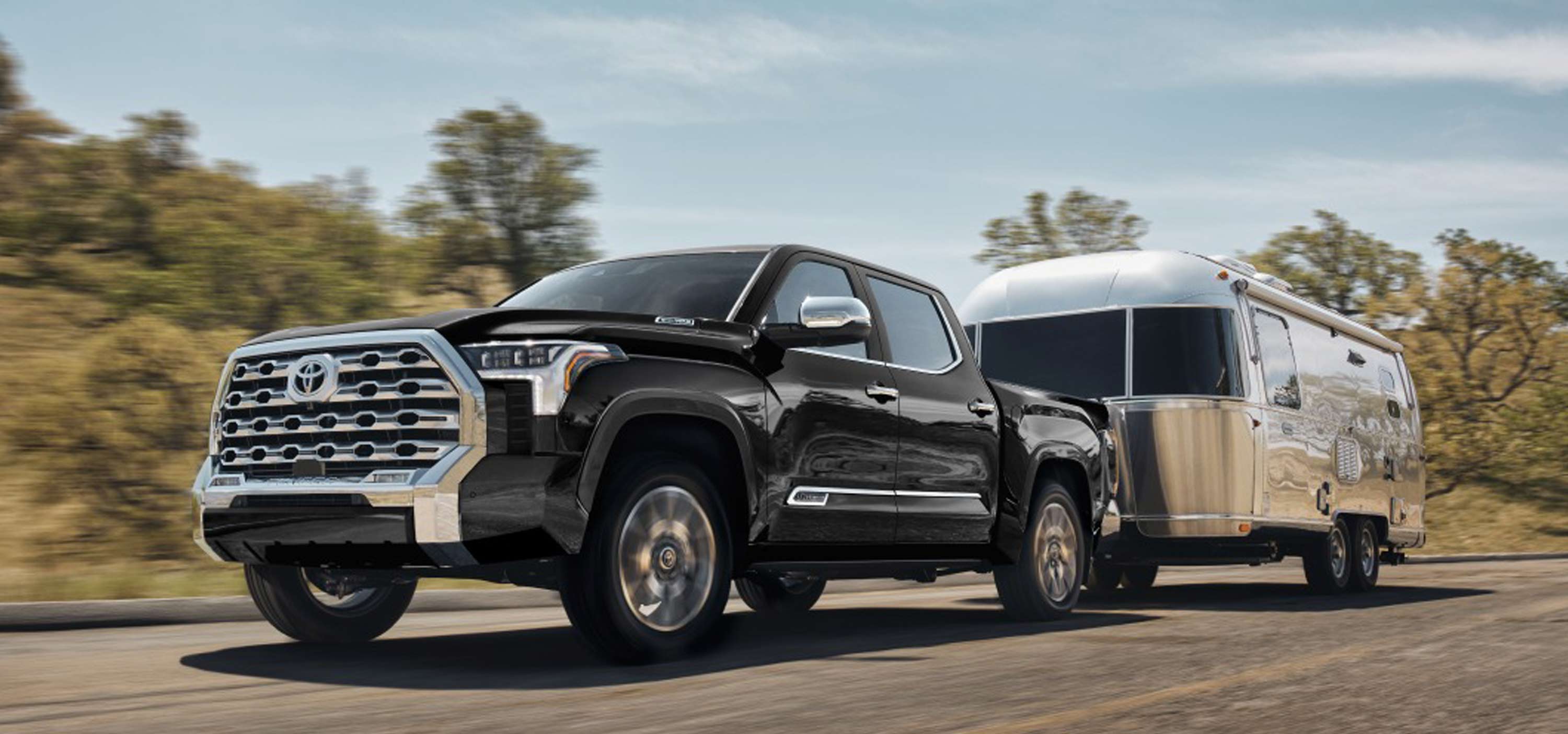
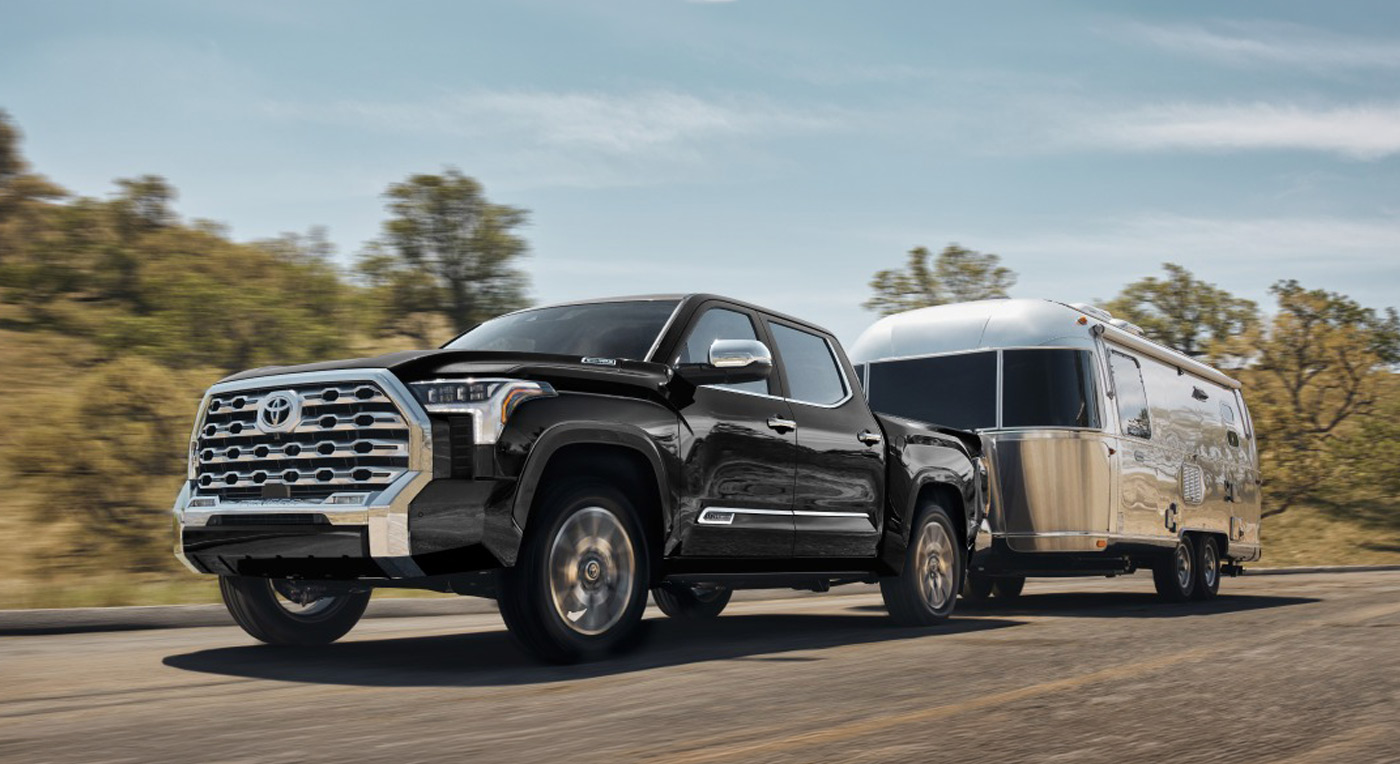
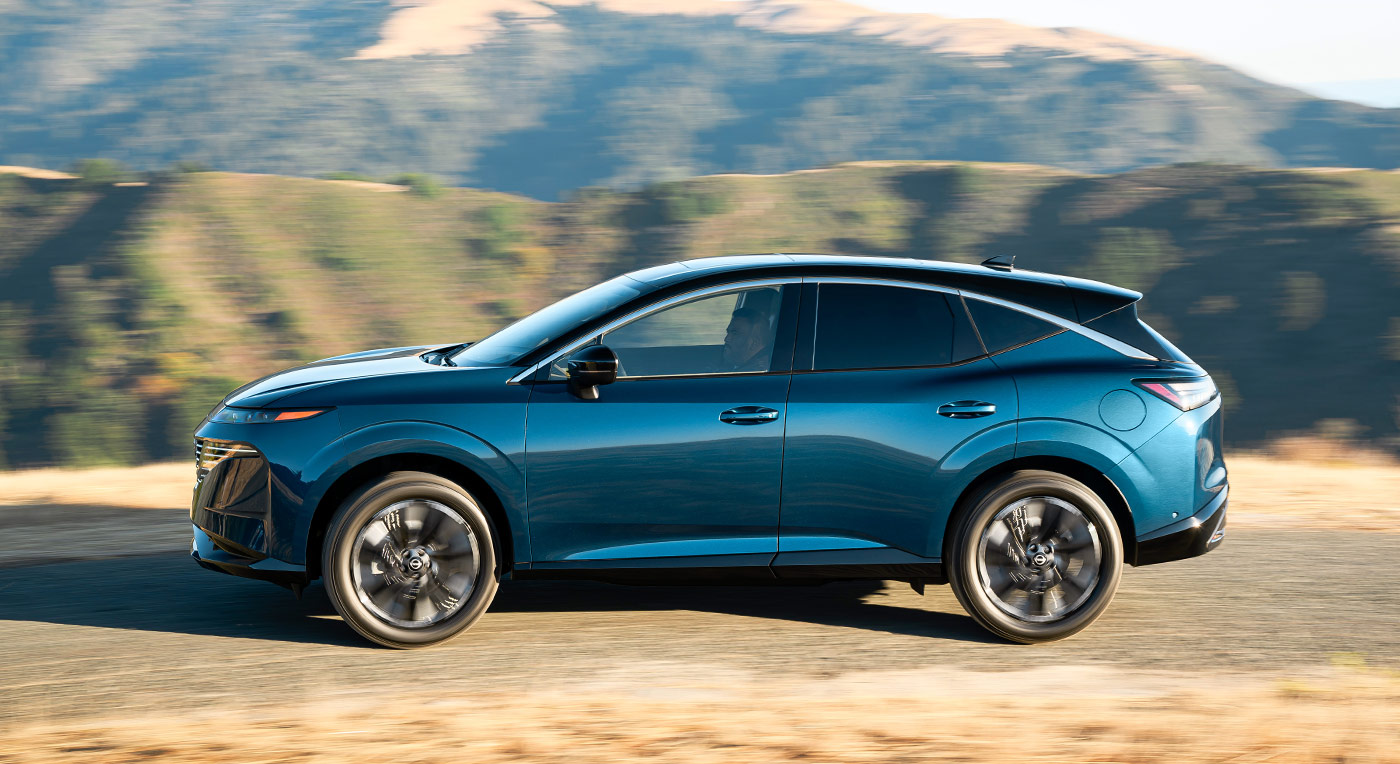
According to multiple automotive industry reports, the advisory covers three models, namely the Texas-built Toyota Tundra, the Indiana-built Toyota Highlander and the Tennessee-built Nissan Murano. Their arrival in Japan represents a shift from the traditional export trend, with US-manufactured vehicles now being introduced into one of the world’s most quality-conscious automotive markets.
Toyota flags paint and feature differences
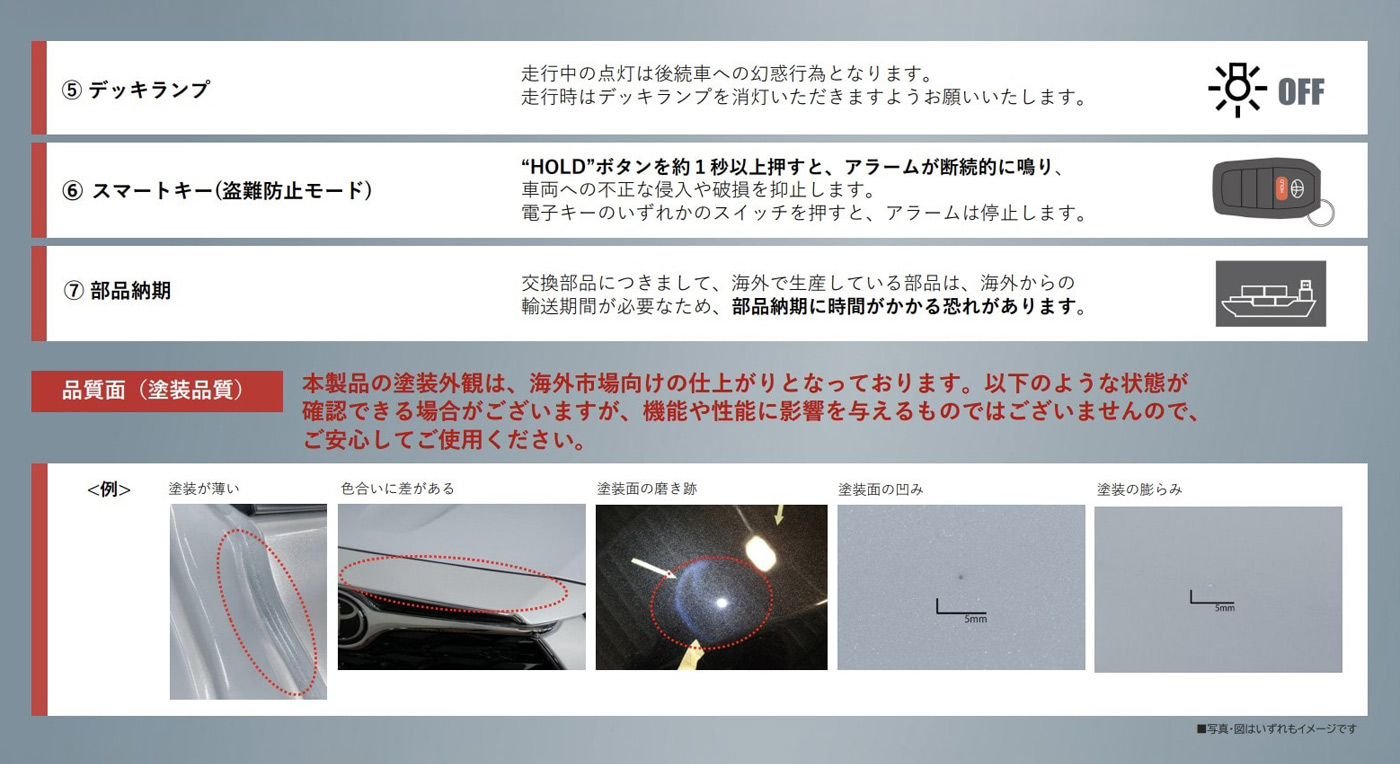
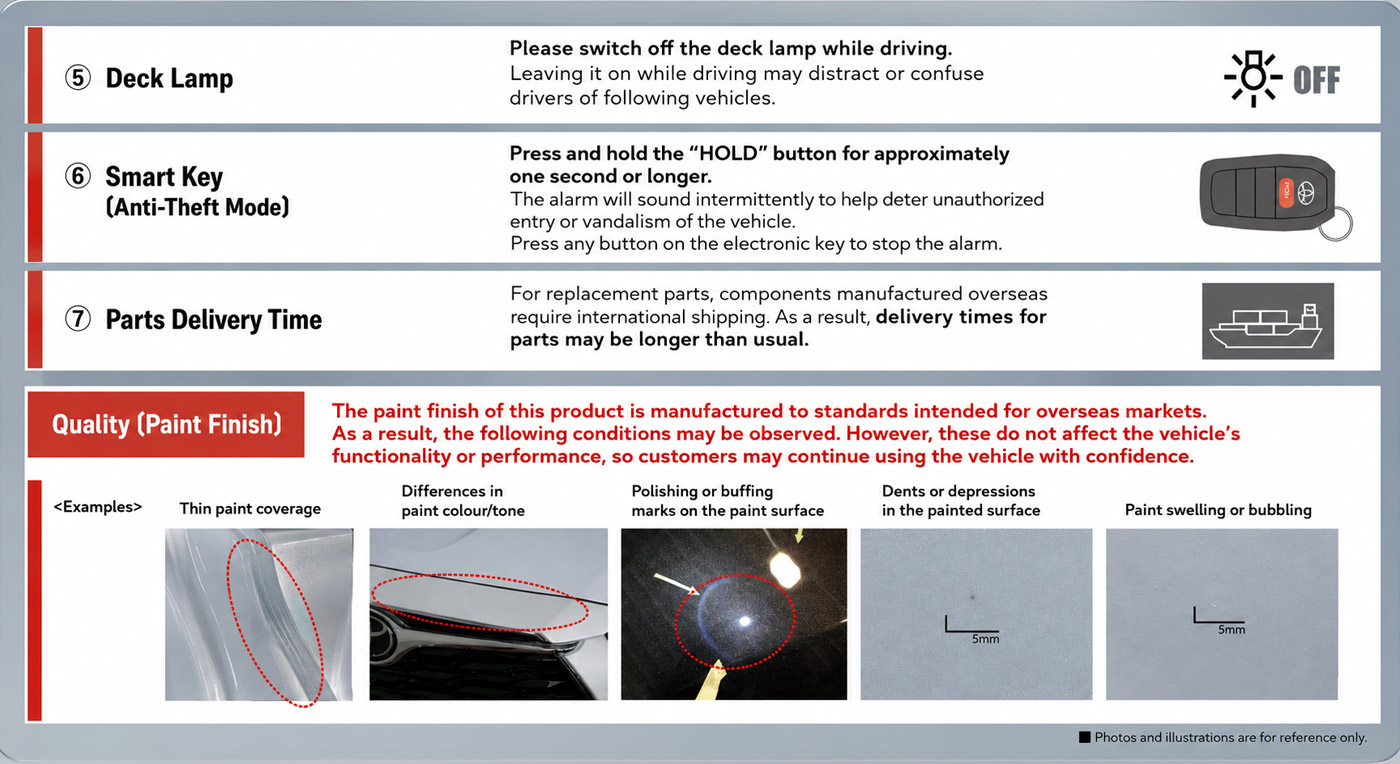
Toyota has cautioned that the Tundra and Highlander may display paint-related inconsistencies when compared to Japanese-built vehicles. These include potential variations in paint tone, visible polishing marks, minor dents on painted panels, uneven paint thickness and, in some cases, signs of bubbling or swelling.
The company emphasises that these vehicles meet international production standards, but may not align with the higher finish expectations typically associated with cars sold in Japan. Toyota also noted that certain driver-assistance features, such as Road Sign Assist, may not operate as intended due to differences in local infrastructure and system compatibility. In addition, the Tundra’s infotainment system is currently limited to English-language functionality.
Nissan highlights fit-and-finish concerns
Nissan has issued similar guidance for the Murano, pointing to possible inconsistencies in panel alignment, surface uniformity and visible sealant application. Minor dust particles within the paintwork have also been mentioned as a potential difference compared to domestic models.
The company further highlighted that the Murano may lack several features typically expected by Japanese customers, including Japanese-language infotainment menus, AM/FM radio support and access to NissanConnect services.
Japan’s high expectations
The advisory underscores the exceptionally high standards maintained by Japanese consumers, who are known to closely evaluate details such as paint finish, panel gaps, material quality and overall build precision. Even small deviations from these expectations can be noticeable in a market where craftsmanship and consistency are prioritised.
Trade discussions provide context
The timing of these disclosures has drawn attention, as they coincide with ongoing discussions surrounding US-Japan trade relations and efforts to increase imports of American-built goods. While neither automaker has directly linked the advisory to trade policy, the move comes as both brands expand the presence of US-built models in their home market.
Transparency first
Rather than indicating a broader quality issue, the warnings reflect a proactive approach to customer communication. By outlining potential differences upfront, Toyota and Nissan aim to set clear expectations and maintain consumer trust, while also reinforcing the uniquely high standards that define Japan’s automotive industry.
Source: Autoevolution
Translated image source: AI-generated illustration.



Loading comments...