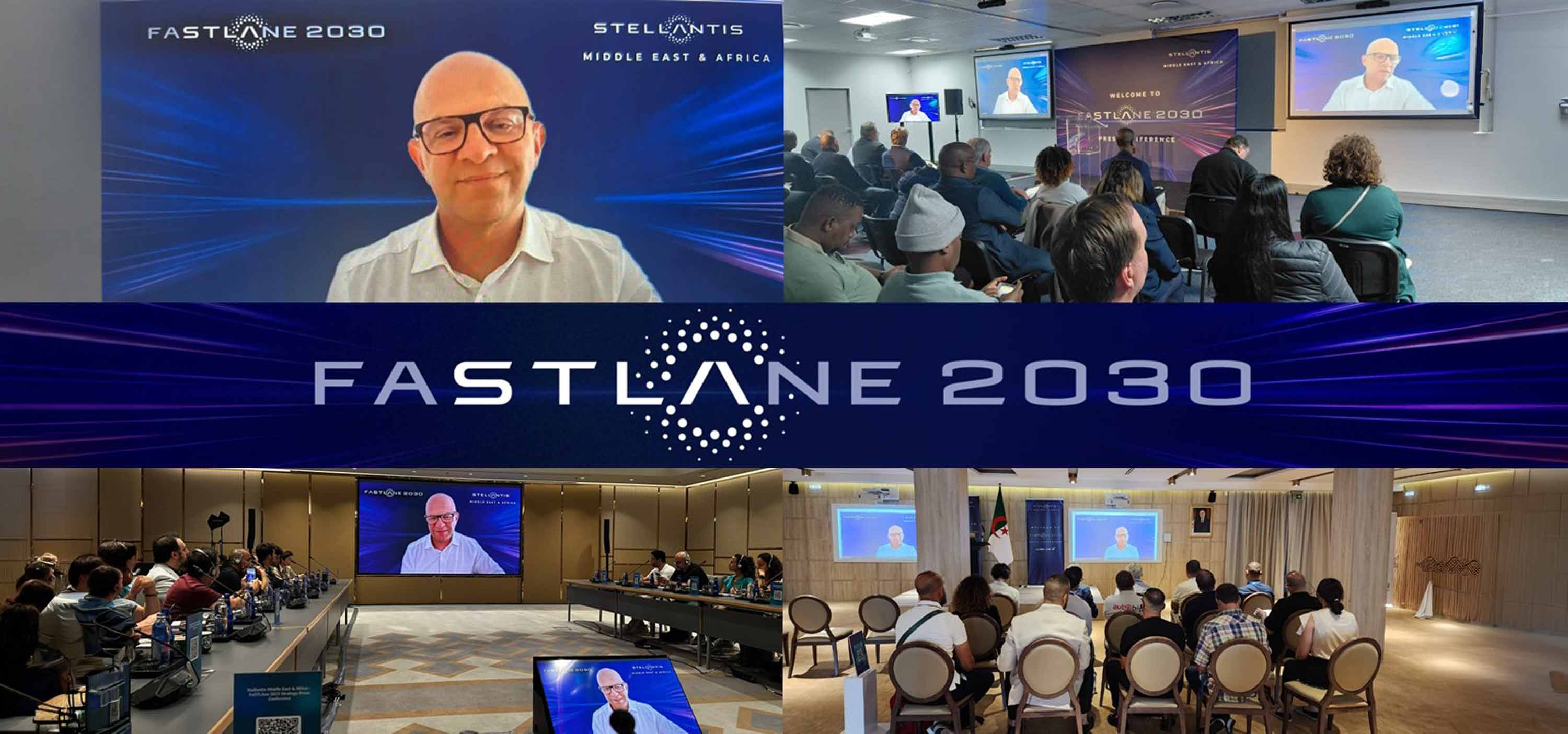
Stellantis MEA accelerates FaSTLAne 2030 plan
Published Date :
Stellantis Middle East & Africa outlines FaSTLAne 2030 roadmap, targeting 40% revenue growth, double-digit margins and a streamlined 22-model strategy
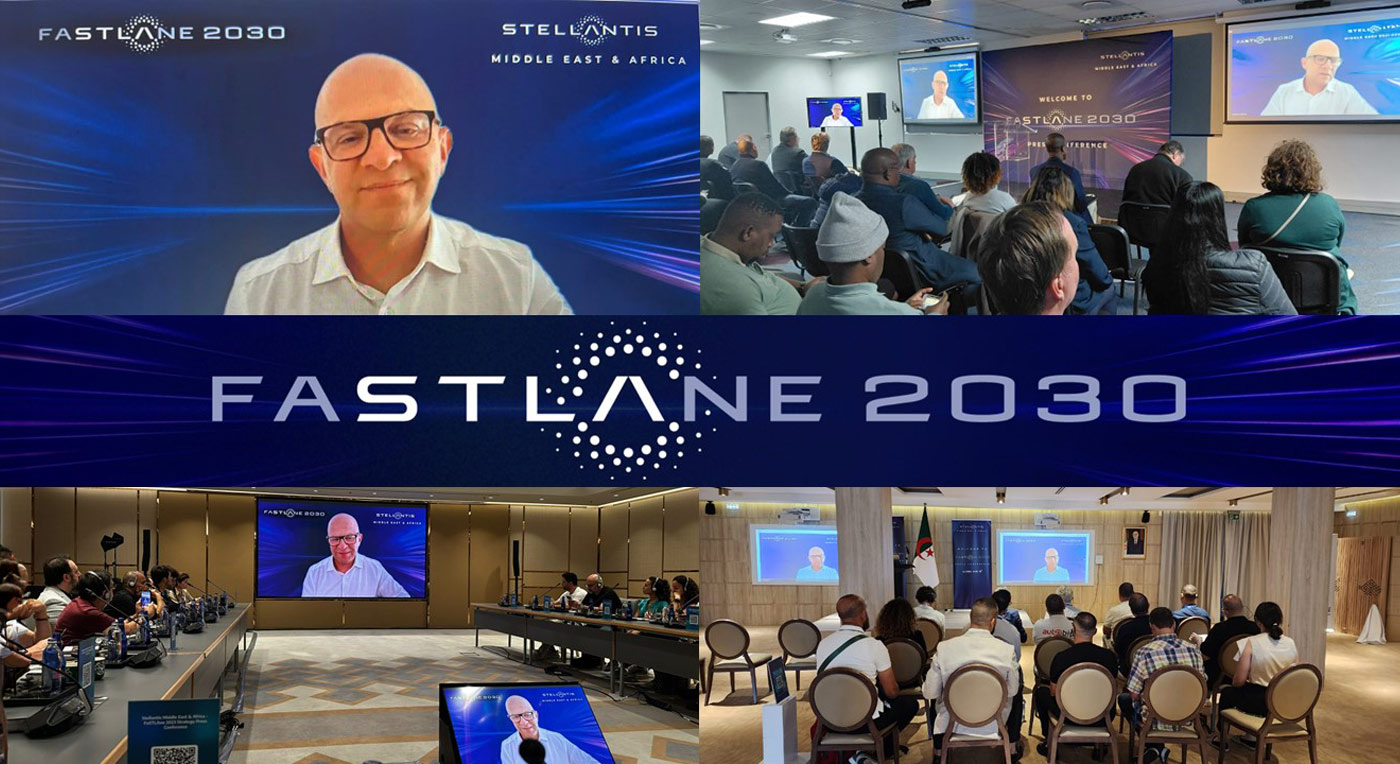
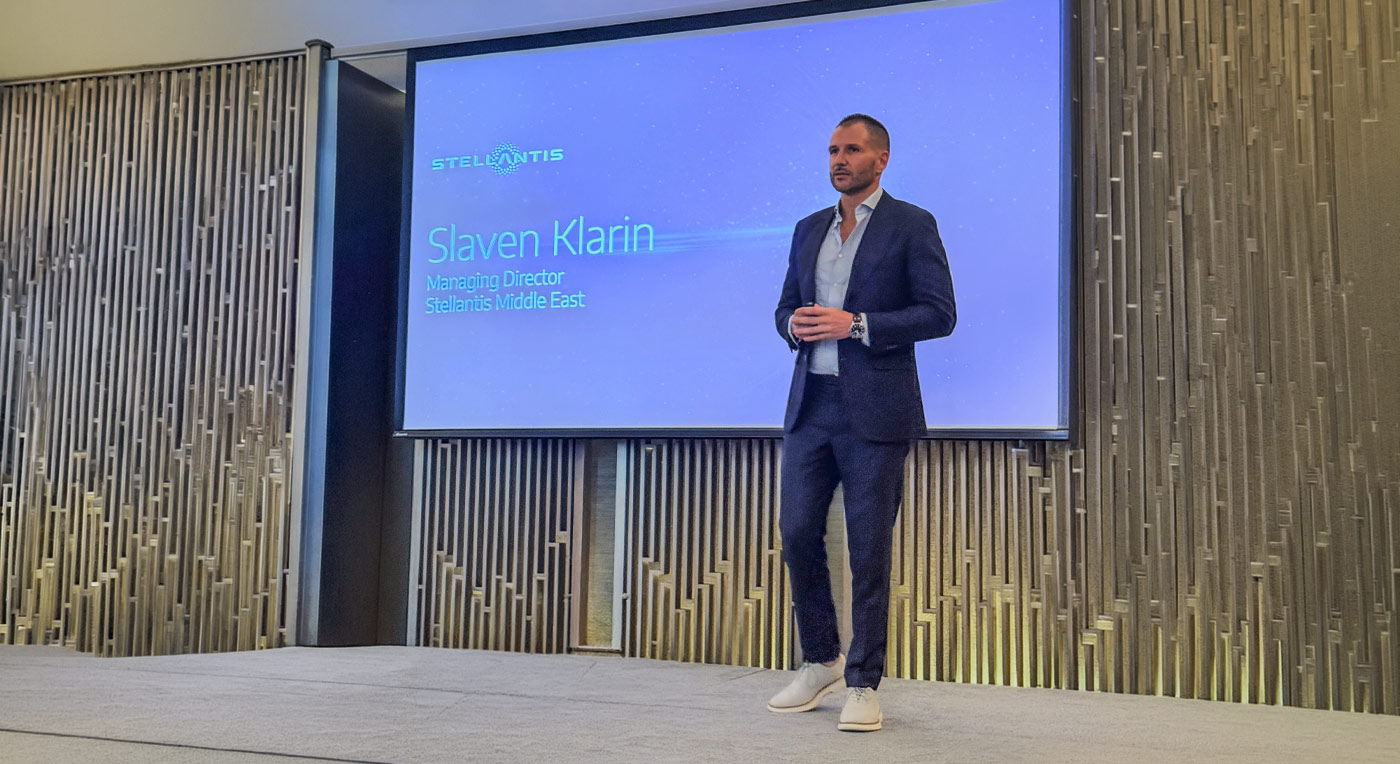
Stellantis Middle East & Africa has unveiled the regional execution roadmap for its FaSTLAne 2030 strategy, setting out clear targets for revenue growth, profitability, manufacturing expansion and product optimisation across one of the world’s fastest-growing automotive regions. The announcement was made in Dubai on June 30, 2026, during a press conference attended by regional automotive and business media. The strategy was presented by Samir Cherfan, Chief Operating Officer for Middle East & Africa, who detailed Stellantis’ plans to accelerate growth and strengthen its regional footprint.

40% revenue growth target
Under the FaSTLAne 2030 roadmap, Stellantis MEA aims to increase regional revenues by 40% while maintaining a double-digit operating margin.
The company plans to achieve this through a shift in sourcing strategy, expanded local manufacturing, strategic imports and a more focused product portfolio. A key objective is for 90% of regional sales to come from 22 core carlines, either produced locally or sourced from Asia.
MEA central to Stellantis growth
Samir Cherfan said the Middle East & Africa region remains a central pillar of Stellantis’ global growth strategy.
He noted that the company is already operating at scale with strong profitability, and that FaSTLAne 2030 will accelerate execution by transforming sourcing, maximising industrial capacity and deploying a focused product plan to unlock further growth.
One of the world’s fastest-growing regions
The Middle East & Africa region continues to stand out as one of the fastest-growing automotive markets globally.
Currently accounting for around 25% of the world’s population, the figure is expected to rise to 40% in the coming decades. Stellantis has built a strong position in the region, ranking second for four consecutive years with annual sales exceeding 500,000 vehicles and consistent double-digit profitability.
Expanding manufacturing and sourcing
Building on this foundation, Stellantis plans to scale up its industrial and commercial footprint across key markets.
In the Mediterranean region, the company will leverage its manufacturing plants in Morocco and Turkey, which have a combined production capacity of 800,000 units. Stellantis also aims to strengthen its leadership position and revive Fiat’s performance in Turkey.
In Algeria, expansion will continue through deeper localisation, while in the Middle East and South Africa the focus will be on enhancing competitiveness through improved sourcing strategies and increased local integration.
The transformation is already underway and is expected to reach approximately 75% execution by 2028.
22-model product plan
Stellantis MEA will support its growth ambitions with a disciplined product strategy centred on scale and efficiency.
A core portfolio of 22 models is expected to account for 90% of regional sales. The strategy will be backed by annual investments of around €300 million, supported by partnerships and co-investments.
Approximately half of these models will be produced locally, while the remainder will be sourced from Asia to ensure competitiveness across segments and markets.
Sustainable and profitable growth
Through FaSTLAne 2030, Stellantis MEA aims to combine industrial expansion, targeted investments and a focused product strategy to deliver sustainable, profitable growth across the region.
The plan is designed to strengthen the company’s long-term presence, improve competitiveness, support local economies and better serve diverse customer needs across the Middle East & Africa.
With expanded manufacturing, strategic sourcing and a streamlined product lineup, Stellantis is positioning itself to grow faster, operate more efficiently and capture a larger share of one of the automotive industry’s most important future markets.






Loading comments...