New Dacia Spring EV gets 250 km range, under $23,300
Published Date :
The second-generation Dacia Spring EV is completely redesigned, built in Europe and combines an 80 hp / 82 PS motor with a 27.5 kWh LFP battery and up to 250 km of WLTP range
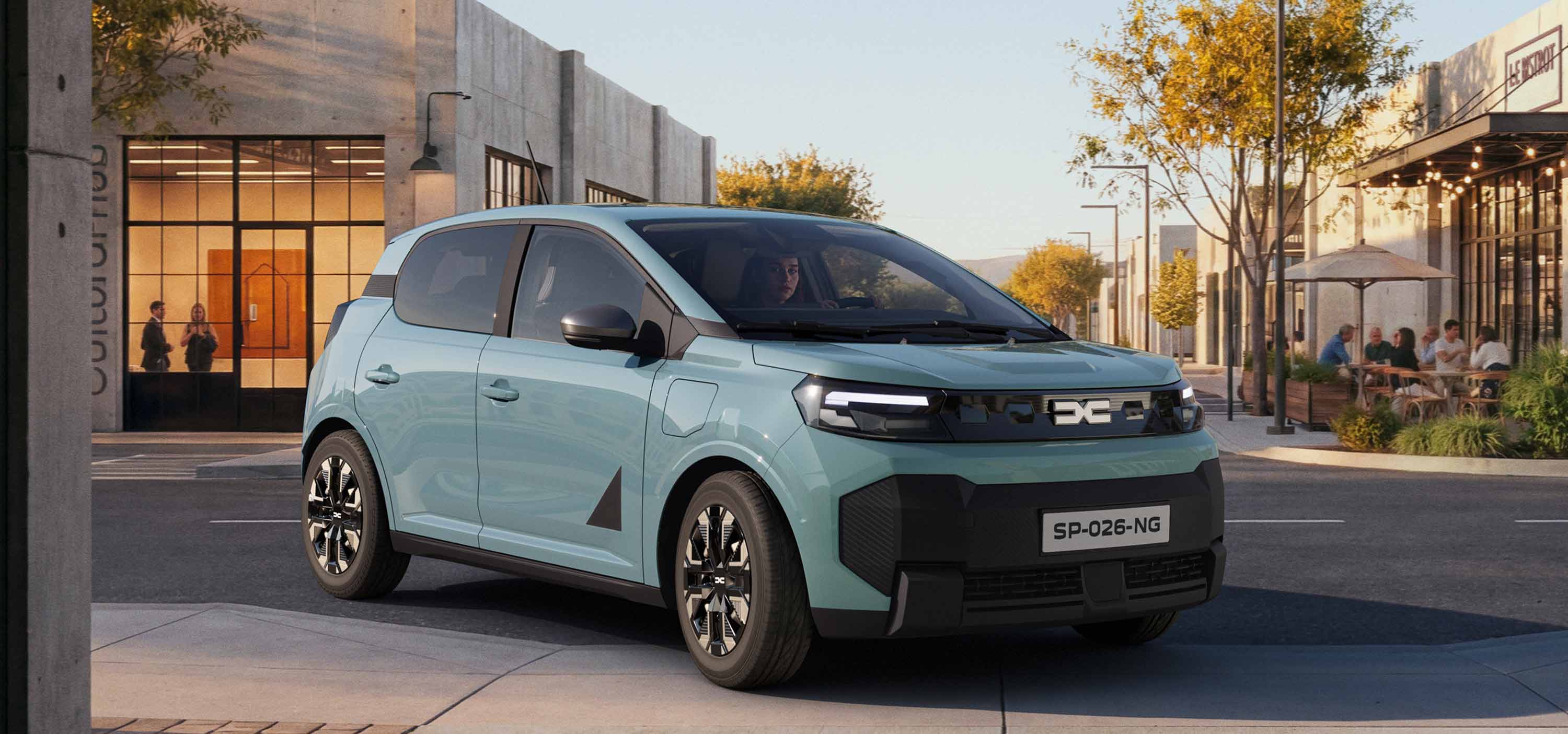
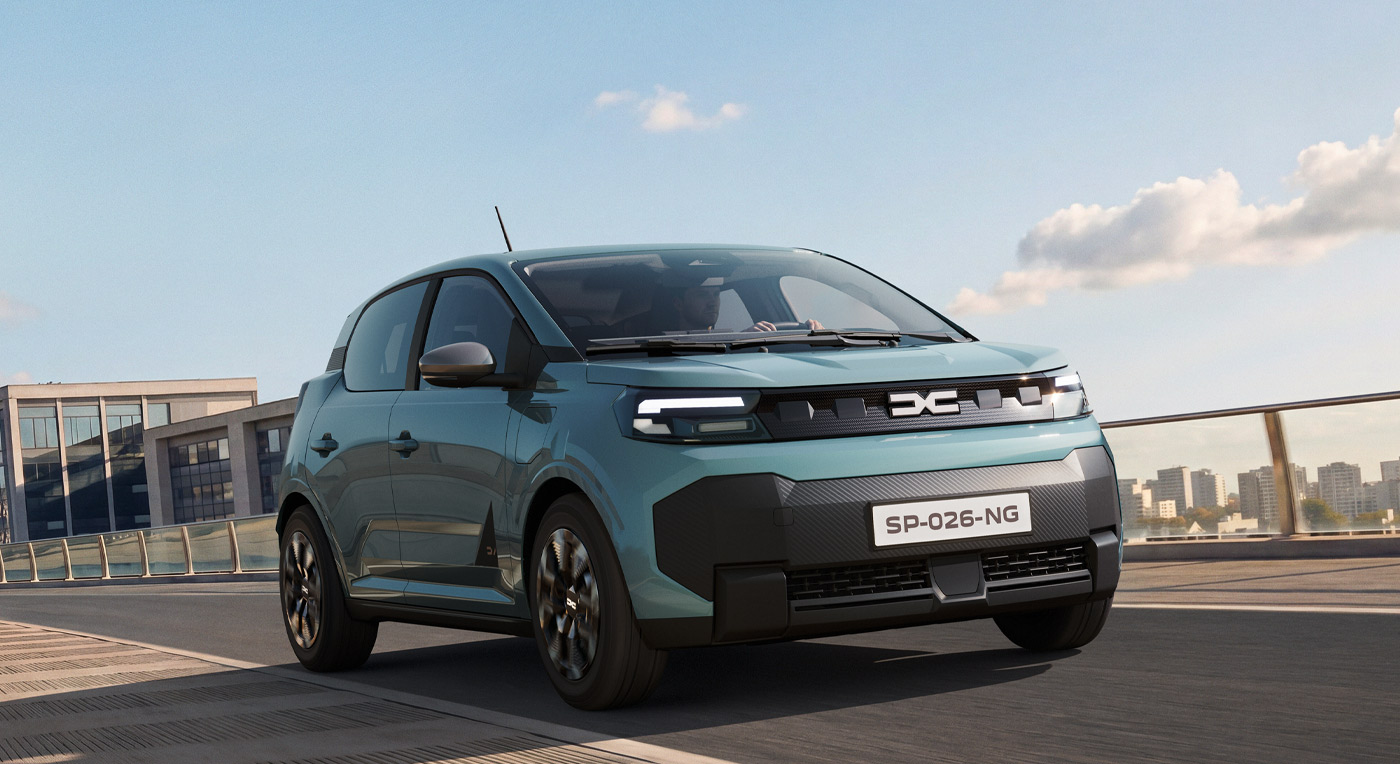
Dacia has revealed the new second-generation Dacia Spring, the first of four new electric vehicles the brand plans to launch by 2030. While it retains the Spring name, the compact EV is completely redesigned around Renault Group’s new RG-EV small platform and is built at Novo Mesto, Slovenia. Dacia says its new development programme reduced the vehicle design cycle to under two years. The first-generation Dacia Spring has sold more than 210,000 units in over 40 countries since 2021. Dacia’s connected data shows owners travel an average of 34 km per day at 34 km/h, with 75% of charging taking place at home.

80 hp / 82 PS and 250 km WLTP range
The new Dacia Spring EV uses a single electric motor producing 60 kW (80 hp / 82 PS) and 175 Nm. It accelerates from 0–100 km/h in 12.1 seconds and has a top speed of 130 km/h.
Its 27.5 kWh usable-capacity LFP battery delivers up to 250 km of WLTP combined range. Energy consumption is rated at 12.7 kWh/100 km, helped by a kerb weight starting from 1,212 kg.
A 6.6 kW AC charger is standard. Charging from 15–80% takes around nine hours from a domestic socket, 5 hours 40 minutes from a heavy-duty socket and 2 hours 55 minutes from a 7 kW wallbox.
An optional fast-charge pack adds 11 kW AC and 50 kW DC charging, reducing 15–80% charging to 1 hour 55 minutes on an 11 kW three-phase supply or 28 minutes using DC fast charging.
The Charge Pack also adds Vehicle-to-Load (V2L) functionality, allowing the Spring to power devices such as e-bike batteries, lights and coffee makers.
New Dacia Spring is bigger and more practical
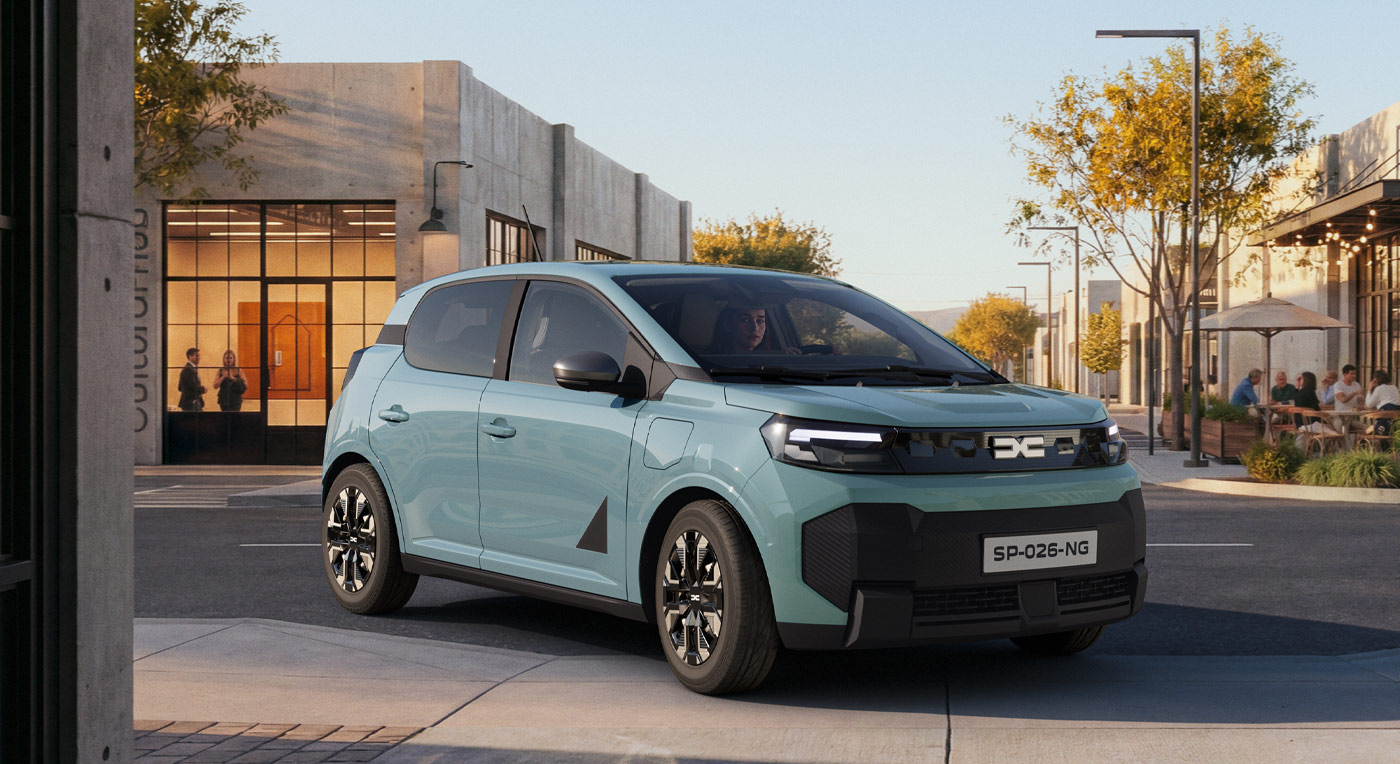
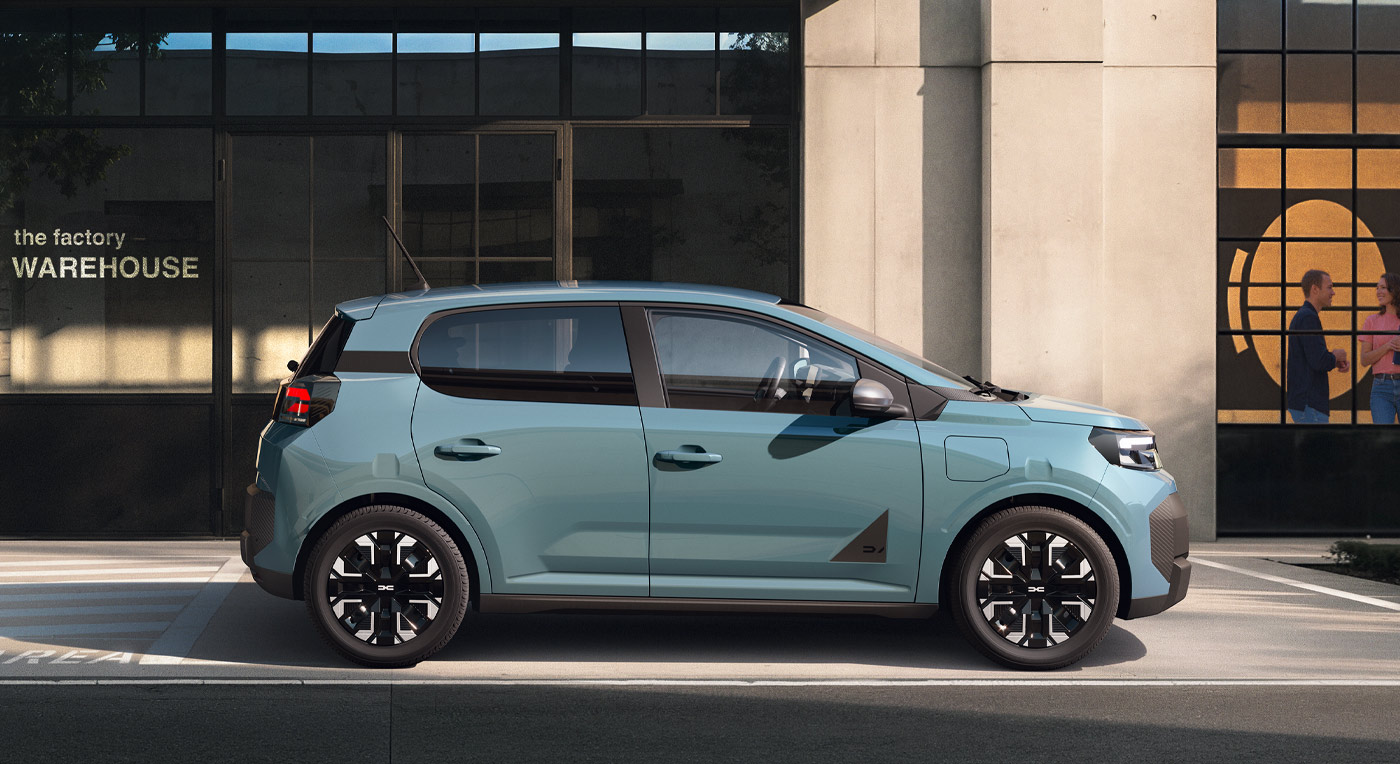
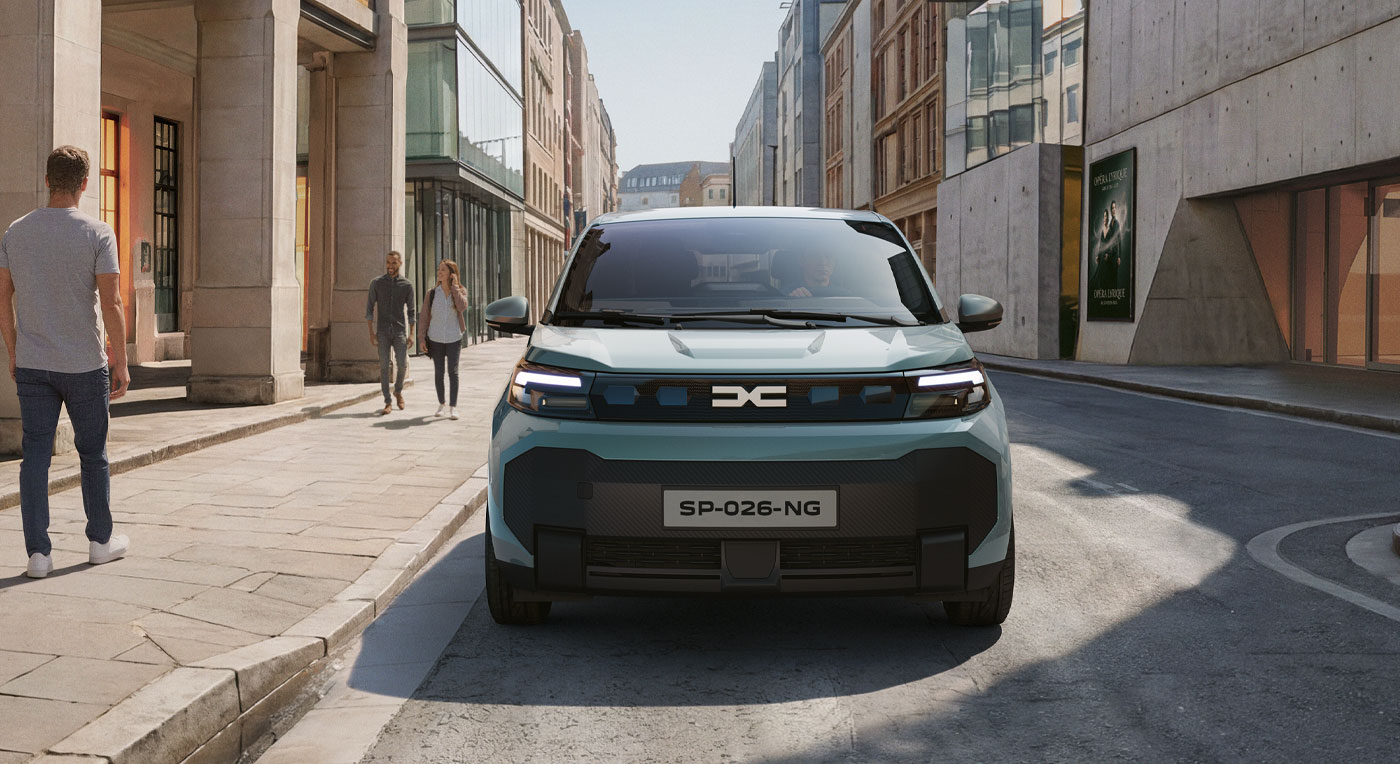
The new Spring measures 3.85 metres long and 1.74 metres wide, making it 15 cm longer and 18 cm wider than its predecessor.
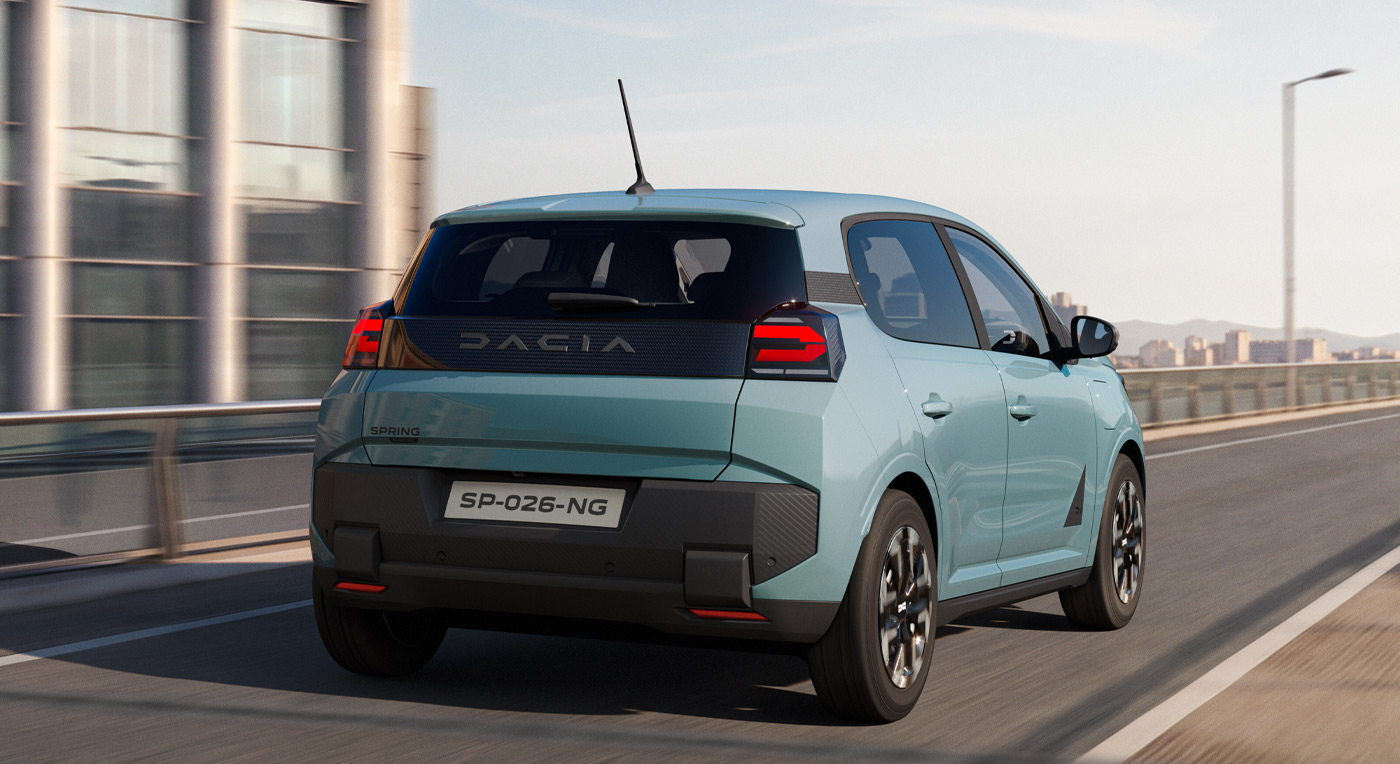
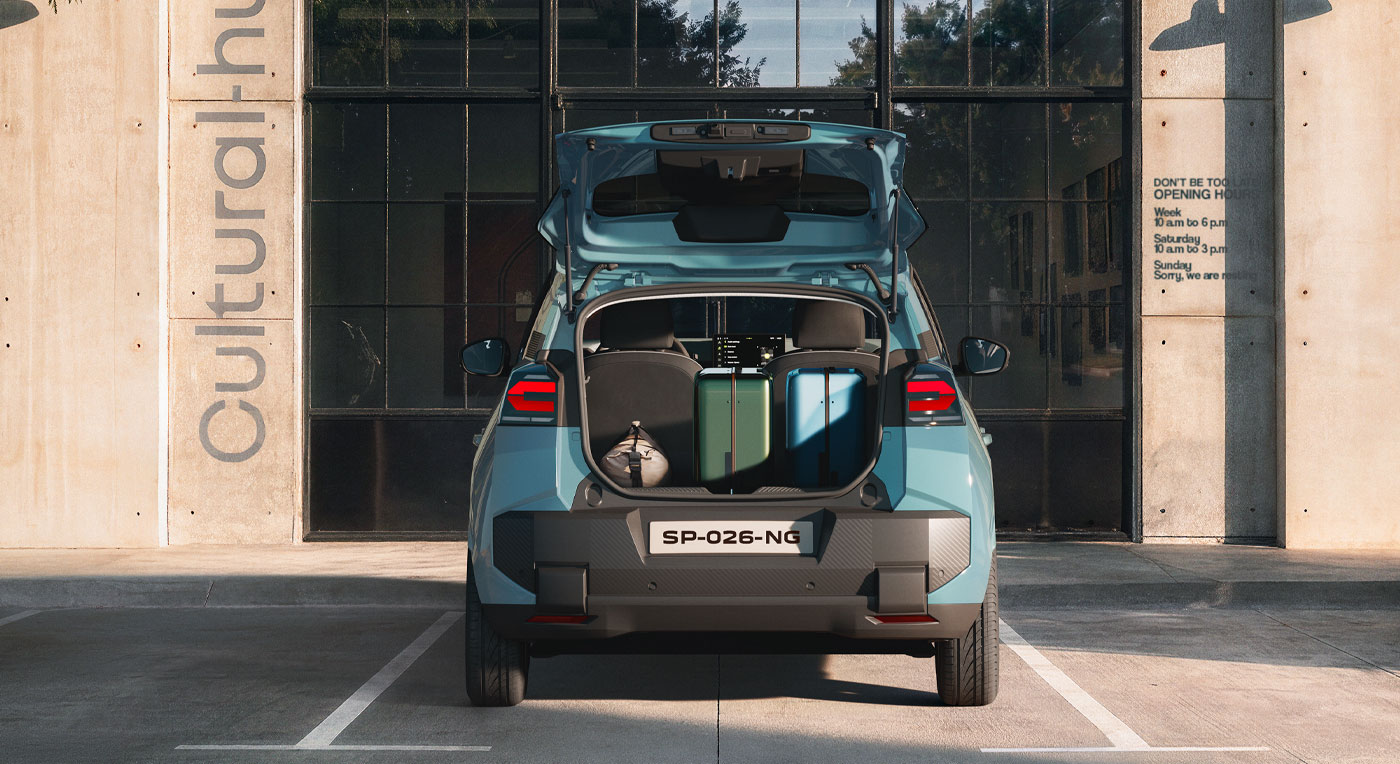
Boot capacity stands at 337 litres, increasing to 1,283 litres with the 50:50 split rear seats folded. An optional 18-litre frunk provides additional storage under the bonnet.
The exterior adopts a more upright, geometric design with pronounced wheel arches, protective bumper panels and black trim strips linking the front and rear lights. Four colours are available: Agave, Schist Grey, Diamond Black and Glacier White.
Depending on trim, the Spring gets 15- or 16-inch wheels and has a 4.95-metre turning radius. Rear parking sensors and an electric parking brake are standard, while Journey models add a reversing camera.
10.1-inch touchscreen and connected features
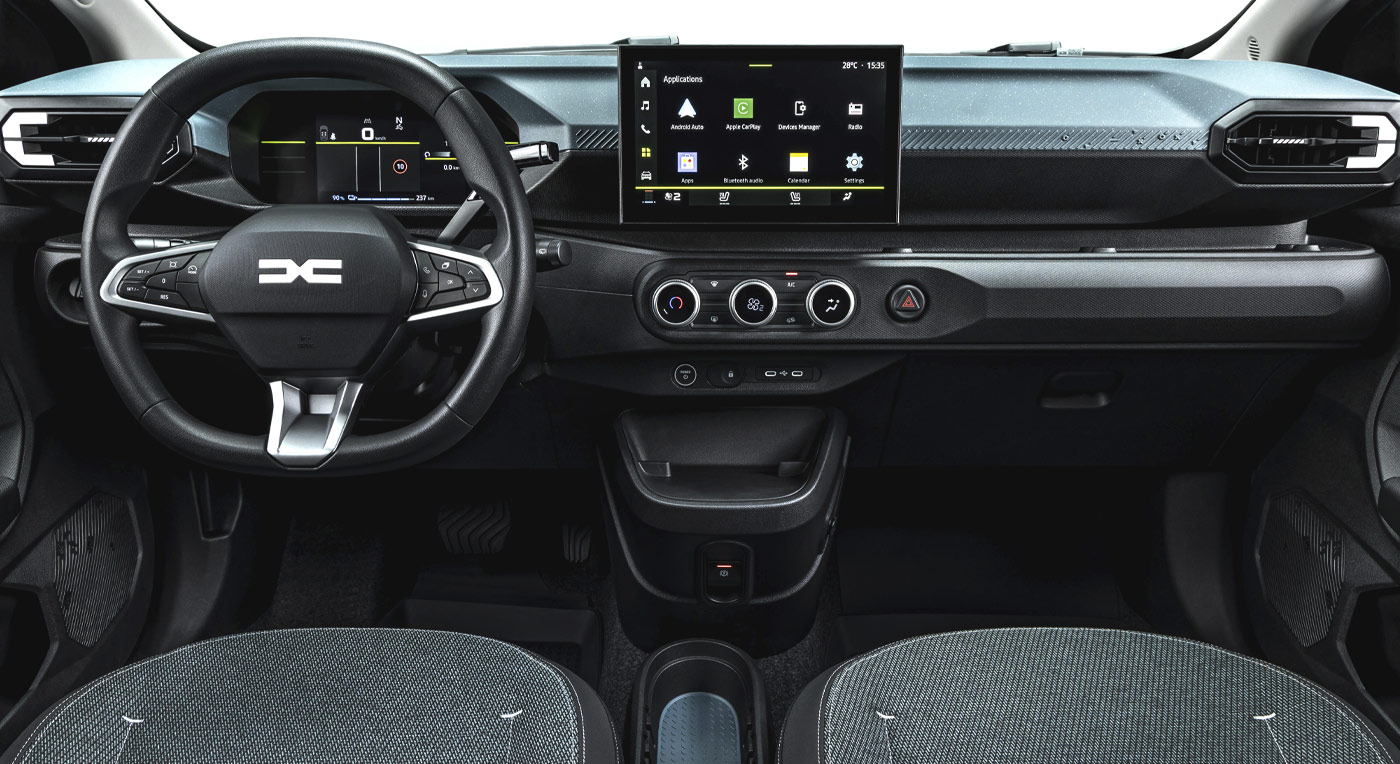
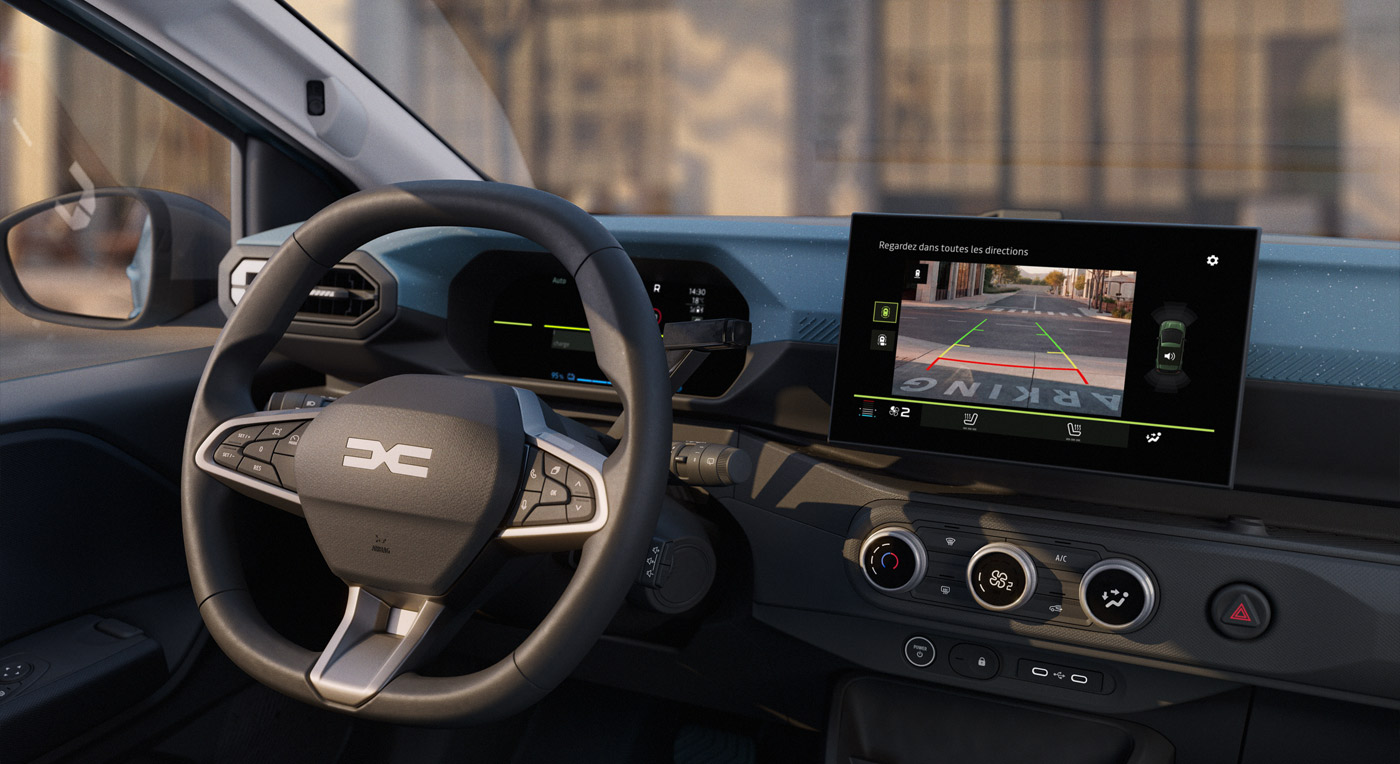
Every Dacia Spring gets a 7-inch digital instrument display.
Expression models use Dacia’s Media Control smartphone-based multimedia system. Journey adds a 10.1-inch Media Nav Live touchscreen, wireless Apple CarPlay and Android Auto, eight years of connected navigation, real-time traffic information, updated European maps, charge scheduling, cabin pre-conditioning and vehicle tracking.
The driver’s seat is height-adjustable, while the steering wheel adjusts for height and reach. Dacia’s My Safety function allows selected driver-assistance settings to be customised more quickly after start-up.
Up to three YouClip mounting points are standard, with two more available as accessories. They can accommodate items including cupholders, bag hooks, cable organisers and a portable torch.
Expression and Journey trims
The Dacia Spring range consists of Expression and Journey trims, both using the same 80 hp / 82 PS motor, 27.5 kWh LFP battery and standard 6.6 kW AC charger.
Expression includes 15-inch steel wheels, air conditioning, automatic headlights, rear parking sensors, electric front windows and mirrors, Media Control, three YouClip points and a 50:50 split-folding rear bench.
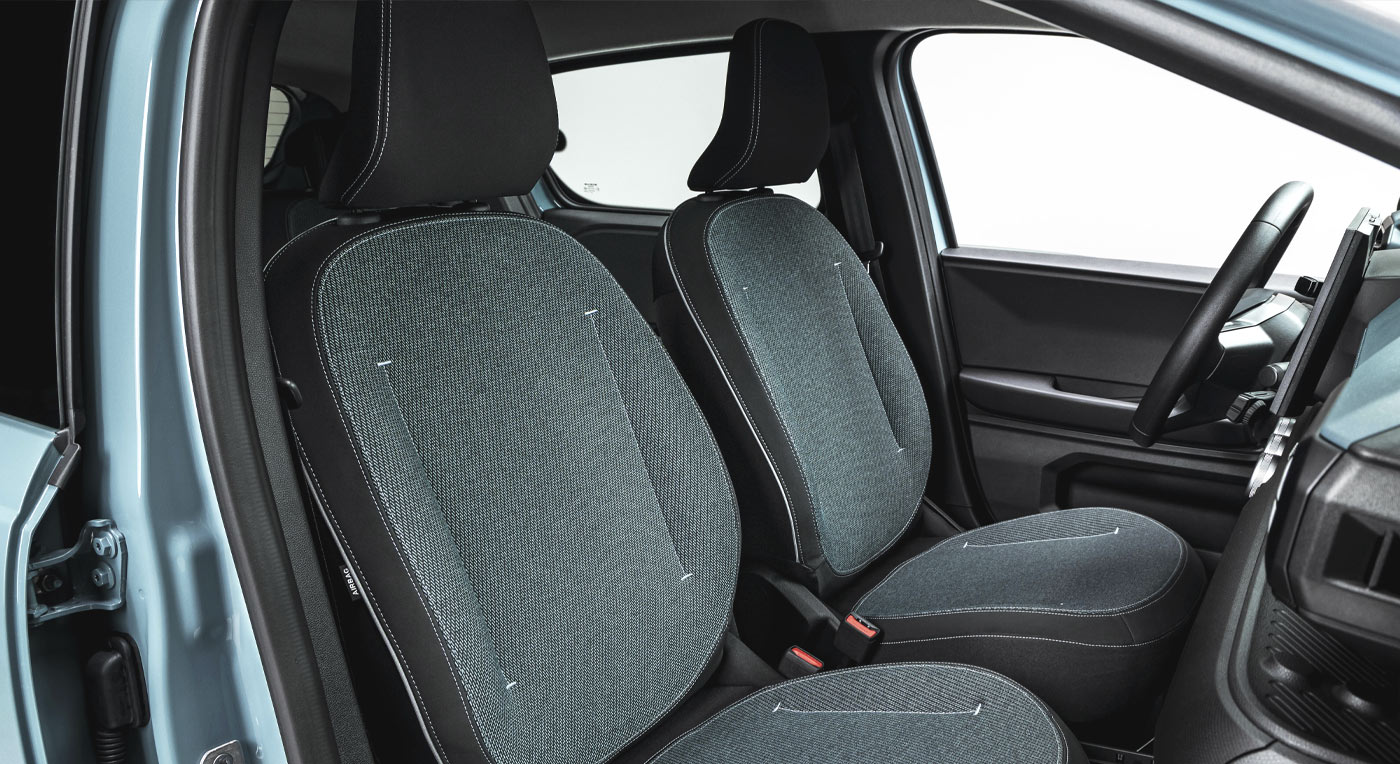
Journey adds 16-inch wheels, hands-free entry, a reversing camera, 10.1-inch Media Nav Live infotainment, connected navigation, additional USB-C connectivity and upgraded upholstery.
New Dacia Spring price below €20,000
Dacia says every version of the new Spring will cost less than €20,000 before government subsidies, equivalent to roughly $23,300 / AED 85,500 at current exchange rates.
As the new Spring is built in Slovenia, Dacia says it will qualify for EV purchase incentives available in several European Union markets.
Dacia also claims the new Spring can reduce its life-cycle carbon footprint by around 60% compared with equivalent combustion-engined vehicles, based on Renault Group methodology and the projected European sales mix for 2027.


Loading comments...