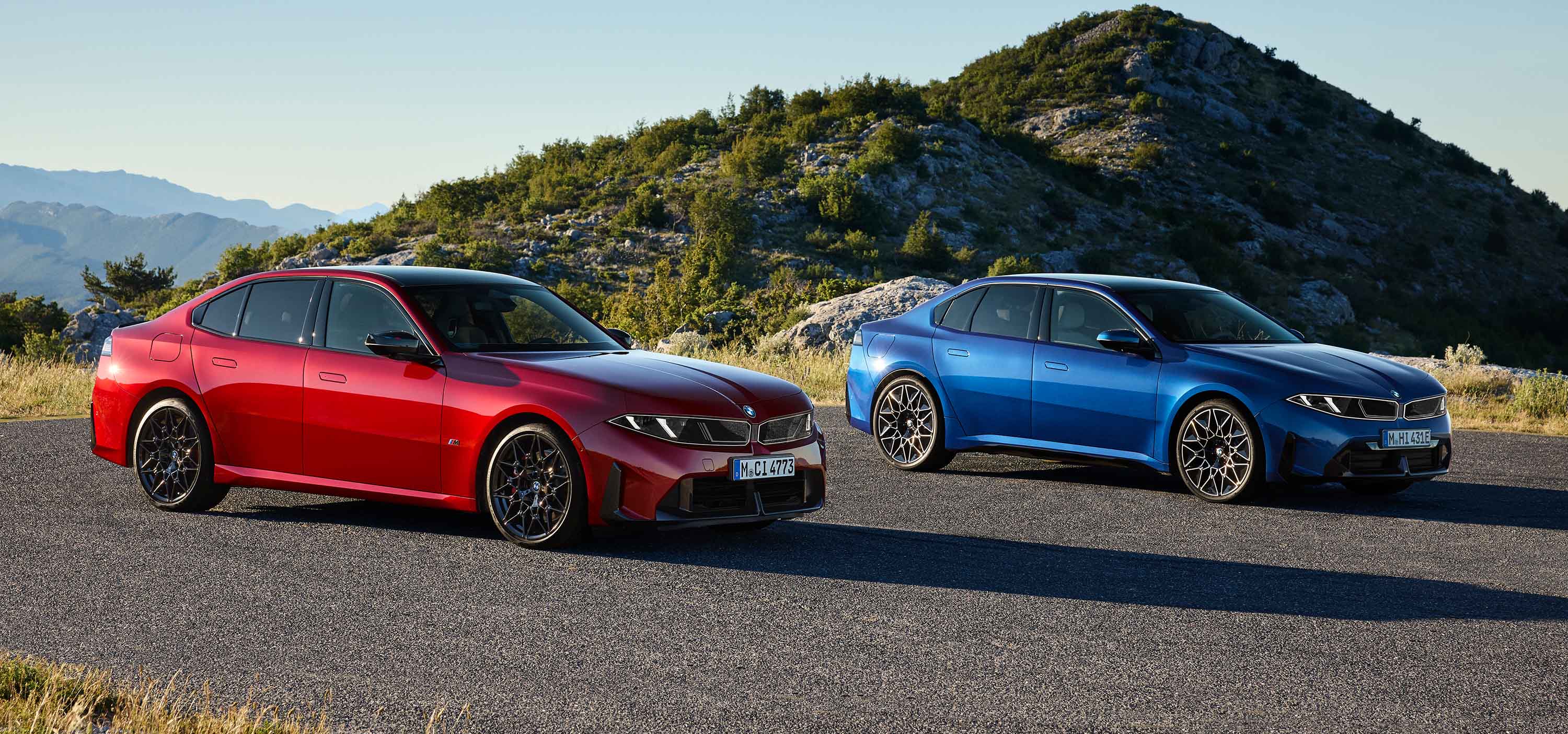
All-new BMW 3 Series enters Neue Klasse era with electric i3
Published Date :
The eighth-generation BMW 3 Series enters the Neue Klasse era with petrol and fully electric powertrains, up to 912 km of WLTP range, 400 kW charging and a 443 hp M350 xDrive, including the new BMW i3 electric model.
German luxury marque BMW has unveiled the eighth-generation 3 Series, marking the start of its Neue Klasse era and introducing the first fully electric 3 Series under the revived BMW i3 nameplate, alongside new 48V mild-hybrid petrol models. The new model brings major changes across design, cabin, chassis and electronics, forming part of BMW’s next-generation electric 3 Series strategy. Two EV variants will be offered at launch, with additional petrol models to follow. A plug-in hybrid version is due within the coming year, while an i3 M60 xDrive M Performance variant arrives in 2027. More than 18 million 3 Series models have been sold worldwide since 1975, making it BMW’s best-selling nameplate to date.
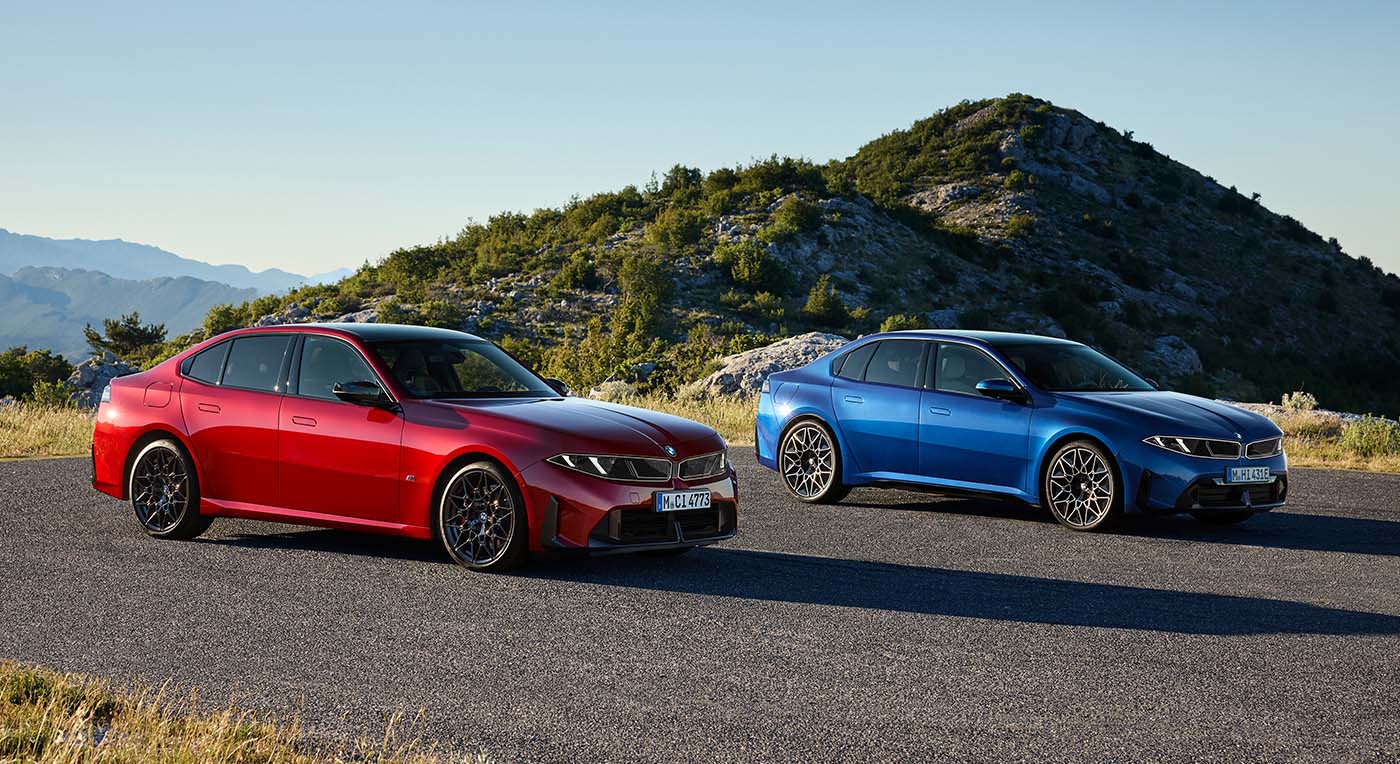
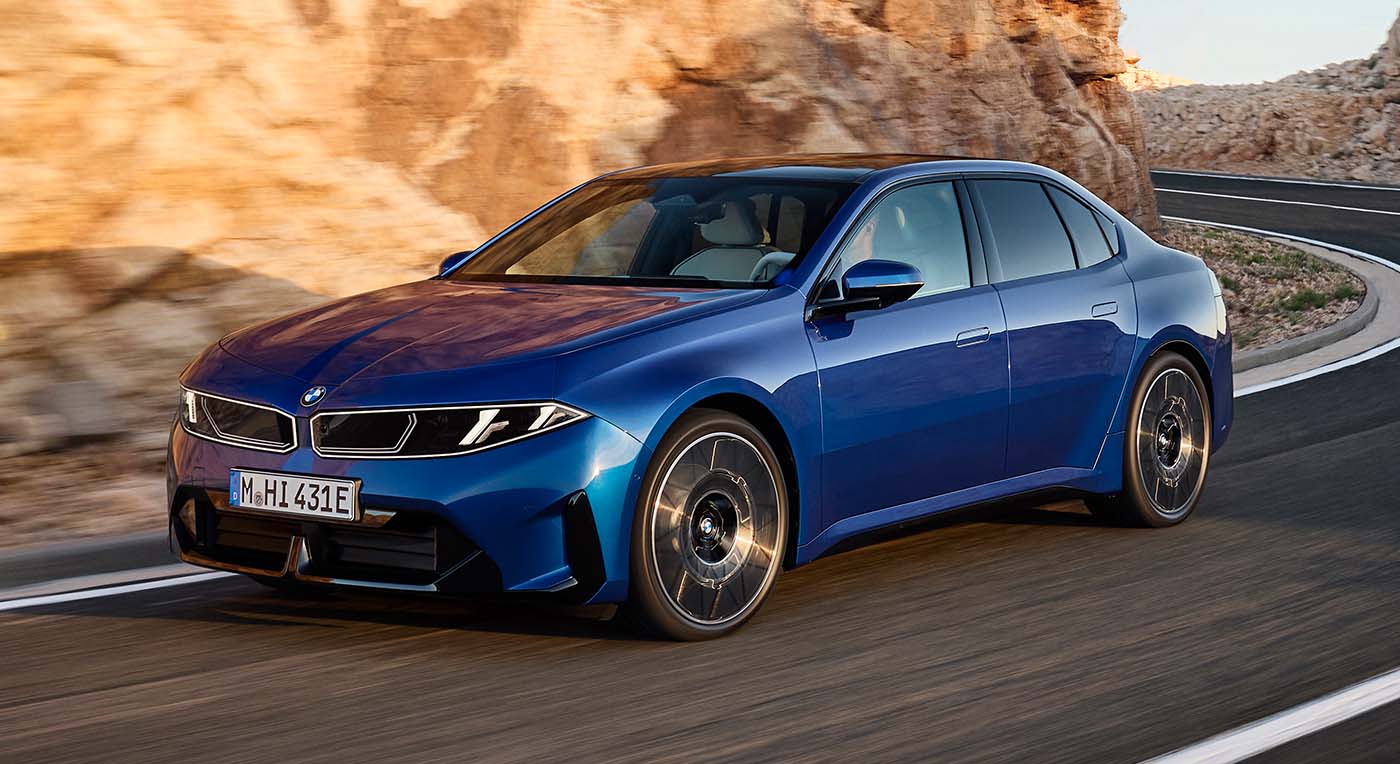
BMW i3 offers up to 912 km of range
The BMW i3 50 xDrive uses two electric motors producing 345 kW (469 hp) and 645 Nm, accelerating from 0–100 km/h in 4.7 seconds. Its 108.7 kWh battery delivers up to 912 km WLTP range, positioning it among the longest-range EVs in its segment.
Its 800V Neue Klasse architecture supports up to 400 kW DC fast charging, with BMW claiming up to 423 km of range can be added in 10 minutes under optimal conditions. 11 kW AC charging is standard, with 22 kW optional, alongside bidirectional charging capability.
The i3 40 xDrive produces 275 kW (374 hp) and 520 Nm, reaching 100 km/h in 5.4 seconds. It combines an 82.8 kWh battery with up to 710 km WLTP range and 300 kW DC charging.
The upcoming i3 M60 xDrive (2027) will feature BMW M eDrive technology, Heart of Joy system and M Dynamic Performance Control, with configurable drive characteristics via steering-wheel paddles. Output figures are yet to be confirmed.
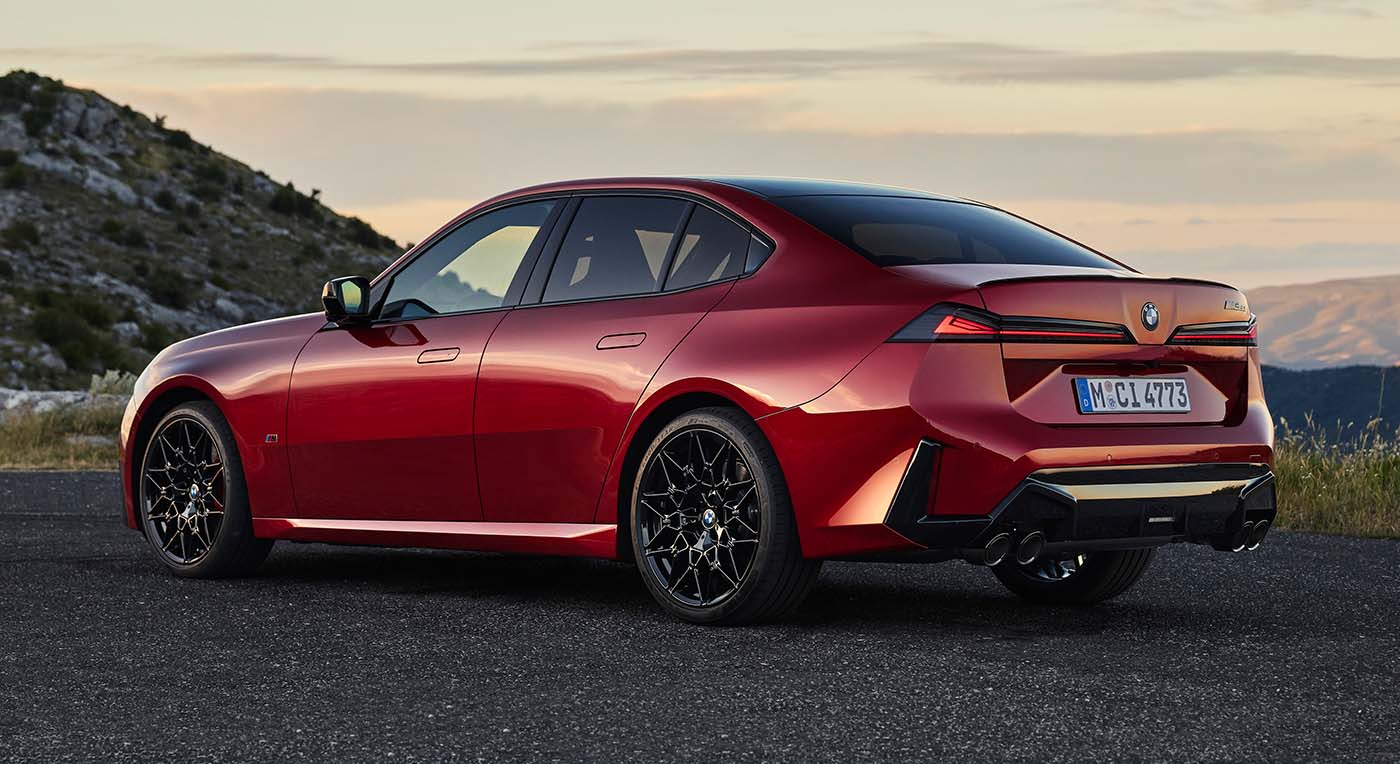
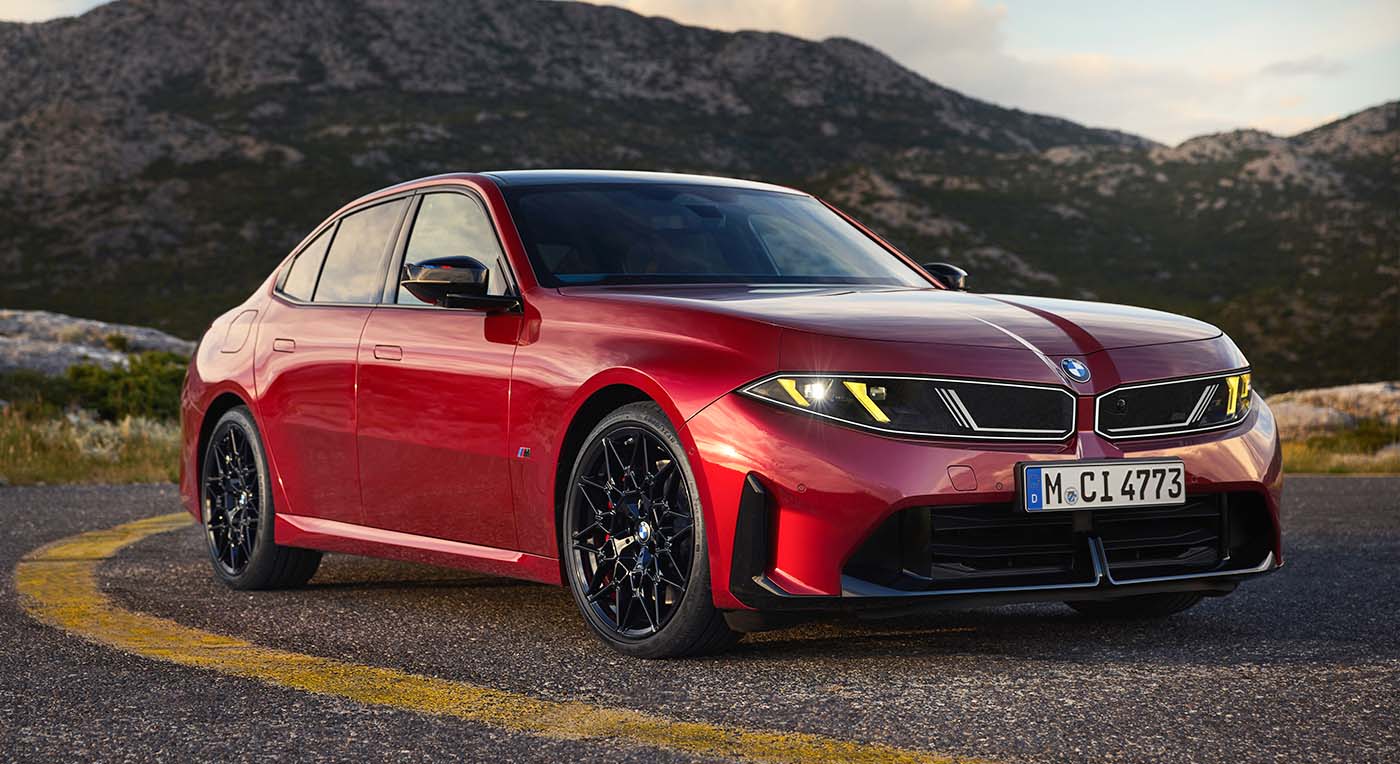
M350 xDrive gets 443 hp straight-six
The combustion range is headed by the BMW M350 xDrive, combining a 3.0-litre turbocharged inline-six, 48V mild-hybrid technology, eight-speed Steptronic transmission and xDrive. It produces 443 hp and 580 Nm, reaching 100 km/h in 4.1 seconds and a limited 250 km/h.
The global line-up also includes four-cylinder petrol models such as the BMW 320, producing 211 hp and 330 Nm, and BMW 318, developing 156 hp and 250 Nm. Both use 2.0-litre engines with 48V mild-hybrid assistance and eight-speed transmissions. Specifications and availability will vary by market.
The M350 will also gain Drift Moment during 2027, allowing drive to be sent entirely to the rear wheels with DSC switched off. The feature can also be added to previously delivered cars via a software update.
Combustion models get a substantially revised chassis with wider tracks, a longer wheelbase, revised steering and braking, updated front and five-link rear axles, stiffer chassis mounts and new lift-related dampers. Adaptive suspension and adaptive M suspension are optional.
New design and larger dimensions
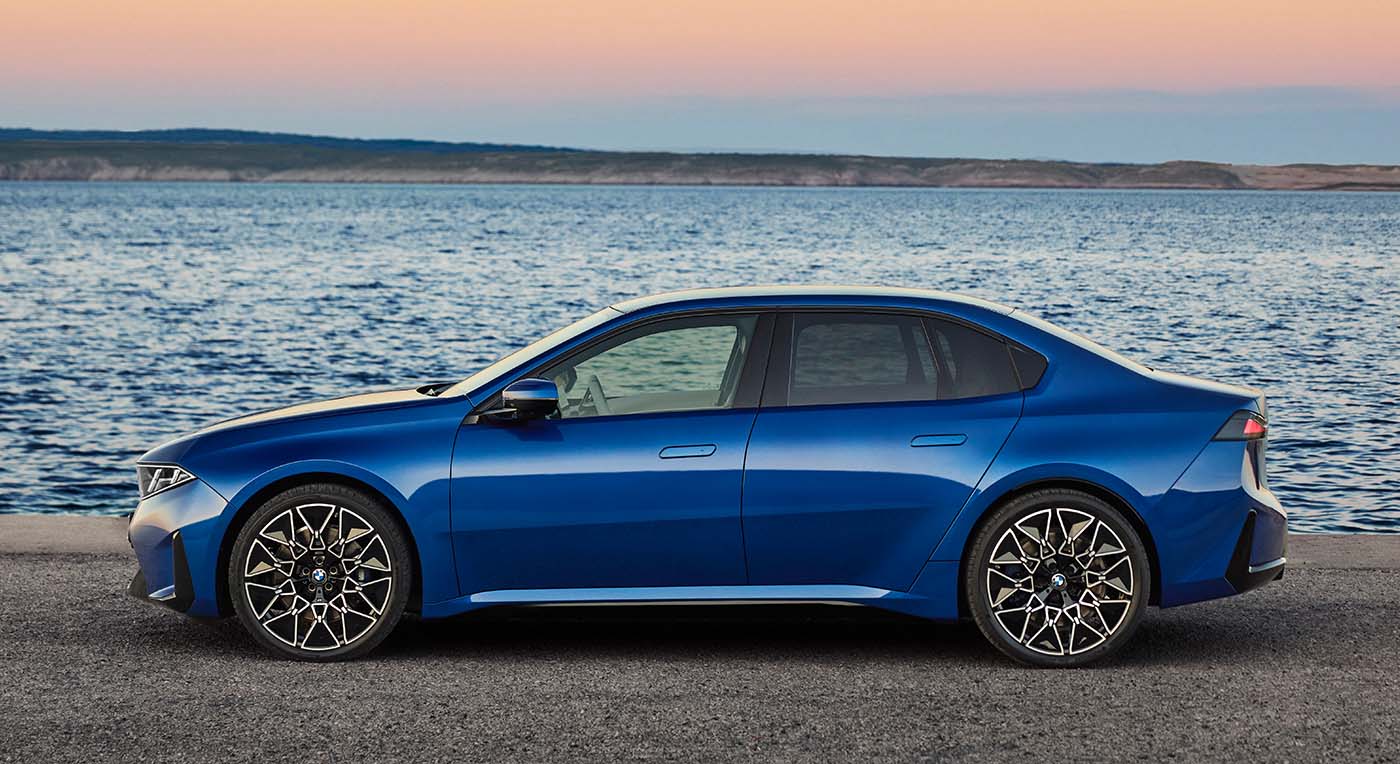
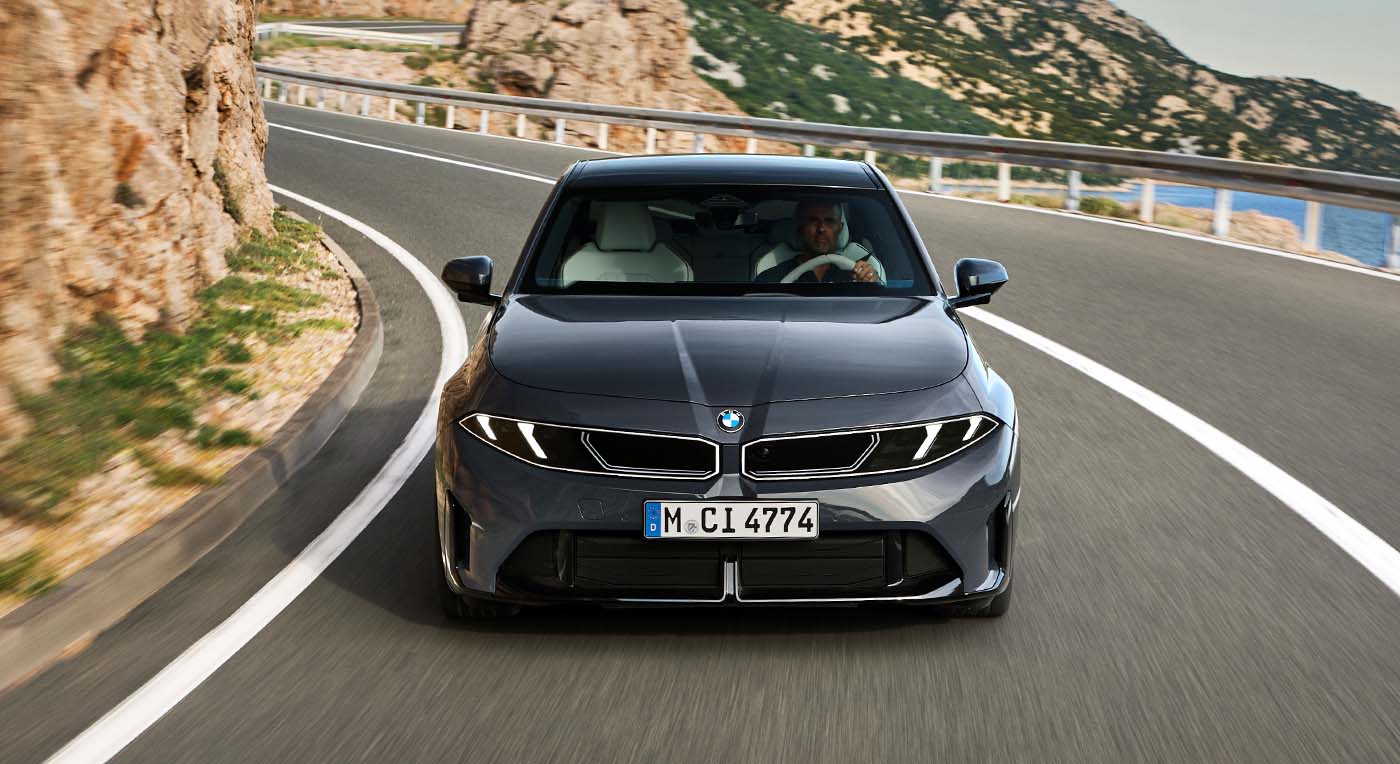
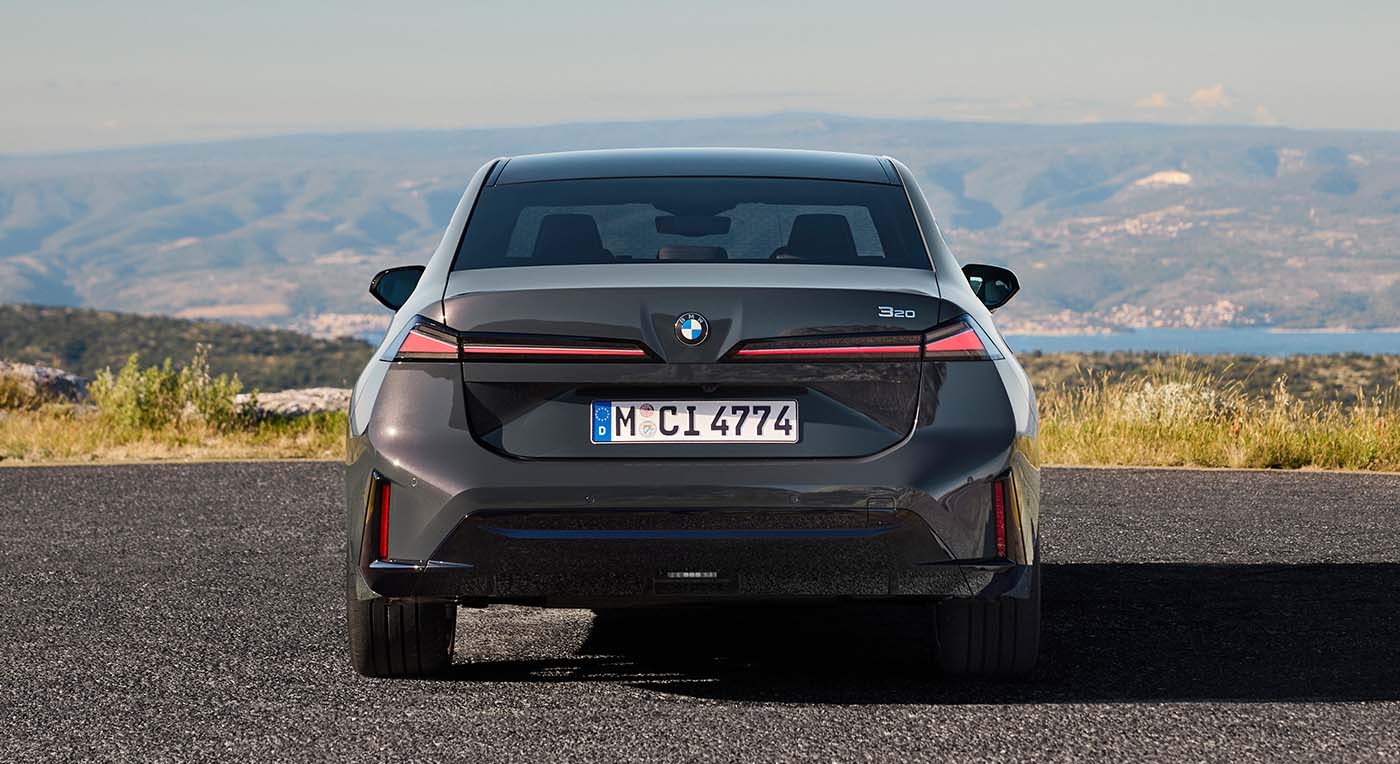
Electric and combustion versions share BMW’s new Neue Klasse design language, featuring a 2.5-box silhouette, short overhangs, flush door handles and a reinterpreted kidney grille with twin-headlight styling. M Performance models add distinctive M Yellow light signatures.
The BMW i3 measures 4,760 mm in length, 1,865 mm in width and 1,480 mm in height, with a 2,897 mm wheelbase. Combustion models measure 4,765 mm long, 1,850 mm wide and 1,455 mm high, with a 2,860 mm wheelbase.
Panoramic iDrive and 17.9-inch display
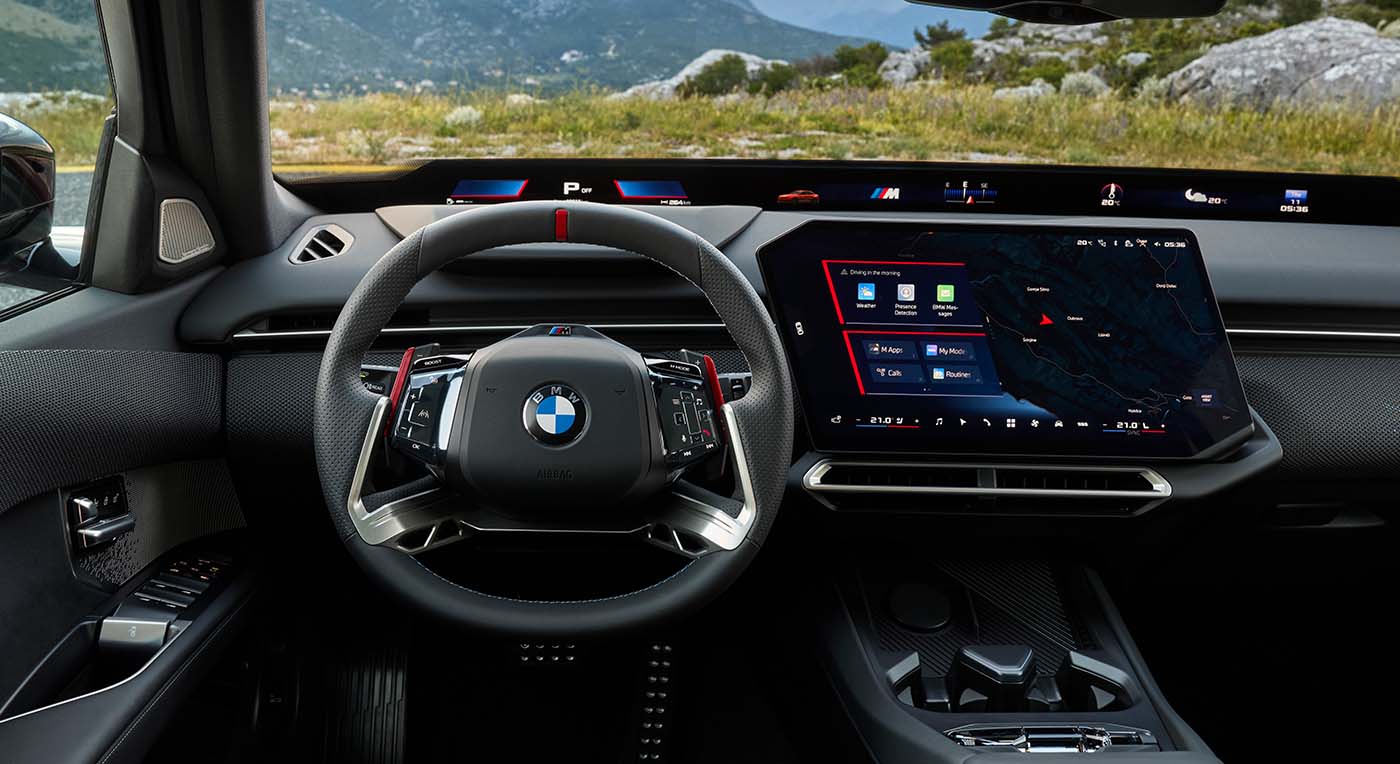
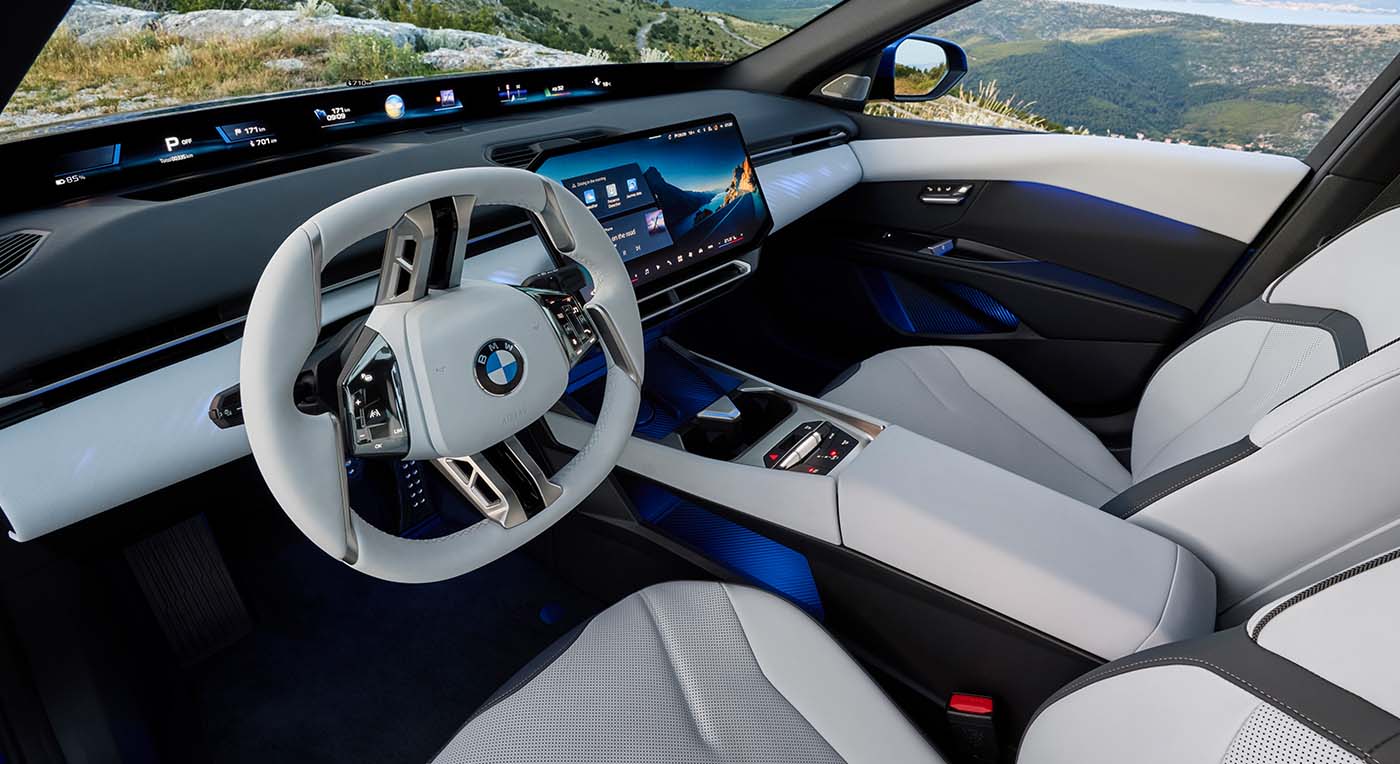
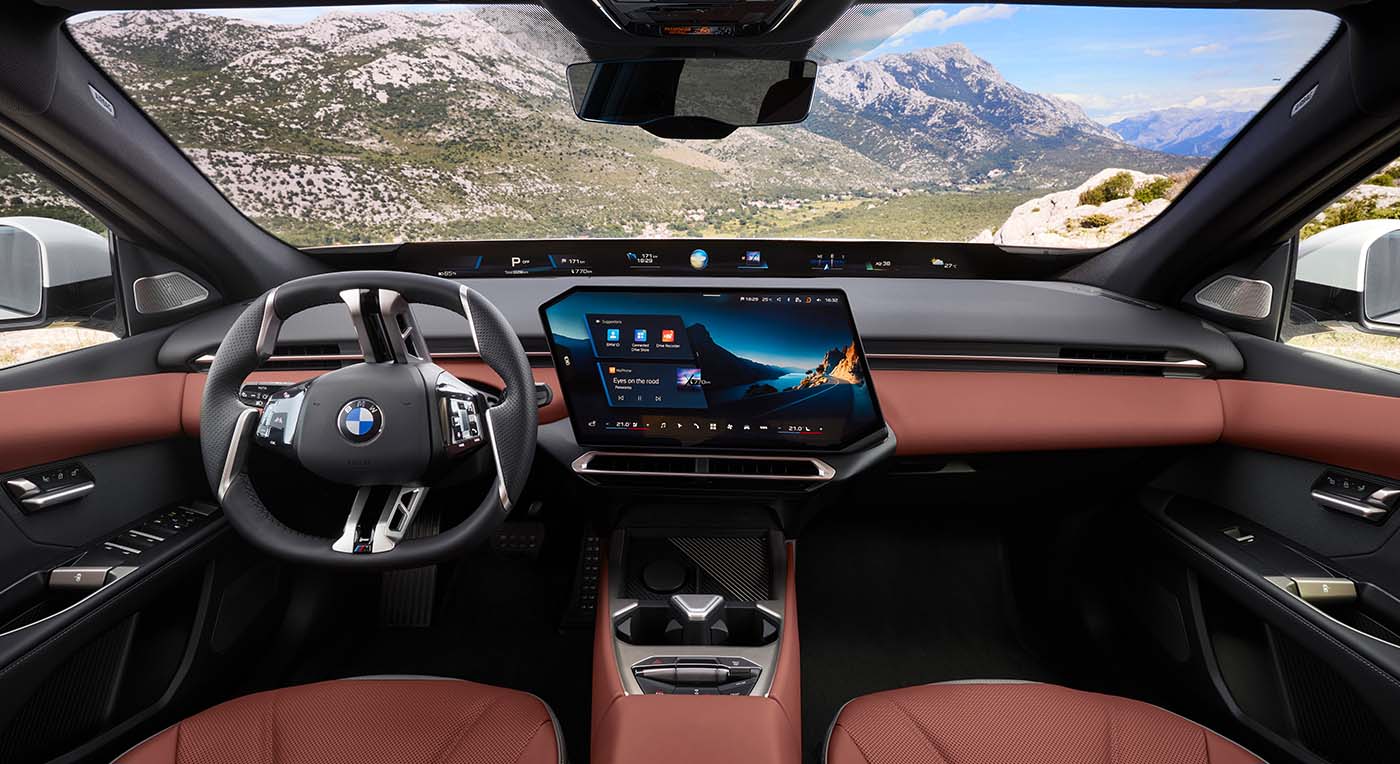
The cabin introduces BMW Panoramic iDrive with Operating System X, combining a panoramic windscreen display, optional 3D head-up display and a 17.9-inch central touchscreen, eliminating the traditional instrument cluster.
Wireless Apple CarPlay and Android Auto are standard, while BMW’s Intelligent Personal Assistant integrates Amazon Alexa+ AI features.
Other available features include a panoramic glass roof, electrically adjustable seats and Harman Kardon audio. Boot capacity stands at 450 litres for combustion models and 420 litres for the i3, plus a 31-litre front storage compartment for the EV.
New electronics and Level 2 assistance
The i3 uses four high-performance “superbrain” computers controlling driving dynamics, automated driving and parking, infotainment, and comfort functions, providing around 20 times more processing power than the previous architecture.
Its Heart of Joy integrates drive, braking, steering, charging and recuperation controls and operates up to 10 times faster than previous systems. Software Updates can also add functions, performance enhancements and AI-based features after purchase.
The new 3 Series offers expanded SAE Level 2 driver assistance, including an optional Motorway Assistant supporting hands-free driving in selected markets, while navigation-guided partially automated urban driving will begin rolling out from 2027.
Parking technology includes AI-supported space detection and a Manoeuvre Assistant capable of recording and repeating manoeuvres of up to 200 metres.
Production in Germany
The BMW i3 will be built in Munich, where the original 3 Series entered production in 1975, while combustion-powered models will be manufactured in Dingolfing. The i3's electric motors come from Steyr in Austria, with high-voltage batteries supplied by BMW's new Irlbach-Straßkirchen plant.
BMW says the specifications announced at launch are provisional and primarily refer to the German market, meaning equipment and specifications may vary elsewhere.


Loading comments...