Scottish traffic cone gets VIP Boston welcome after WC 2026
Published Date :
A commemorative traffic cone flew first class from Glasgow and received an official welcome after becoming an unlikely symbol of Scottish fan culture during the FIFA World Cup 2026.
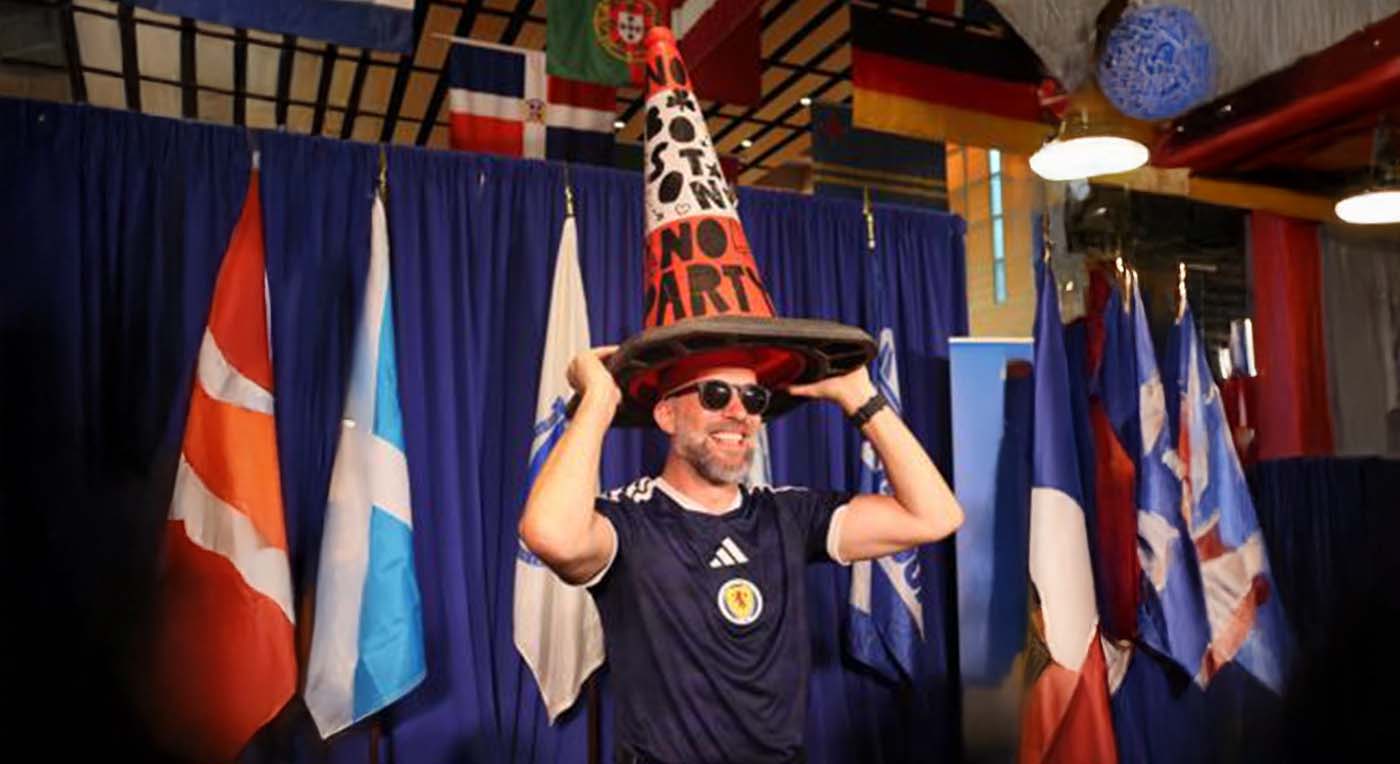
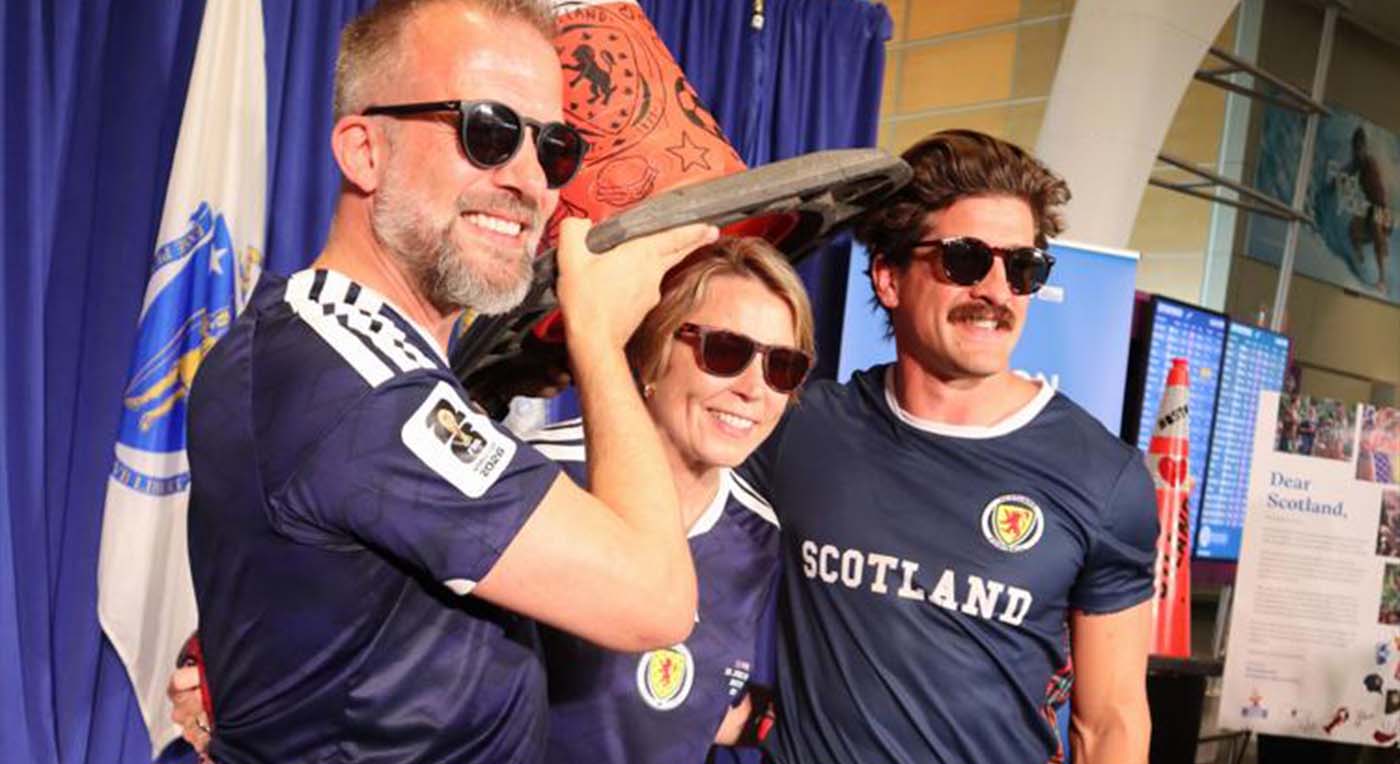
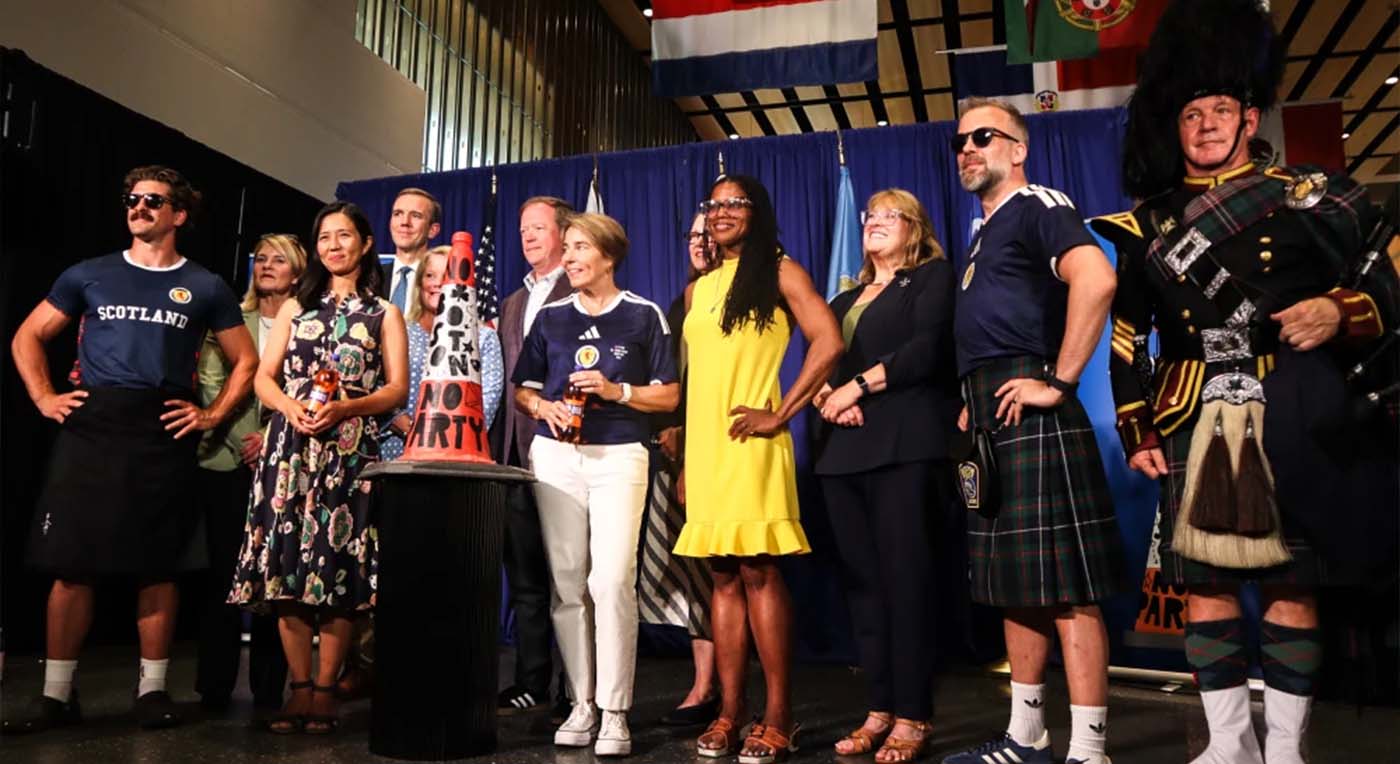
An orange traffic cone received a dignitary-style welcome at Boston Logan International Airport after arriving on a first-class flight from Glasgow. A bagpiper in full Scottish regalia greeted the cone, while Massachusetts Governor Maura Healey, Boston Mayor Michelle Wu, diplomats and Scottish football supporters attended the ceremony. Healey signed the cone and joked that it was her first official welcome for such an unusual visitor. Known as the “Boston Cone”, it became a symbol of the friendship formed between the city and Scotland’s Tartan Army during the 2026 FIFA World Cup.
Scottish supporters leave their mark
During Scotland’s World Cup visit, supporters filled parts of Boston with bagpipes, songs and chants, prompting Wu to joke that the city had unofficially become “New Scotland”.
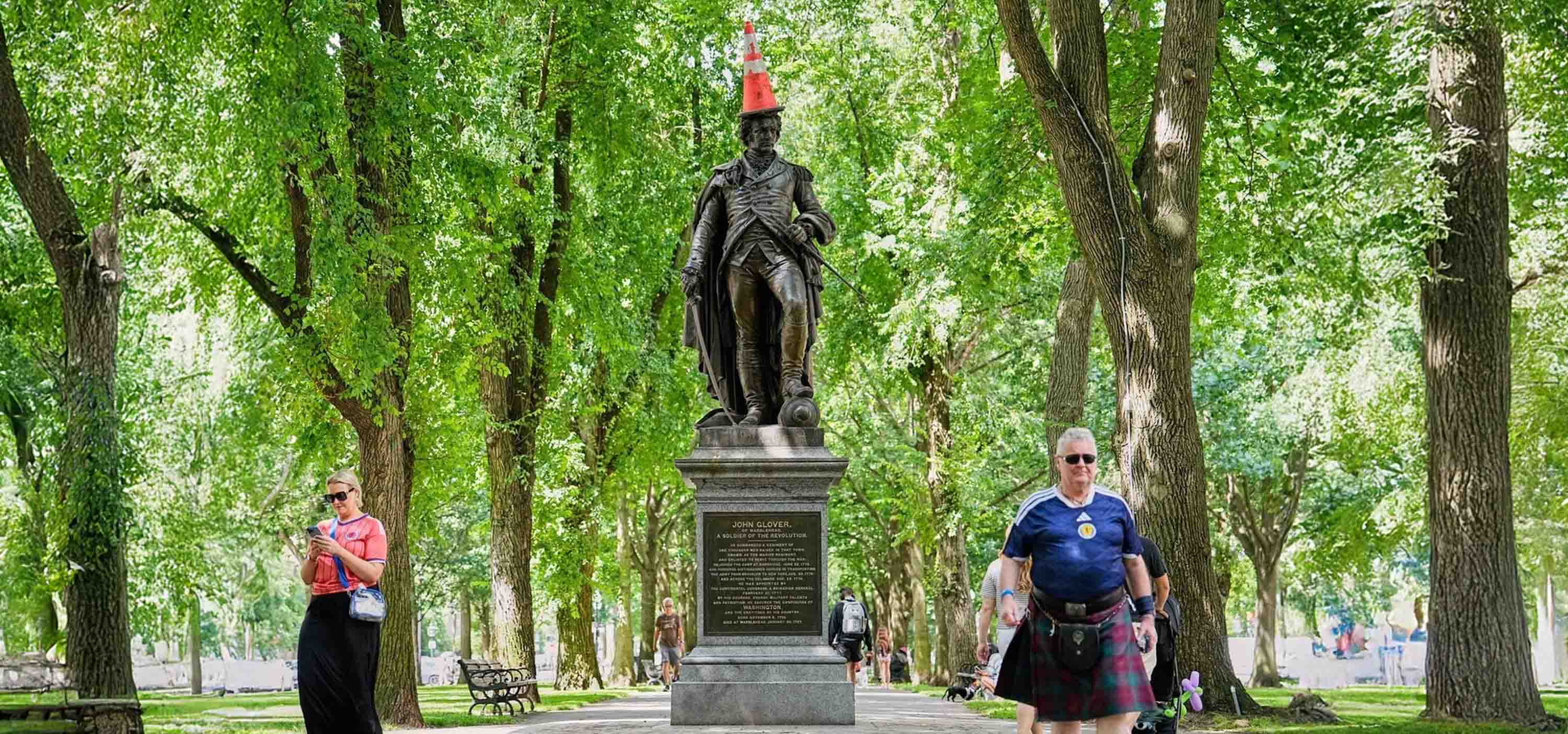
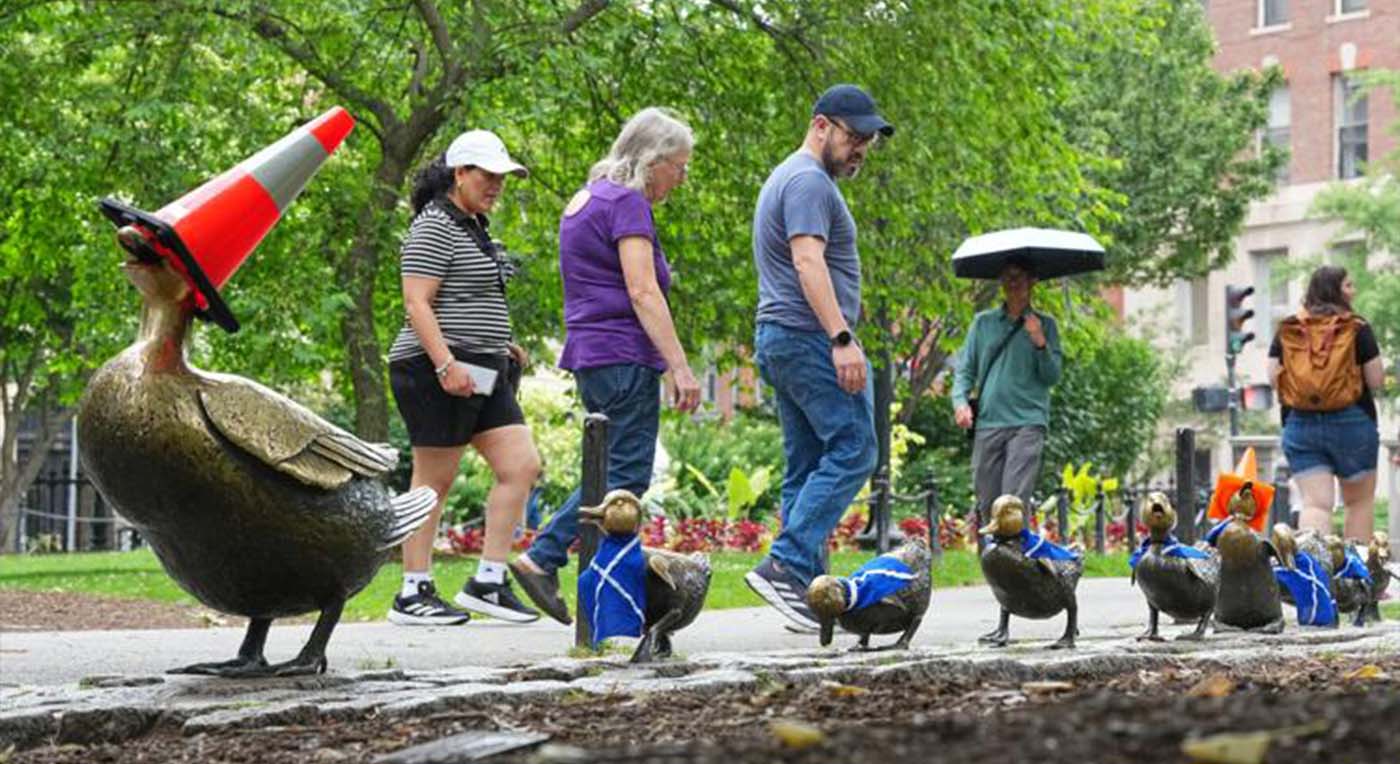
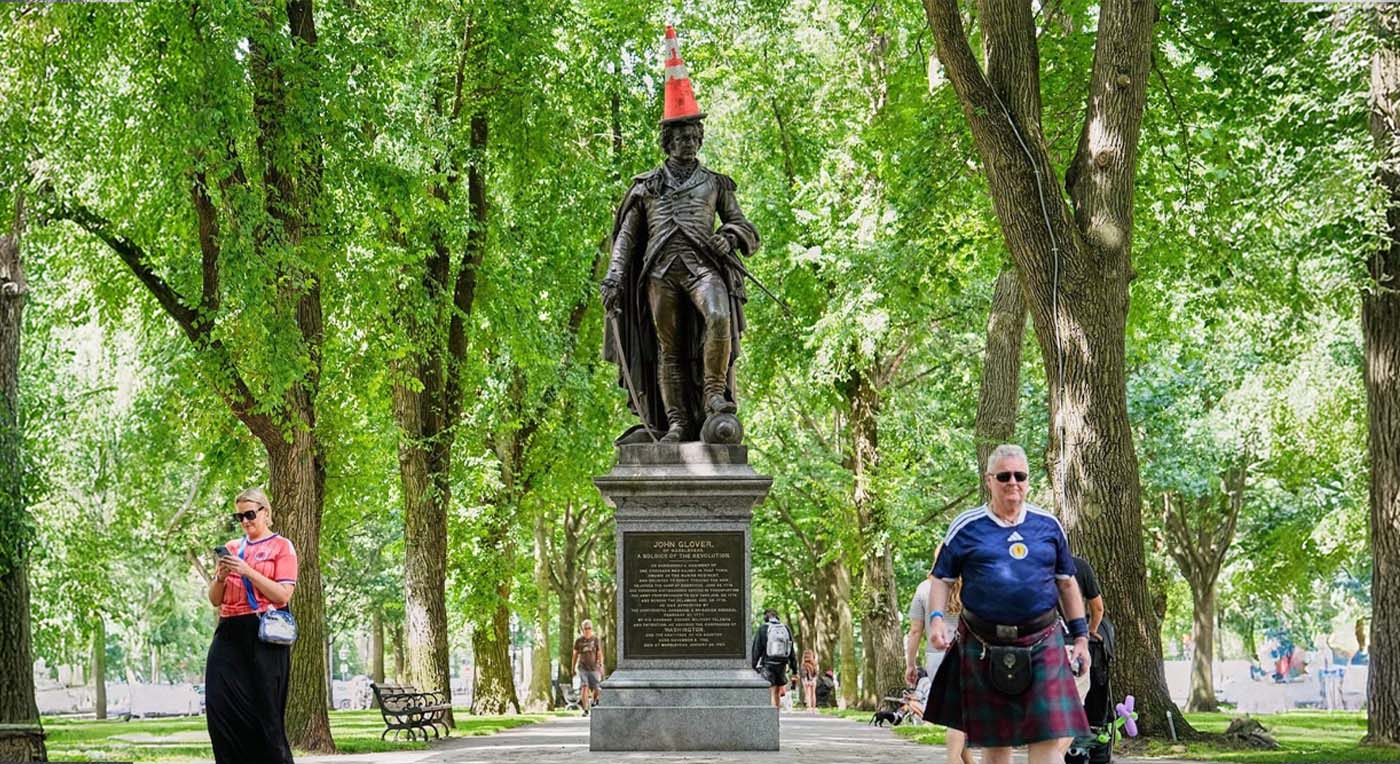
Fans also continued a well-known Scottish tradition by placing traffic cones on statues and landmarks. Targets included statues of Samuel Adams, basketball coach Red Auerbach and former Boston mayor Kevin White, as well as the Make Way for Ducklings sculptures in the Public Garden.
The visitors also made a significant impression on local bars, some of which ran out of beer and had to arrange emergency deliveries. Healey joked that Massachusetts would make sure it did not run out again when the Scottish fans returned.
Cone to raise money for charity
The commemorative cone is decorated with illustrations celebrating Scotland and Boston and carries the slogan “No Boston, No Party”.
It will spend a week visiting landmarks across Massachusetts to raise money for mental health charities before returning to Scotland.
Scottish fans Andrew Dobbie and Danny Campbell attended the airport ceremony, with Campbell identified as one of the cone’s escorts.
Campbell said the cone had grown beyond a joke to represent the humour, friendships and happiness created by Scotland’s supporters. He praised the fans for spreading joy, forming relationships and cleaning up after themselves during their stay.
Tradition began in Glasgow
The practice of placing traffic cones on statues dates back to Glasgow in the 1980s, when it began as a late-night prank before developing into an unofficial expression of Scotland’s irreverent humour.
The most famous example is the Duke of Wellington statue in Glasgow city centre, which is regularly crowned with an orange cone. Attempts to prevent or remove the decoration have faced public opposition because of its status as a local cultural symbol.
The Boston Cone has now carried that tradition across the Atlantic, becoming one of the more unusual symbols of the FIFA World Cup 2026 and a reminder of how major sporting events can create lasting cultural connections beyond the pitch.
Source: Associated Press



Loading comments...