Nissan and Honda to jointly develop software for future SDVs
Published Date :
The two Japanese carmakers will standardise key ECUs, in-vehicle operating systems and software for next-generation software-defined vehicles, with deployment planned from fiscal 2029
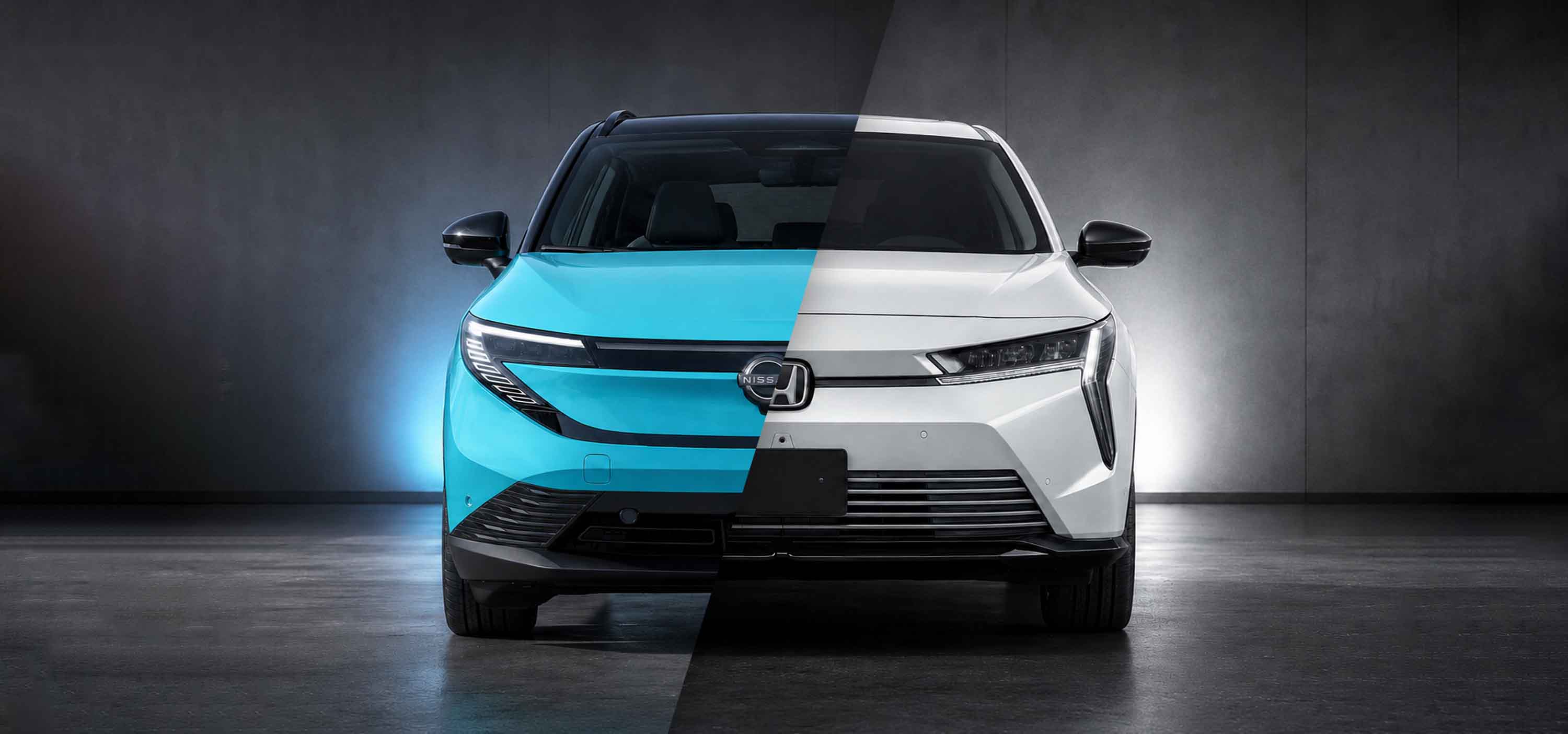
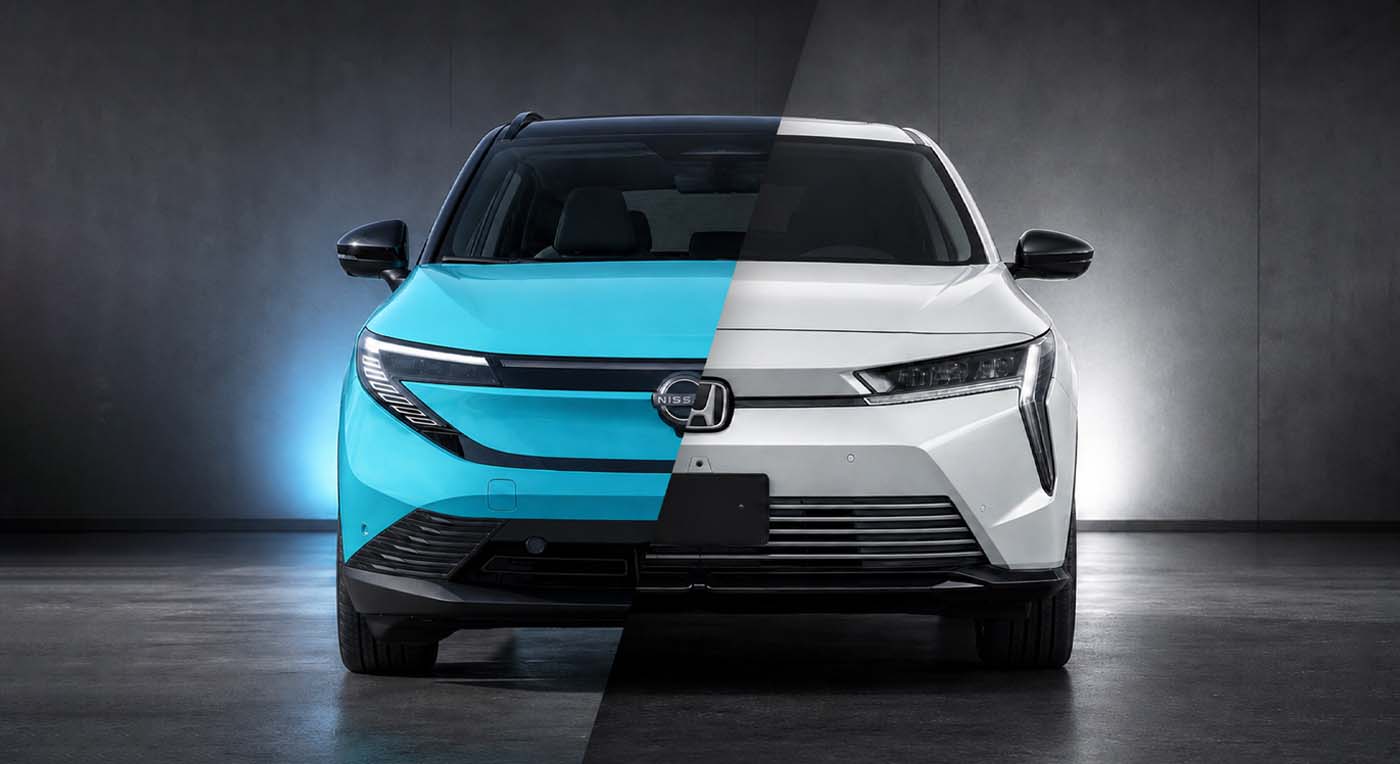
Nissan and Honda have signed a joint development agreement to standardise electronic control units and software for their next-generation software-defined vehicles (SDVs). The agreement covers multiple core electronic control units (ECUs) that form the foundation of future SDVs, along with the in-vehicle operating system, key parts of the middleware and vehicle control software running on those ECUs. The resulting electrical and electronic (E/E) architecture is planned for use in next-generation vehicles from both Nissan and Honda from fiscal year 2029 onwards.
Why Nissan and Honda are working together
The agreement forms part of the wider strategic partnership between the two companies.
Nissan and Honda say they are continuing to explore collaboration in several areas as they work towards carbon neutrality and a future with zero traffic fatalities involving their vehicles.
Software has been identified as a particularly important area because SDVs are increasingly central to both vehicle intelligence and electrification.
The companies said the rapid pace of technological development has increased the need to improve R&D speed, investment efficiency and overall competitiveness.
Following studies into possible cooperation in the software domain, Nissan and Honda agreed to jointly develop and standardise the core ECUs and software that will underpin their next-generation SDVs.
Common specifications for key vehicle systems
Under the agreement, Nissan and Honda will establish common specifications for multiple core ECUs within their future E/E architectures.
The collaboration will also cover the in-vehicle operating system, important parts of the middleware and vehicle control software associated with those electronic systems.
The ECUs covered by the agreement include high-performance main ECUs using systems-on-chip (SoCs), as well as zone ECUs responsible for individual areas of the vehicle.
Lower costs and faster development
By standardising these core technologies, Nissan and Honda aim to combine their engineering expertise and development resources.
The companies expect the approach to improve development efficiency, accelerate innovation and strengthen competitiveness, while reducing development costs and creating greater economies of scale.
Nissan and Honda said they will continue to build on their respective strengths, explore opportunities to create new value and deepen their collaboration with the aim of delivering benefits for customers and society.





Loading comments...