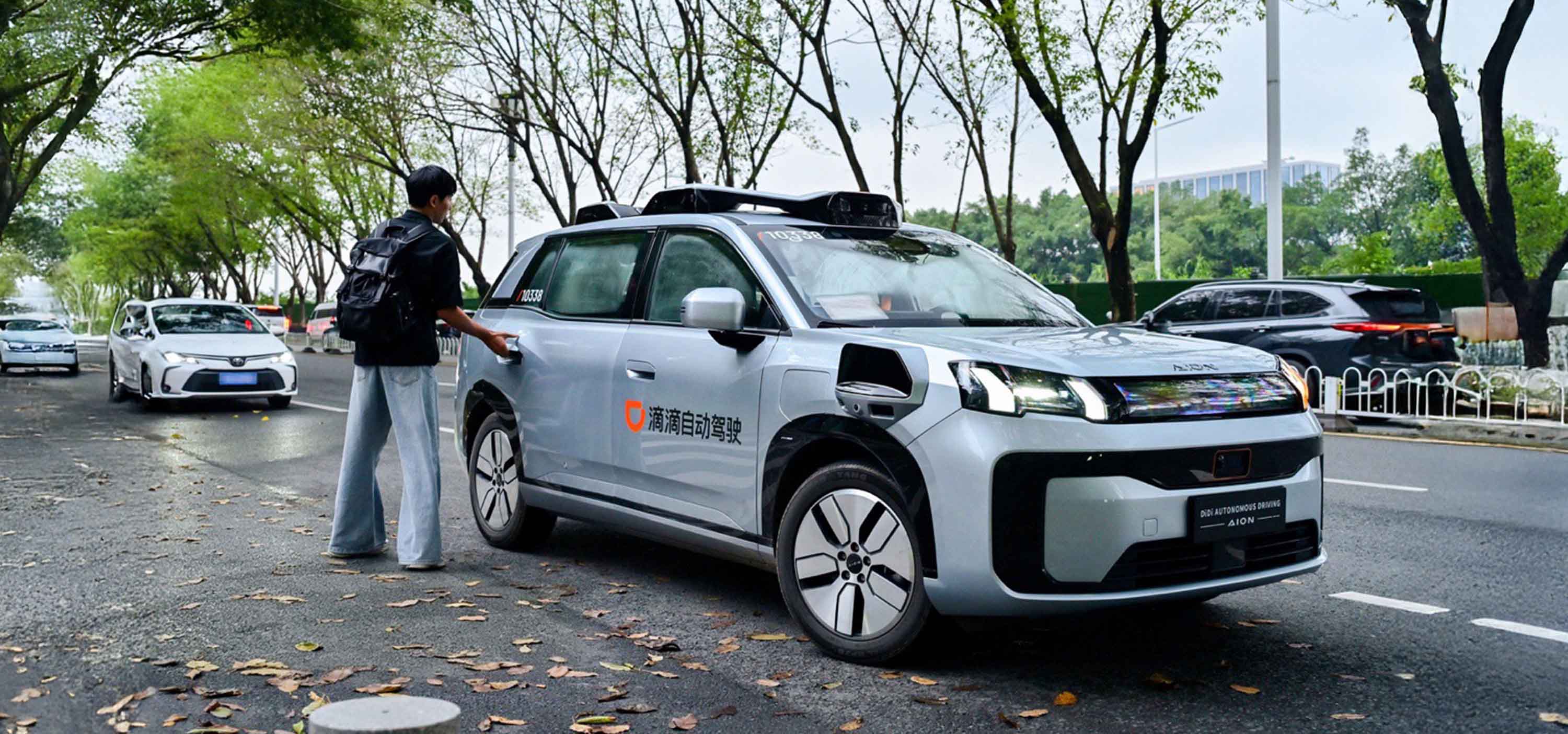
DiDi R2 driverless taxi trials begin ahead of UAE testing
Published Date :
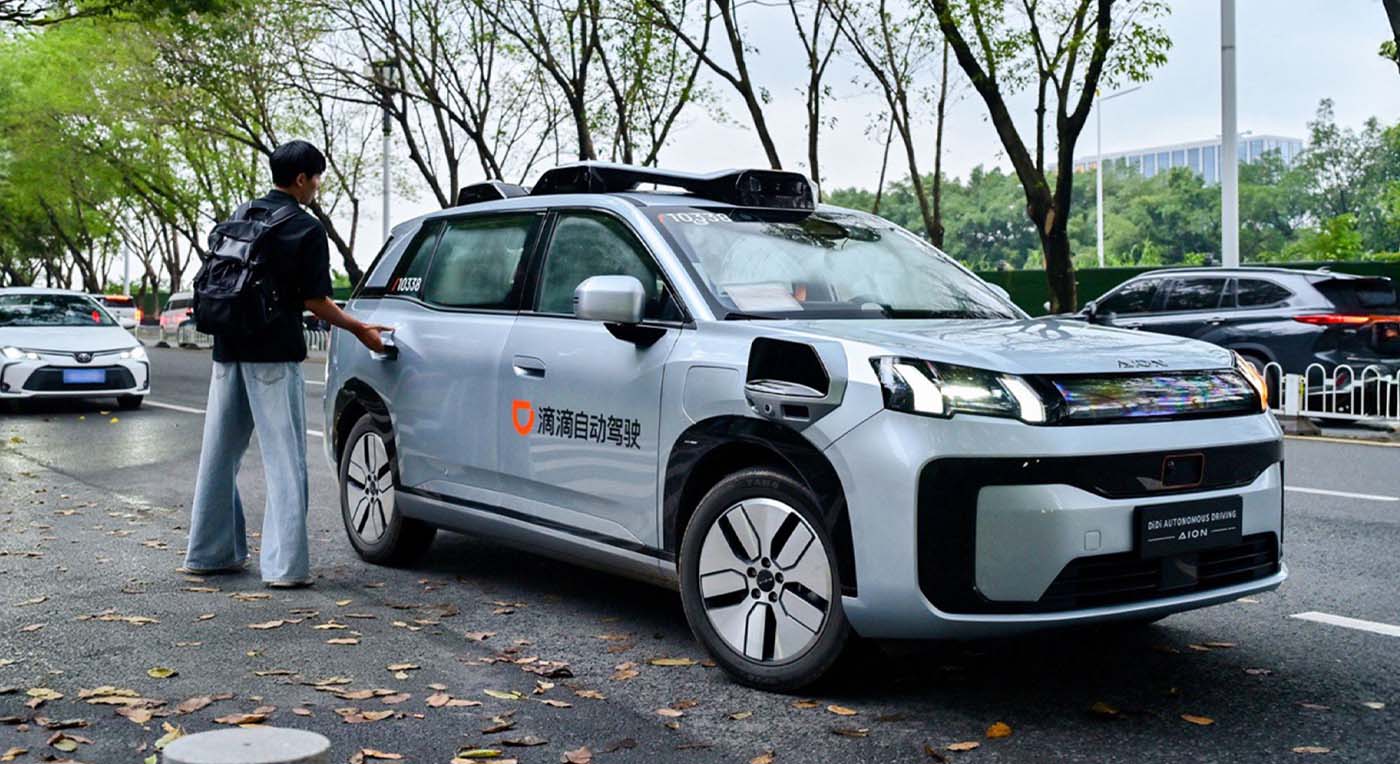
This next-generation R2 Robotaxi has entered fully driverless passenger-service trials in China, bringing the Level 4 vehicle closer to planned testing in the UAE, its first international market
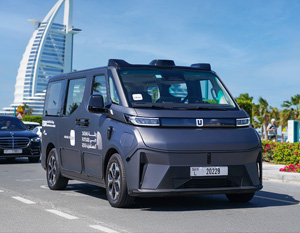
DiDi Autonomous Driving has begun fully driverless service trials of its R2 Robotaxi in designated areas of China, moving the vehicle from technology validation into real-world passenger operations. Jointly developed with GAC Aion, the R2 is purpose-built for autonomous passenger transport. DiDi says the UAE will be its first international market, with local testing and pilot programmes planned during 2026.
Passenger-focused cabin
The R2 prioritises rear-seat occupants, offering increased passenger space and high-angle adjustable seats.
A 17.3-inch ceiling-mounted entertainment screen is paired with an AI voice system that can handle PIN verification and trip start, while also controlling air conditioning, windows and ambient lighting.
33 sensors and Level 4 technology
The R2 uses DiDi’s full-stack Level 4 autonomous-driving hardware and software and is equipped with 33 sensors, including LiDAR, cameras, 4D millimetre-wave radar, infrared cameras and audio sensors.
Its triple-domain fusion central computing platform delivers more than 2,000 TOPS of GPU computing power, which DiDi says supports lower-latency decision-making in complex urban environments.
Level 4 autonomy allows the vehicle to perform the complete driving task without human intervention within defined operating areas and conditions.
DiDi says the R2 also incorporates multi-layer system redundancy and that its vehicle platform meets five-star C-NCAP and Euro NCAP safety standards. These are company-stated claims.
Driverless operations already underway
DiDi began round-the-clock fully driverless passenger testing in selected demonstration areas of Guangzhou and Beijing in the fourth quarter of 2025.
The R2 was delivered in January 2026 and subsequently entered regular public-road testing before progressing to its current passenger-service trials.
The company also operates Huiju Port, its full-process Robotaxi operations centre, which supports fleet operations and maintenance alongside DiDi’s Level 4 systems.
DiDi says its wider autonomous-driving programme has maintained safe operations for more than 2,200 consecutive days.
UAE is the first overseas market
In April 2026, DiDi confirmed that it was working with local partners to advance Robotaxi applications in the UAE.
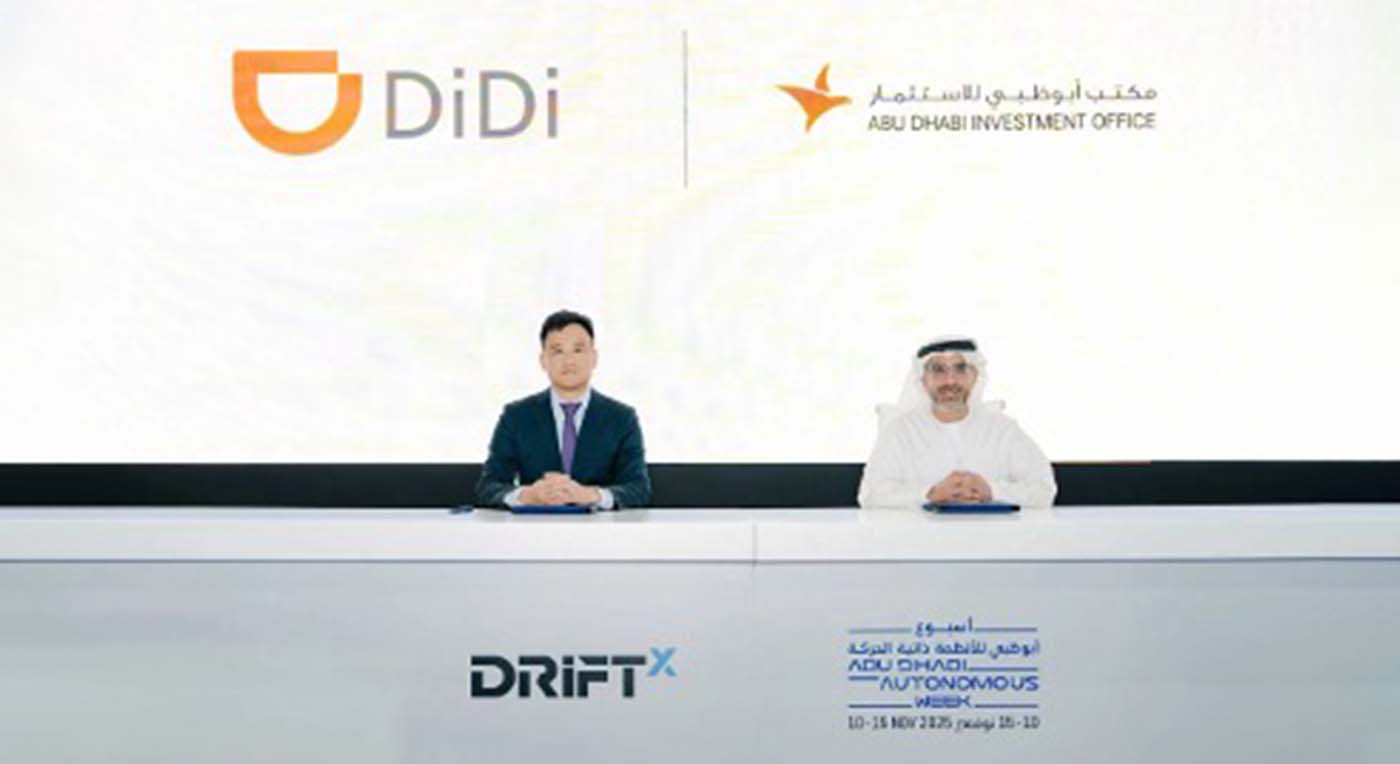
The company has joined Abu Dhabi’s Smart and Autonomous Vehicle Industries (SAVI) cluster and formed a strategic partnership with the Abu Dhabi Investment Office (ADIO) covering autonomous-driving applications, AI talent development and ecosystem building.
Dubai’s Autonomous Transportation Strategy aims for 25% of total transportation to operate autonomously by 2030, with taxis among the priority sectors.
Dubai’s Robotaxi market is already growing
Figures released by the Government of Dubai Media Office on August 19 showed that Robotaxi operations in the emirate had covered more than four million kilometres and completed 7,613 driverless passenger trips.
Dubai’s fleet comprised 144 Robotaxis, of which 48 were in active operation, with the programme recording a 97% customer satisfaction rate.
The emirate is also working with companies including Baidu Apollo Go, WeRide and Pony.ai on autonomous mobility.
What happens next?
DiDi says it plans to work with UAE partners to localise its technology, operating model and passenger experience for the market.
The R2 therefore gives an early indication of what its future UAE service could offer: a purpose-built autonomous taxi with no human driver, a passenger-focused cabin and Level 4 technology designed for complex urban environments.
A commercial launch date for the DiDi R2 in the UAE has not yet been announced.


Loading comments...