Lamborghini LM002 turns 40: The super SUV pioneer
Published Date :
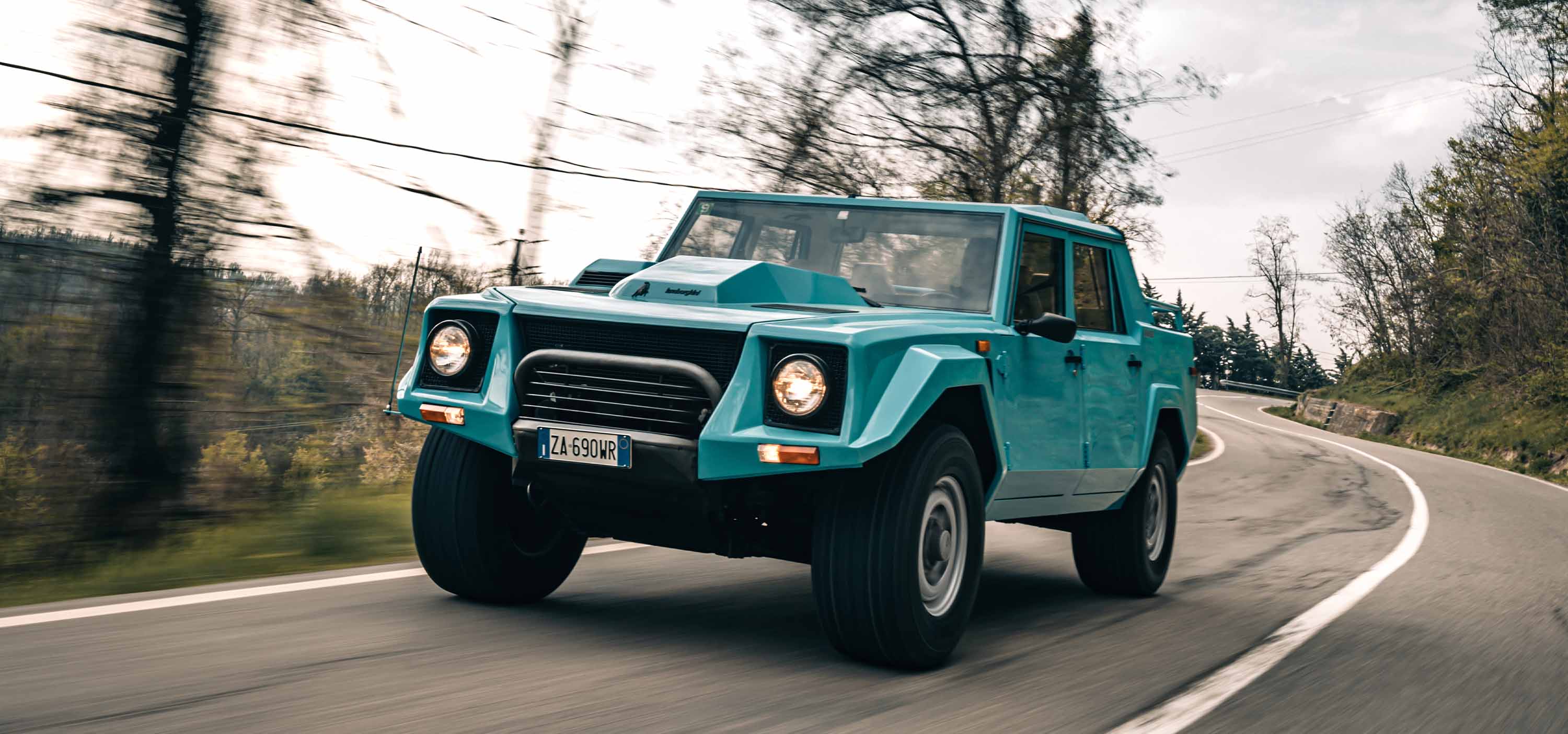
The 40th anniversary of the Lamborghini LM002 celebrates the first super SUV that combined V12 power with extreme off-road capability, shaping today’s high-performance luxury SUV segment
Forty years have passed since Automobili Lamborghini unveiled the Lamborghini LM002 at the Brussels Motor Show in January 1986, marking a defining moment in automotive history. The Lamborghini LM002 40th anniversary highlights how this groundbreaking machine blended supercar DNA with true off-road performance, effectively creating the first super SUV and laying the foundation for today’s high-performance luxury SUV segment, including models like the Lamborghini Urus.

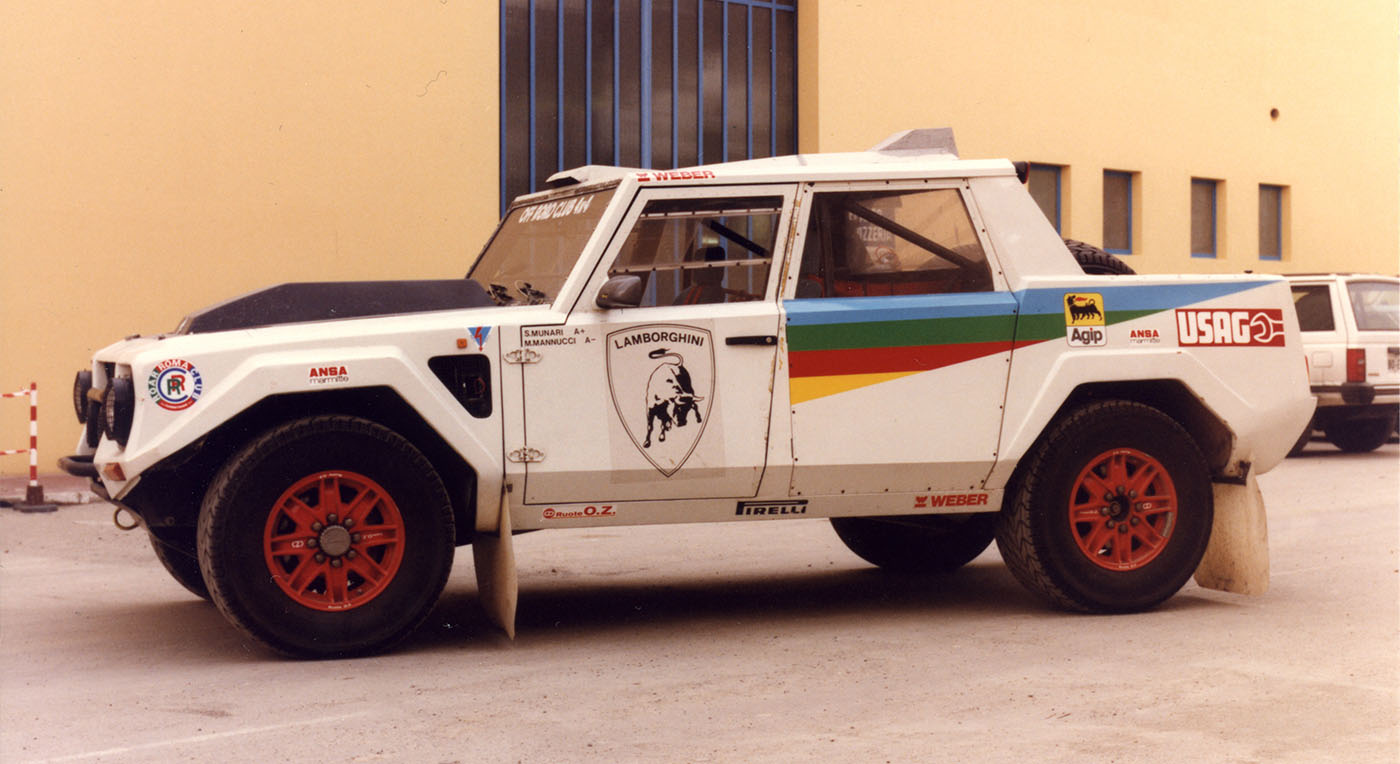
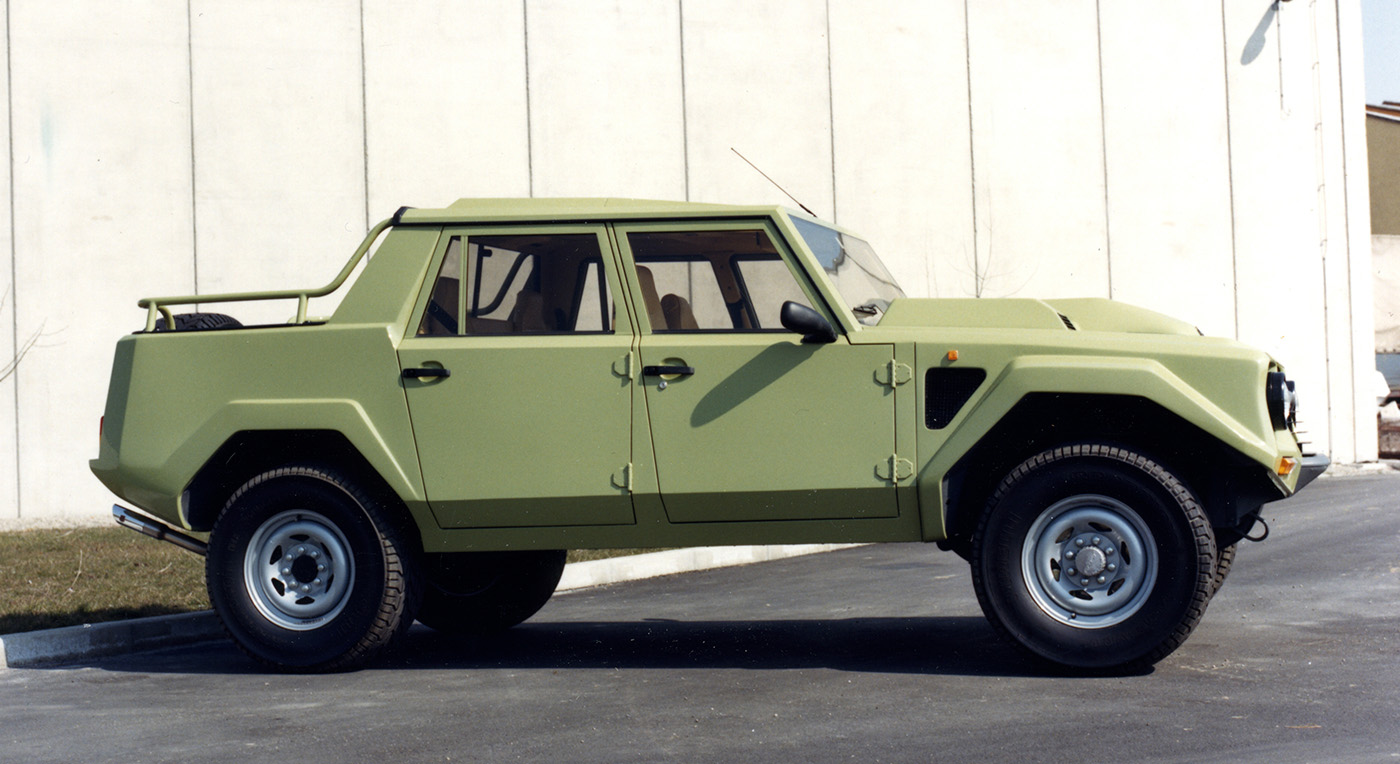
From military prototype to desert conqueror
The Lamborghini LM002's history began with the experimental Cheetah, revealed at the 1977 Geneva Motor Show. Developed with Mobility Technology International, the all-wheel-drive prototype was initially designed for military use. Powered by a 5.9-litre Chrysler V8 producing 183 CV and 362 Nm, it could accelerate from 0–100 km/h in nine seconds and reach 167 km/h, while demonstrating strong off-road capability across sand and steep gradients.
The follow-up LM001, introduced in 1981, marked a key evolution. It featured the iconic Lamborghini Countach V12 engine, producing 332 CV, along with permanent four-wheel drive and 425 mm ground clearance. However, rear-engine placement caused balance issues, affecting steering precision during extreme climbs.
Giulio Alfieri’s breakthrough
Engineer Giulio Alfieri addressed these challenges by repositioning the V12 to the front, creating the LMA prototype. This transformation improved weight distribution and introduced a robust five-speed gearbox with low-range gearing.
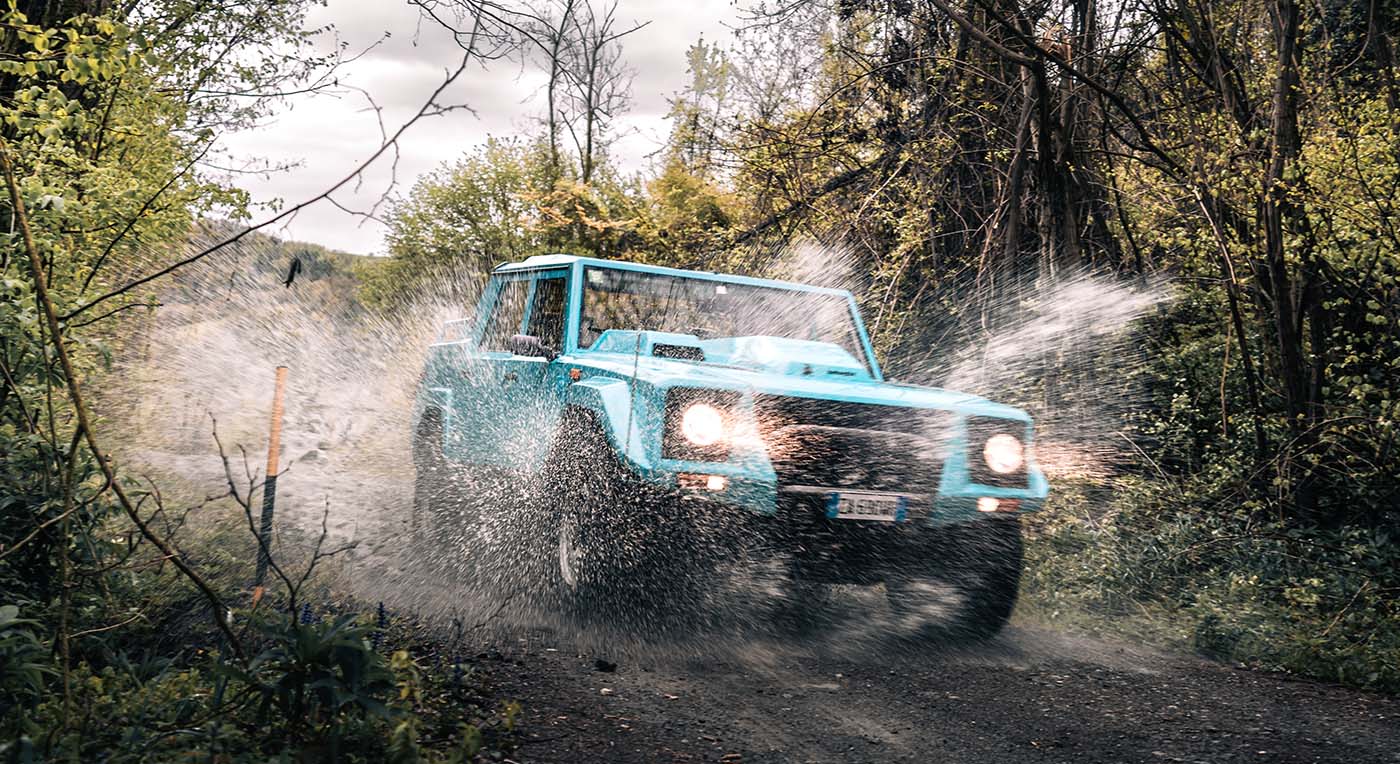
Extensive desert testing in Saudi Arabia validated the new architecture. The vehicle could climb gradients up to 120% and reach speeds close to 190 km/h, proving its durability and reinforcing the Lamborghini LM002 off-road performance credentials that would define the production model.
The world’s first super SUV
Produced between 1986 and 1992, the Lamborghini LM002 specs showcased a revolutionary package. Powered by a 5.2-litre V12 generating around 450 CV, it exceeded 200 km/h and reached a top speed of 210 km/h, which was extraordinary for a 2,700 kg off-roader.
The drivetrain featured a five-speed ZF manual transmission, selectable all-wheel drive, low-range gearing and three locking differentials. A reinforced chassis and independent suspension allowed it to tackle extreme terrain, including water fording up to 820 mm.
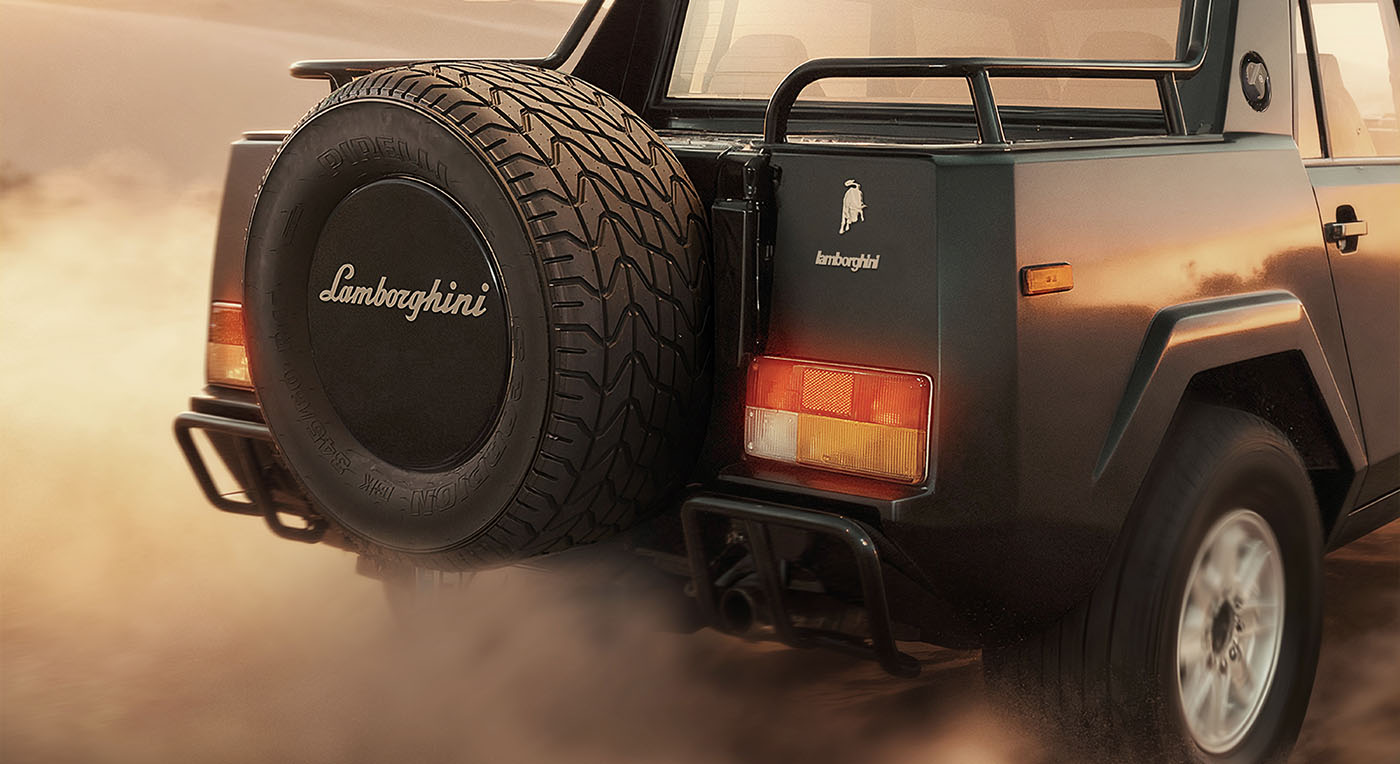
Specially developed Pirelli Scorpion tyres enabled the LM002 to glide across desert dunes while maintaining high-speed control, reinforcing its status as the first Lamborghini off-road vehicle capable of combining luxury with extreme capability.
Luxury meets extreme capability
Despite its rugged engineering, the LM002 delivered a premium cabin experience. Leather upholstery, wood trim, air conditioning and advanced features for its time made it a standout in the emerging luxury SUV evolution.
Priced at around 169 million Italian lire in 1987, the LM002 had virtually no direct rivals. Production ended in 1992 after approximately 300 units, cementing its exclusivity and legacy in the high performance SUV history.
Preserving a legend
Today, Lamborghini Polo Storico continues to preserve the Lamborghini LM002 through restoration programmes, certification and parts reproduction. In collaboration with Pirelli, the original Scorpion tyres have also been reintroduced.
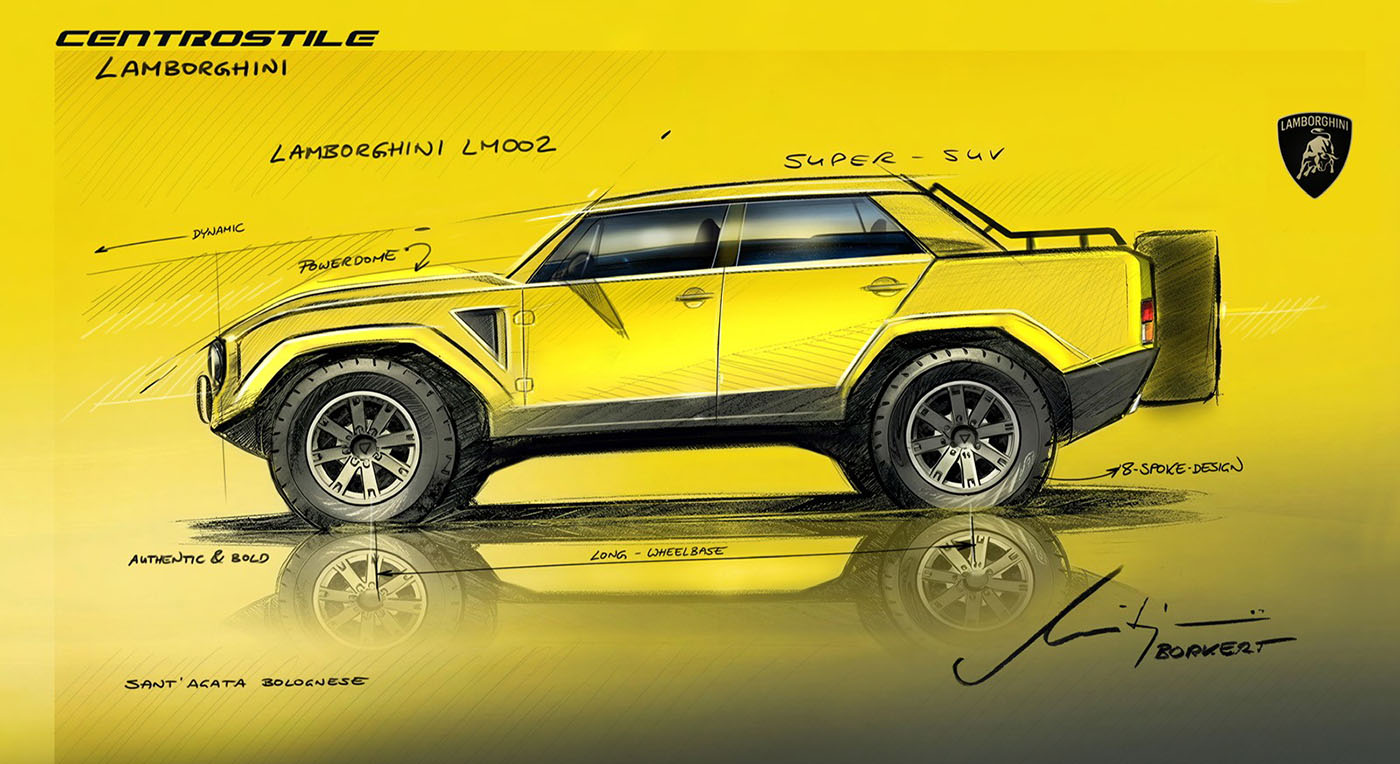
Four decades on, the Lamborghini LM002 40th anniversary serves as a reminder of a bold vision that redefined the industry. Long before performance SUVs became mainstream, the LM002 had already established itself as the true super SUV pioneer, influencing generations of high-performance vehicles that followed.



Loading comments...