India’s E20 fuel backlash gains momentum

Published Date :
A growing social-media movement, an AAP town hall and a proposed Parliament march are intensifying calls for fuel choice as India’s nationwide E20 fuel rollout faces increasing scrutiny.
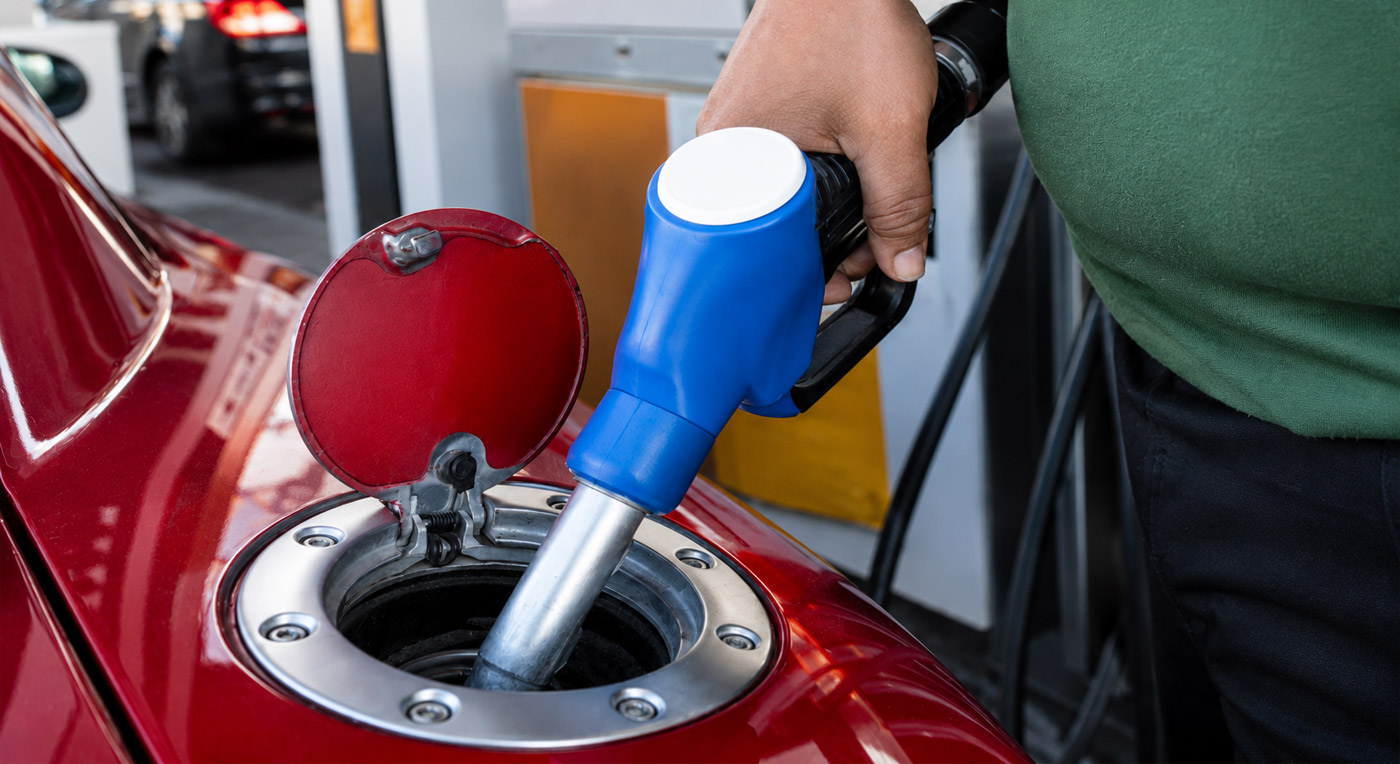
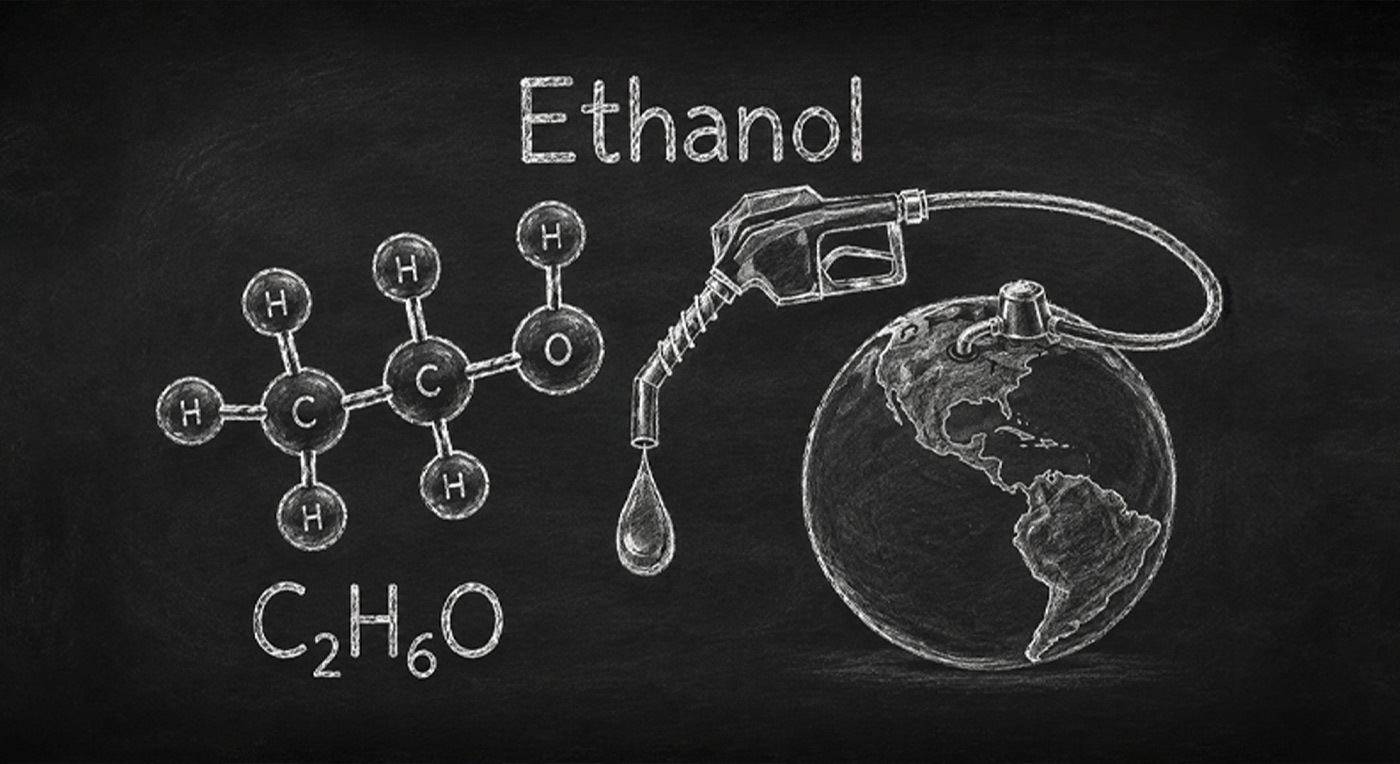
Public opposition to India’s E20 petrol policy is rising, with motorists questioning fuel efficiency, vehicle compatibility and the limited availability of alternative fuel options. E20 fuel contains 20% ethanol and 80% petrol. The government says the ethanol-blended petrol reduces crude-oil imports and carbon emissions while supporting domestic agriculture. However, critics argue that owners of older petrol vehicles should have the option to use compatible fuel blends such as E10.
E20 Janta Party emerges online
The campaign has gained rapid traction under the name E20 Janta Party, although multiple social-media accounts are using the title and its leadership remains unclear. One account reportedly gained more than 25,000 followers within hours, later crossing 48,000 on X and 100,000 on Instagram.
The movement describes itself as an independent citizens’ initiative rather than a political party. Its primary demand is not necessarily the removal of E20 petrol, but the continued availability of E10 fuel for vehicles designed for lower ethanol blends, alongside E20 for newer compatible models.
Campaigners argue that motorists have already paid significant taxes and registration costs for their vehicles and should not be forced to switch to potentially incompatible fuel. Some associated accounts have also called for Road Transport and Highways Minister Nitin Gadkari to step down.
Town hall and Parliament march planned
A separate E20 Janta Party account has announced a planned march towards Parliament on August 4, reportedly backed by taxi operators, tourism stakeholders and commercial-vehicle owners. The protest is also expected to highlight concerns over mandatory GPS trackers and panic buttons, which operators say are increasing operational costs. Official permissions and expected participation numbers remain unclear.
Meanwhile, Aam Aadmi Party leader Arvind Kejriwal has announced a National Town Hall Against E20 on August 1 at the Constitution Club of India in New Delhi. Vehicle owners, industry experts and members of the public are expected to join both in person and online.
Kejriwal said an AAP-led petition demanding fuel choice has gathered more than 200,000 signatures and will be submitted to Prime Minister Narendra Modi. The party has also argued that ethanol-blended petrol should be priced lower, citing concerns over reduced mileage.
Owners question compatibility and efficiency
Critics say the transition to E20 fuel in India has happened faster than many motorists anticipated, with limited awareness about vehicle compatibility. They also claim that unblended petrol is either unavailable or significantly more expensive at many fuel stations.
Concerns include reduced fuel efficiency, potential damage to rubber and plastic components in older engines, and the high water consumption required for ethanol production from crops.
The Automotive Research Association of India acknowledges that E20 petrol can slightly reduce efficiency, stating that laboratory tests on approved vehicles show a drop of around 2% to 6%. Compatible vehicles are reportedly tested over 40,000km to 60,000km to evaluate durability and long-term reliability.
Government defends the policy
The government has rejected claims of widespread vehicle damage due to E20 fuel. It states that more than 200 million two-wheelers and 30 million petrol cars have operated on higher ethanol blends without confirmed large-scale engine failures linked to the fuel.
India averaged 20% ethanol blending between November 2025 and June 2026. Officials say there are currently no plans to increase the national blend beyond E20, while higher blends such as E85 remain limited to specially designed flex-fuel vehicles.
The debate is now shifting from whether ethanol-blended petrol should be used to whether consumers, especially owners of older vehicles…should have access to clearly labelled, affordable fuel alternatives at petrol stations across India.



Loading comments...