Alternative-fuel cars collectively overtake petrol in India
Published Date :
CNG, hybrid and electric vehicles collectively surpassed petrol-powered cars in India for the first time in August 2026, as E20 concerns, higher oil prices and a wider choice of alternatives reshape buyer preferences
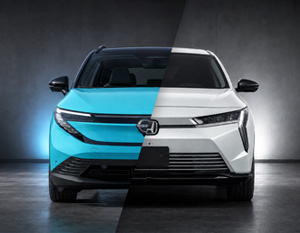
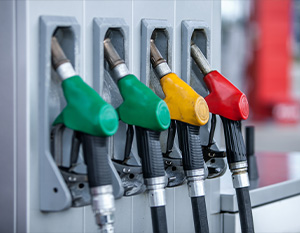
Alternative-fuel passenger vehicles have collectively overtaken petrol cars in India for the first time, marking a significant change in the fuel mix of the world's third-largest car market. According to the Federation of Automobile Dealers Associations (FADA), CNG, hybrid and electric vehicles collectively accounted for 41.95% of passenger-vehicle retail sales in August 2026, compared with 40.85% for petrol-powered vehicles. The reversal has happened quickly. A little over a year ago, petrol held a lead of nearly 11 percentage points over the combined alternative-fuel categories.
E20 concerns influence buyers
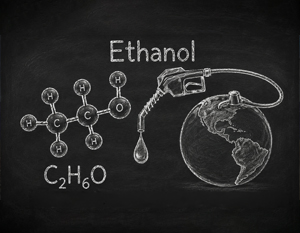
FADA attributed the shift partly to consumer concerns surrounding India's transition from E10 petrol to E20, which contains 20% ethanol, as well as higher oil prices.
The switch to E20 is intended to reduce India's reliance on imported crude oil, but it has faced criticism from some owners of older vehicles over concerns about fuel economy and compatibility.
The Indian government has dismissed criticism surrounding E20 and urged consumers not to be swayed by what it described as misleading claims.
Higher oil prices linked to the ongoing Middle East conflict have also influenced the market. However, FADA said the shift towards alternatives is broader than the E20 debate alone.
FADA President Sai Giridhar said the trend is also being sustained by a wider selection of alternative-fuel models, improvements in EV driving range and the gradual expansion of charging infrastructure.
India records its biggest August for auto sales
The change in fuel preference came during a record month for India's wider automotive market.
Total vehicle retail sales reached 2,423,201 units in August, up 17.51% year-on-year, making it the strongest August on record. Sales were nevertheless 6.48% lower than July, with FADA pointing to the seasonal monsoon slowdown and a shift in the festival calendar.
Rural markets recorded stronger growth than urban areas. Overall rural vehicle retail sales increased 19.79% year-on-year, compared with 15.17% growth in urban markets.
The difference was even more pronounced for passenger vehicles, where rural sales grew 24.99%, compared with 10.93% growth in urban areas.
FADA cautioned that the strong year-on-year comparison also benefited from a relatively weak August 2025, when some customers delayed purchases while waiting for India's GST 2.0 tax reductions.
Dealers remain optimistic despite rising prices
India is now heading into its important festive buying season, although FADA said dealers reported that the start of the festive period had been below their expectations. September through November is expected to provide a clearer indication of underlying demand.
Passenger-vehicle inventory also increased by around five days from the end of July to approximately 38-40 days in August.
Manufacturers, meanwhile, continue to face higher costs. Maruti Suzuki, India's largest carmaker, said it would raise prices of selected models by up to ₹20,000, or approximately $212 / AED 778, from September. It marks the company's third price increase since May.
FADA warned that further price increases could begin to erode some of the demand benefits generated by earlier tax reforms.
Despite these pressures, dealers remain broadly optimistic. August's figures also underline a potentially more important long-term development: India's passenger-car market is no longer dominated as decisively by conventional petrol vehicles, with CNG, hybrids and EVs collectively taking an increasingly large share of new-car demand.



Loading comments...