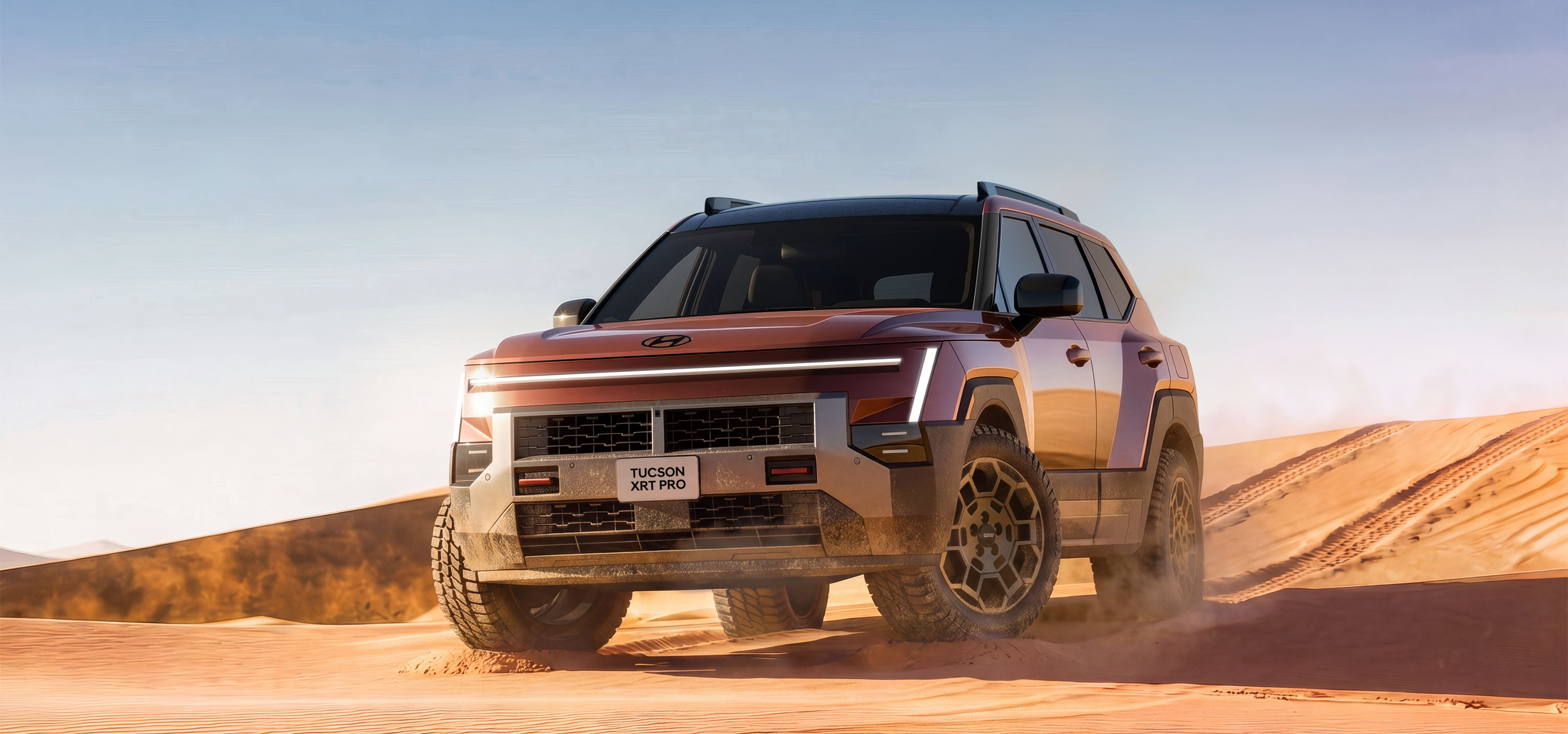
All-new Hyundai Tucson debuts with bold looks, hybrid tech
Published Date :
Hyundai has unveiled the all-new Tucson with larger dimensions, new hybrid and plug-in hybrid powertrains, Pleos Connect with Gleo AI and a more capable XRT PRO variant.
South Korean automaker Hyundai Motor has unveiled the all-new Hyundai Tucson in New York, introducing a new generation of its best-selling Hyundai SUV with a redesigned exterior, roomier cabin, new infotainment and expanded electrified powertrain options. The Tucson launches in Korea later in 2026, followed by North America, Europe and other global markets in 2027. Hyundai Tucson UAE specifications and launch timing have not yet been announced. Since its 2004 debut, Tucson sales have exceeded 11.1 million units globally, including China-only models, reinforcing its position in the compact SUV segment.
Bigger, bolder exterior
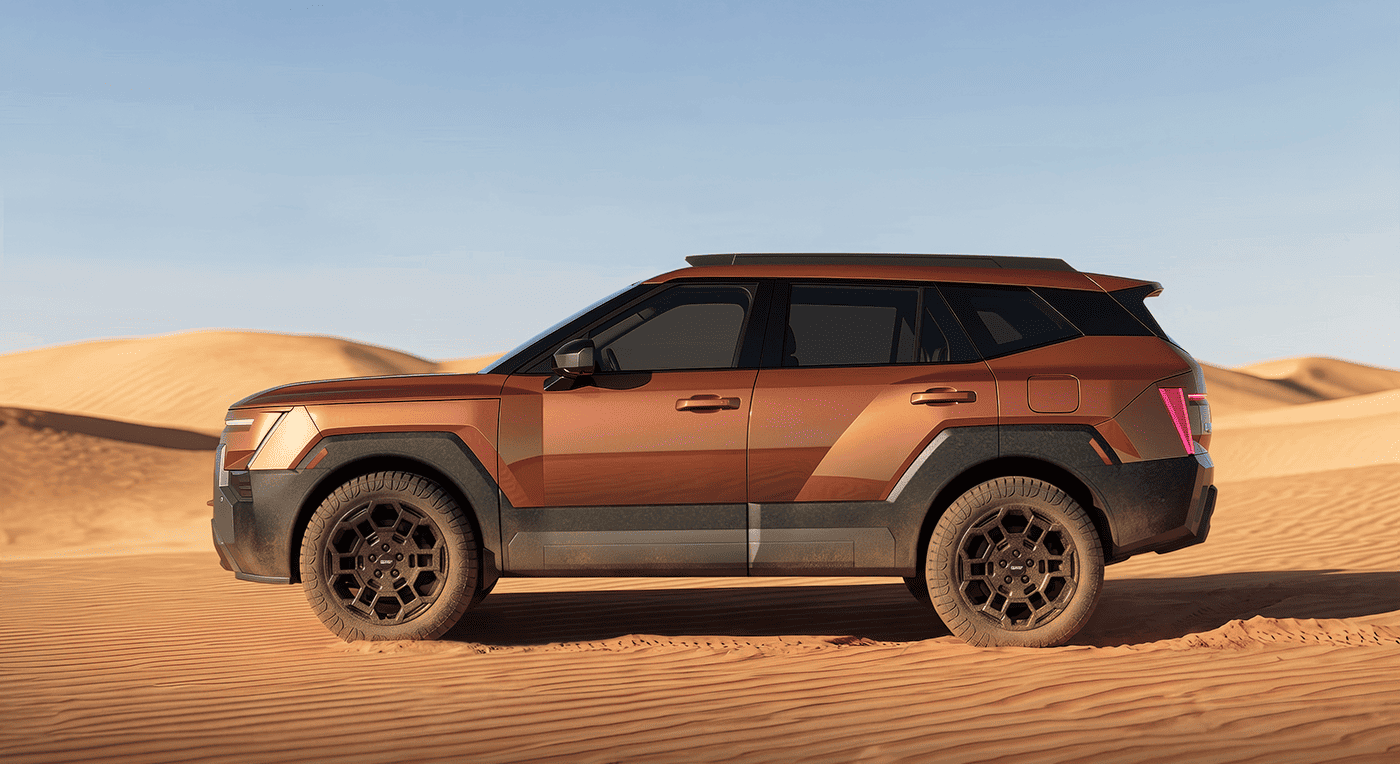
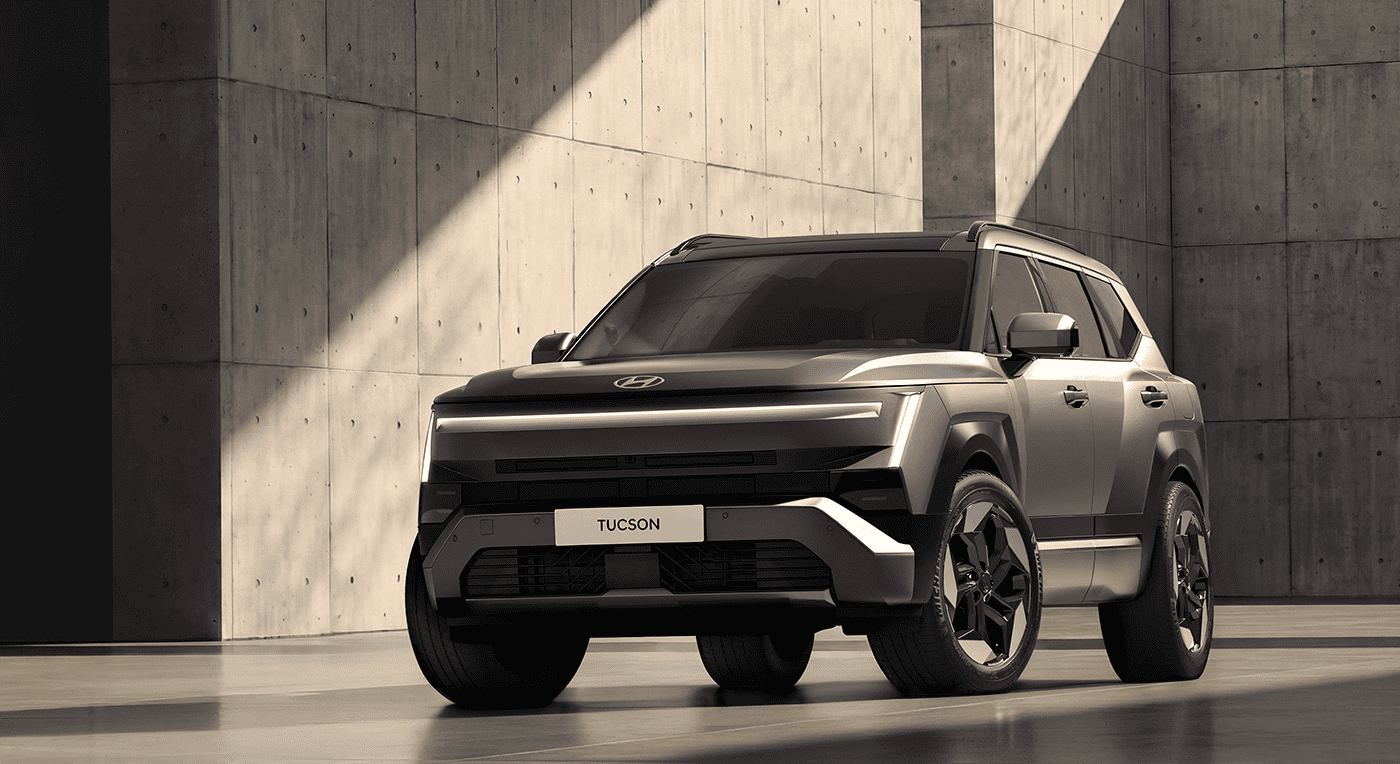
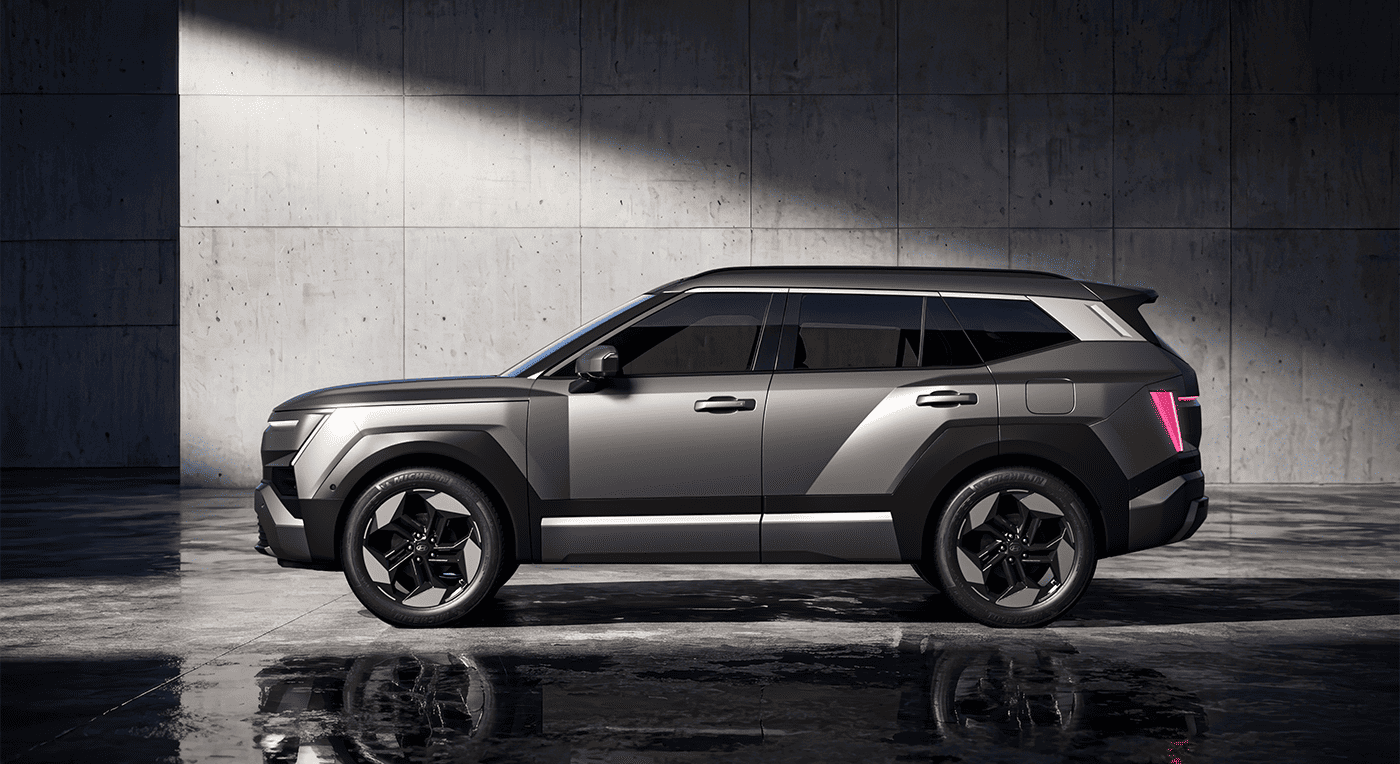
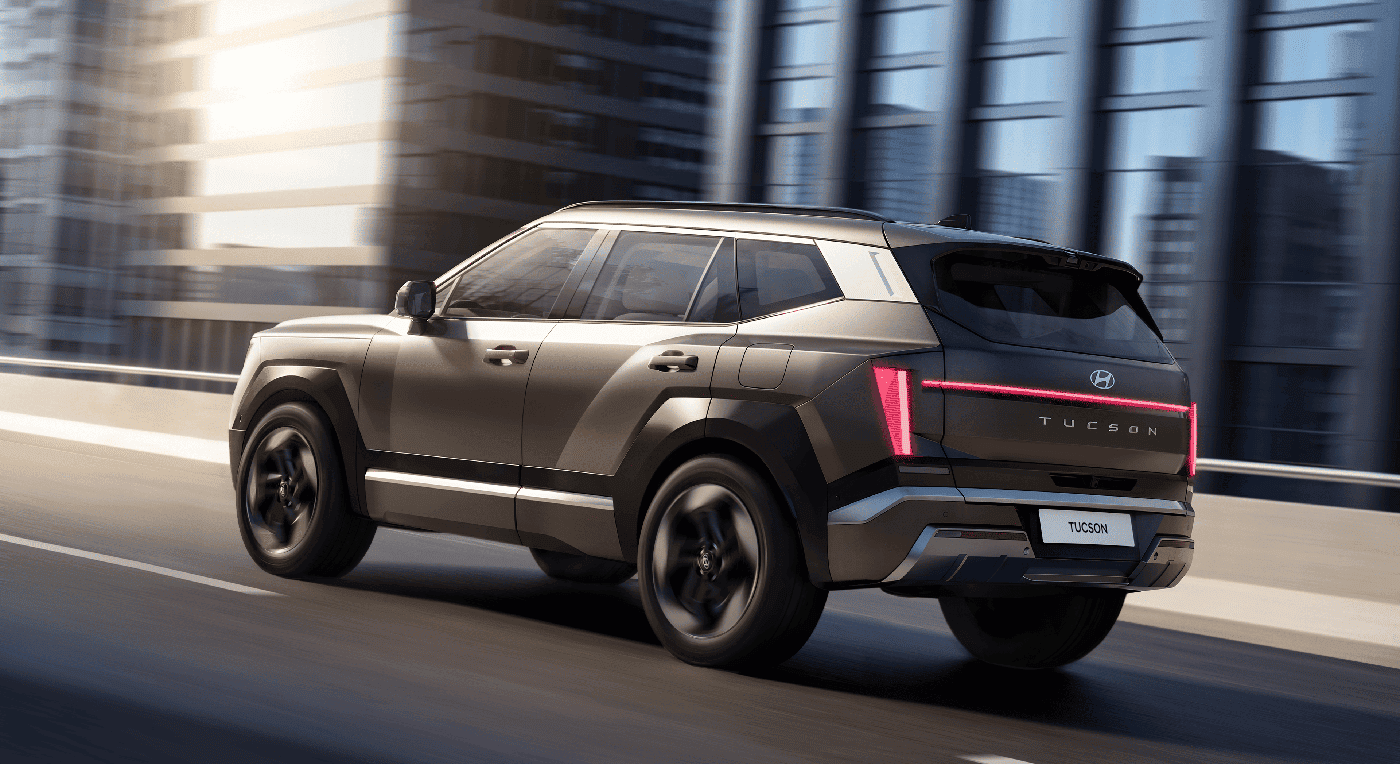
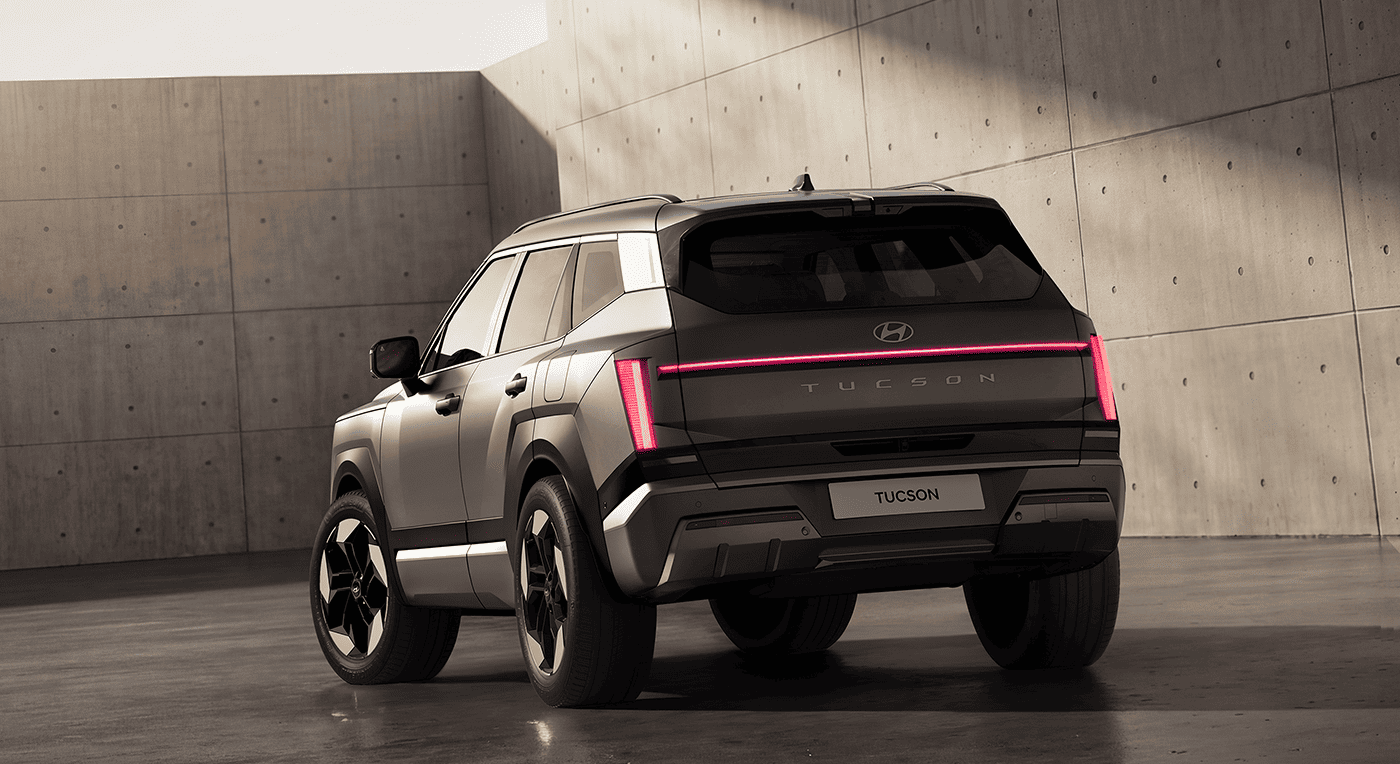
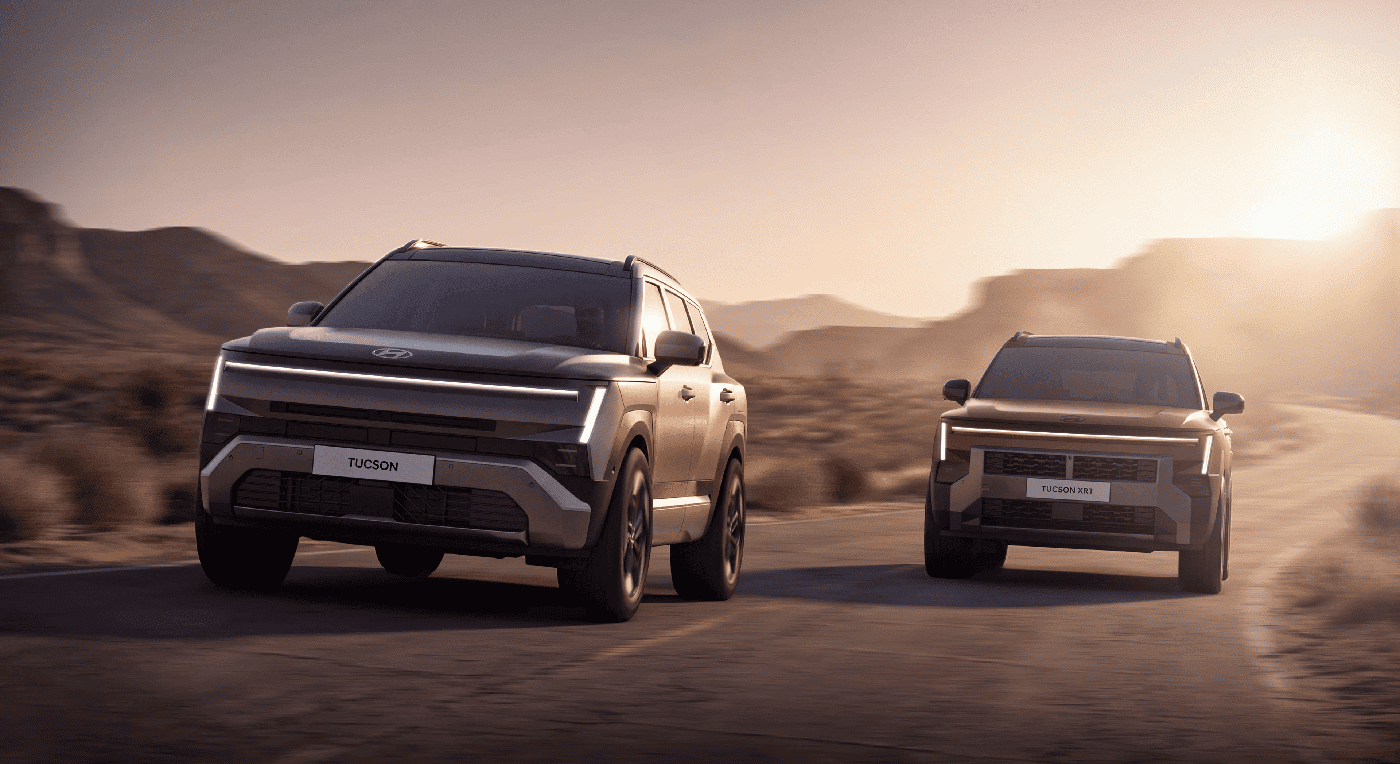
The Tucson adopts Hyundai’s “Art of Steel” design language, giving the 2026 Hyundai Tucson a more muscular and modern presence with sculpted fenders, cleaner door surfaces and sharper body lines.
The long-wheelbase model measures 4,700 mm long, 1,905 mm wide and 1,685 mm high, growing 60 mm, 40 mm and 20 mm respectively, while its 2,785 mm wheelbase is 30 mm longer. Standard ground clearance is 180 mm, with wheel sizes ranging from 17 to 20 inches.
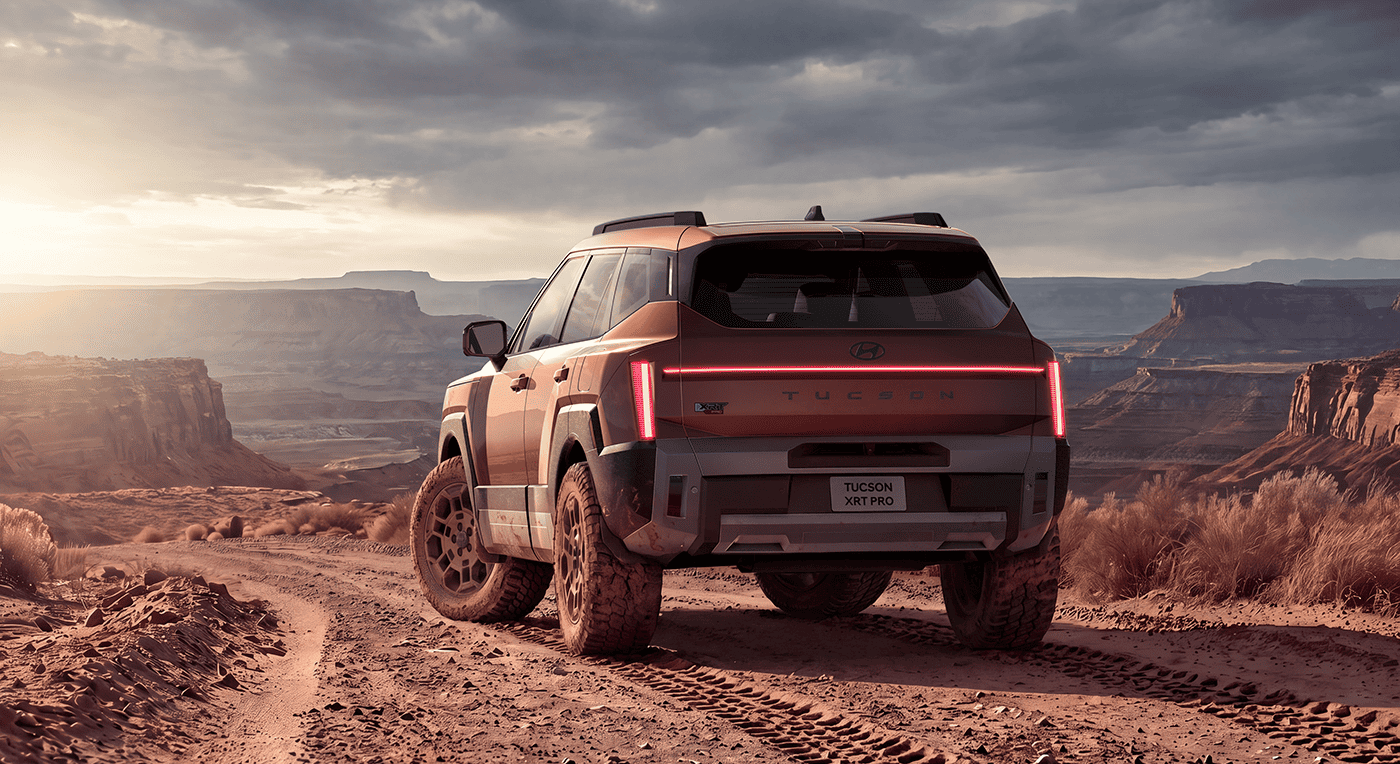
New H-Edge front lighting and Prism Rear Lamps define the lighting signature, while available Micro Pixel Lighting uses 25,600 LED pixels for precise beam patterns and welcome/farewell animations. The front-end design also improves pedestrian protection, while door opening angles increase from 73 to 83 degrees for easier access.
More spacious, tech-heavy cabin
The five-seat cabin has been redesigned to enhance practicality and comfort, positioning the Tucson as a strong contender in the family SUV and urban SUV segment.
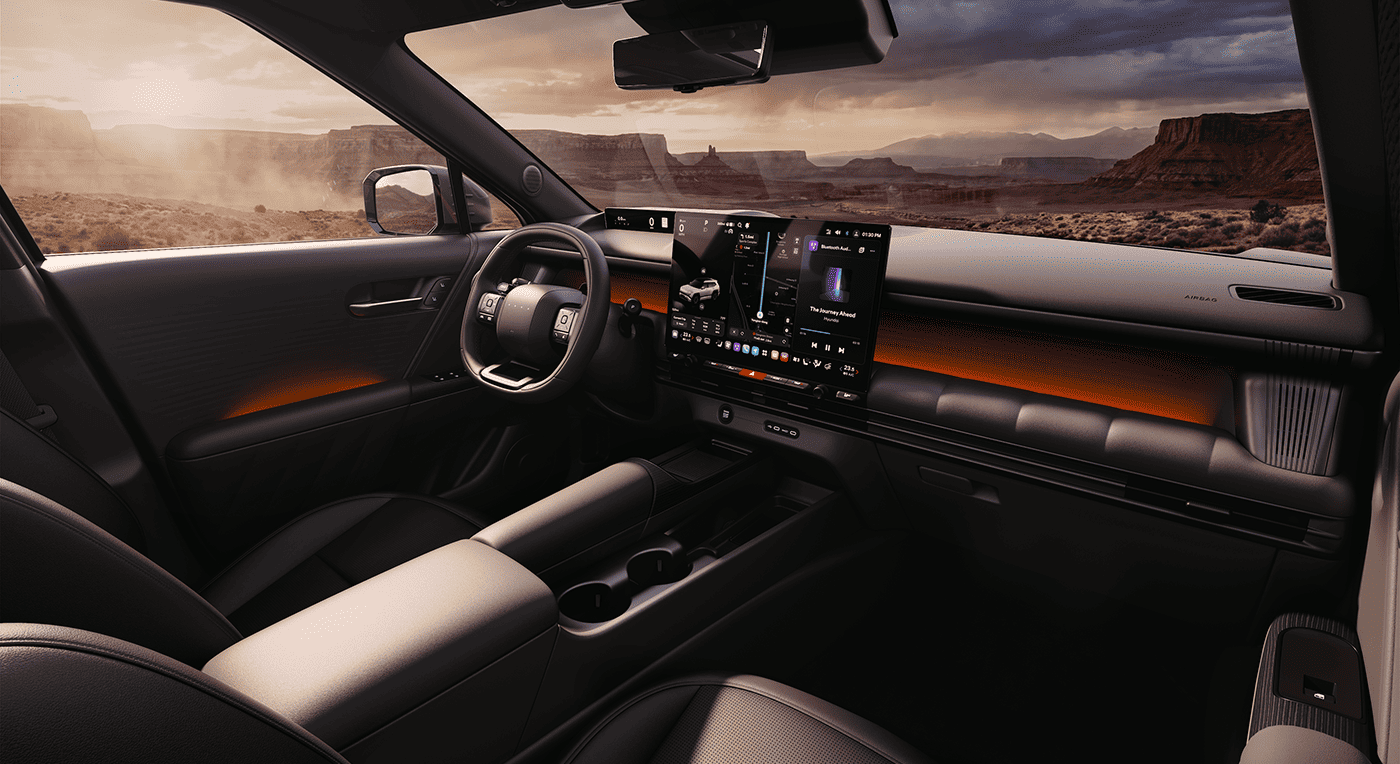
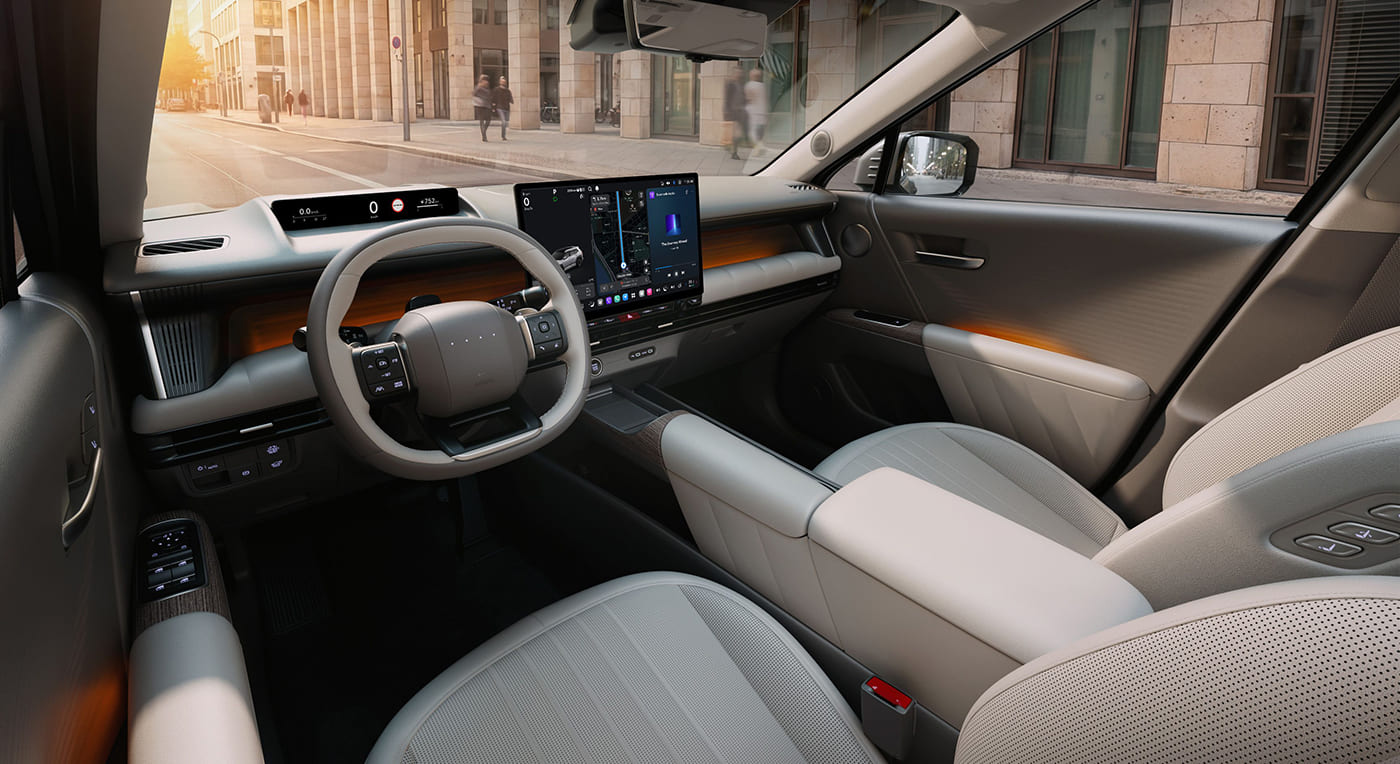
It features a two-layer dashboard with additional storage and physical controls for frequently used climate and audio functions.
Hyundai’s Android Automotive OS-based Pleos Connect pairs a 17-inch or 12.9-inch central touchscreen with a 9.9-inch driver display, depending on specification. It supports third-party apps and OTA updates, while Gleo AI provides a conversational, context-aware in-car assistant.
Available features include dual 15W Qi 2.0 wireless chargers, 100W USB-C charging, three-zone climate control, Ergo Motion massage seats and Relaxation Comfort Seats. Cargo capacity is listed at 1,067 litres using the domestic SAE measurement.
Available metal-coated heated glass rejects 60% of solar energy, which Hyundai says can keep the cabin around 2°C cooler, while also providing full de-icing in 15 minutes. Availability varies by market.
Petrol, hybrid and plug-in hybrid powertrains
Powertrains vary by market, but the new Tucson places a strong emphasis on electrification, strengthening its presence in the hybrid SUV segment.
Petrol options include 1.6-litre turbo and 2.0-litre naturally aspirated engines, producing 150–193 PS in Korean specifications and offered with several transmission choices.
The next-generation hybrid produces 236–245 PS, depending on market, paired with a 1.49 kWh battery and six-speed automatic. The North American front-wheel-drive version on 17-inch wheels targets up to 42 mpg, with 0–60 mph (0–97 km/h) in 8.5 seconds.
The hybrid also gets E-Traction, which manages torque to reduce wheel slip during cornering, and HEV Stay Mode, allowing climate control, audio and device charging to operate with the engine switched off.
The plug-in hybrid combines a 1.6-litre turbo engine with an electrified powertrain producing a combined 292 PS and around 380 Nm. It gets a 17.1 kWh battery, estimated 81 km electric range and 7.2 kW onboard charger, and will be offered in selected markets.
XRT PRO gets more off-road capability
The Tucson XRT PRO, offered in selected markets, adds AWD, all-terrain tyres, front recovery hooks, additional body protection, more aggressive approach and departure angles and 210 mm of ground clearance, positioning it as a more capable off-road SUV variant.
It also introduces Hyundai’s first Smart Terrain Assist, which assesses traction and wheel slip and provides a colour-coded “stuck score”. Target Speed Control manages acceleration and braking between 2 and 25 km/h (1–16 mph). Hyundai identifies Smart Terrain Assist as a North America-only XRT PRO feature in this release.
Other available technologies include Memory Reversing Assist, which records a route at speeds up to 30 km/h (19 mph) and assists steering when reversing, Ground View Monitor for visibility ahead of and beneath the vehicle, and Trailer Reverse Assist.
Safety
The Tucson uses hot-stamped high-strength steel in key areas and reinforced centre pillars, strengthening its safety credentials in the modern SUV category.
Safety technology includes an In-Cabin Monitoring Unit for driver fatigue detection, Child Presence Detection, Rear Occupant Alert, Intelligent Speed Limit Assist and Navigation-Linked Smart Cruise Control.
Hyundai will reveal another sport-inspired Tucson variant at the 2026 Paris Motor Show on October 12, continuing the rollout of the new-generation model.


Loading comments...