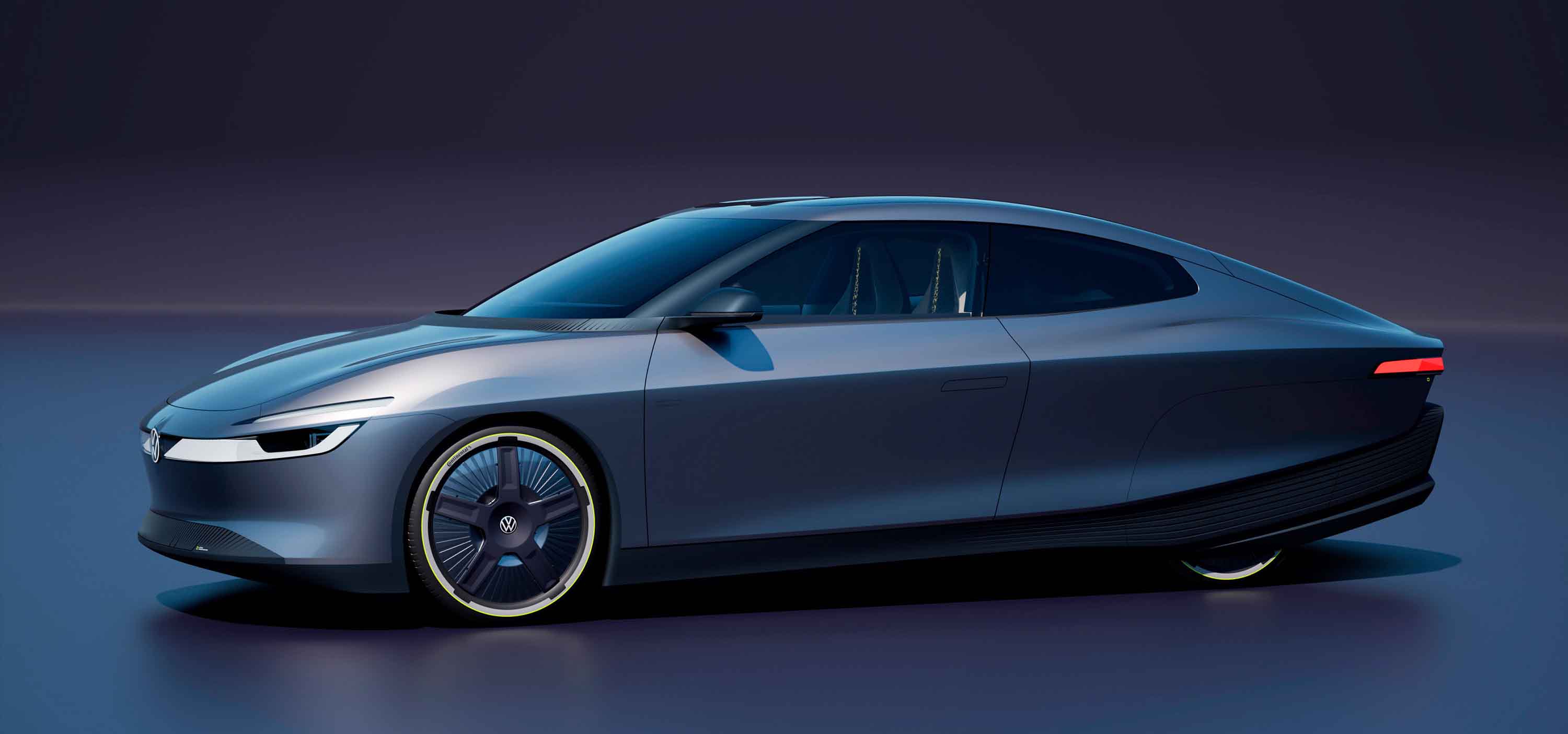
VW Mission Efficiency claims three EV world records
Published Date :
Volkswagen’s near-production EV concept achieves a 0.158 Cd drag coefficient, 6.48 kWh/100 km ultra-low energy consumption, and a 1,278 km efficiency run showcasing next-generation MEB+ electric technology
German automaker Volkswagen has unveiled the Mission Efficiency concept, a near-production electric vehicle designed to demonstrate the efficiency potential of its upcoming MEB+ platform and future ID. family EVs, including the ID. Polo and ID. Cross. Volkswagen says the concept has set three efficiency benchmarks: a 0.158 drag coefficient, claimed to be the lowest ever for a road-legal vehicle; energy consumption of just 6.48 kWh/100 km in an idealised test; and recognition as one of the most efficient near-production EV concepts ever developed. However, Volkswagen confirms the vehicle is not intended for sale.
1,278 km efficiency run on a single charge
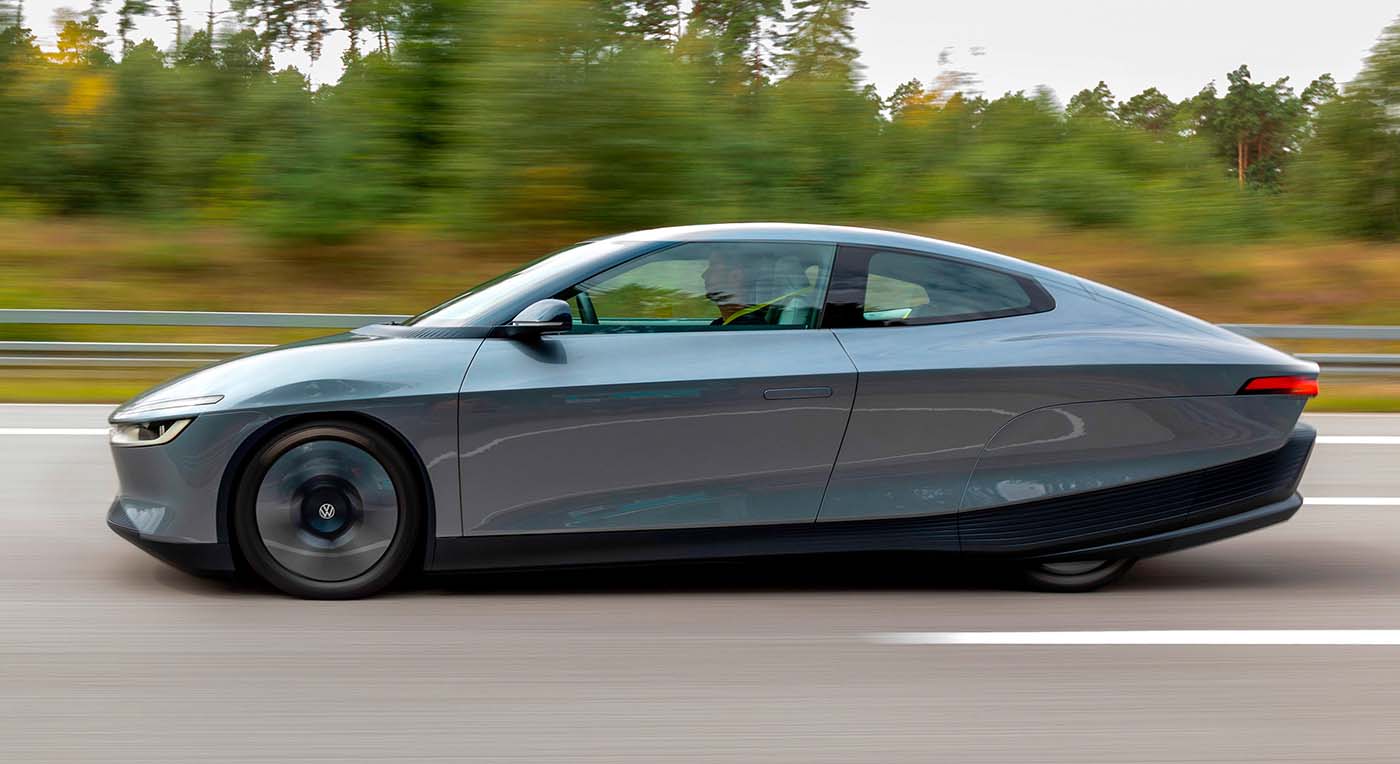
During an officially documented long-distance test, the Volkswagen Mission Efficiency covered 1,278.36 km from Wolfsburg in Germany via Poznań (Poland) and Olomouc (Czech Republic) to Vienna (Austria).
The EV recorded an average consumption of 6.89 kWh/100 km (excluding charging losses) and 7.51 kWh/100 km (including losses), at an average speed of 67.72 km/h and a top speed of 138 km/h. It completed the journey using a single charge of its 54.9 kWh net battery, arriving with an estimated 164 km of remaining range.
Volkswagen also highlighted a separate efficiency figure of 6.48 kWh/100 km achieved under controlled conditions at a constant 68 km/h with minimal auxiliary load such as climate control. The automaker says the result was achieved to demonstrate maximum theoretical efficiency potential.
ID. Polo-based MEB+ electric architecture
The Mission Efficiency is built on Volkswagen’s next-generation MEB+ front-wheel-drive electric architecture, which also underpins upcoming models such as the ID. Polo.
It uses a 99 kW (135 PS) electric motor and a high-voltage battery derived from production EV technology. Volkswagen states the same MEB+ system is being developed for a broader range of compact EVs, including future ID. models.
Key performance figures include 0–100 km/h in 9.0 seconds, a top speed of 160 km/h, DC fast charging up to 105 kW, and a WLTP consumption target of around 8.4 kWh/100 km.
Volkswagen claims that above 80 km/h, the concept consumes over 30% less energy than the production ID. Polo, with efficiency gains becoming even more significant at highway speeds.
Record-low 0.158 Cd aerodynamics
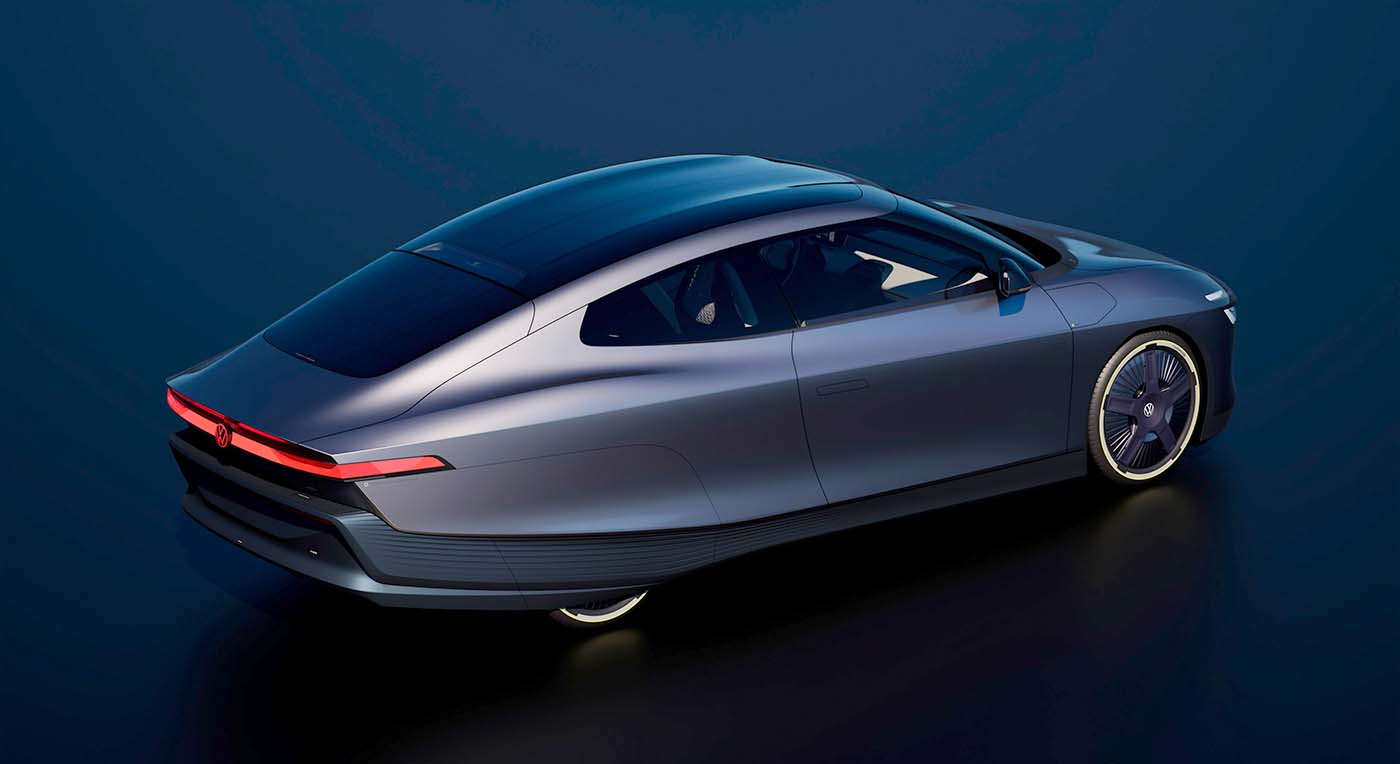
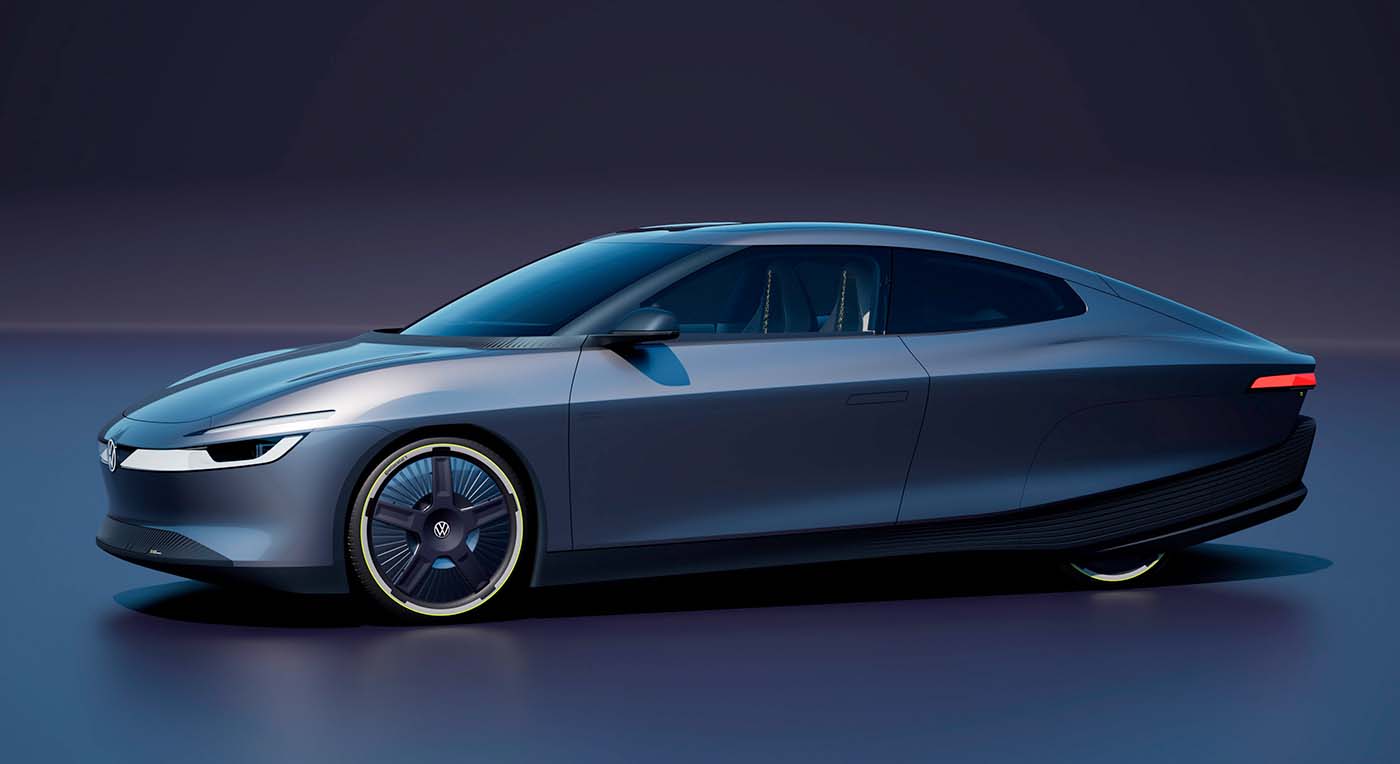
A major focus of the Mission Efficiency is aerodynamics, with a record drag coefficient of 0.158 Cd paired with a 2.08 m² frontal area. The body features active cooling flaps, a teardrop silhouette, fully enclosed rear wheels, a tapered roofline, and a completely smooth underbody. These elements are inspired by high-efficiency prototypes such as the XL1 and ID.R.
Volkswagen says the design follows its “Pure Positive” design language while prioritising airflow optimisation above styling. Conventional side mirrors were retained after testing showed limited efficiency gains from camera-based systems in this configuration.
Lightweight 2+2 efficiency-focused cabin
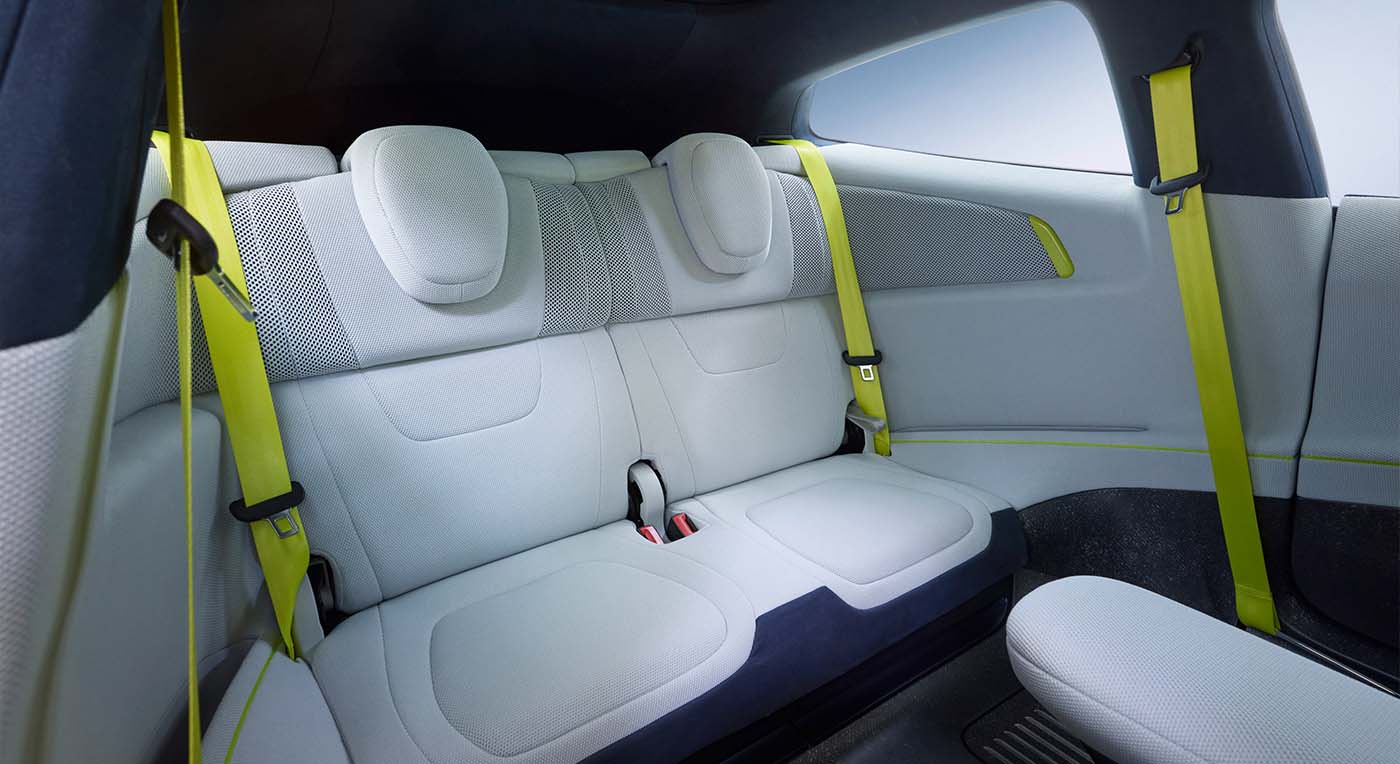
The concept measures 4,775 mm in length, 1,744 mm in width, and 1,392 mm in height, with a 2,700 mm wheelbase. It features a 2+2 seating layout and 481 litres of luggage capacity, including underfloor and side storage for charging cables.
Rear seats are designed primarily for passengers up to around 1.60 metres tall, reinforcing the concept’s efficiency-first packaging approach. Weight savings come from extensive use of CFRP-aramid composites combined with aluminium structural elements. Doors, bonnet, tailgate and wings use lightweight materials, while the chassis shares components with the ID. Polo.
Volkswagen also introduced a semi-dry braking system with electromechanical rear brakes, reducing drag losses and improving energy recuperation and stability. The system was developed in collaboration with AUMOVIO.
Solar roof adds up to 30 km range
A 370W photovoltaic solar roof integrated into the glass roof and tail section supports auxiliary systems and reduces load on the high-voltage battery. Volkswagen says the system can add up to 30 km of additional daily range depending on sunlight conditions, location and usage patterns.
The concept also incorporates recycled materials, lightweight rim deflectors, and additional efficiency-focused design elements aimed at reducing overall energy consumption.
“Bring your own device” infotainment concept
Inside, Volkswagen replaces traditional infotainment systems with a “Bring your own device” setup, allowing users to mount a smartphone or tablet on a dedicated rail system for navigation, media and controls.
Key cabin elements such as steering controls, climate interfaces and haptic switches are carried over from production ID. Polo components to maintain familiarity. To reduce weight further, even fixed infotainment screens and integrated speakers have been removed, replaced by a portable Bluetooth speaker system.
Volkswagen says the Mission Efficiency demonstrates how aerodynamic optimisation, lightweight construction, and production-derived MEB+ technology can dramatically reduce EV energy consumption and extend range without relying solely on larger batteries or complex drivetrain upgrades.


Loading comments...