UAE ranks first in GCC for electric mobility readiness
Published Date :
The UAE leads the GCC in electric mobility readiness, ranking 22nd globally in Arthur D. Little’s GEMRIX 2026 index with a score of 53, supported by rising EV adoption, around 2,800 charging stations and long-term electrification targets
The United Arab Emirates (UAE) has ranked first in the GCC and 22nd globally for electric mobility readiness in Arthur D. Little’s Global Electric Mobility Readiness Index (GEMRIX) 2026, achieving a score of 53 points. The study evaluated 31 global markets across five key pillars: macroeconomic conditions, EV market and competition, customer readiness, public charging infrastructure, and total cost of ownership and regulatory environment.

EVs account for around 9% of UAE new vehicle sales
According to the GEMRIX 2026 report, electric vehicles (EVs) accounted for approximately 9% of new vehicle sales in the UAE in 2025.
Of this, battery-electric vehicles (BEVs) contributed around 6–8%, while plug-in hybrid vehicles (PHEVs) made up roughly 2.5%.
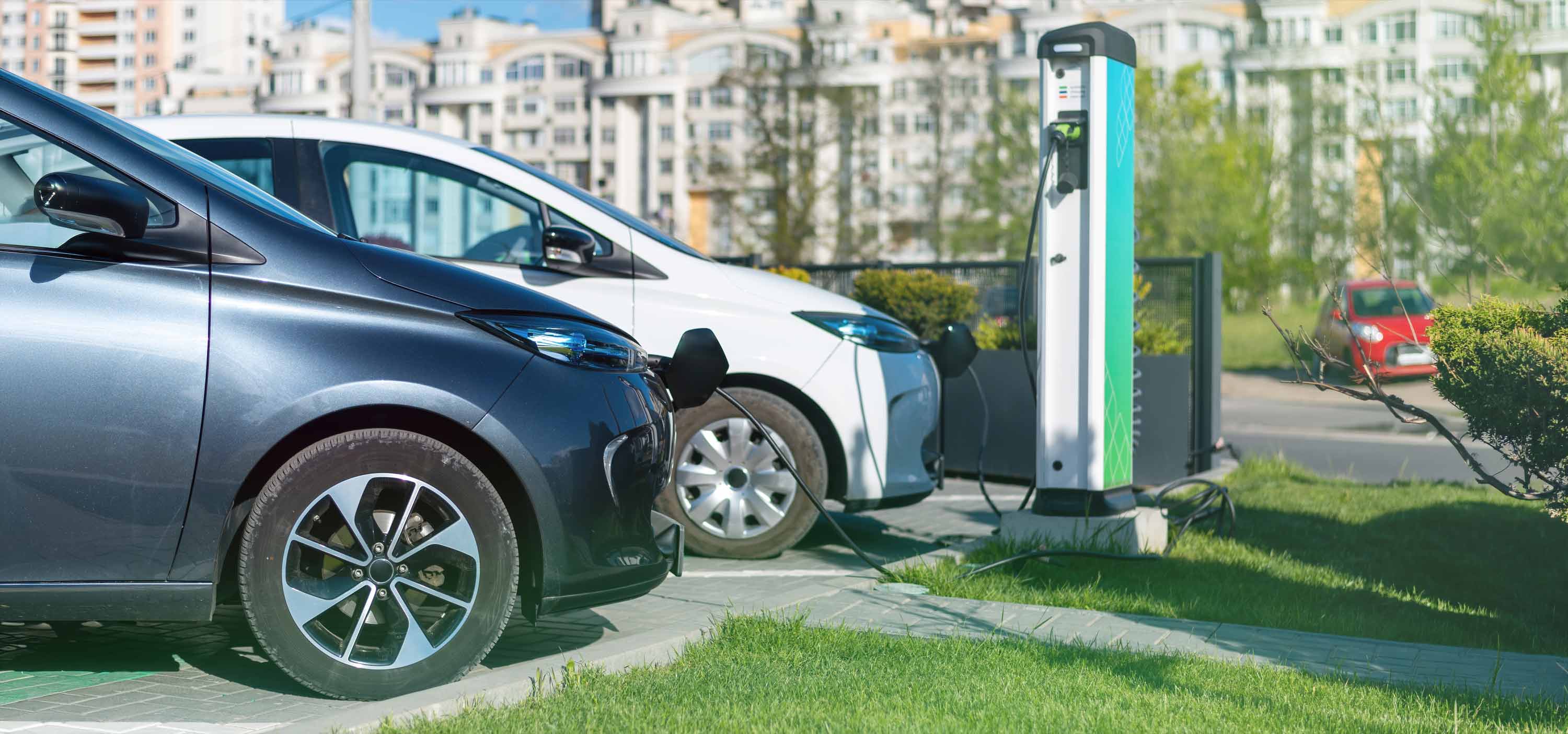
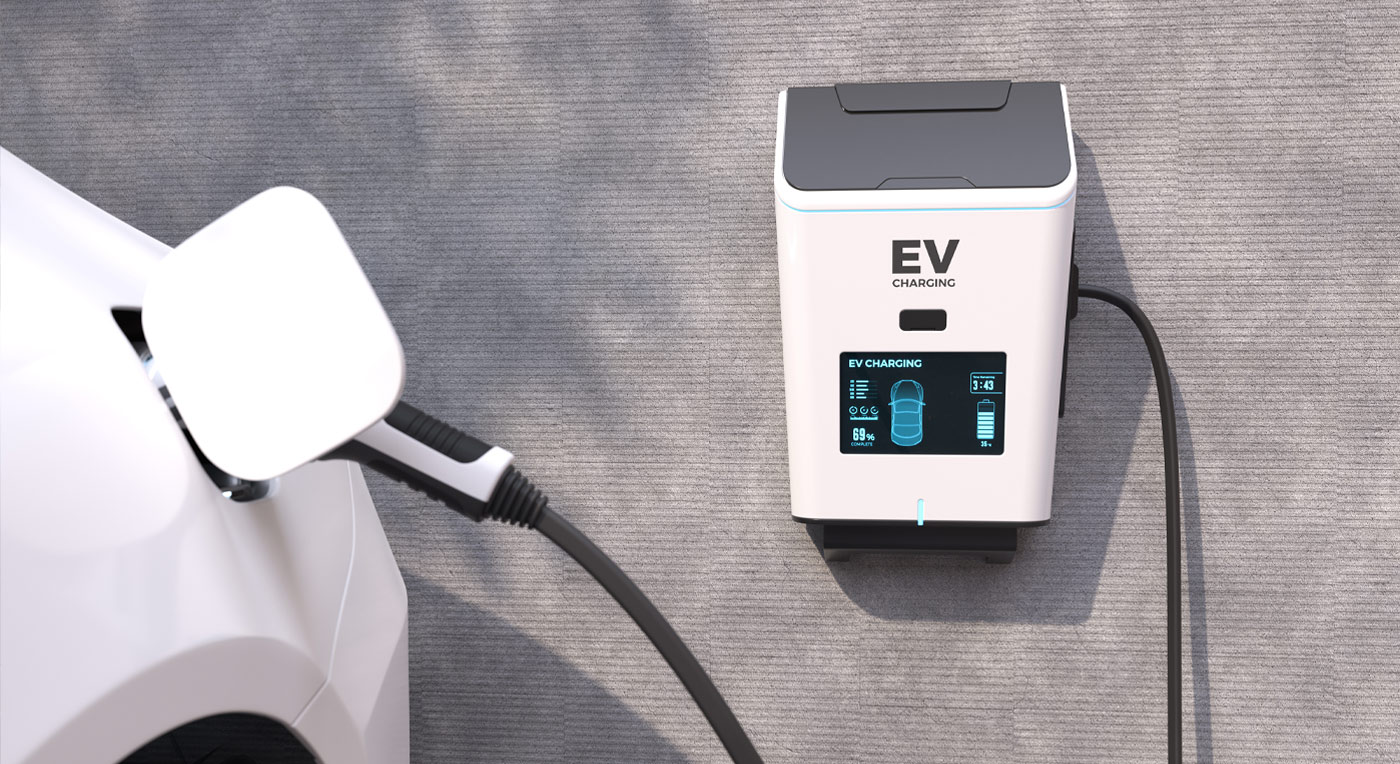
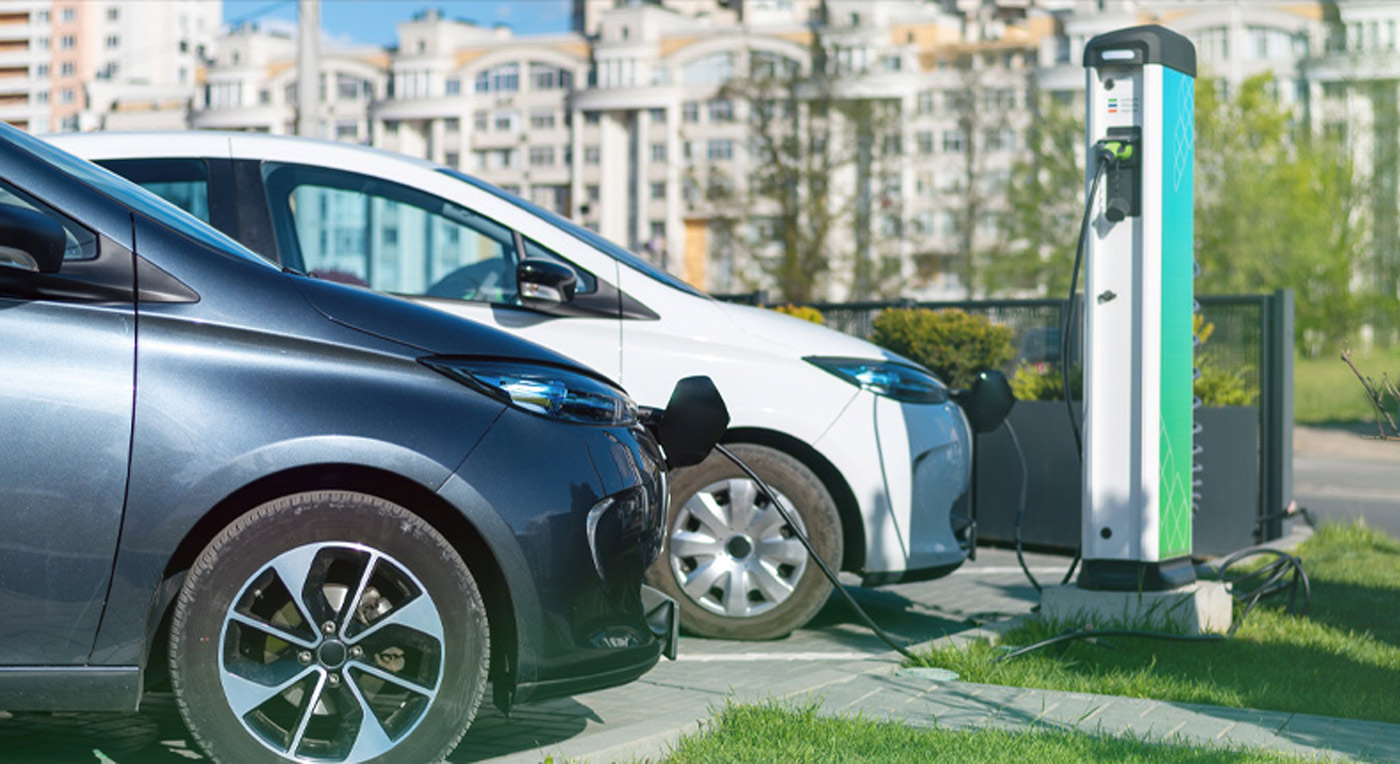
The report also highlights continued expansion of the UAE’s EV charging infrastructure, which now includes around 2,800 charging points, including approximately 1,250 DC fast chargers and 350 high-power charging units, supporting growing EV adoption across the country.
UAE targets 50% electric and hybrid vehicles by 2050
The UAE is targeting electric and hybrid vehicles to account for 50% of vehicles on its roads by 2050. Dubai, meanwhile, aims for EVs to represent more than 15% of its vehicle fleet by 2030.
Arthur D. Little said the shift towards electric mobility increasingly depends on a wider ecosystem covering charging infrastructure, government policy, incentives, supply chains and energy systems rather than vehicle technology alone.
Joseph Salem, Partner and Middle East Lead for Travel, Transportation and Hospitality at Arthur D. Little, said the UAE’s position reflects growing momentum in its EV market and progress towards an integrated electric-mobility ecosystem. He also pointed to continued charging-infrastructure investment and the need to align infrastructure, vehicle availability and customer requirements to encourage wider adoption.
China leads global GEMRIX rankings
Globally, China ranked first in GEMRIX 2026 with 106 points, followed by Norway with 103 points.
These were the only two markets to exceed the 100-point threshold, which Arthur D. Little defines as near parity between electric vehicles and internal combustion engine (ICE) vehicles in terms of readiness.
Singapore ranked third with 96 points, followed by the Netherlands with 90 points, reflecting strong EV ecosystems and advanced infrastructure.
Alexander Krug, Partner in Arthur D. Little’s Automotive and Manufacturing Goods practice, said the transition to electric mobility will continue to progress at different speeds globally, with markets that develop integrated EV ecosystems expected to benefit most from long-term growth opportunities.





Loading comments...