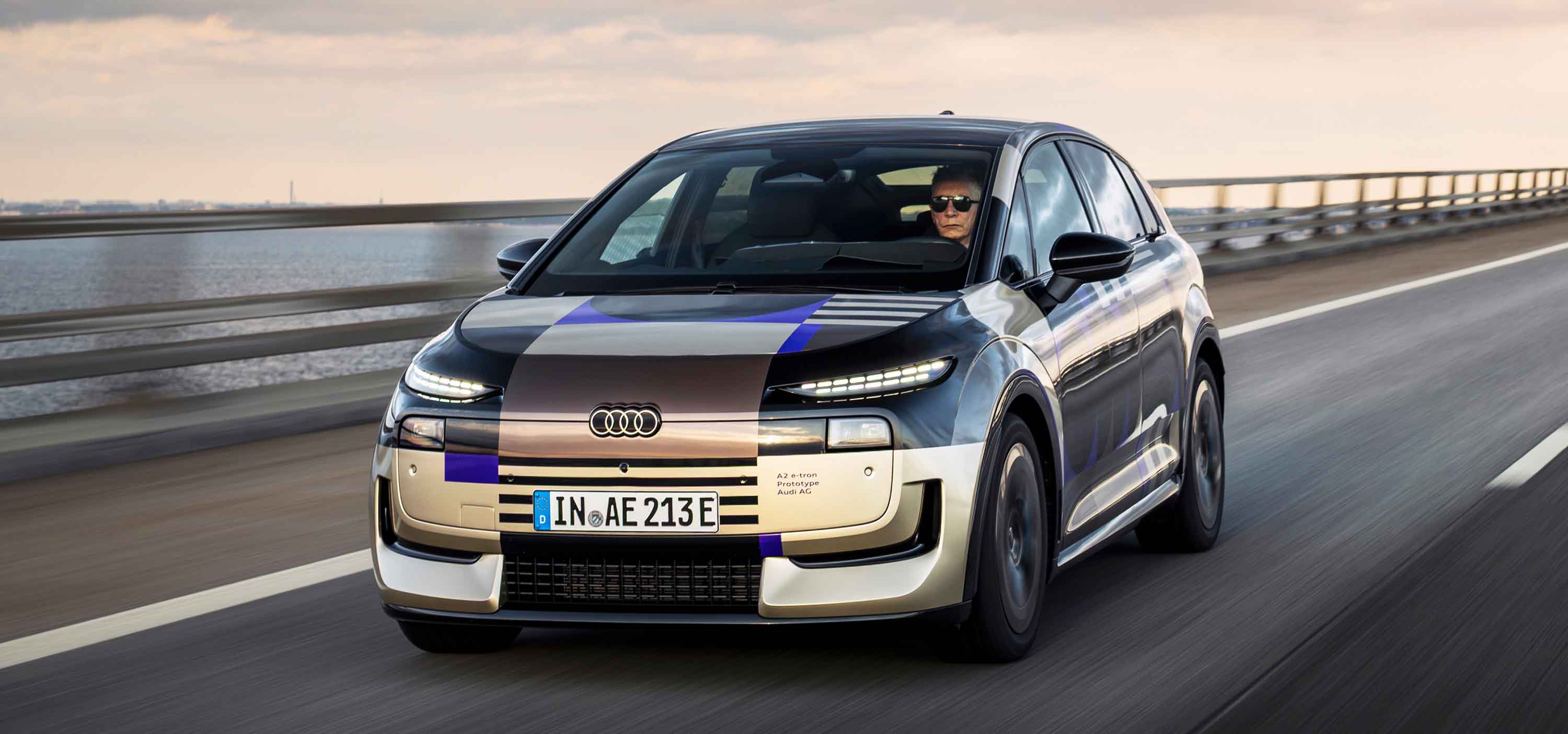
A2 e-tron becomes Audi’s efficiency champion
Published Date :
Audi’s upcoming compact electric model records a preliminary WLTP consumption of 12.8 kWh/100 km, aided by a 0.24 drag coefficient, an efficient 140 kW motor and a 61 kWh LFP battery.
Audi has revealed further technical details of the upcoming A2 e-tron, which the company describes as its most efficient production model to date. In 140 kW form with the optional efficiency package, the compact electric car records a preliminary WLTP energy consumption figure of 12.8 kWh per 100 km. Audi attributes the result to improvements in aerodynamics, power electronics, electric-motor design, transmission efficiency and battery management. The A2 e-tron is scheduled to make its public debut in autumn 2026, when it will join Audi’s range as an all-electric entry-level model in the compact segment.
Aerodynamics cut energy consumption
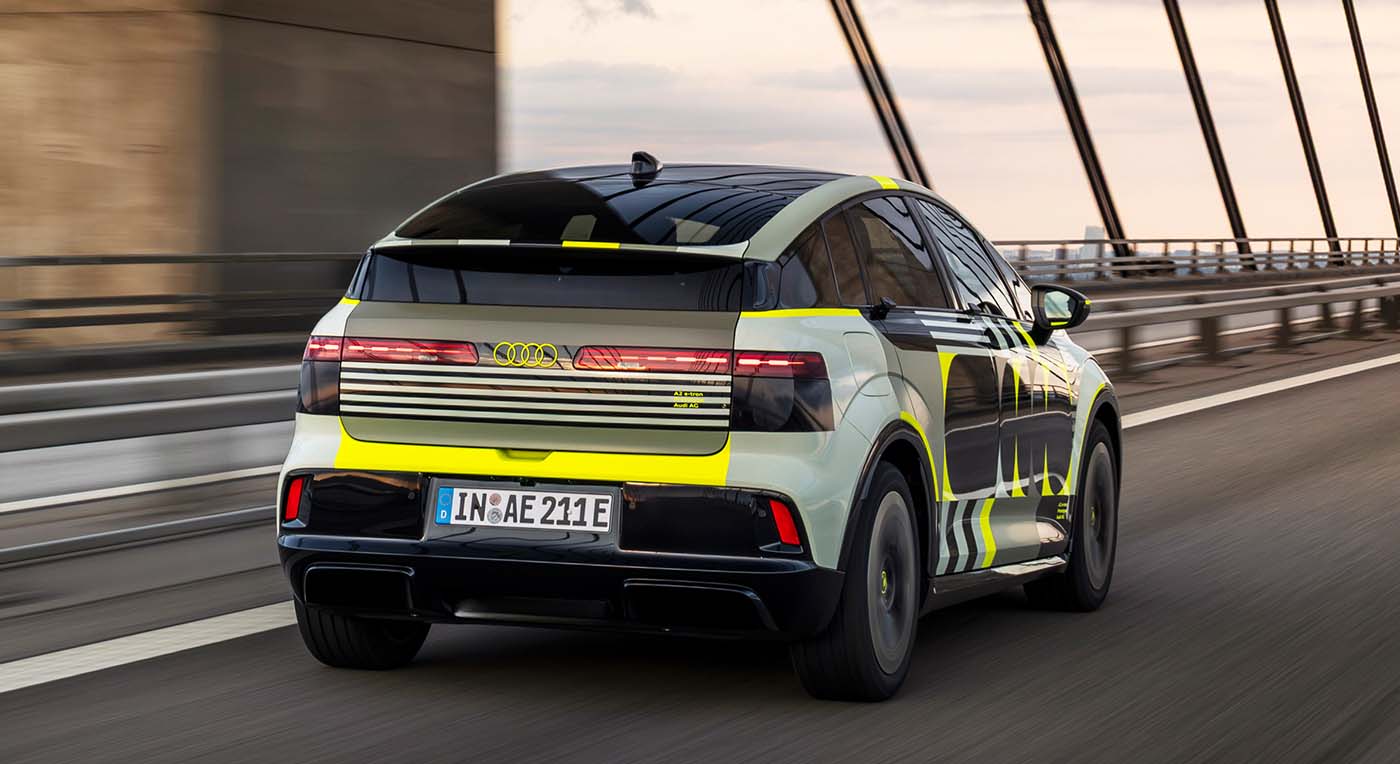
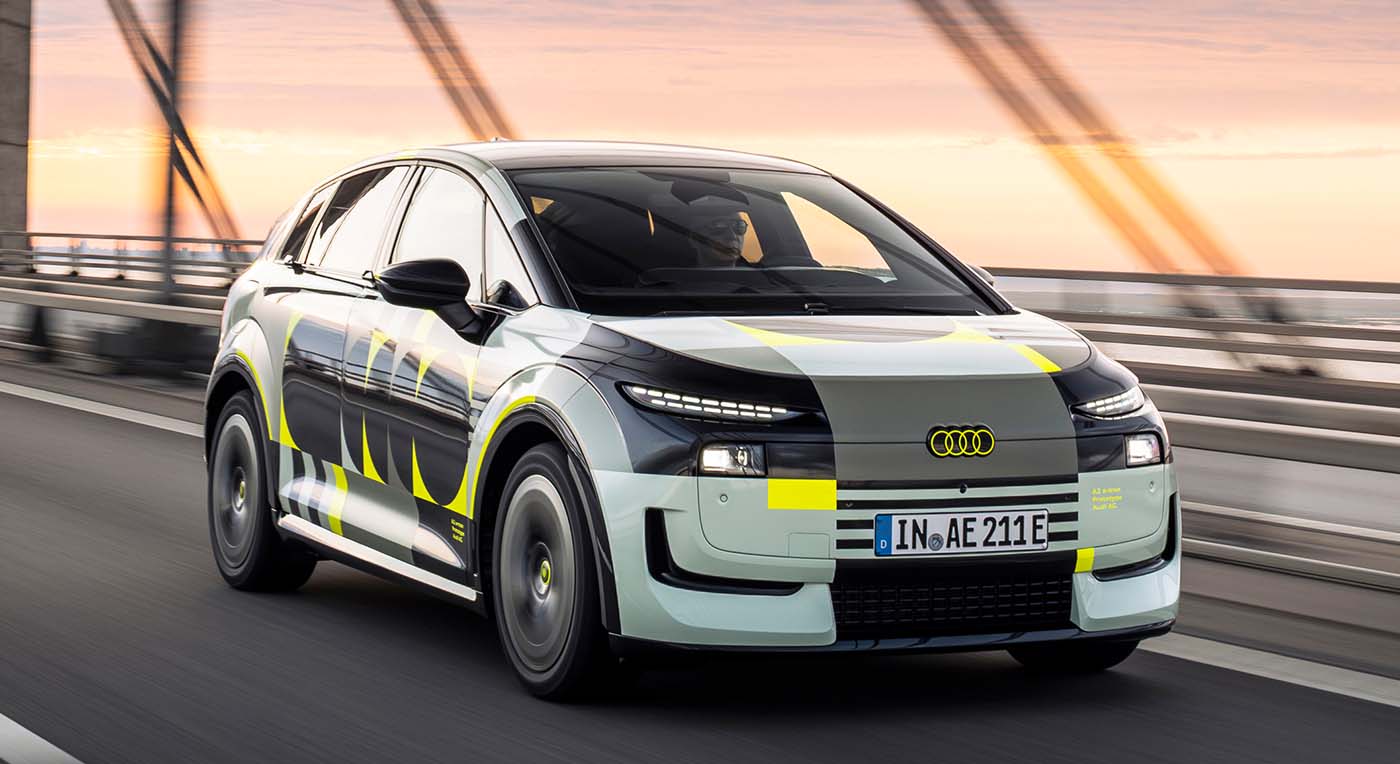
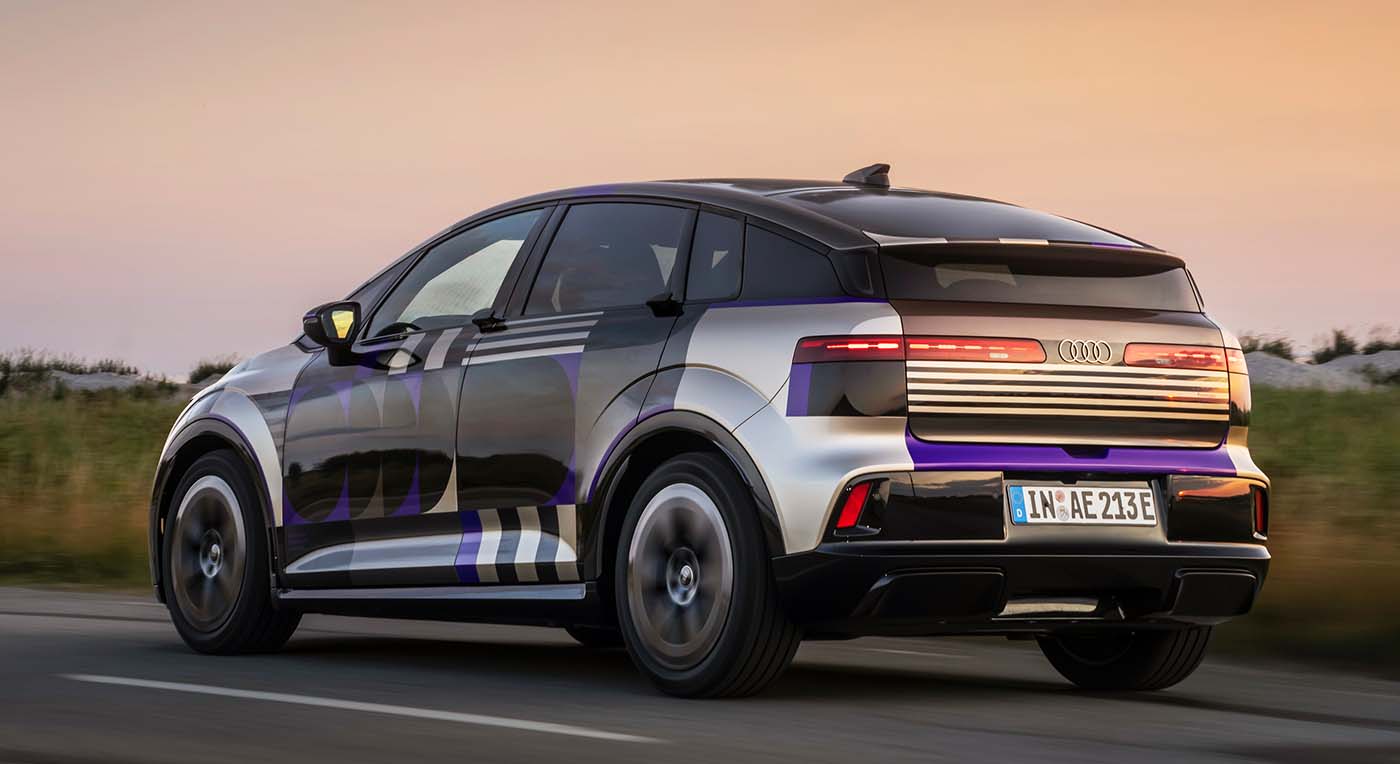
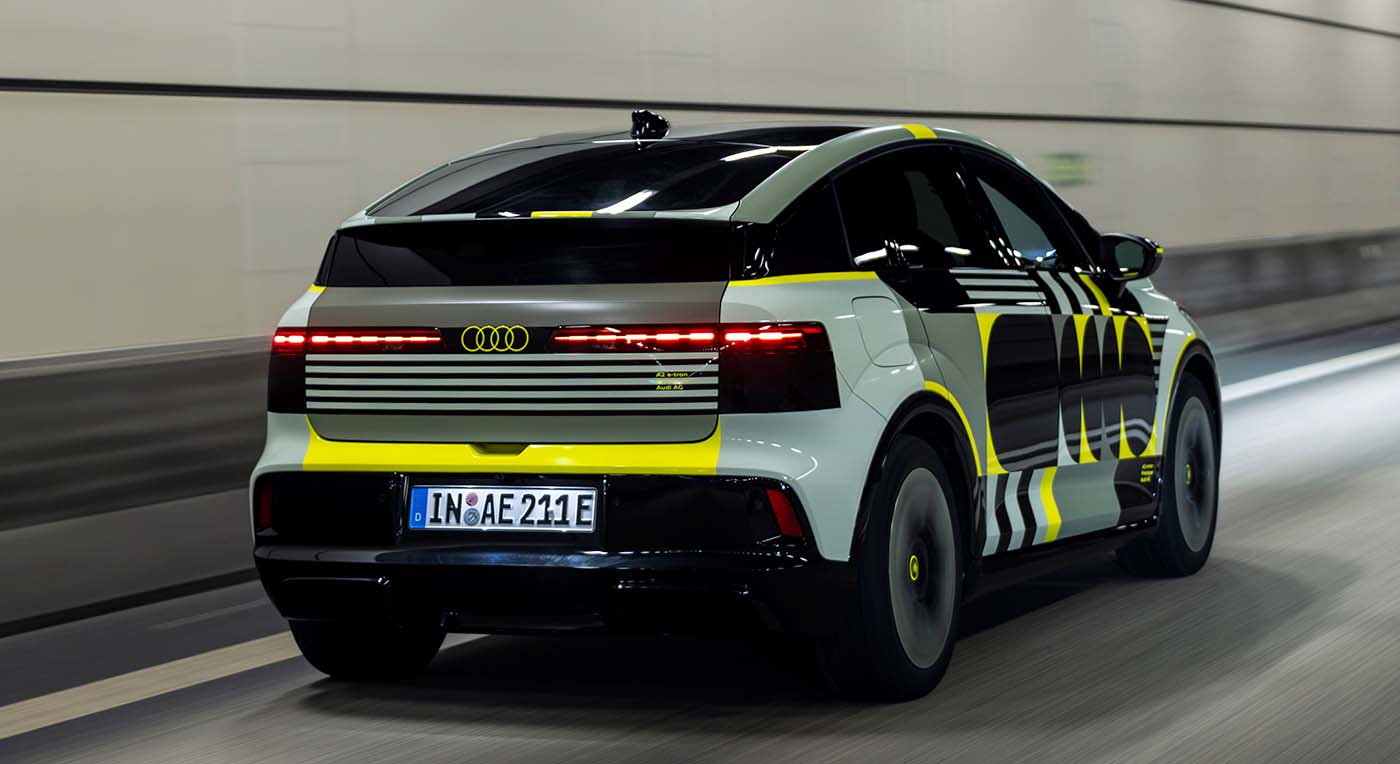
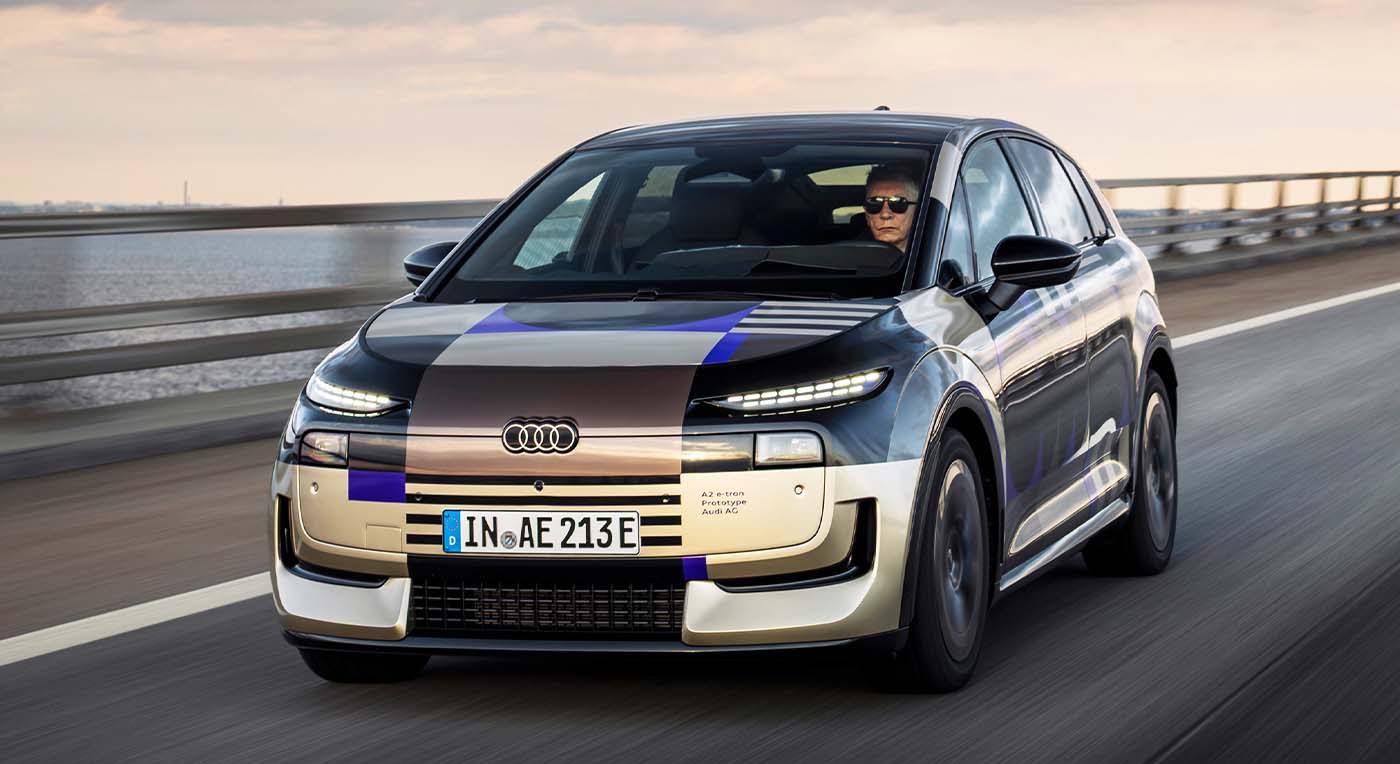
The A2 e-tron 140 kW with the efficiency package has a drag coefficient of 0.24, making it the most aerodynamically efficient model in Audi’s compact line-up.
Its exterior features a rounded front end, flowing roofline and sharply defined rear section. Air curtains redirect airflow around the front corners, while gap reducers and gap breathers are used to reduce turbulence around the wheel arches.
An active cooling-air intake remains closed during normal driving and at higher speeds to reduce drag. It opens when additional cooling is required, including during charging, rapid acceleration or high-temperature operation.
Audi says the combined aerodynamic measures can reduce WLTP energy consumption by as much as 0.9 kWh/100 km compared with an equivalent vehicle without the efficiency upgrades.
More efficient electric drive
The A2 e-tron uses a permanently excited synchronous motor developed to prioritise efficiency and refinement in everyday driving.
Silicon carbide semiconductors replace conventional silicon components within the power electronics, reducing switching losses, particularly under partial load. Audi says a variable switching frequency can cut losses by up to 20 watts, while alternative modulation techniques can reduce switching losses by as much as 33 per cent.
The electric motor also uses thinner 0.2 mm laminations instead of 0.3 mm components to reduce iron losses. Its stator winding changes from a star to a delta configuration, allowing the motor to operate more frequently within its most efficient speed range.
A new low-friction transmission oil further reduces mechanical losses, while a tall 10.2:1 gear ratio lowers motor speed during higher-speed driving. Audi says the upgraded drive system can be up to 10 per cent more efficient.
61 kWh LFP battery
The 140 kW A2 e-tron is equipped with a 61 kWh lithium iron phosphate battery using a cell-to-pack construction.
Rather than installing the cells within separate modules, Audi bonds them directly into the battery housing, increasing packaging efficiency and allowing more of the available space to be used for energy storage.
Audi says the LFP battery ages more slowly than many alternative chemistries and can be routinely charged to 100 per cent during everyday use. Its relatively flat voltage curve also helps maintain consistent power output as the state of charge falls.
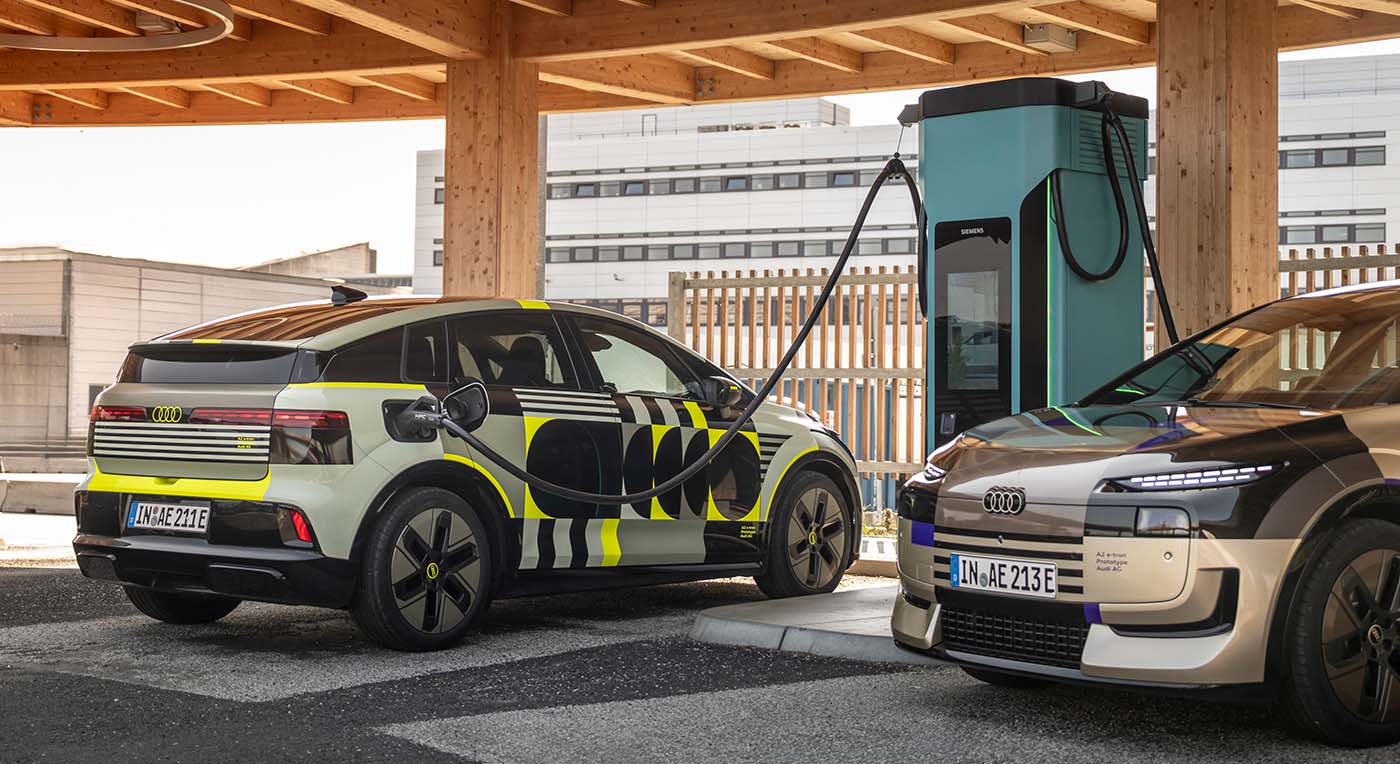
An adapted cooling strategy gives the battery a claimed wallbox charging efficiency of 89.6 per cent, reducing the amount of energy lost during charging. Dedicated software monitors the battery’s state of charge and state of health.
Audi has not yet announced the A2 e-tron’s official WLTP driving range or maximum charging speeds.
Bidirectional charging included
The A2 e-tron will support Vehicle-to-Load technology, allowing owners to power compatible external electrical devices directly from the car.
Vehicle-to-Home capability will also allow the vehicle’s battery to operate as an energy-storage system for a household when used with an Audi-recommended charging box.
Vehicle-to-Home functionality will initially be available in Germany, Austria and Switzerland. Availability in other markets has yet to be confirmed.
Debut scheduled for autumn 2026
Audi says the A2 e-tron carries forward the efficiency-led philosophy of the original A2, including the low-consumption three-litre version introduced during the model’s original production run.
The new electric model will be unveiled in autumn 2026. Final specifications, driving range, charging performance, prices and international-market availability will be announced closer to its launch.





Loading comments...