
The China-built Voyah Free SUV picks up where the Rabdan left off, retaining its estate-like styling while offering a compelling résumé that includes REEV technology with a range of over 1,000km and a plush cabin with a funky retractable dashboard—all for an enticing AED 165,000.
Chinese cars are all the rage. What began with affordable sedans and crossovers now extends to luxury and performance models, with a new contender appearing almost every month. One of the latest is Voyah, Dongfeng Motor Group’s premium intelligent EV brand, founded in Wuhan in 2018 and its line-up includes the Free, Dreamer and, in other markets, the Chasing Light.We borrowed the 2025 Voyah Free to assess its design, comfort, features and driving experience. It was free for us for a few days, but ownership costs around AED 165,000 for the 2025 version…not an unreasonable ask when you consider what it offers.
Thankfully, this one has not been christened with an alphanumeric jumble. Voyah is derived from “voyage”, while its wing-shaped emblem is inspired by Kunpeng, a mythical Chinese creature that transforms from a fish into a giant bird, symbolising freedom, transformation and limitless ambition.
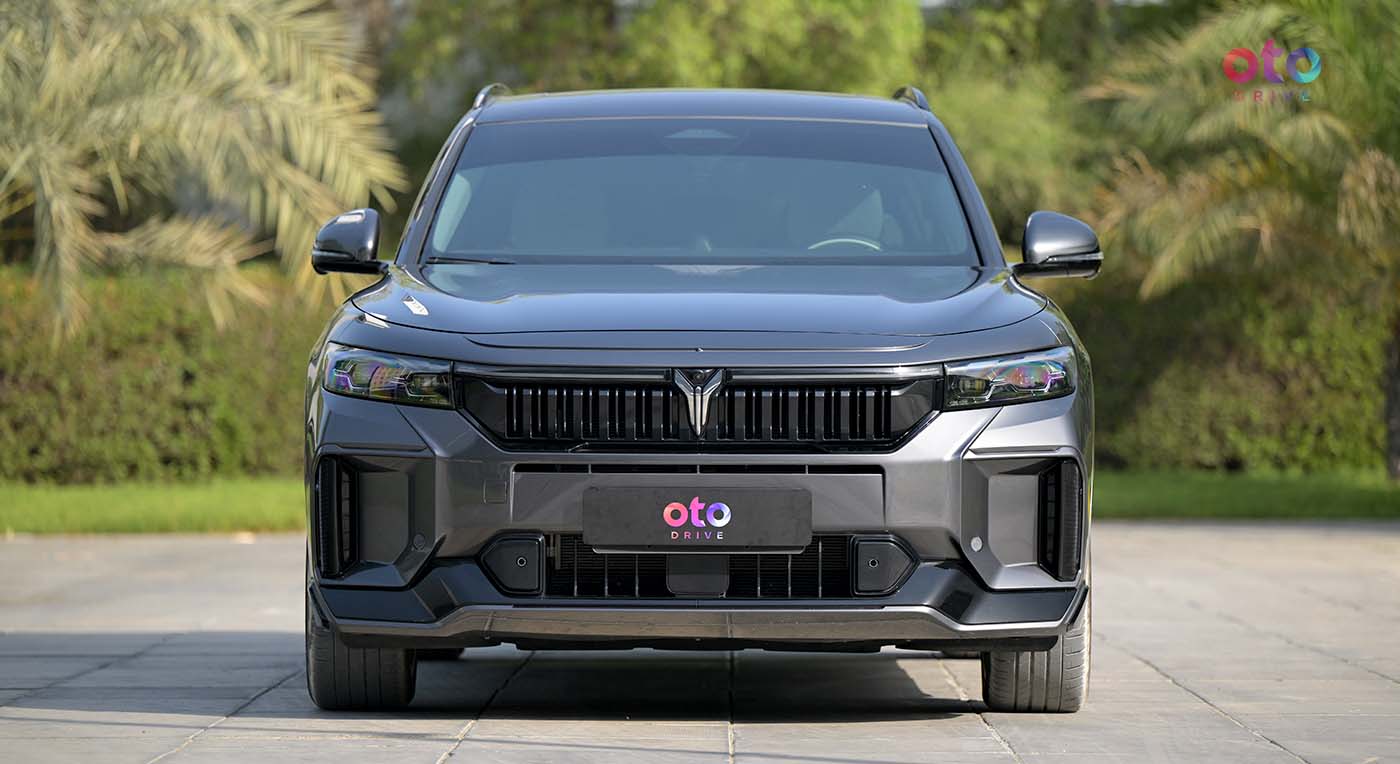
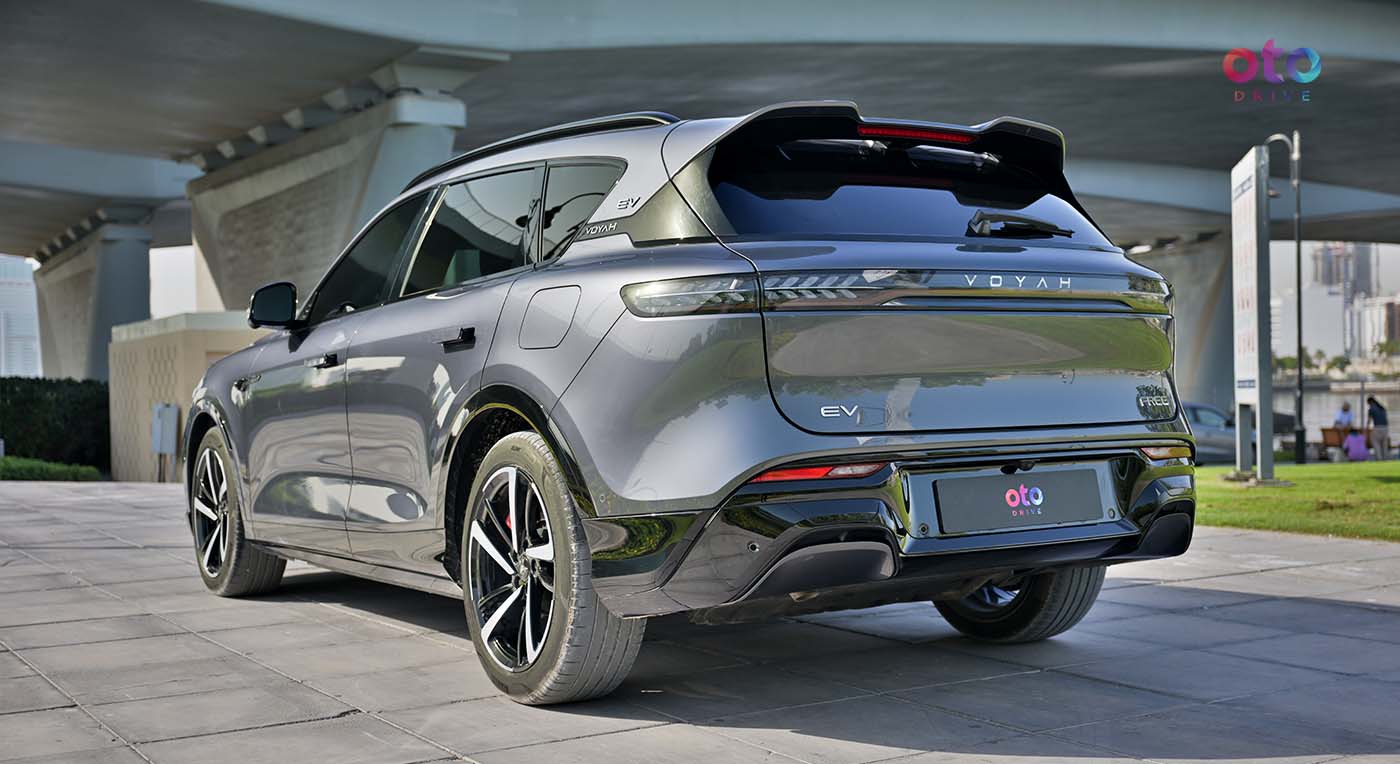
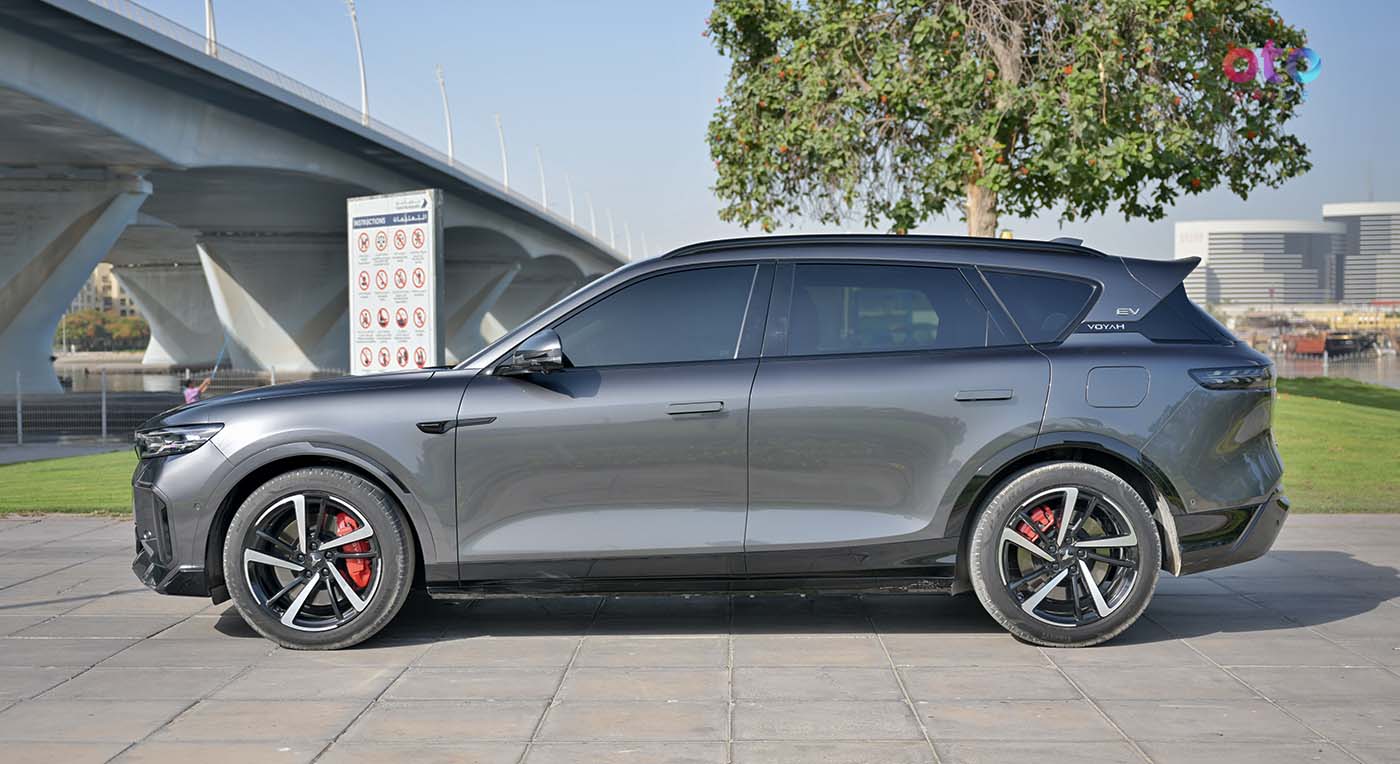
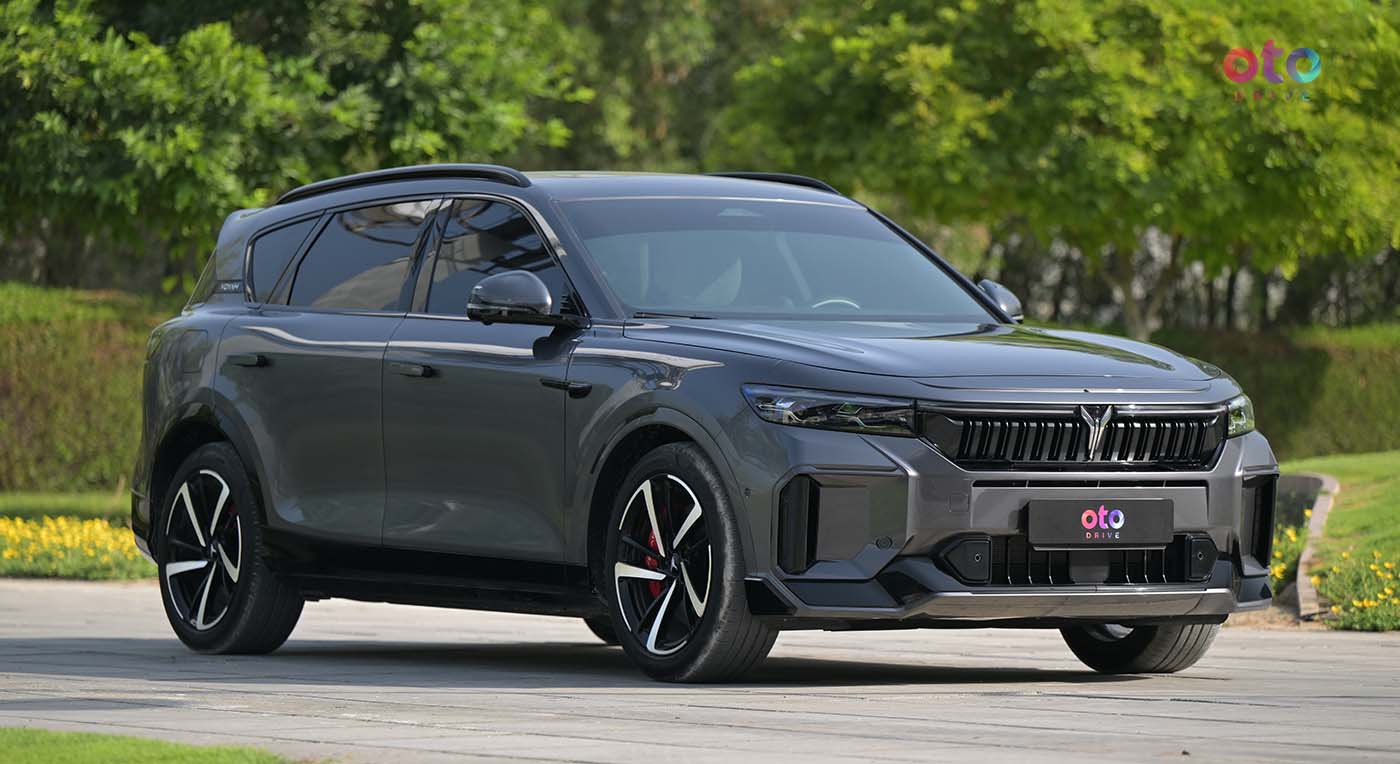
The Voyah Free shares its foundations with the Rabdan One, the UAE’s first locally produced new-energy vehicle. It looks more like a raised station wagon than a conventional crossover and has significant road presence.
It is deceptively large, measuring 4,905mm long, 1,950mm wide and 1,645mm tall, with a 2,960mm wheelbase. Despite its size, its aerodynamic design helps it achieve a claimed drag coefficient of just 0.28.
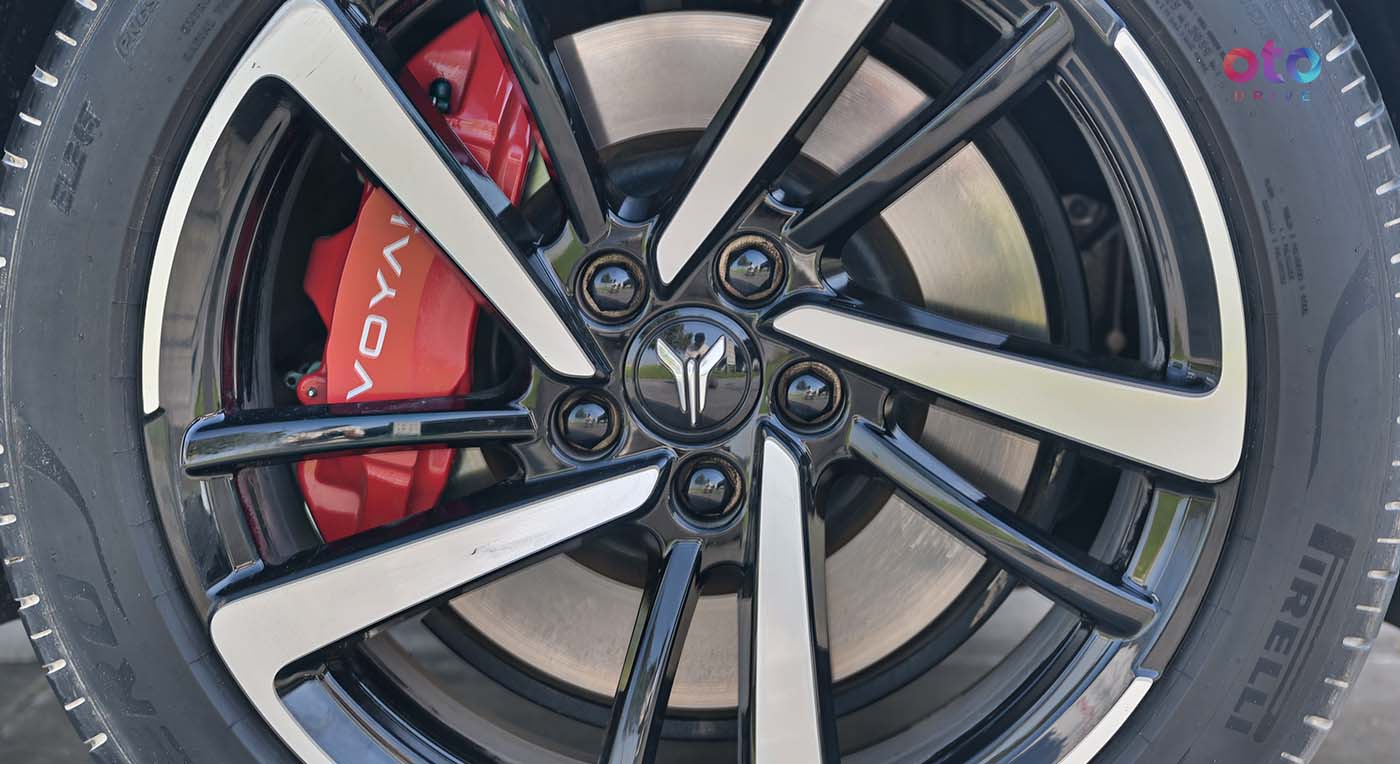
BMW-esque twin lamps flank a vertically slatted black grille divided by Voyah’s Kunpeng-inspired emblem. The estate-like profile features blacked-out pillars, flush door handles, a Voyah-branded D-pillar strip and dual-tone 20-inch wheels wrapped in 255/45 R20 tyres. A low nose and raised rear create a crouched stance.
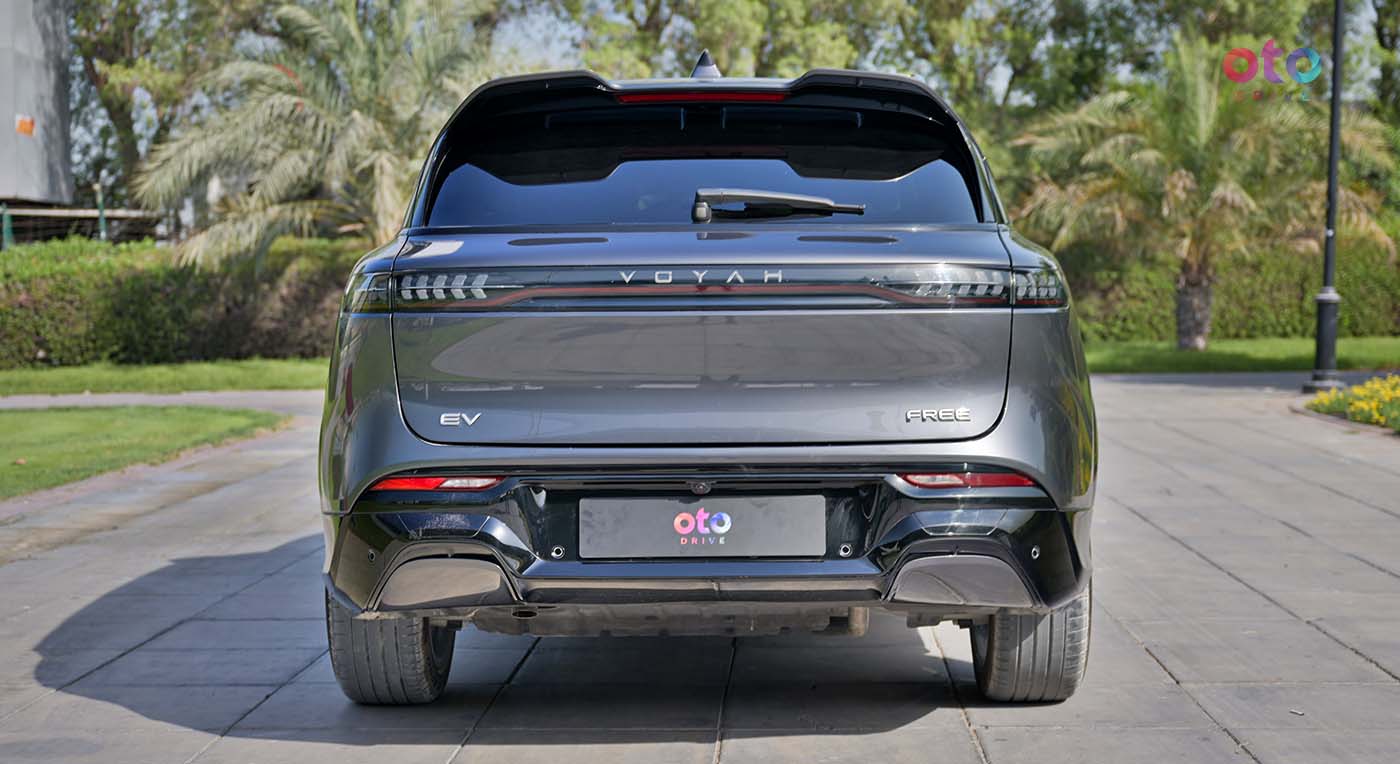
At the back, full-width lights with arrow-shaped animations, twin “cat-ear” spoilers and a subtle diffuser add visual richness, while the powered-tailgate button is neatly integrated into the base of the rear wiper. Despite being a new name, the Free has a clear identity and would look perfectly at home in an upmarket neighbourhood.
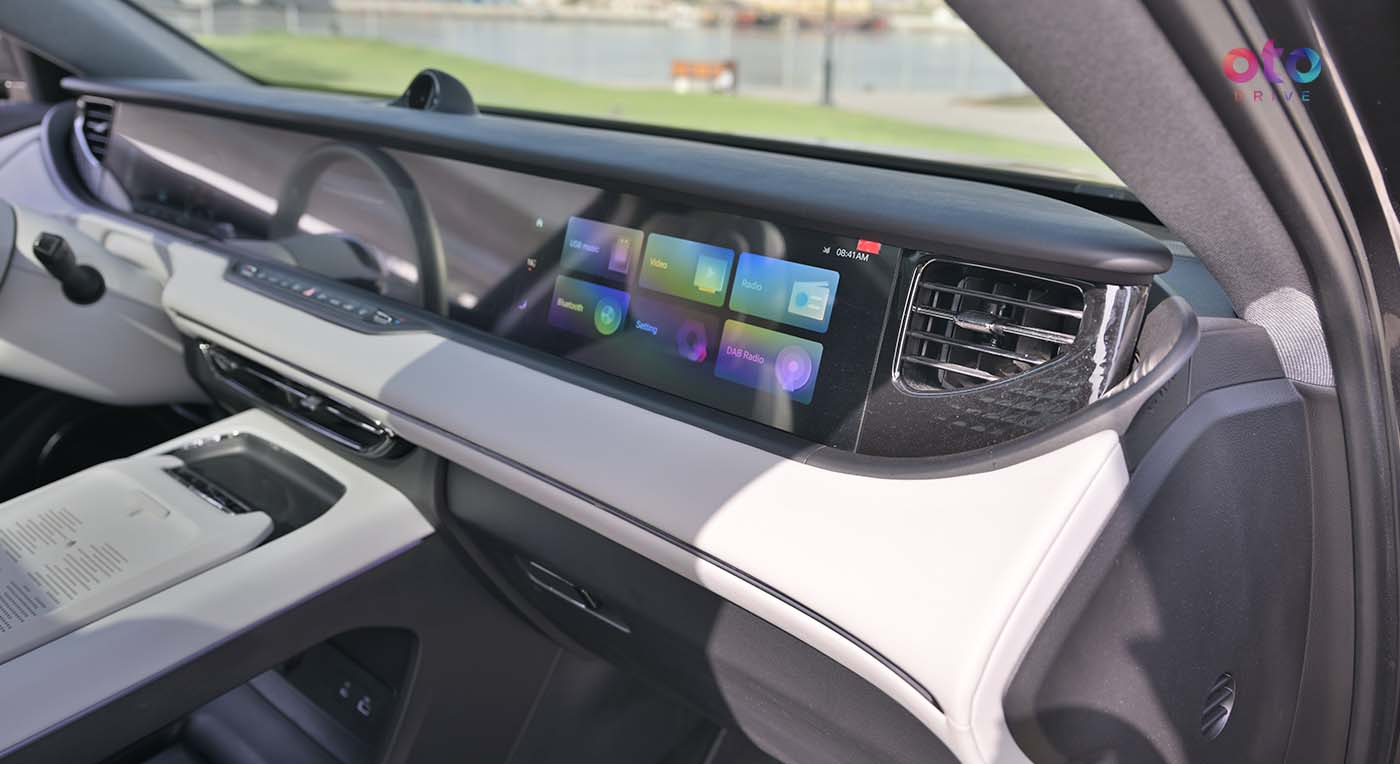
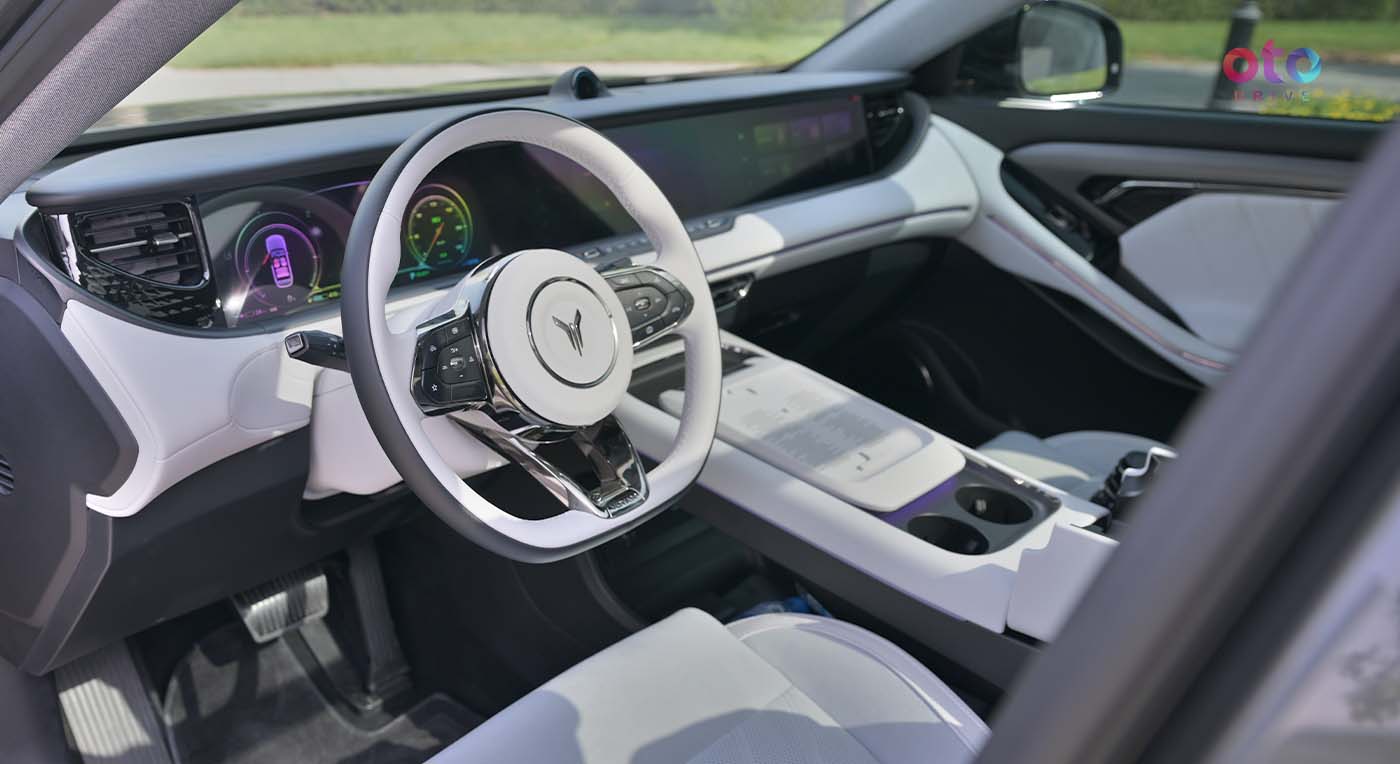
The doors feel reassuringly substantial, reinforcing the Free’s premium character. Inside, it blends space and technology in a way that exudes luxury, with a tasteful black-and-white colour scheme, slim dark-chrome accents around the vents and steering wheel, a pillar-to-pillar triple-screen display and a mélange headliner.
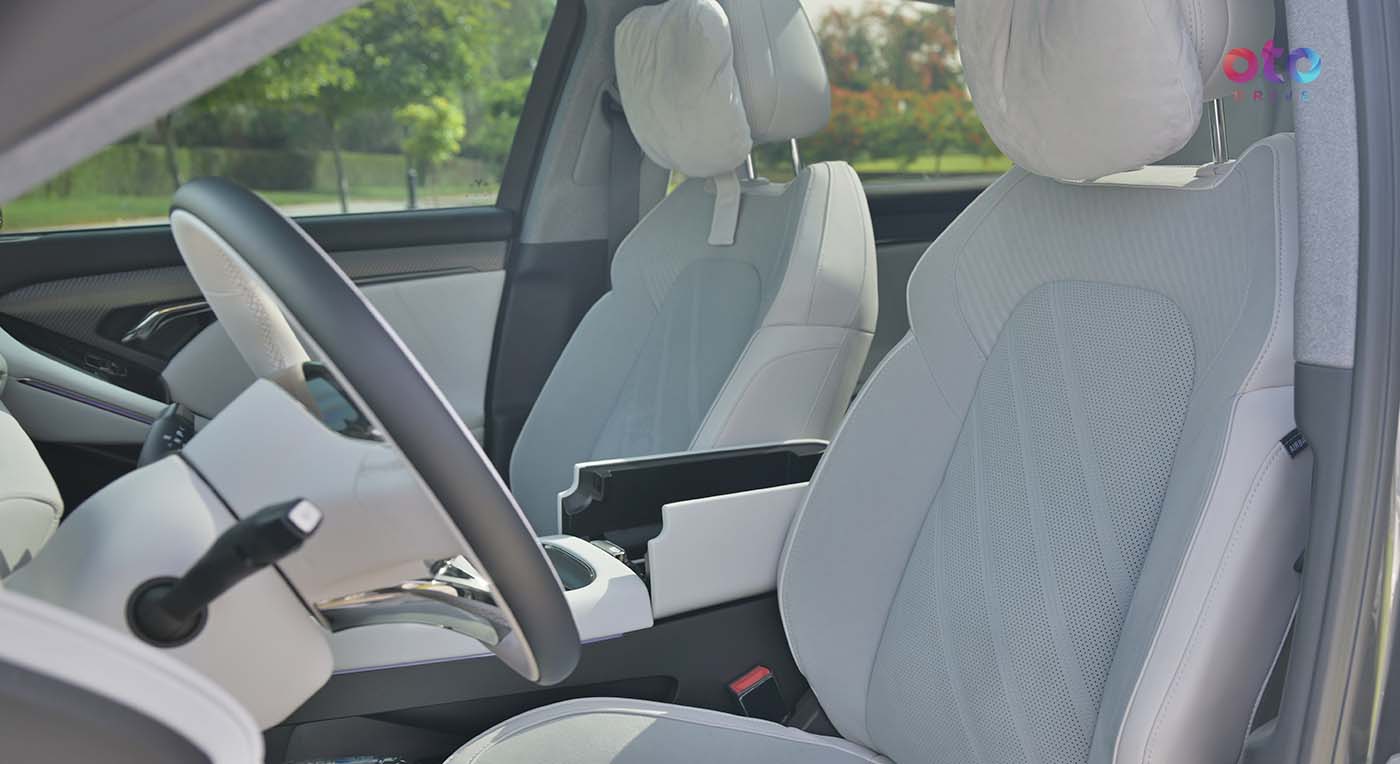
The driving position is comfortable, while the light grey Alcantara, vegan-leather upholstery, OEKO-TEX-certified materials, supportive seats and pillow-style headrests enhance the sense of luxury.
The chunky three-spoke steering wheel feels good to hold, and its large, clearly marked buttons are easy to use, reminiscent of those found in Stellantis products. The column-mounted transmission selector frees up space on the centre console, where a raised, island-style platform houses two phone pads, one incorporating a 50W wireless charger with beautifully designed ventilation perforations.
Carbon-fibre-style trim, white Alcantara and Dynaudio speakers elevate the rear doors, while generous headroom and legroom give the back seat an almost limousine-like feel. Metal Voyah lettering on the front seatbacks and a large panoramic sunroof add further visual appeal.
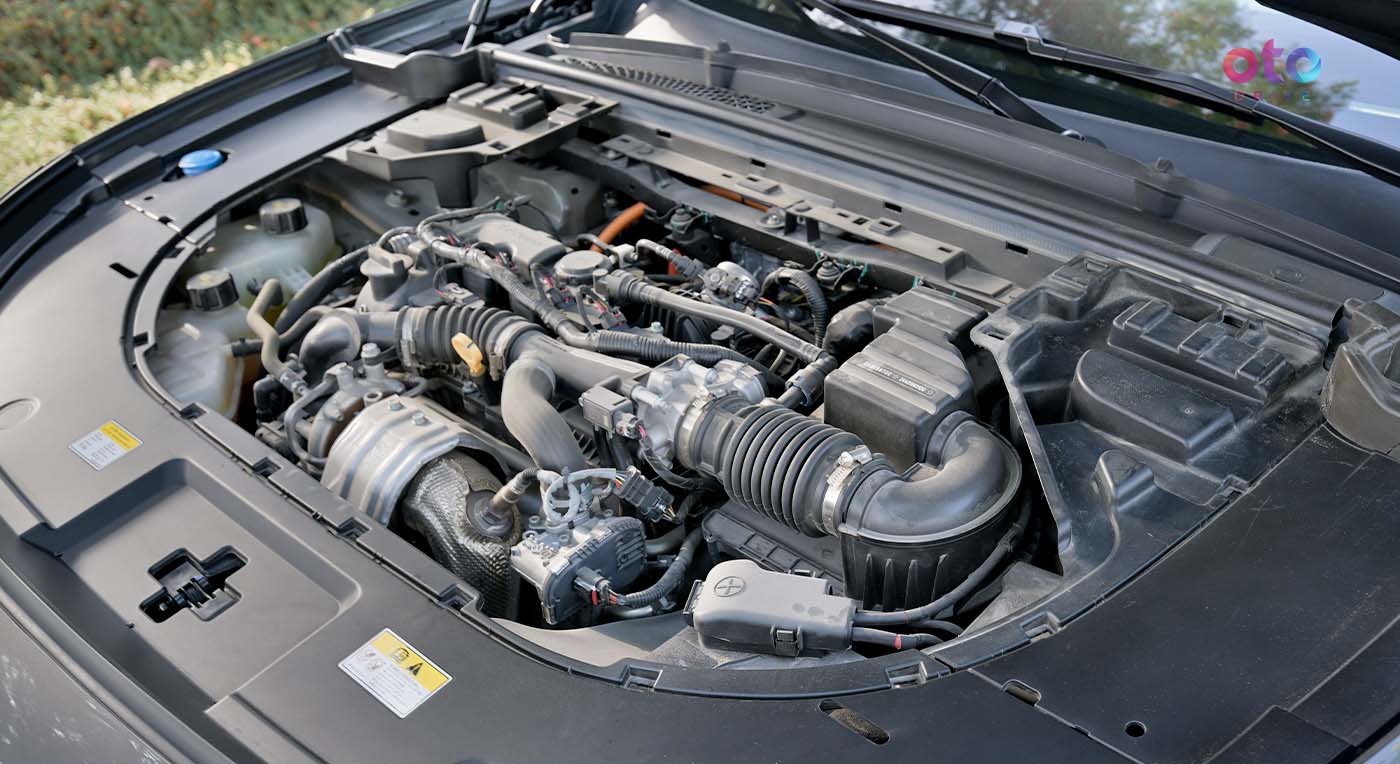
The Free uses EREV technology. Beneath the covered engine bay sits a turbocharged 1.5-litre petrol engine that primarily acts as a generator for the 43kWh battery, which powers two permanent-magnet synchronous motors, one on each axle. Together, they produce 360kW, or 489PS, and 720Nm of peak torque.
The brochure quotes a 259km electric range and a 1,357km combined range under the CLTC cycle. Our display showed around 159km of electric range and approximately 700km from the petrol range extender, giving an indicated total of about 850km. A real-world range of over 1,000km may be achievable with a gentle right foot. My colleague also managed to charge the battery from 15% to 85% in about an hour using a 50kW public charger.
Voyah claims 0–100km/h in 4.5 seconds, although we could not better six seconds even with the battery at around 80%. It feels quick rather than blisteringly fast. Selecting High Energy mode sharpens its responses and lowers the triple-screen display into the dashboard for a more focused view, albeit with less visible screen area.
The long 2,960mm wheelbase and air suspension deliver a comfortable ride on Dubai roads, while up to 100mm of height adjustment is useful when loading. AWD and 255/45 R20 tyres provide reassuring grip, but the brake pedal has too much initial travel and the steering lacks accuracy and feedback, leaving the Free smooth and capable but short on driving character.
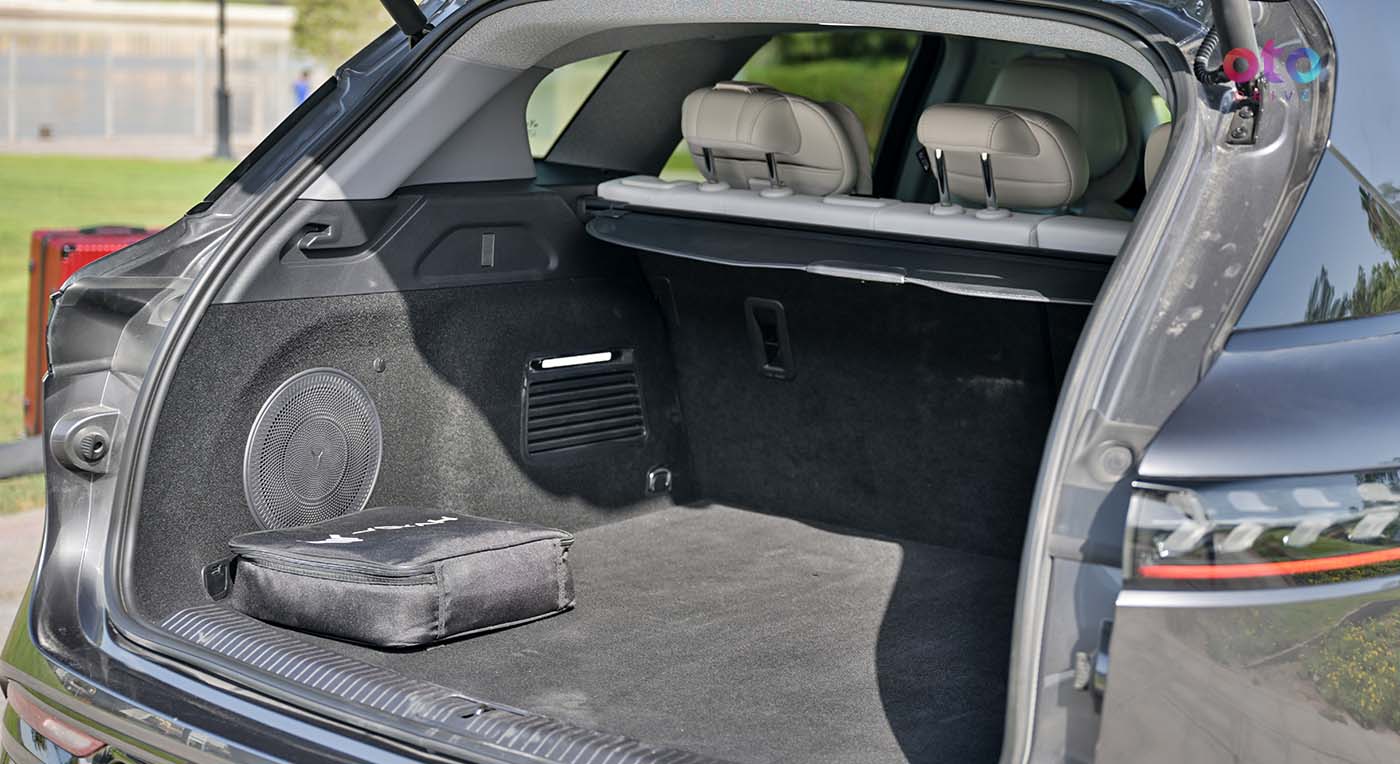
Storage is adequate rather than exceptional, with small central cupholders, a medium-sized centre cubby and a rubber-lined shelf beneath the floating console. The illuminated boot includes retractable bag hooks and a tonneau cover, offering 560 litres of capacity, expanding to 1,320 litres with the second row folded.
Nap mode adjusts the seats, climate control and music settings for a short rest. Other comfort features include heated, ventilated and massaging front seats, dual-mode headrests and three selectable fragrances: Watery Mist, Peony Scarlet and Fresh Bamboo.
The infotainment system uses a Qualcomm Snapdragon 8155 processor. It is reasonably responsive and reliable, although no longer the latest chipset, while a Wi-Fi hotspot keeps occupants connected. Voice control, however, did not work reliably during our test.
The front-passenger display provides access to video, radio, Bluetooth and vehicle settings, although its functionality is comparatively limited. The low-mounted central air vents work adequately despite their less-than-ideal position, while the PM2.5 filtration is a relief for asthma sufferers. Rear passengers receive a climate-control touchscreen, central air vents and USB-A and USB-C ports.
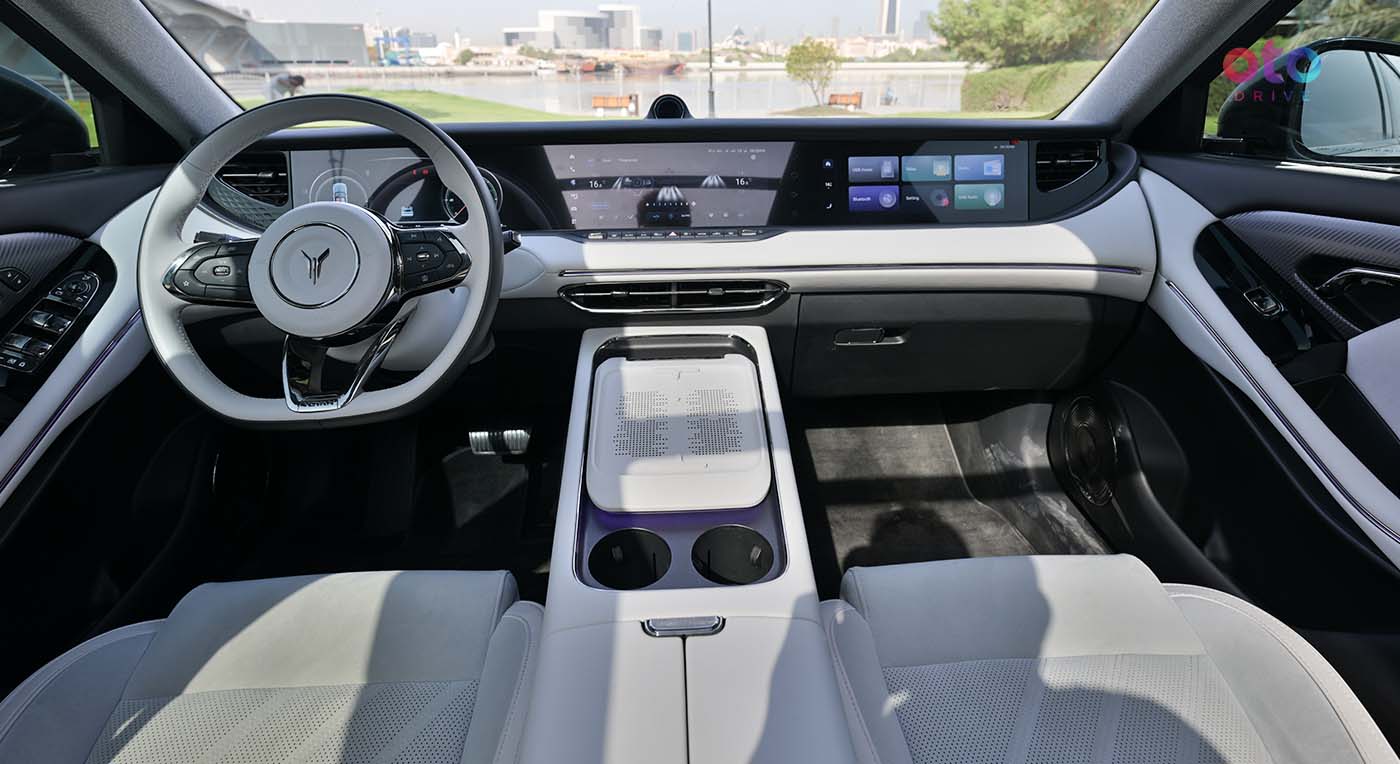
Parking is made easier by the 360-degree camera, although the landscape-oriented display limits the size of the camera view. An automatic parking system is also included. The Free additionally features exterior recording cameras, a DVR-style driving recorder and an internal rear-facing camera that allows parents to monitor children without turning around.
Safety equipment includes autonomous emergency braking, blind-spot detection, forward-collision warning, lane-keeping assistance, adaptive cruise control and traffic-sign recognition. The Free also carries a five-star C-NCAP safety rating, while rear ISOFIX mounting points accommodate child seats and a driver-fatigue monitoring system provides additional reassurance.
The Voyah Free is a Chinese luxury SUV with genuine character. Like the Kunpeng creature represented by its emblem, it transforms the familiar underpinnings of the Rabdan One—the UAE’s first locally produced new-energy vehicle—into a large, stylish, estate-like crossover with a beautifully crafted cabin, generous space and abundant technology.
Its dual-motor AWD system delivers strong performance, the air suspension provides a composed ride and the range-extender powertrain combines electric driving with the convenience of petrol refuelling. Our indicated total range of around 850km also makes it easier to live with than many pure EVs.
However, the steering feels numb, the brake pedal lacks precision and voice control was inconsitent, as it is in many vehicles outside Tesla. Resale value and long-term confidence in the relatively new brand also remain uncertain.
At AED 165,000 for the 2025 model, the Free offers convincing luxury, space and performance, making it far more than just another Chinese SUV. The slightly revised 2026 model-year version is priced at AED 190,000.
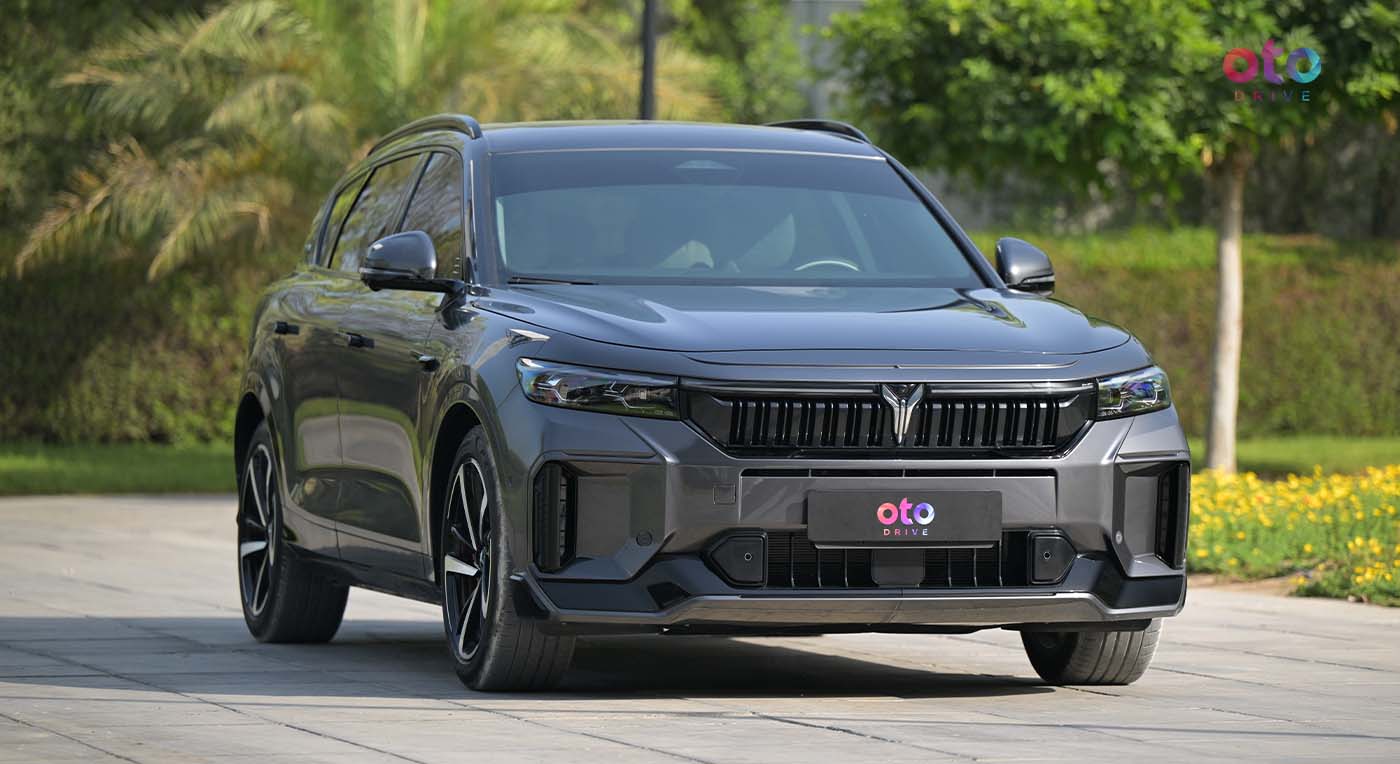
The Voyah Free faces a varied group of UAE rivals. The Toyota Highlander Hybrid is the dependable, resale-friendly seven-seater, the Honda CR-V the sensible family choice and the MINI Countryman the fashionable premium alternative. Chinese competitors include the stylish Exeed RX, the spacious MG RX9, and the efficiency-focused BYD Song Plus DM-i and Ti 7 Super Hybrid. Higher-end alternatives include the technology-led, range-extended AITO 9 and the luxurious six-seat NIO EL8, which is fully electric but considerably more expensive. The Voyah counters with strong performance, a lavish cabin and REEV convenience, although its young badge and uncertain resale value remain concerns.
Get the latest car reviews, auto news, and exclusive stories straight to your inbox. Stay ahead in the automotive world with OTO Drive.

Body type
Five-door, luxury mid-size crossover SUVSeating capacity
FiveDrive system
All-wheel driveMaximum output
360kW (489PS)Maximum torque
720NmCharging
Battery charged from 15% to 85% in around one hour0–100km/h
4.5 seconds (claimed); 6.2 seconds (tested)Top speed
200km/h (claimed)Electric range
259km CLTC claimedCombined range
1,357km CLTC claimedTested indicated range
850km approx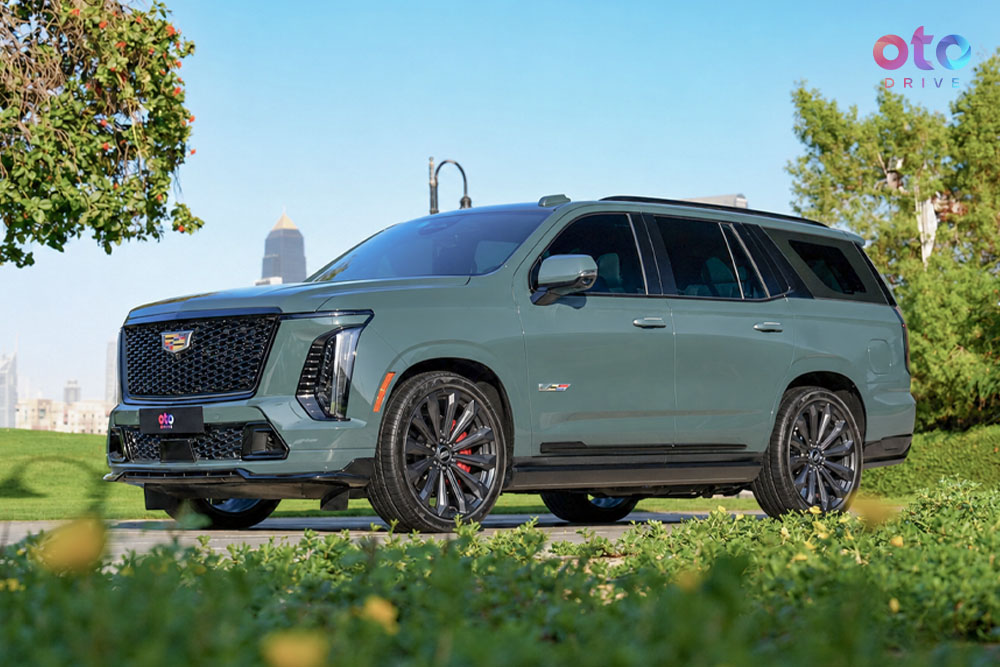
The bullet-fast version of Cadillac’s high-profile luxury SUV combines a mighty 691 PS supercharged V8 with a giant 55-inch display, power-operated doors and first-class comfort. I…
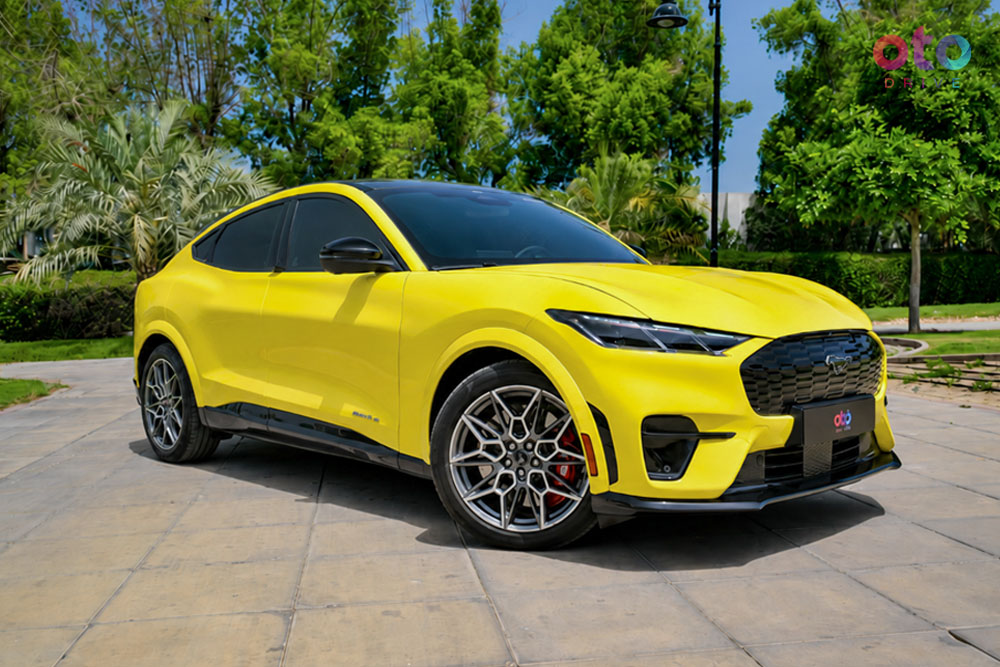
The coveted Mustang badge meets electric crossover practicality, with 487 silent electric horses giving it enough pace and handling to make the two-door V8 GT question its own exis…
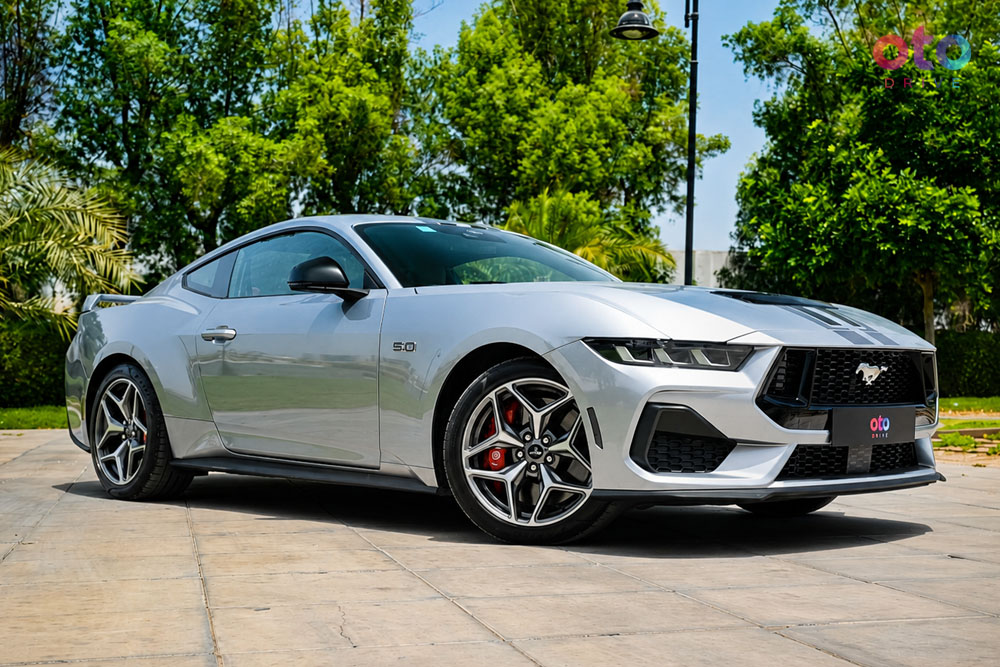
Can one of the world’s most recognisable performance cars, with its svelte yet muscular bodywork and 5.0-litre V8, prove that the original pony car still has its magic in the digit…
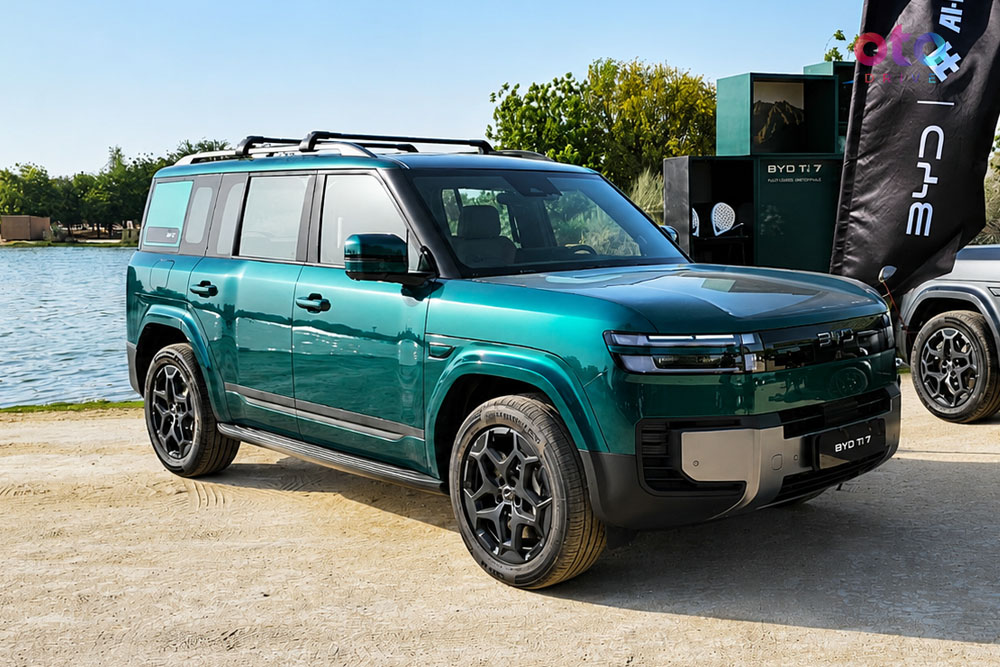
BYD’s flagship Super Hybrid SUV combines rugged styling, family practicality and strong efficiency in a segment that’s getting increasingly competitive
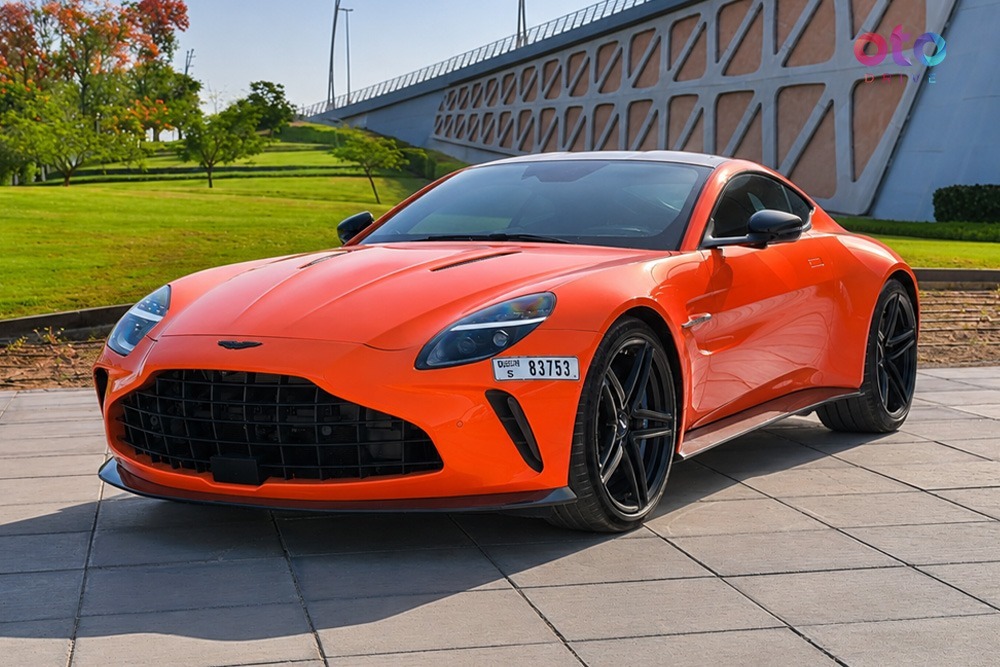
More muscle, more power and more attitude! With 665 PS and 800 Nm, the 2026 Aston Martin Vantage has finally outgrown its “baby Aston” tag and stepped firmly into serious performan…
The bullet-fast version of Cadillac’s high-profile luxury SUV combines a mighty 691 PS supercharged V8 with a giant 55-inch display, power-operated doors and first-class comfort. I…
The coveted Mustang badge meets electric crossover practicality, with 487 silent electric horses giving it enough pace and handling to make the two-door V8 GT question its own exis…
Can one of the world’s most recognisable performance cars, with its svelte yet muscular bodywork and 5.0-litre V8, prove that the original pony car still has its magic in the digit…
BYD’s flagship Super Hybrid SUV combines rugged styling, family practicality and strong efficiency in a segment that’s getting increasingly competitive
More muscle, more power and more attitude! With 665 PS and 800 Nm, the 2026 Aston Martin Vantage has finally outgrown its “baby Aston” tag and stepped firmly into serious performan…
The bullet-fast version of Cadillac’s high-profile luxury SUV combines a mighty 691 PS supercharged V8 with a giant 55-inch display, power-operated doors and first-class comfort. I…
The coveted Mustang badge meets electric crossover practicality, with 487 silent electric horses giving it enough pace and handling to make the two-door V8 GT question its own exis…
Can one of the world’s most recognisable performance cars, with its svelte yet muscular bodywork and 5.0-litre V8, prove that the original pony car still has its magic in the digit…
BYD’s flagship Super Hybrid SUV combines rugged styling, family practicality and strong efficiency in a segment that’s getting increasingly competitive
More muscle, more power and more attitude! With 665 PS and 800 Nm, the 2026 Aston Martin Vantage has finally outgrown its “baby Aston” tag and stepped firmly into serious performan…