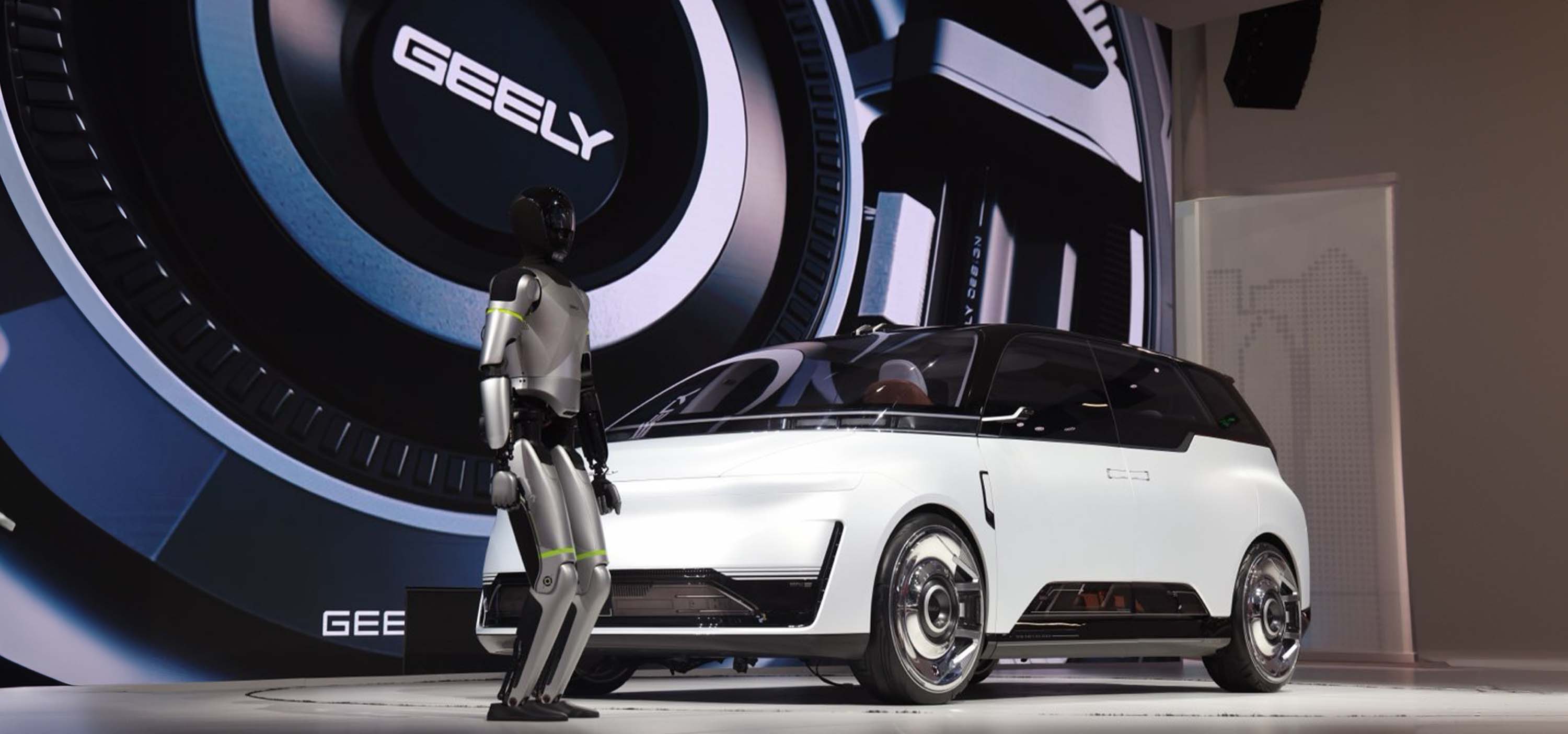
Geely Eva Cab robotaxi debuts | Beijing Auto Show 2026
Published Date :
The “first native robotaxi prototype” is powered by an AI-driven architecture capable of up to 1,400 TOPS of computing performance, enabling real-time decision-making across complex driving scenarios
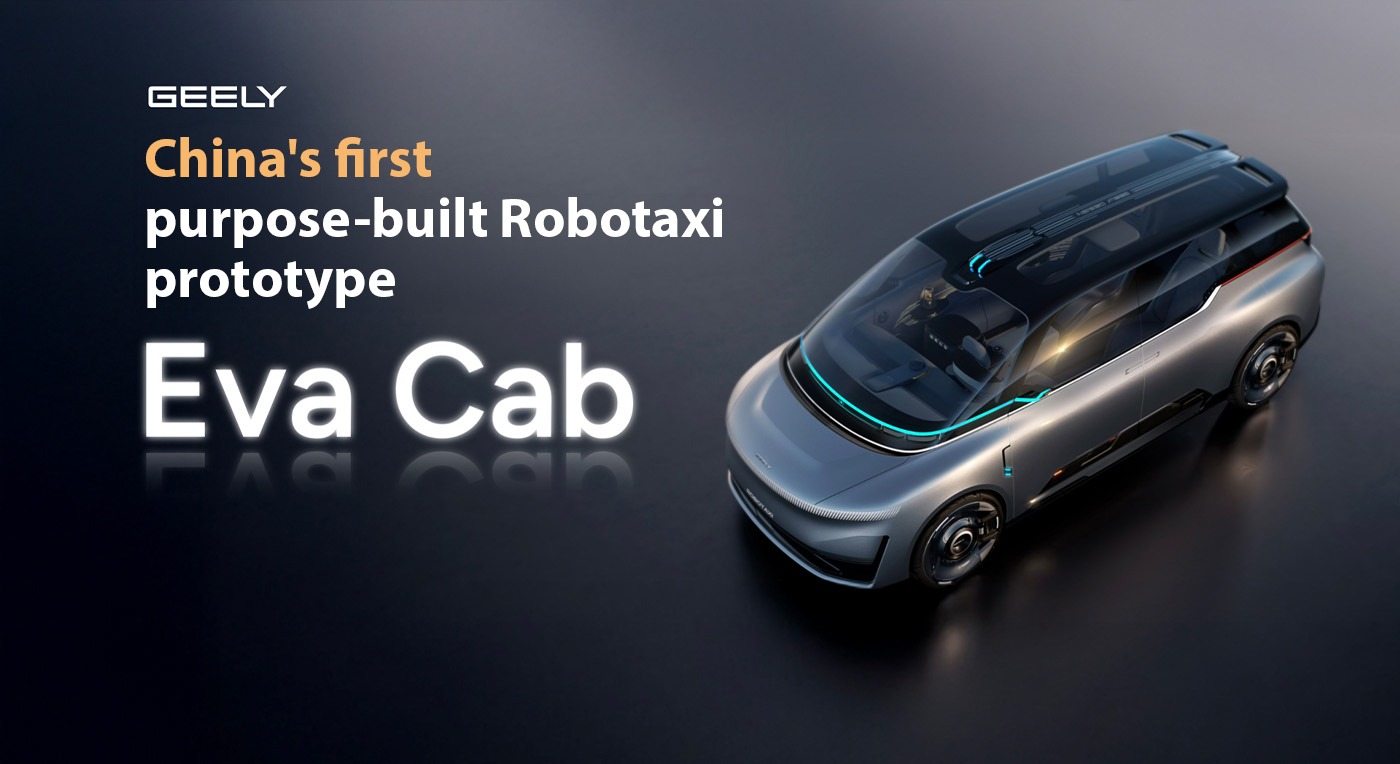
At the 2026 Beijing Auto Show, Geely Eva Cab robotaxi made a clear statement about the future of mobility. Chinese automaker Geely unveiled its first purpose-built autonomous robotaxi, designed from the ground up for driverless ride-hailing. Unlike most self-driving prototypes that evolve from existing passenger cars, the Eva Cab robotaxi has been conceived as a clean-sheet solution, with CarNewsChina describing it as “China’s first native robotaxi prototype.” Developed alongside Afari Technology and Caocao Mobility, the Geely robotaxi represents a rethink of what a vehicle should be in a driverless future. Built around Level 4 autonomy, it eliminates traditional controls, signalling a shift towards mobility-as-a-service. Geely has indicated that a production-ready autonomous taxi for Caocao Mobility, its ride-hailing platform and a rival to Uber is expected to enter service in 2027, with wider rollout to follow.
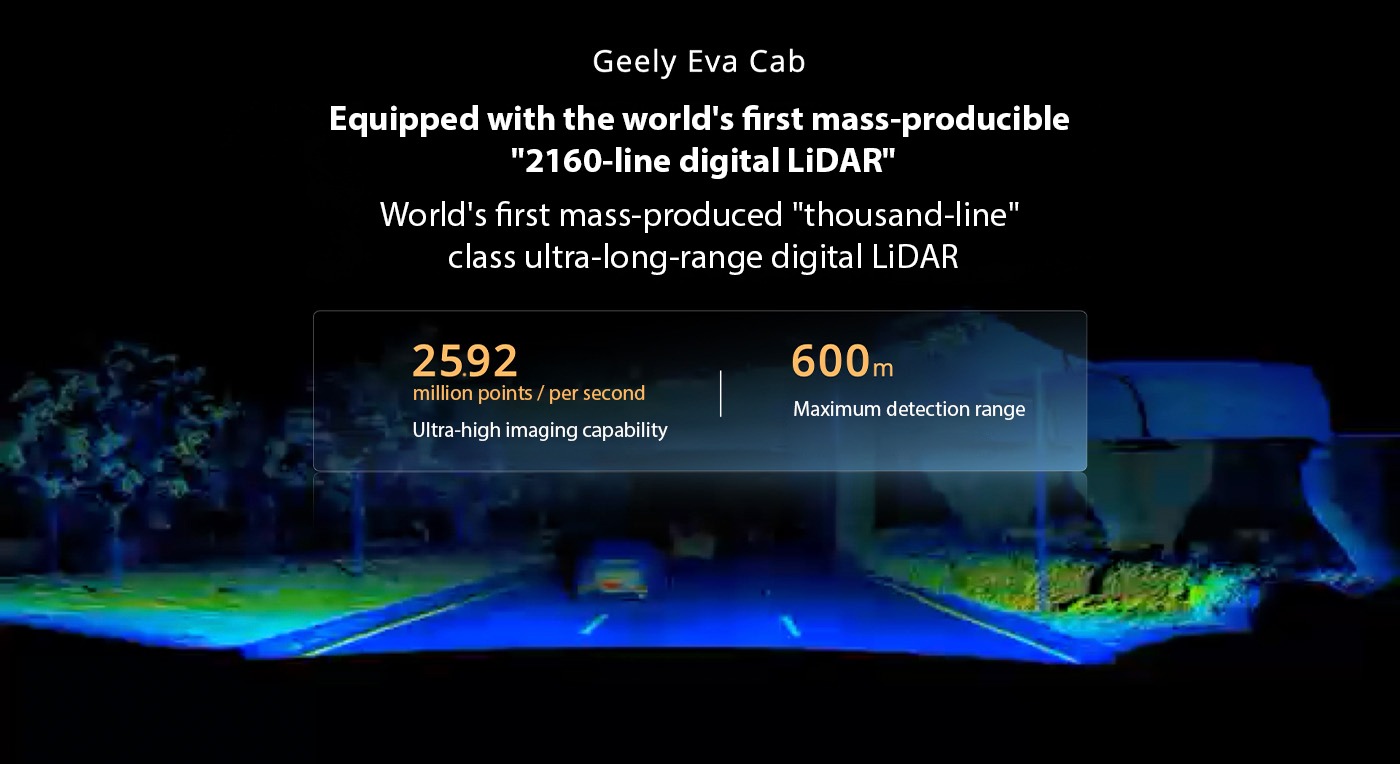
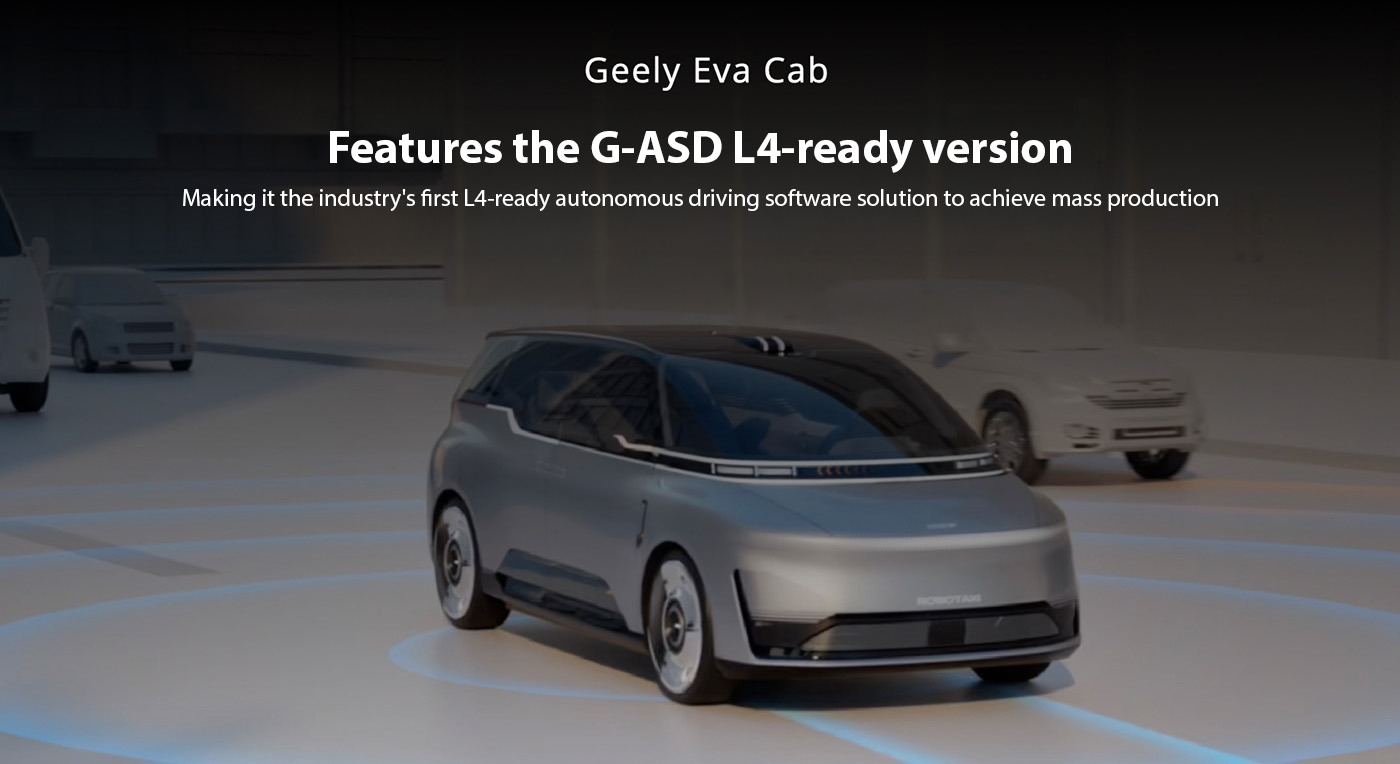


Computing power
The platform is powered by an AI-driven computing architecture capable of up to 1,400 TOPS, enabling real-time processing across complex driving environments. According to CarNewsChina, the system can handle up to 99% of daily driving scenarios, including rural roads and manual toll booths, where many autonomous driving systems still face limitations.
Design
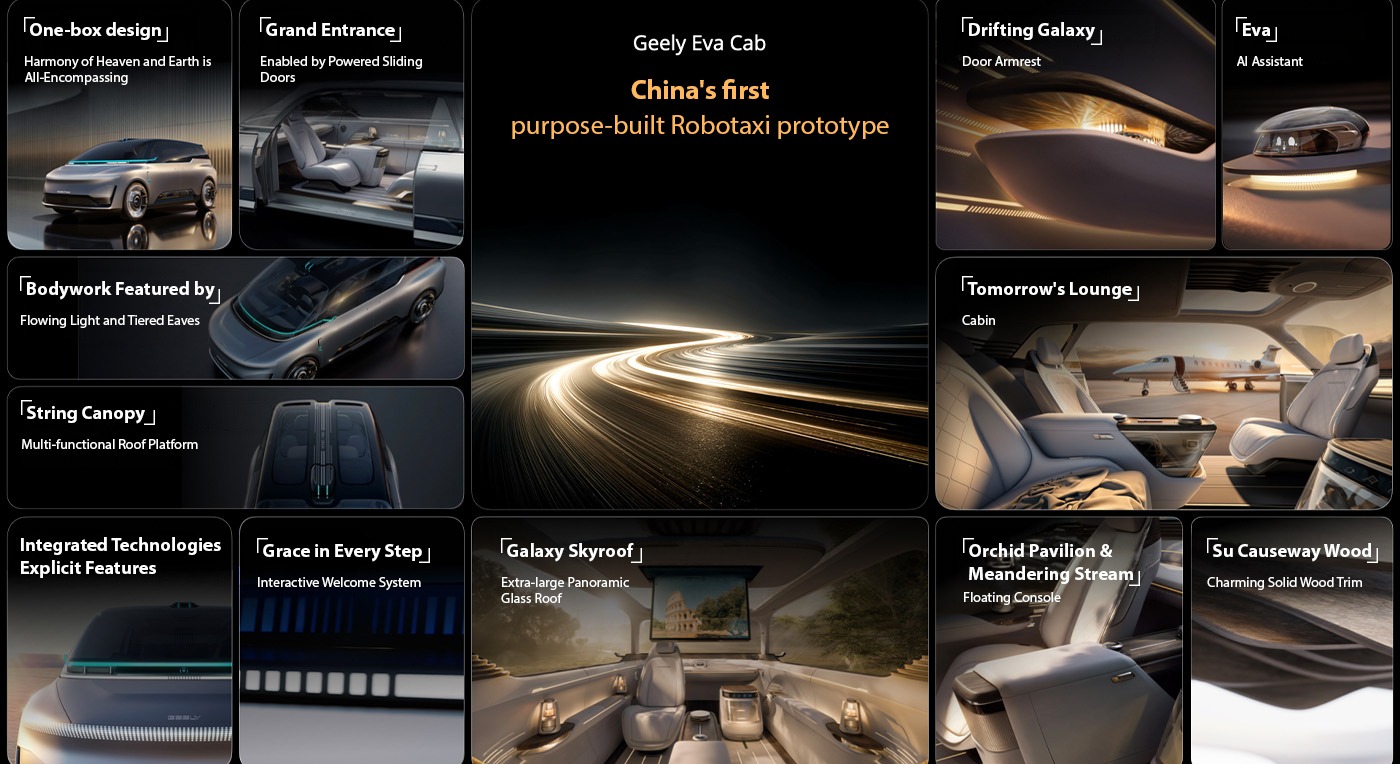
The design reflects this approach. Rather than following traditional automotive layouts, the Geely Eva Cab interior adopts a minimalist, lounge-like cabin, focused on passenger comfort and fleet efficiency. As noted by Autoweek, the cabin limits storage space to reduce the chances of passengers leaving belongings behind, while also simplifying operations. Wide-opening doors further improve accessibility, reinforcing its role as a mobility-first robotaxi rather than a privately owned car.
Rollout plans
Looking ahead, the Geely robotaxi strategy places the Eva Cab autonomous vehicle at its core. Reports from Reuters suggest that Caocao Mobility robotaxis will begin deployment in 2027 across China, Hong Kong, and Abu Dhabi, with plans to scale up to 100,000 robotaxis by 2030.
This appears to be more than just another concept. The Geely Eva Cab robotaxi reflects a broader shift in the industry. As electric vehicles become standard, the focus is moving towards autonomous mobility and AI-driven transport solutions, with Geely positioning itself at the centre of this transformation.
Images have been modified to improve readability.





Loading comments...