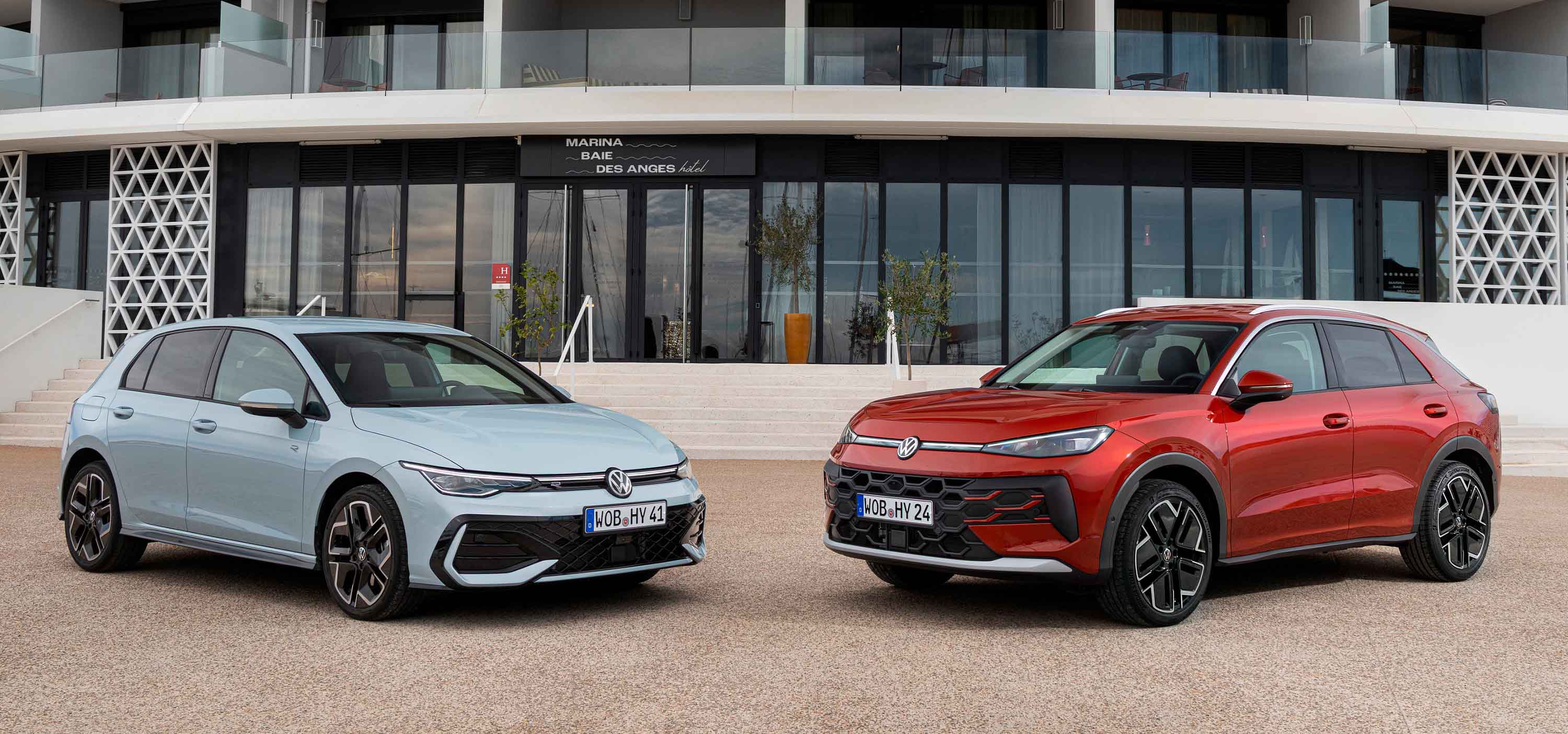
Volkswagen Golf and T-Roc get new full hybrid powertrains
Published Date :
Volkswagen has introduced full-hybrid versions of the Golf and T-Roc, offering 136 PS and 170 PS powertrains, electric-only driving at speeds of up to approximately 60 km/h and a combined WLTP range exceeding 800 km, without the need for external charging
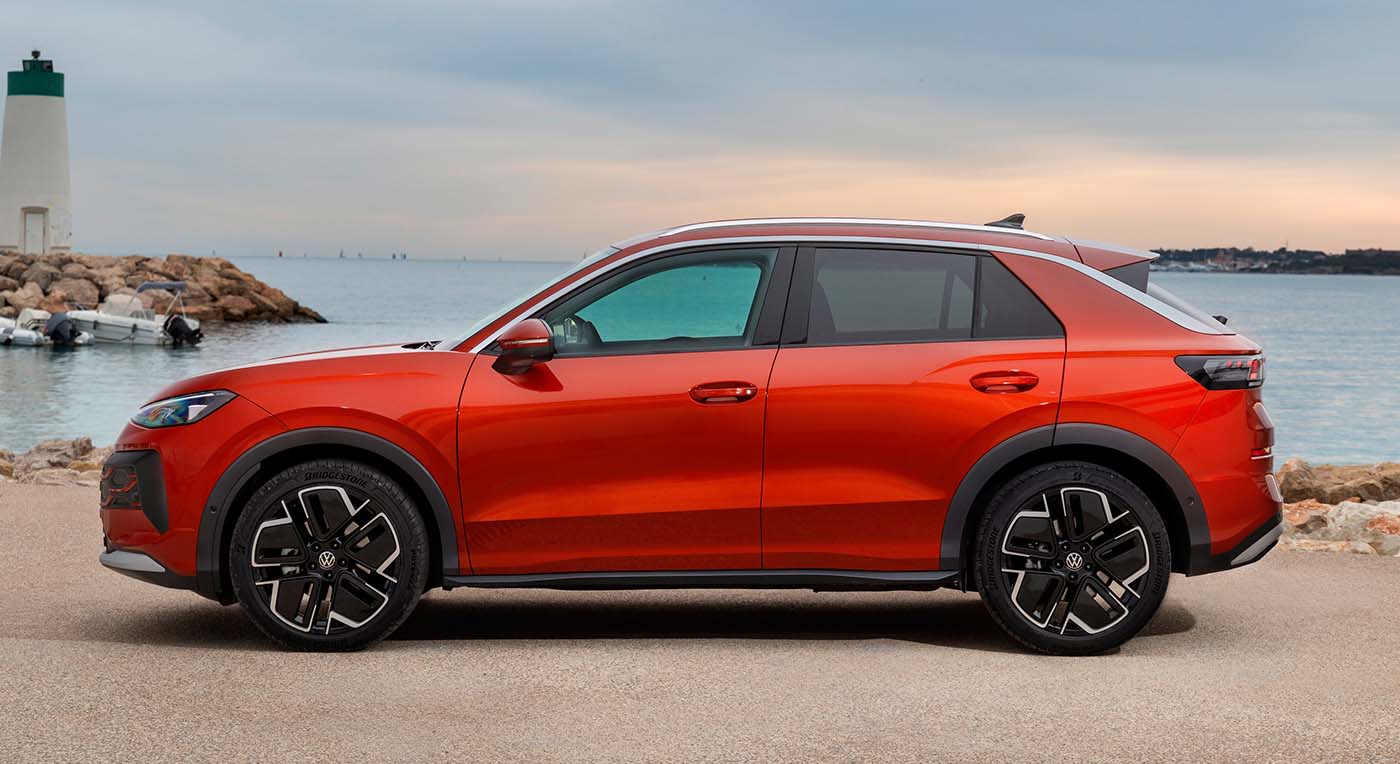
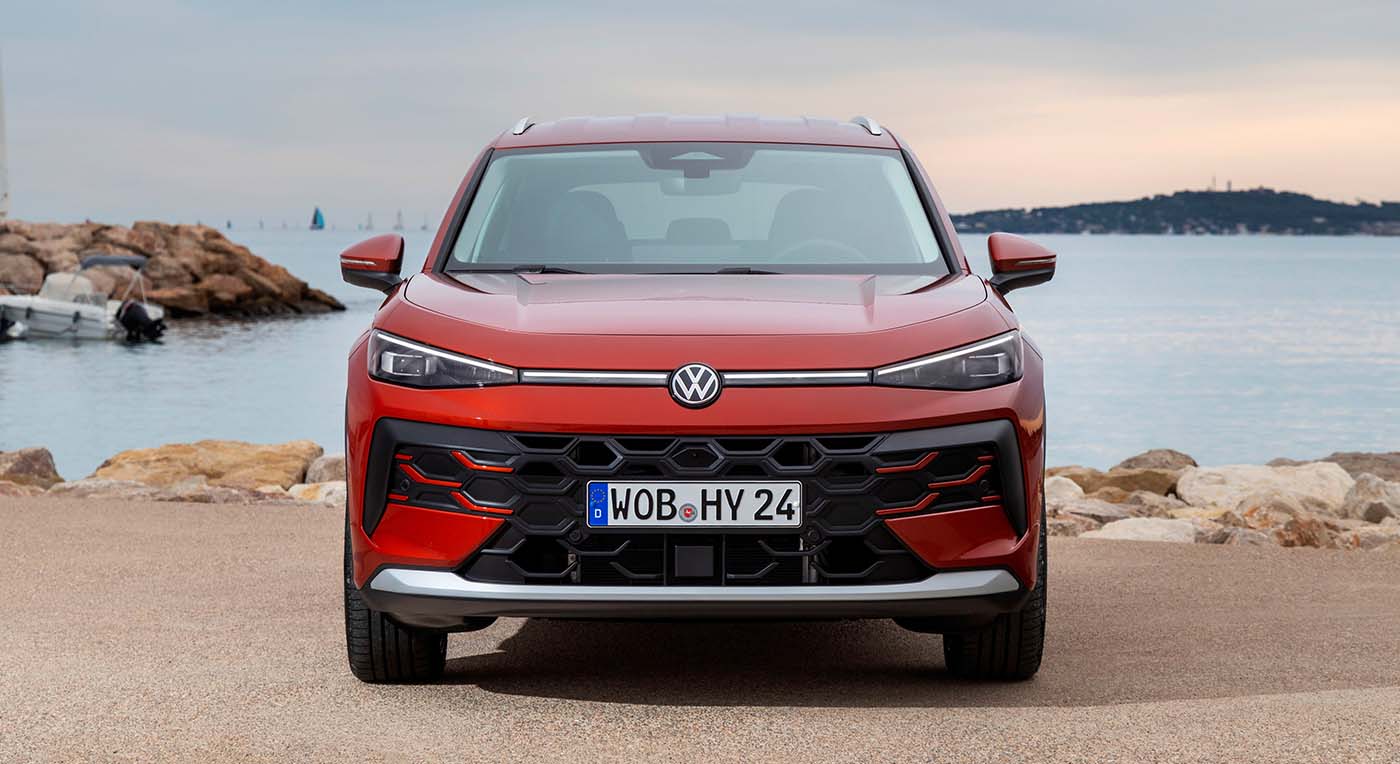
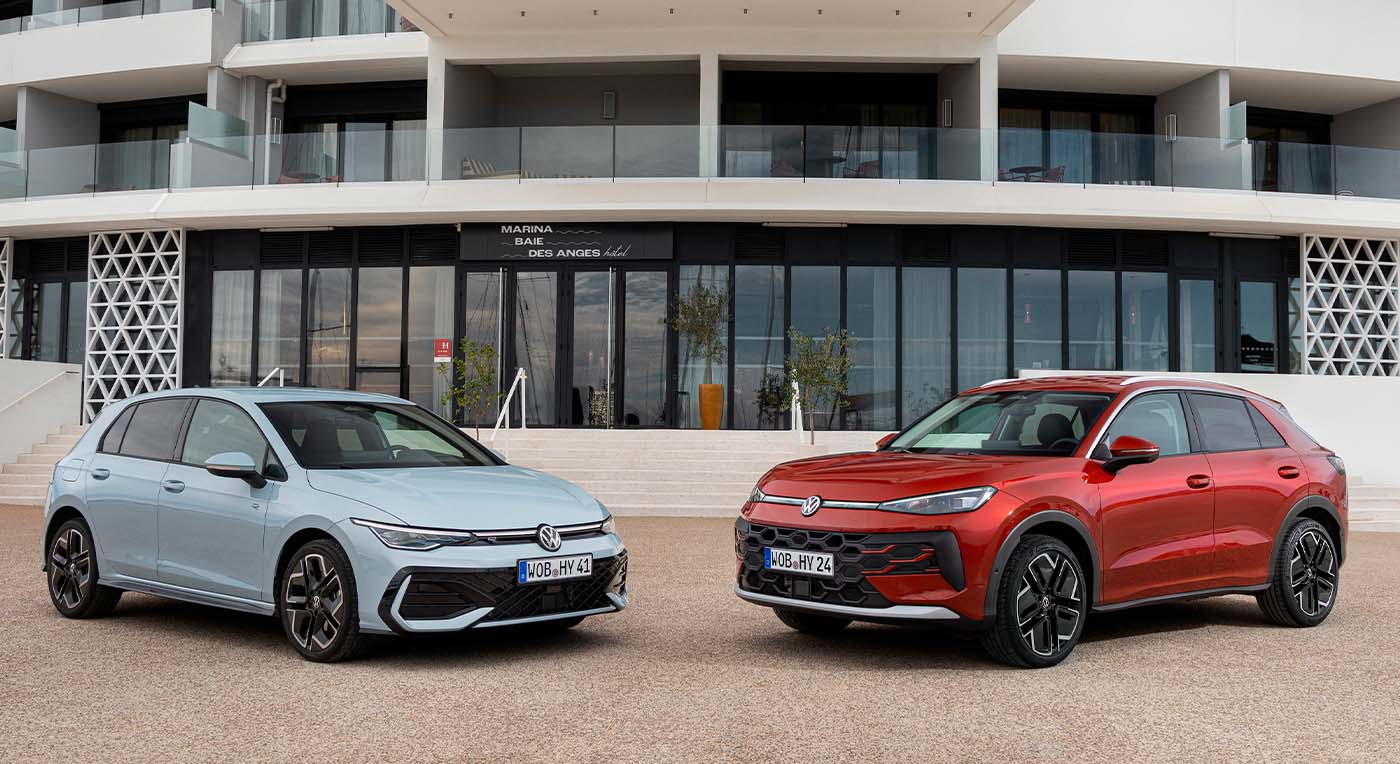
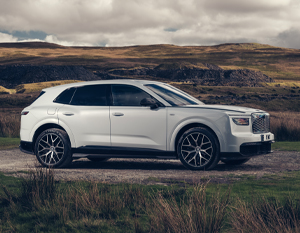
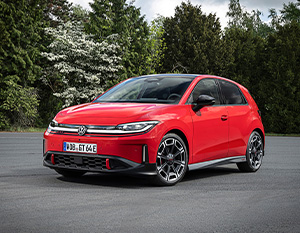
Volkswagen has expanded its electrified vehicle line-up with new full-hybrid versions of the Golf hatchback and T-Roc SUV. The self-charging hybrid system combines a 1.5-litre turbocharged petrol engine with two electric motors, allowing both models to drive on electric power alone under suitable conditions. Both models are already available to order in several European markets.
Hybrid powertrain and performance
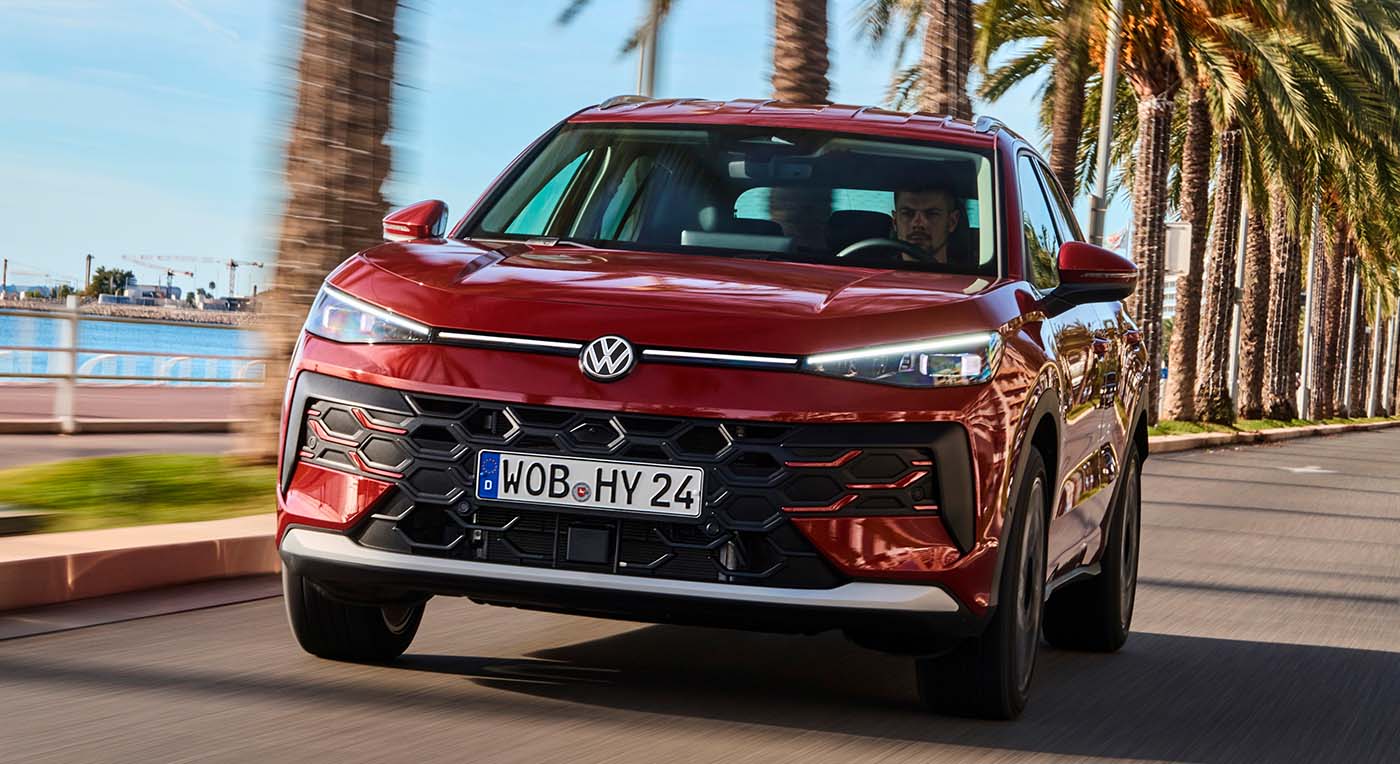
The new hybrid system combines Volkswagen's 1.5-litre TSI evo2 four-cylinder petrol engine with a generator motor, an electric drive motor and a single-speed transmission that drives the front wheels. The petrol engine is available with outputs of 131 PS or 150 PS, with both versions producing 250 Nm of torque. Combined system outputs stand at 136 PS and 288 Nm or 170 PS and 310 Nm.
The engine features Miller-cycle combustion, a 12.5:1 compression ratio, variable turbine geometry turbocharging and a revised inlet camshaft, all designed to improve efficiency.
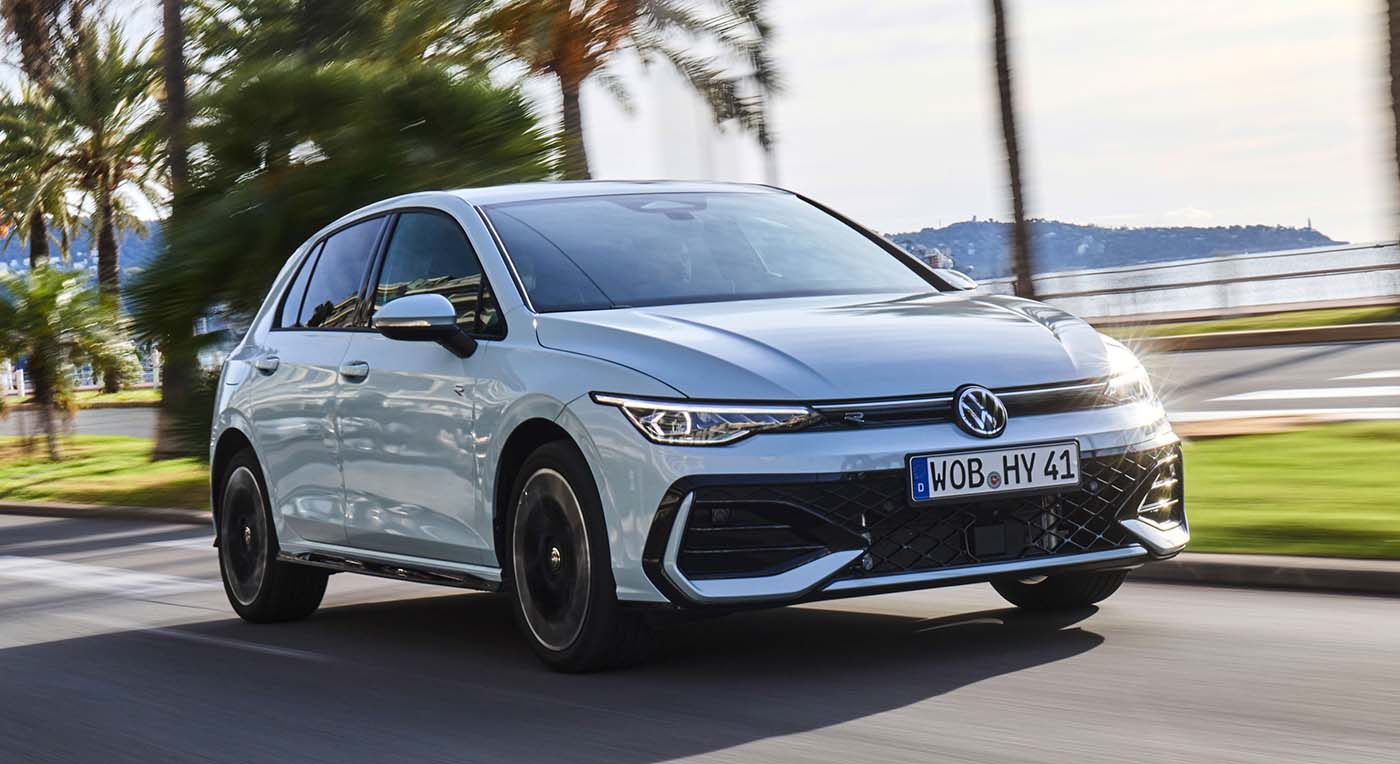
The Volkswagen Golf Hybrid accelerates from 0–100 km/h in 8.8 seconds with the 136 PS powertrain and 7.5 seconds with the 170 PS version. The T-Roc Hybrid completes the same sprint in 9.7 and 8.5 seconds, respectively. All versions have an electronically limited top speed of 180 km/h.
How does the self-charging hybrid system work?
Unlike Volkswagen's eTSI mild-hybrid system, the new full hybrid allows short-distance electric-only driving at speeds of up to approximately 60 km/h, depending on battery charge and power demand.
The system automatically switches between three operating modes: electric, where the petrol engine remains switched off; series hybrid, where the petrol engine powers a generator that supplies electricity to the drive motor without directly driving the wheels; and parallel hybrid, where the petrol engine drives the front wheels with electric assistance during acceleration, while the generator can also recharge the battery.
A hydraulically actuated clutch connects or disconnects the petrol engine from the drivetrain. The generator also starts the engine, while the electric drive motor supports regenerative braking.
At speeds above approximately 60 km/h, the petrol engine generally provides propulsion, either independently or with electric assistance. It can also activate during hard acceleration or when battery charge is low. The system supports engine-off coasting, quieter electric driving and smooth acceleration.
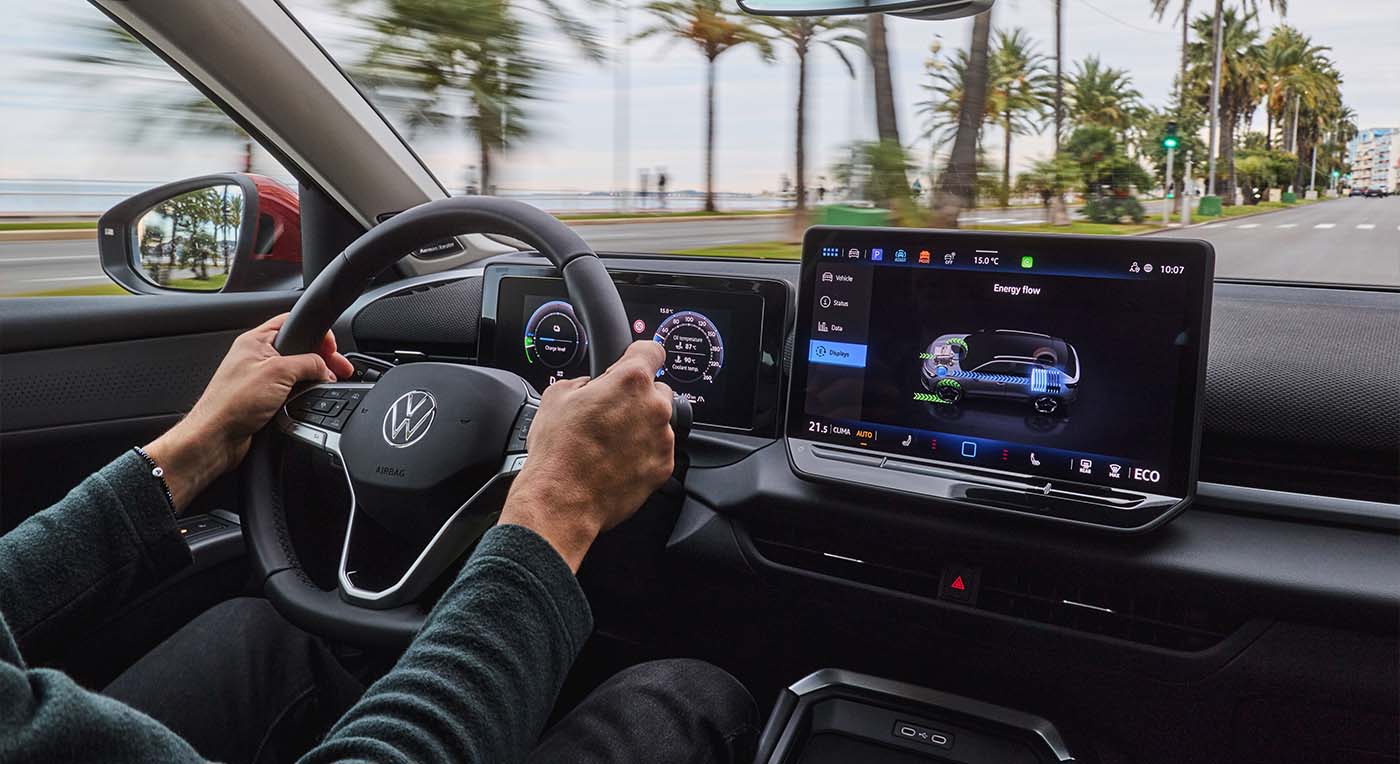
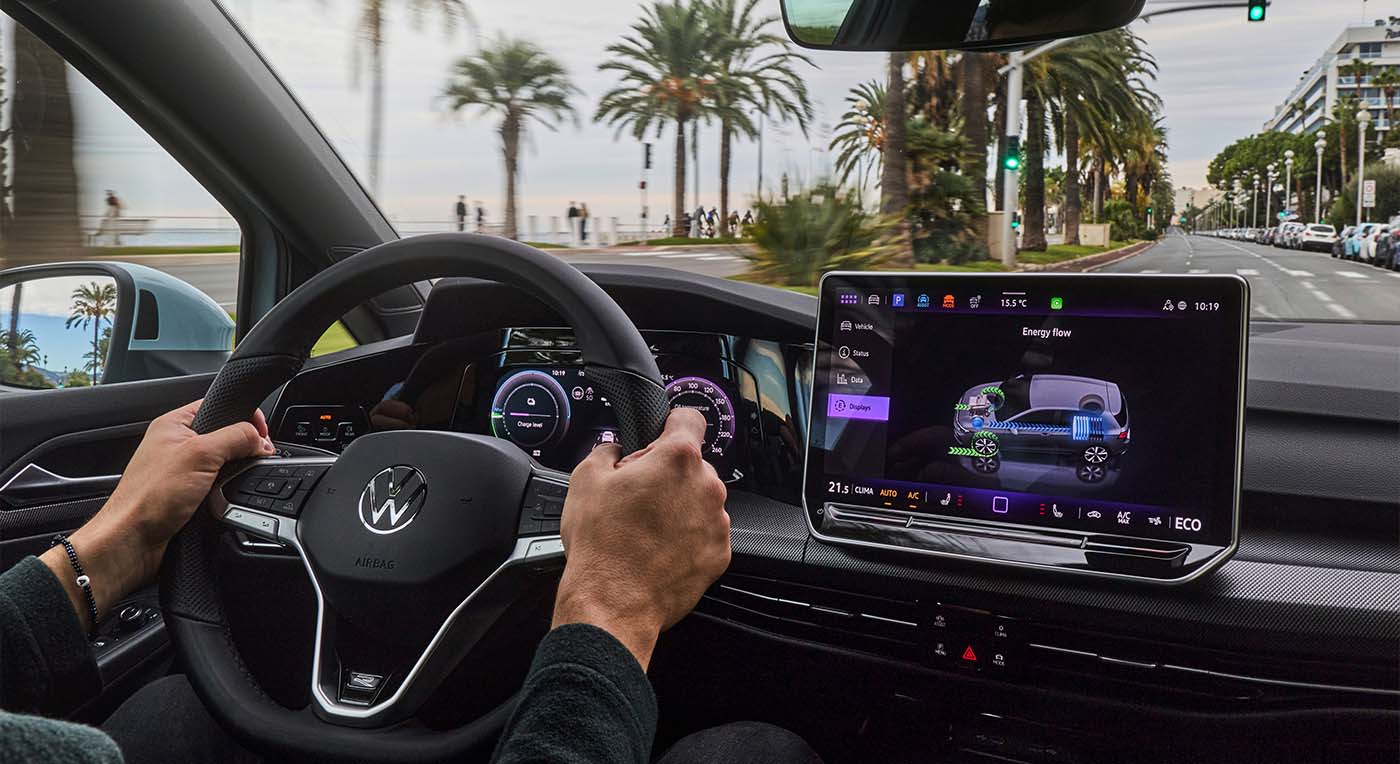
Operating modes are selected automatically according to driving conditions, battery charge and efficiency requirements. The instrument cluster displays the combined driving range, while the infotainment system shows the vehicle's energy flow.
Fuel efficiency and driving range
Volkswagen claims a combined WLTP driving range of more than 800 km for the new Golf and T-Roc hybrids.
The 136 PS Golf Hybrid returns a claimed fuel consumption figure of 4.5–5.0 litres per 100 km, while the 170 PS version achieves 4.6–5.1 litres per 100 km. For the T-Roc Hybrid, the corresponding figures are 4.9–5.5 litres per 100 km and 5.0–5.6 litres per 100 km, respectively.
The 136 PS Golf Life Hybrid consumes approximately 11 per cent less fuel than the 116 PS Golf Life eTSI mild hybrid, based on their most efficient WLTP configurations.
Battery and driving profiles
Both models feature a liquid-cooled 1.6 kWh gross-capacity lithium-ion battery positioned beneath the rear seats. It contains 84 nickel-manganese-cobalt cells and uses an adaptive management system to maintain energy reserves for acceleration and regenerative braking.
An electric air-conditioning compressor also allows the climate control system to operate when the petrol engine is switched off.
Drivers can choose between three driving profiles: Eco, Comfort and Sport. Eco mode limits maximum system output to 70 per cent and disables electric boosting to reduce fuel consumption. Comfort provides full system output and electric assistance, while Sport switches earlier to series-hybrid operation for quicker power availability.
Variants, pricing and availability
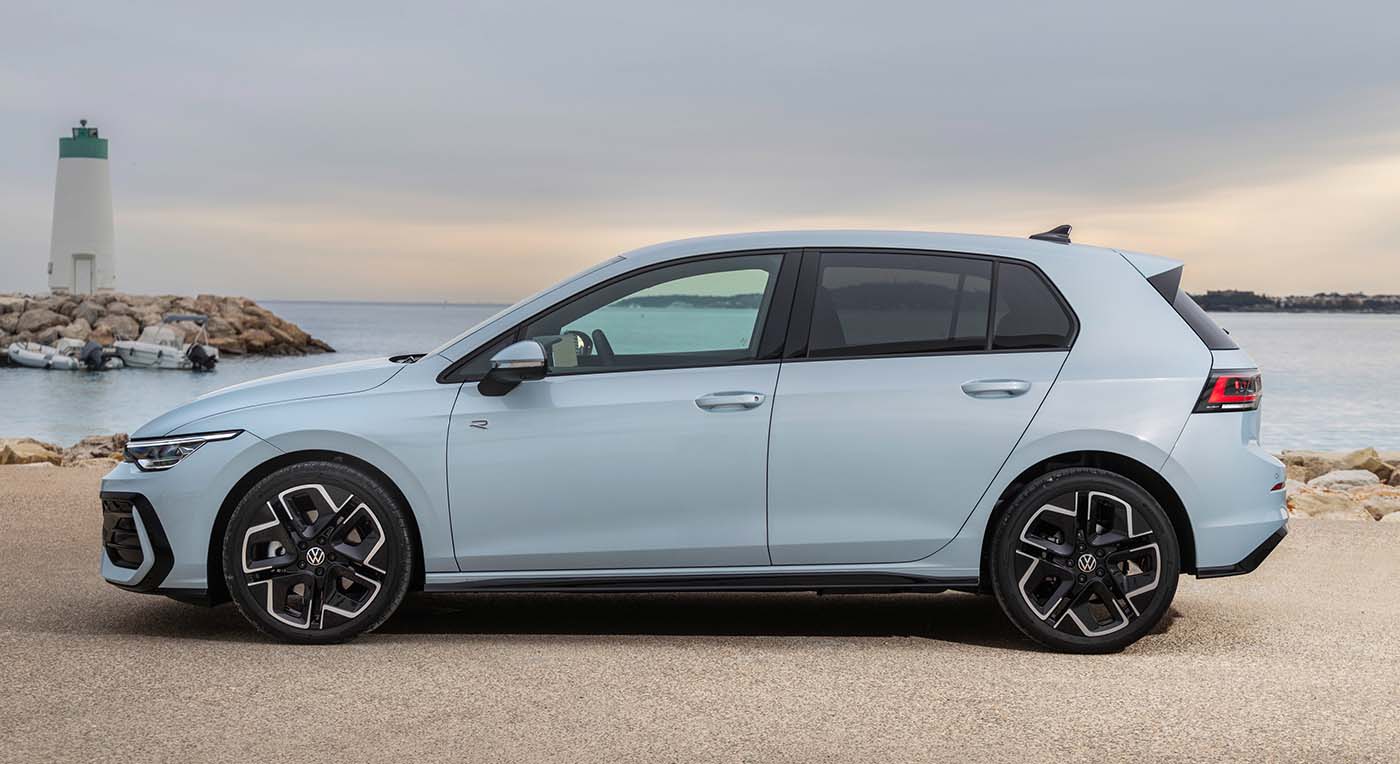
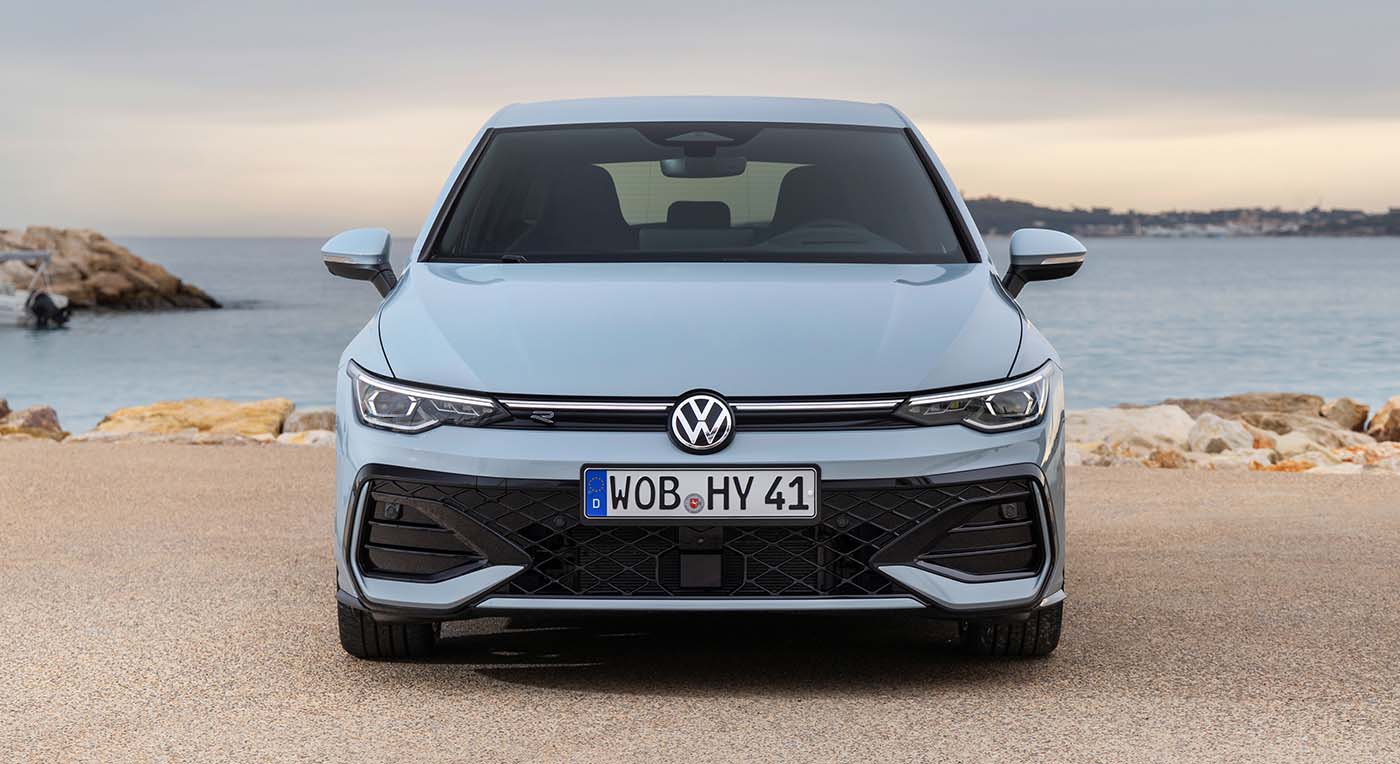
The Volkswagen Golf Hybrid is available from the Life trim upwards. The Life variant receives the 136 PS powertrain, while Style and R-Line models are offered with the 170 PS system. The T-Roc Life Hybrid also comes with the 136 PS setup, while Style and R-Line variants can be specified with either power output.
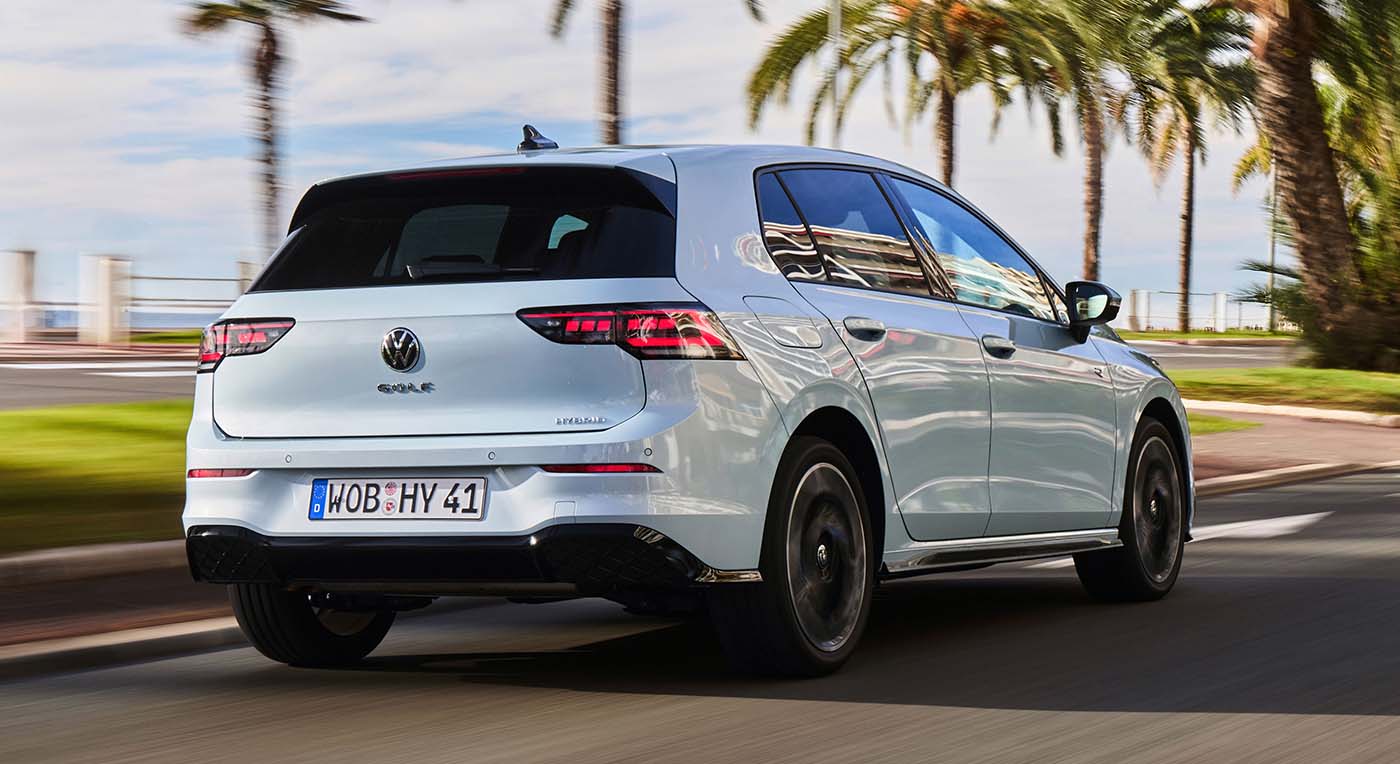
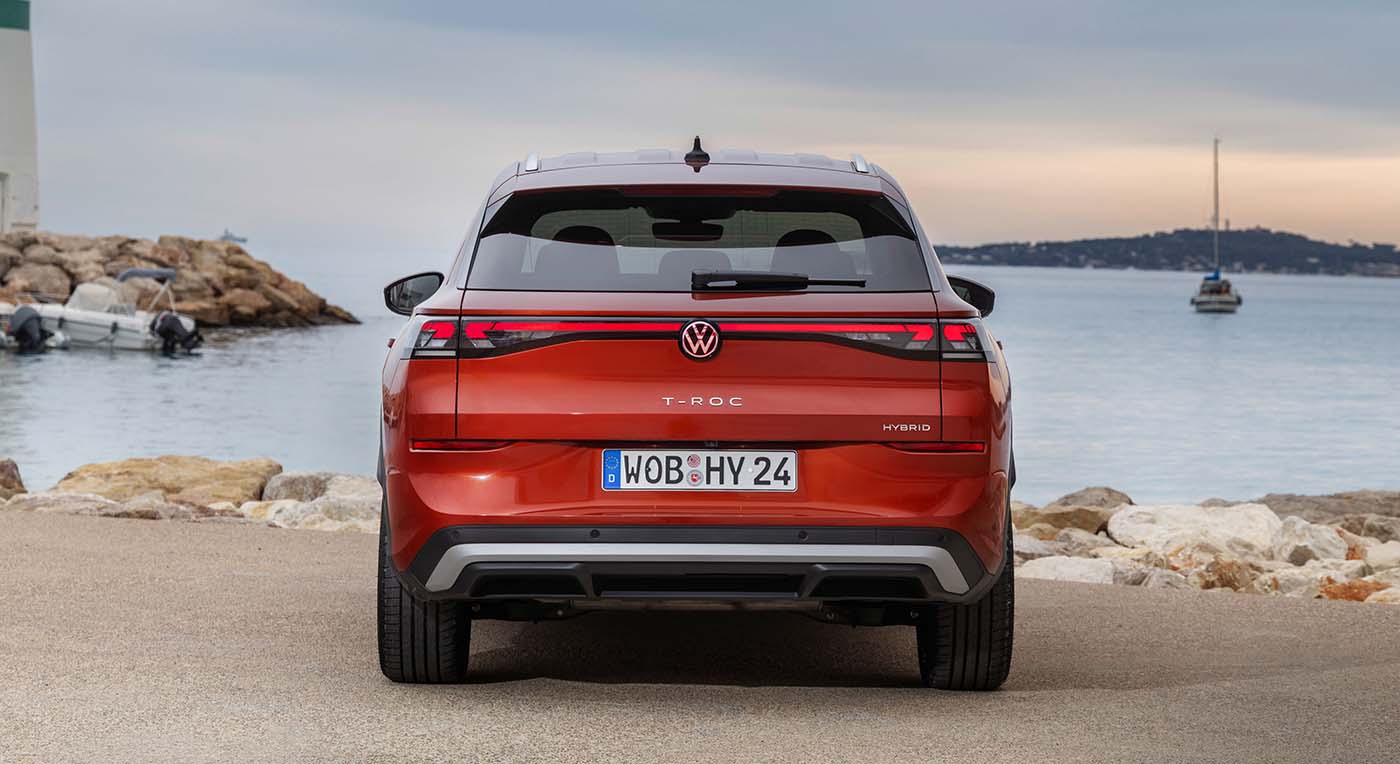
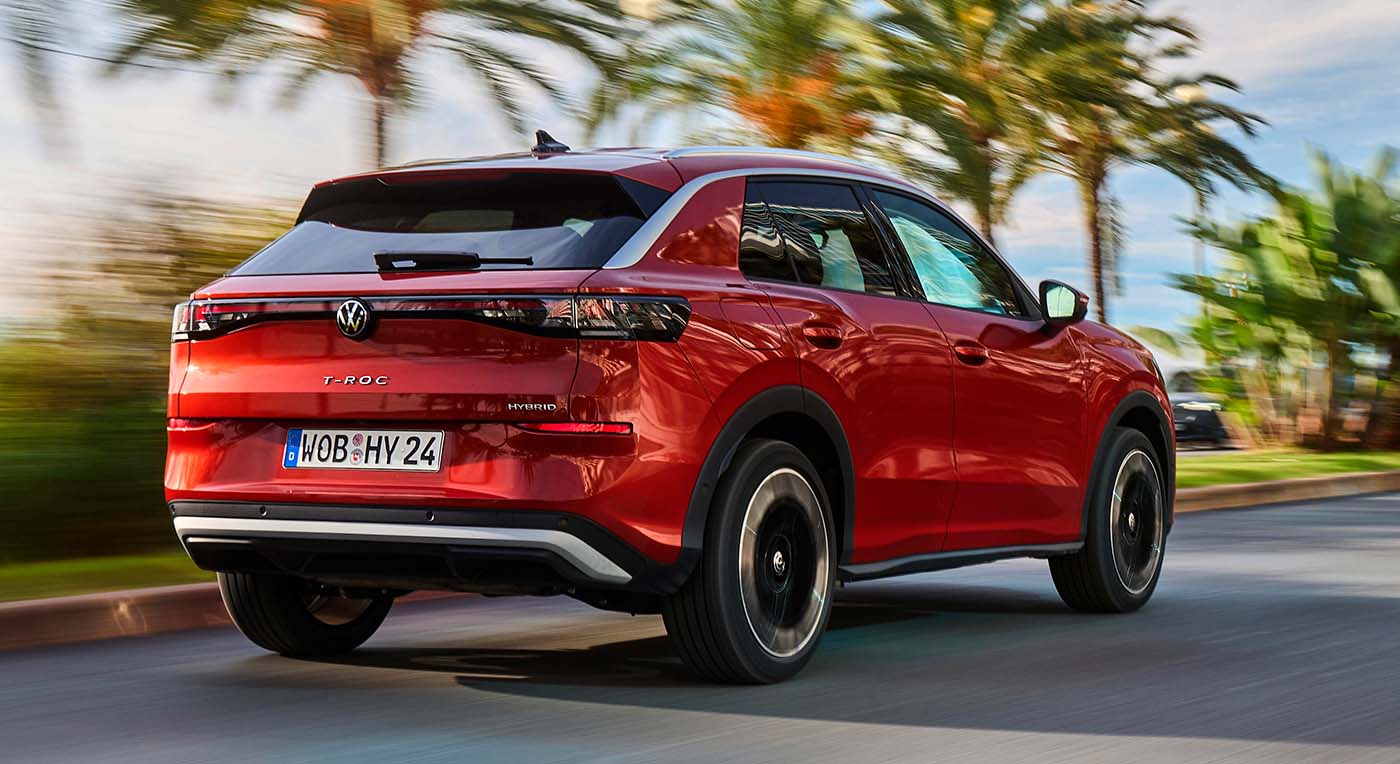
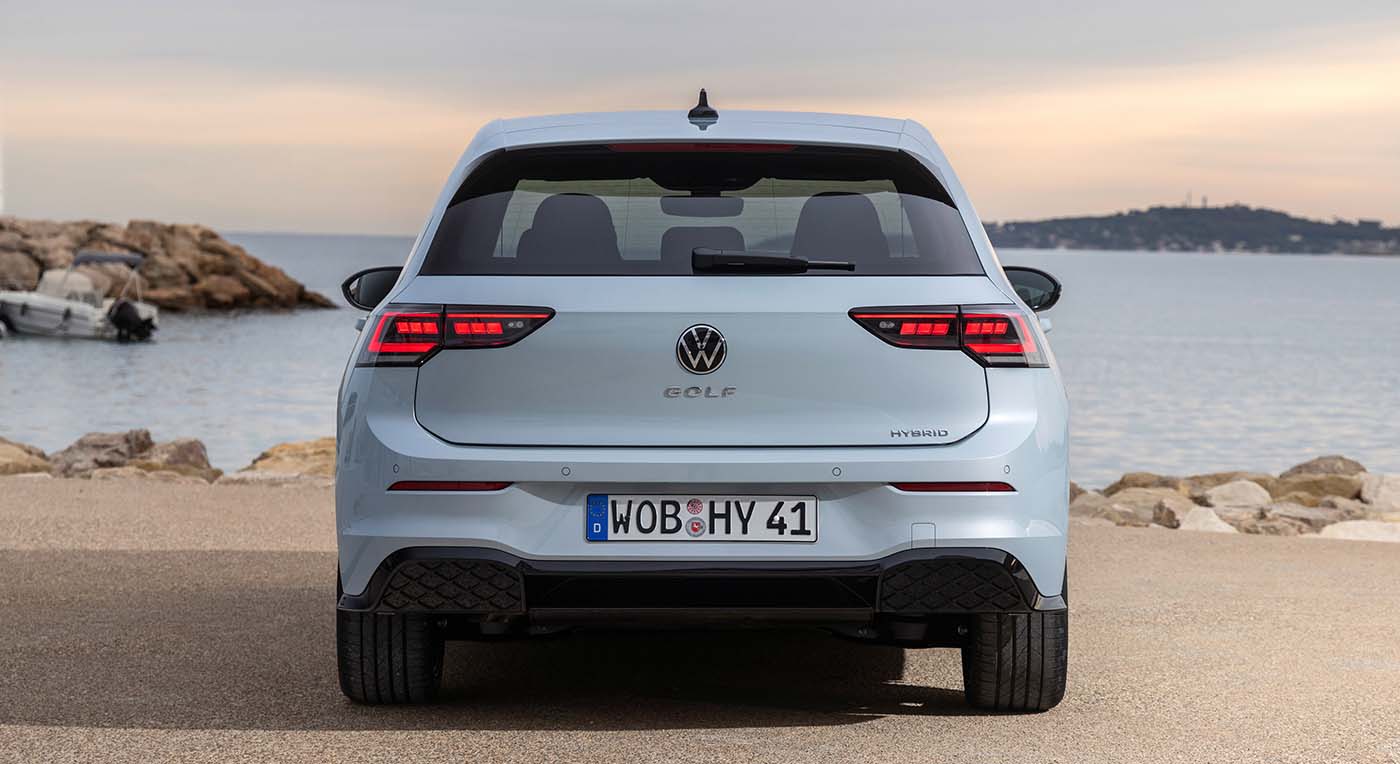
The new models are identified by a Hybrid badge at the rear and sit between Volkswagen's eTSI mild hybrids and plug-in hybrid models, including the Golf eHybrid and GTE. Volkswagen has also simplified the Golf's equipment structure and upgraded its standard specifications.
In Germany, prices start at €37,505 (approximately USD 41,985) for the Golf Life Hybrid with 136 PS and €37,545 (approximately USD 42,030) for the equivalent T-Roc Life Hybrid. Both prices include VAT.
Volkswagen says the new technology is particularly suited to drivers seeking the efficiency benefits of electric assistance without relying on access to charging infrastructure.
UAE pricing, specifications and availability have not been confirmed in Volkswagen's October 2026 announcement.


Loading comments...