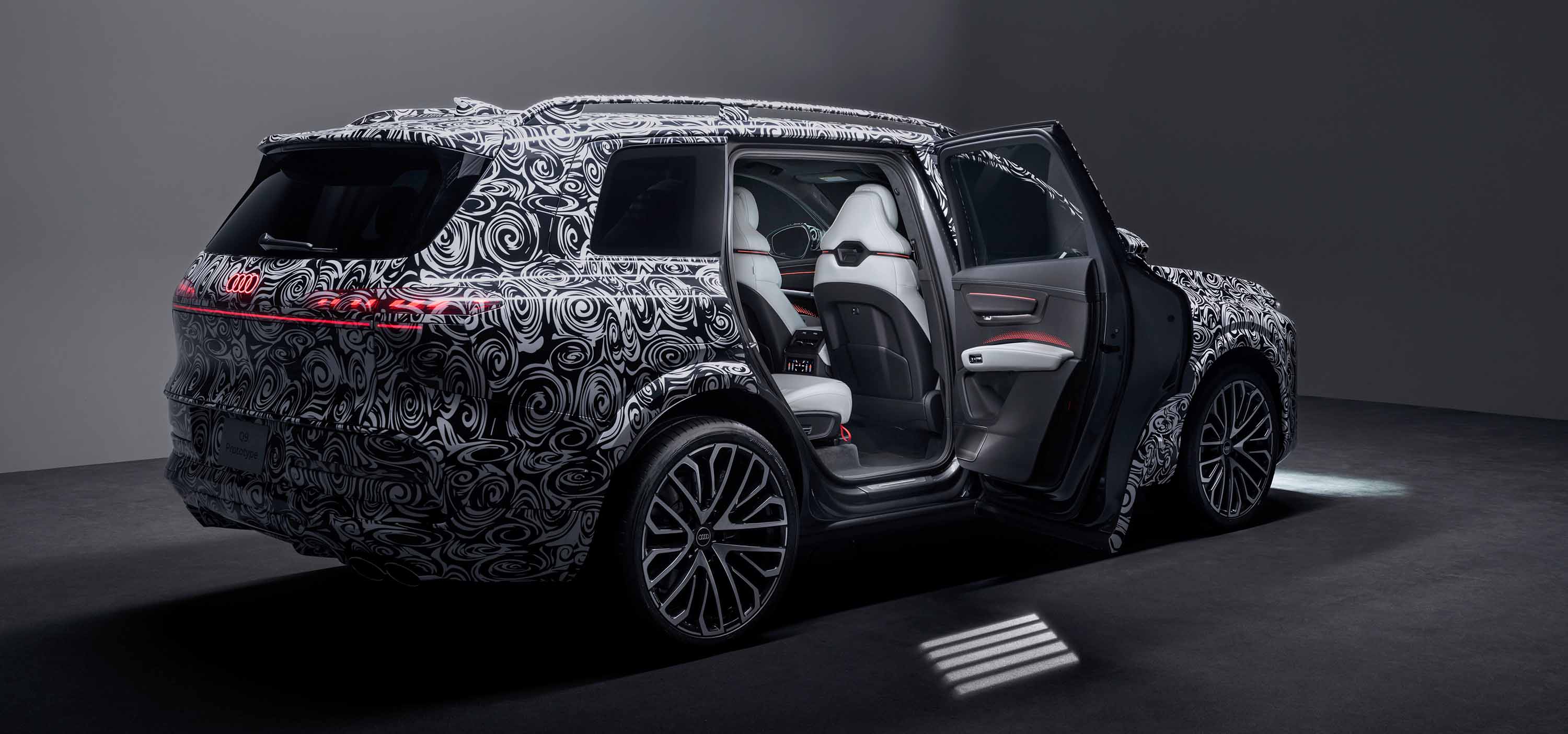
First look at the all-new Audi Q9
Published Date :
Roomier, smarter, and more luxurious than ever, the all-new Audi Q9 introduces automatic doors, lounge-like seating and immersive 4D sound
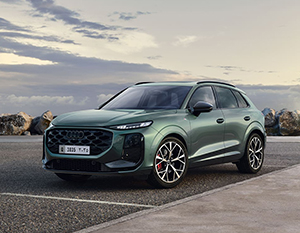
Audi is stepping into a new space with the soon-to-arrive all-new Audi Q9, its first true full-size luxury SUV. Positioned as the brand’s flagship, the Audi Q9 is designed to blend premium comfort, advanced technology, and spacious practicality into what the company describes as a modern mobile living space.
Seating design
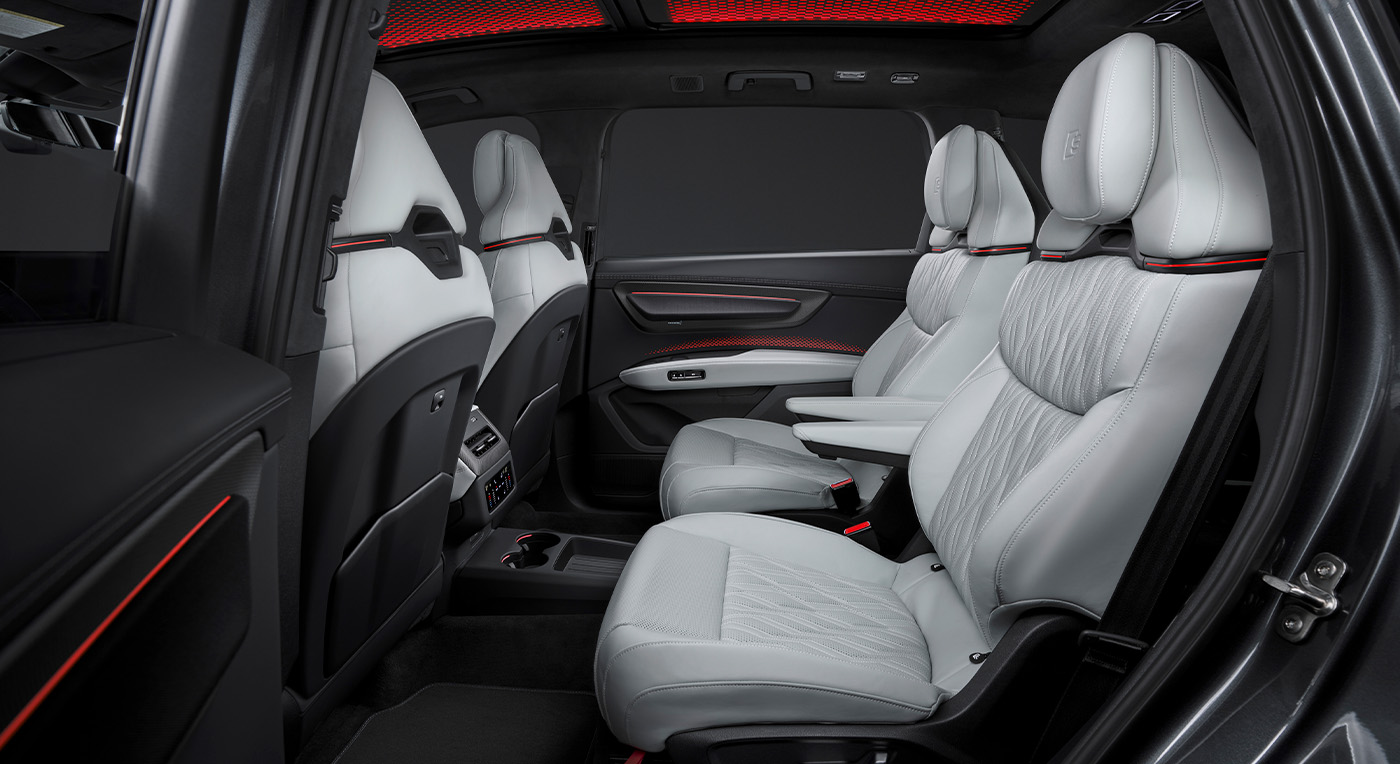
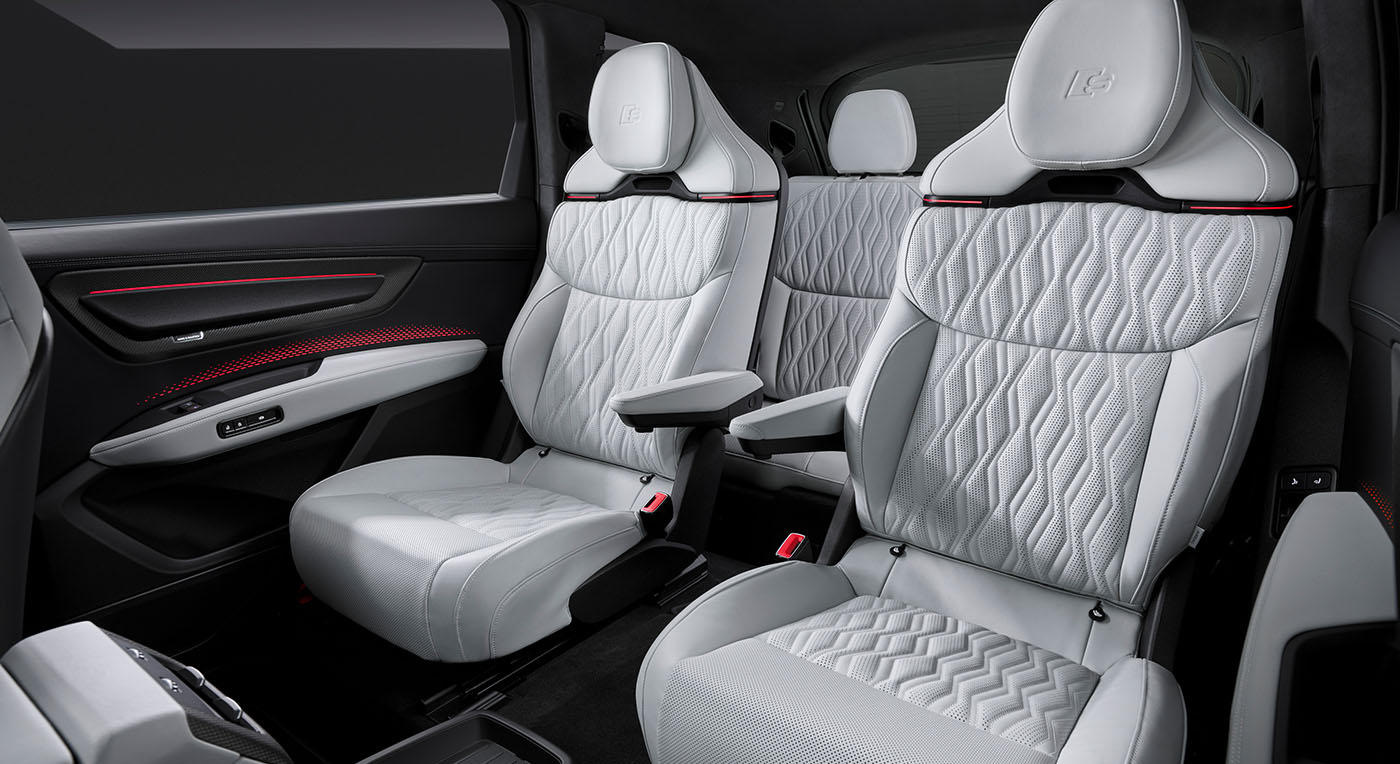
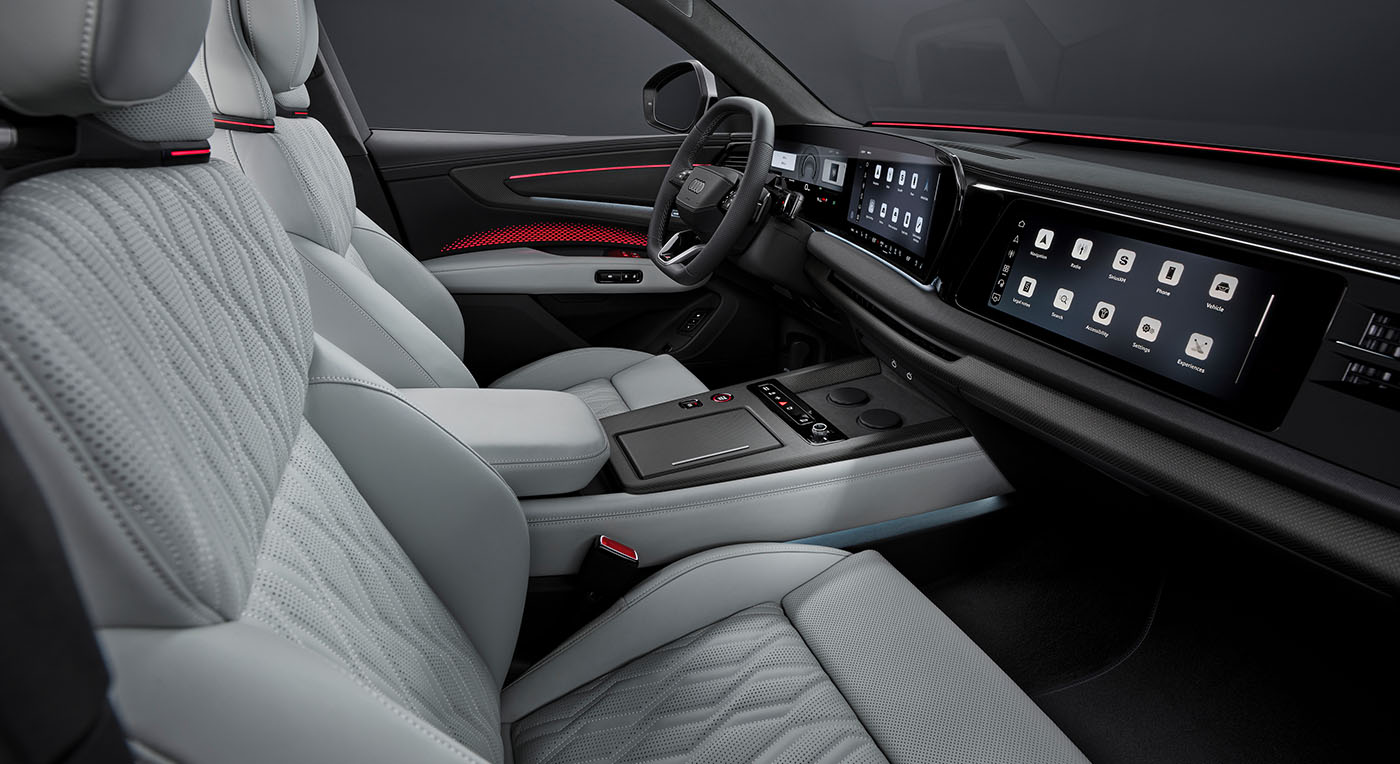
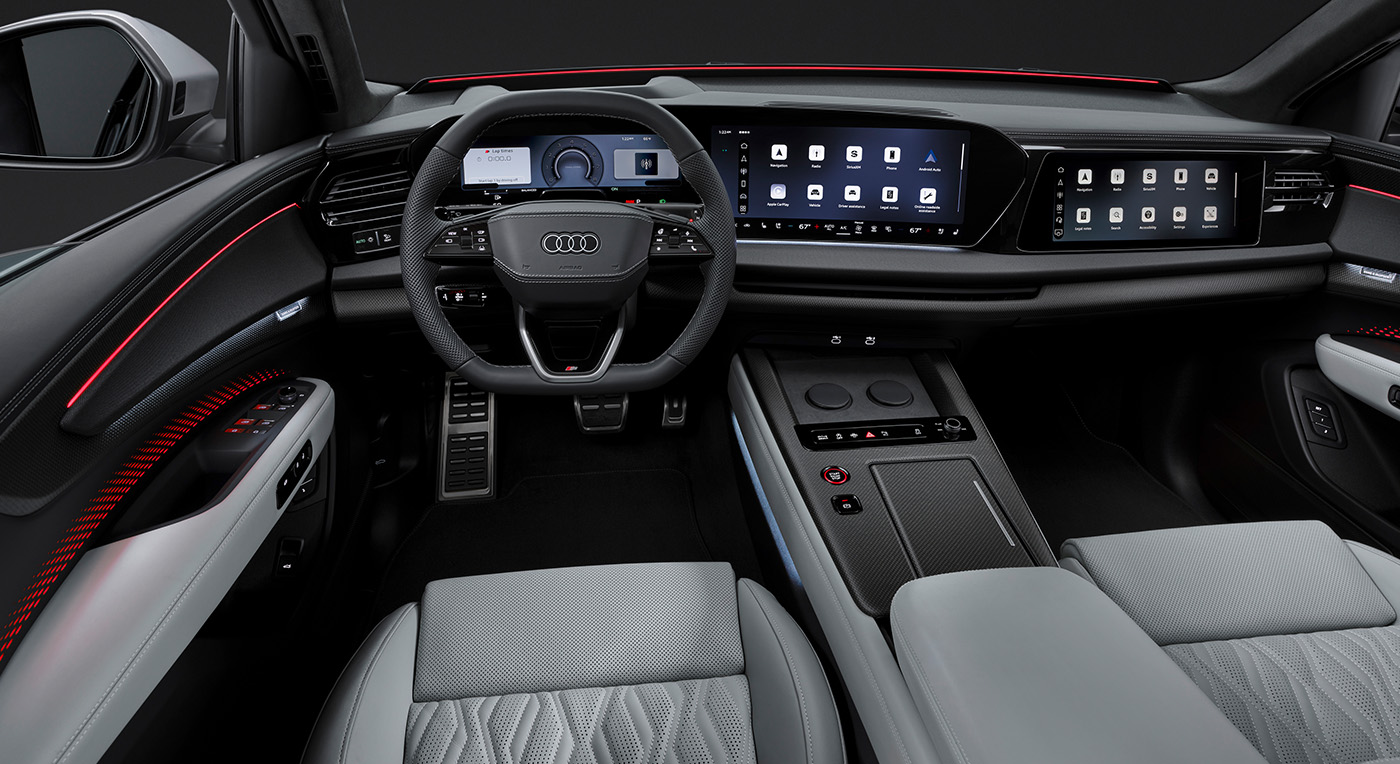
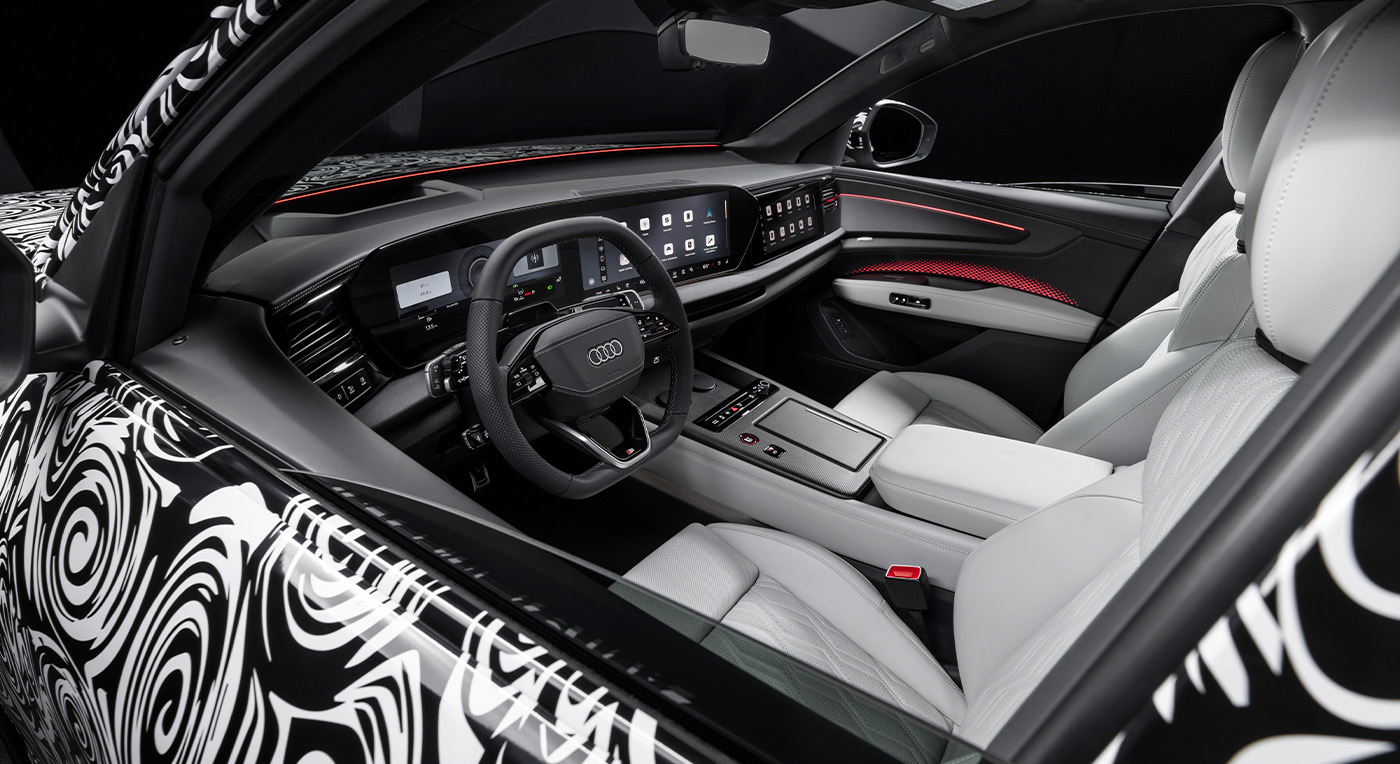
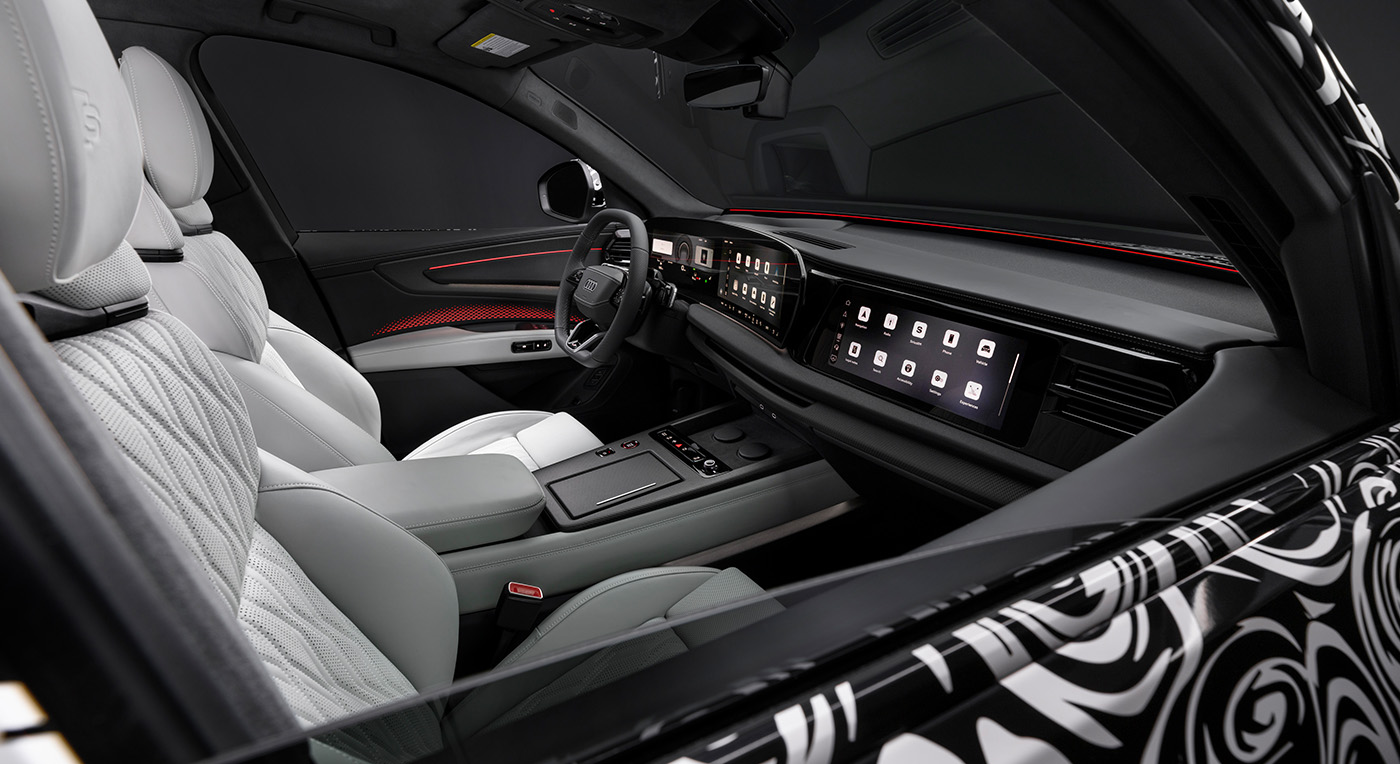
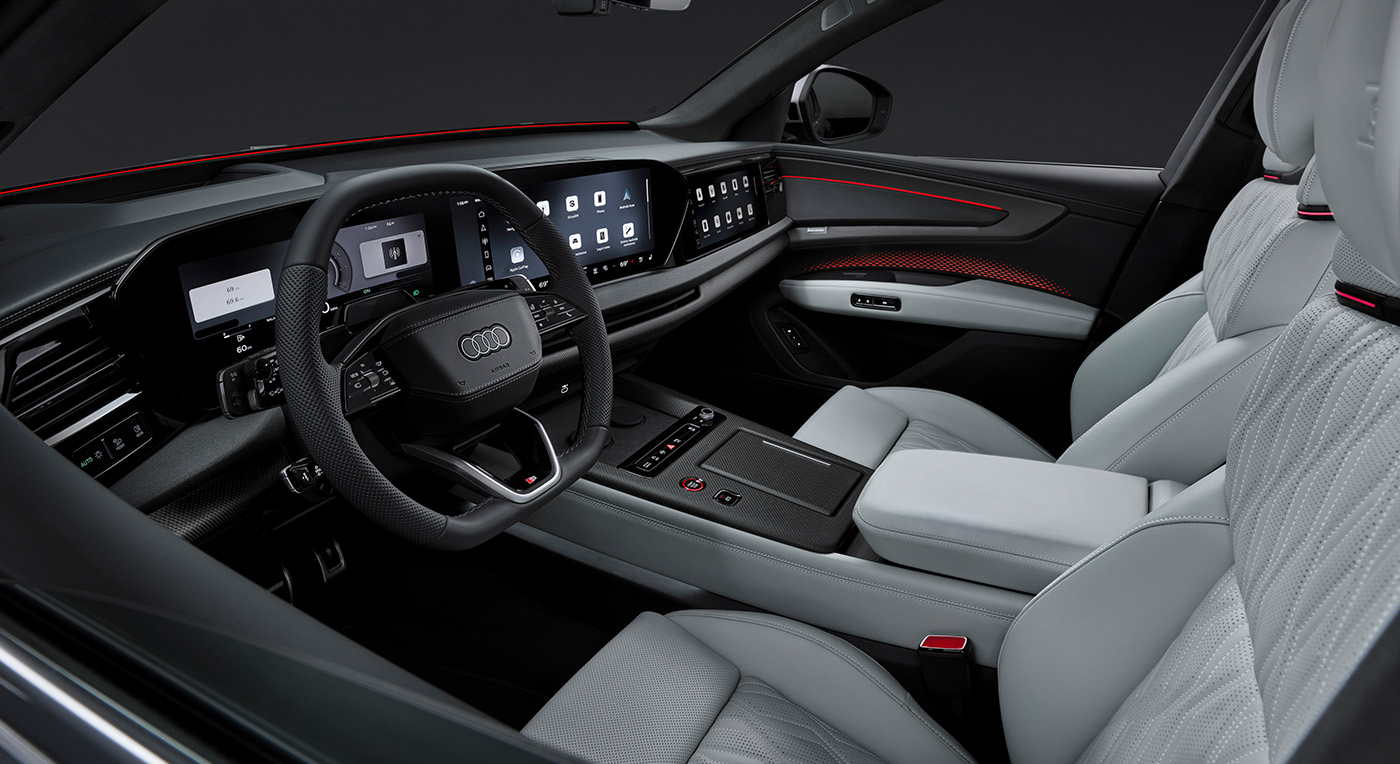
Space is clearly at the heart of the Audi Q9 interior. Buyers looking for a more premium experience can opt for a six-seat configuration, which brings in second-row captain’s chairs with electric adjustment and active ventilation. Up front, passengers get ventilated sports seats with massage functions, making long drives noticeably more comfortable.
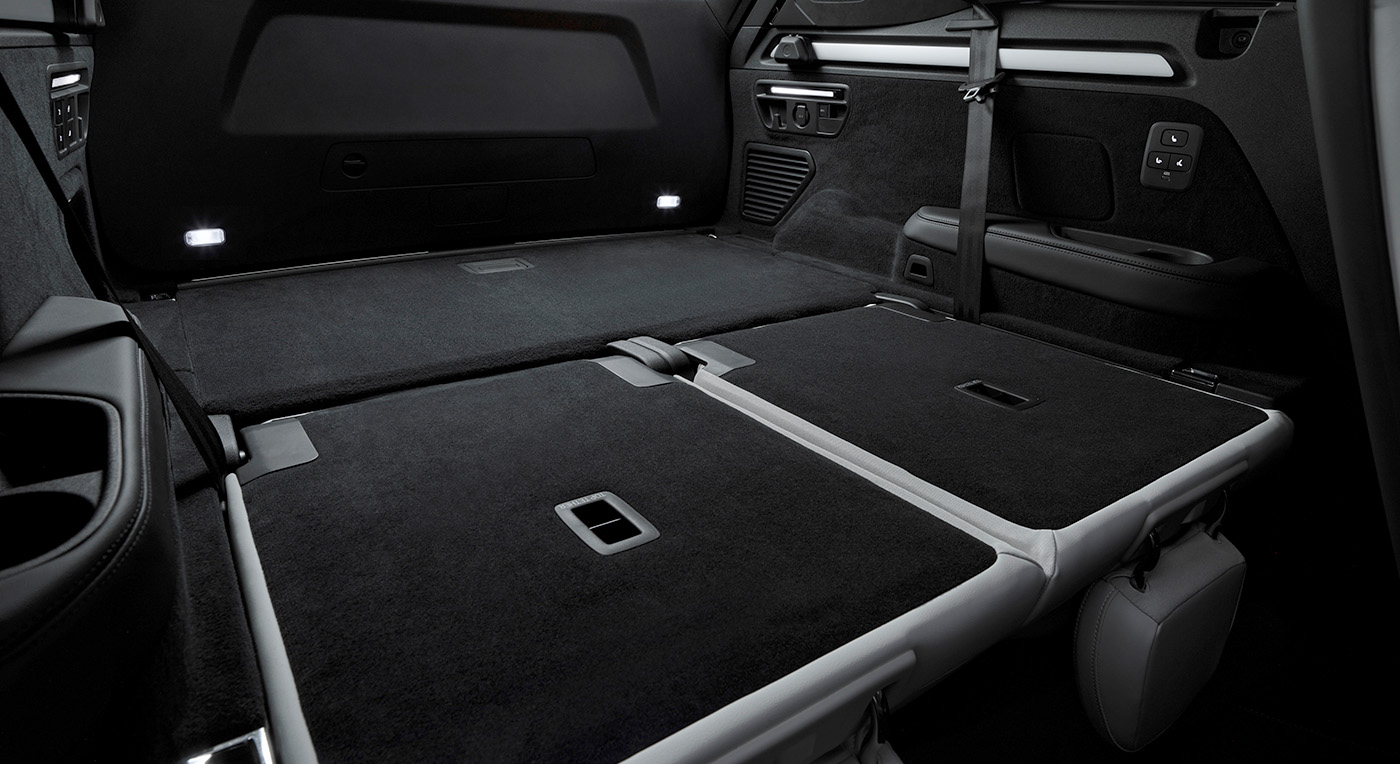
For families, there’s also a seven-seat SUV layout, where all second-row seats support child seats. Every seat comes with partial power adjustment, while the third row folds down electrically, improving cargo flexibility when needed.
Push-button door operation
One of the standout features of the Audi Q9 2027 is its automatic door system. For the first time in an Audi, all doors can be opened and closed electronically.
Whether through the key, the myAudi app, the MMI system, or even simple actions like pressing the brake pedal or fastening the seatbelt, the process is designed to feel effortless. Wide-opening doors also make entry and exit easier, while built-in sensors help avoid obstacles, including cyclists and nearby vehicles in tight parking spaces.
Panoramic roof and cabin ambience
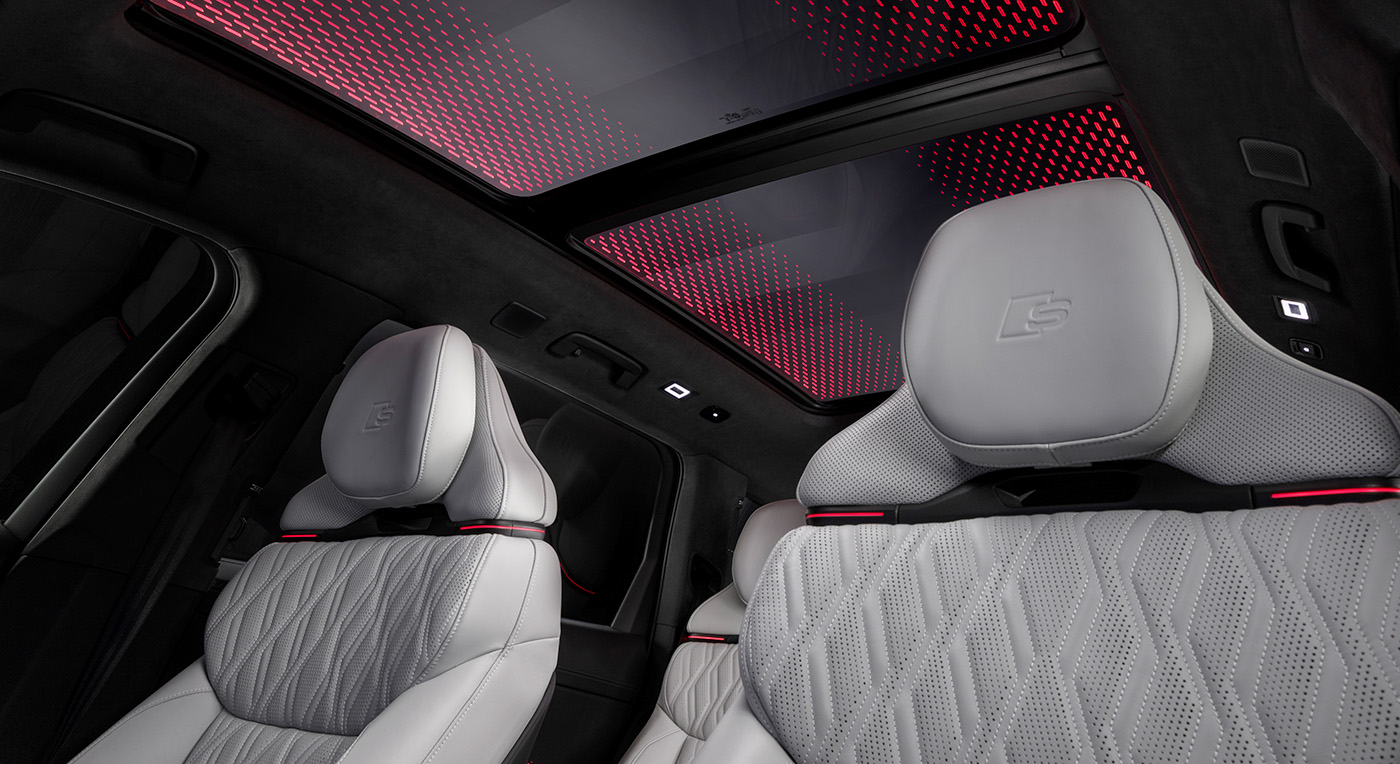
The panoramic sunroof stretches across roughly 1.5 square metres, giving the cabin a bright and open feel. It features smart glass technology, allowing individual sections to turn opaque at the touch of a button for glare protection.
The system also blocks over 99.5% of UV rays and reflects infrared heat, reducing the need for traditional sunshades. When parked, the glass automatically adjusts for privacy, while higher trims add ambient lighting with up to 30 colours across the roof.
Lighting and 4D sound experience
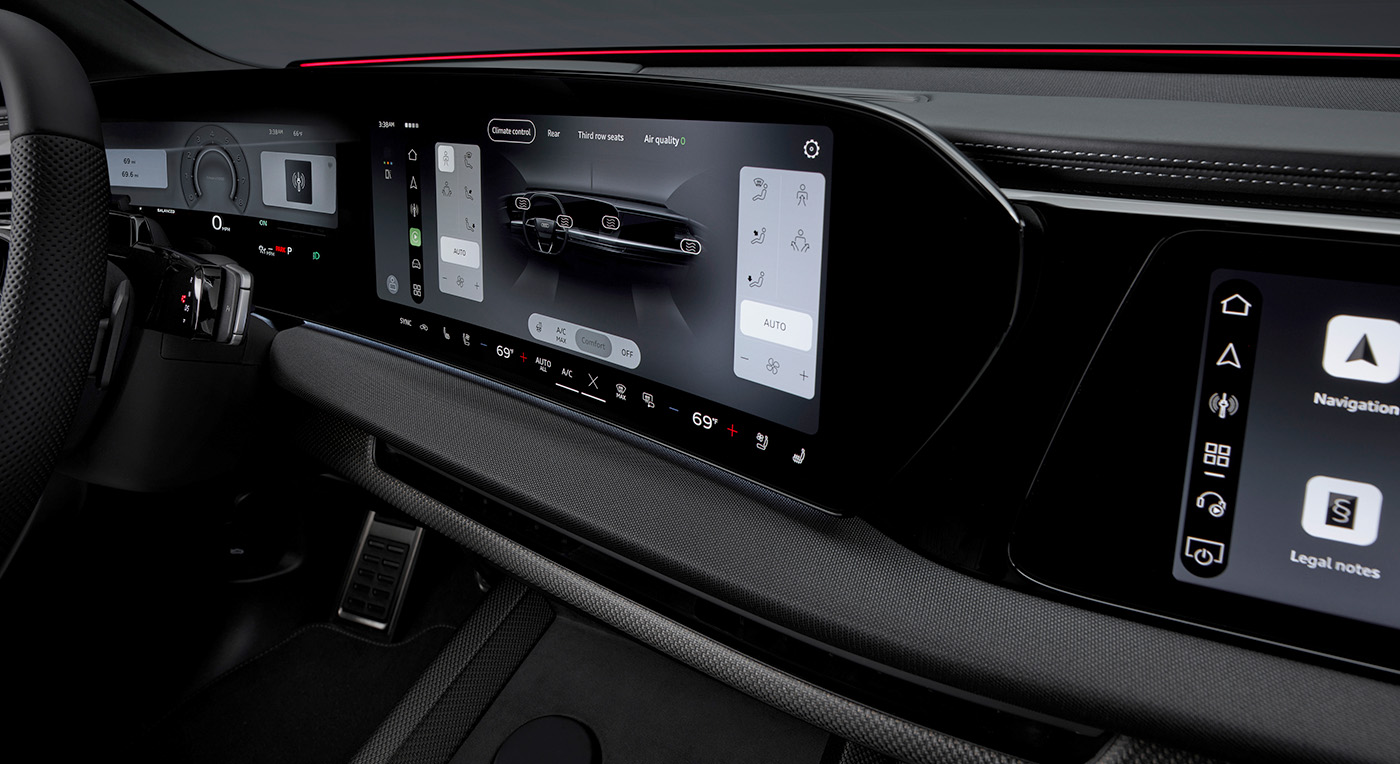
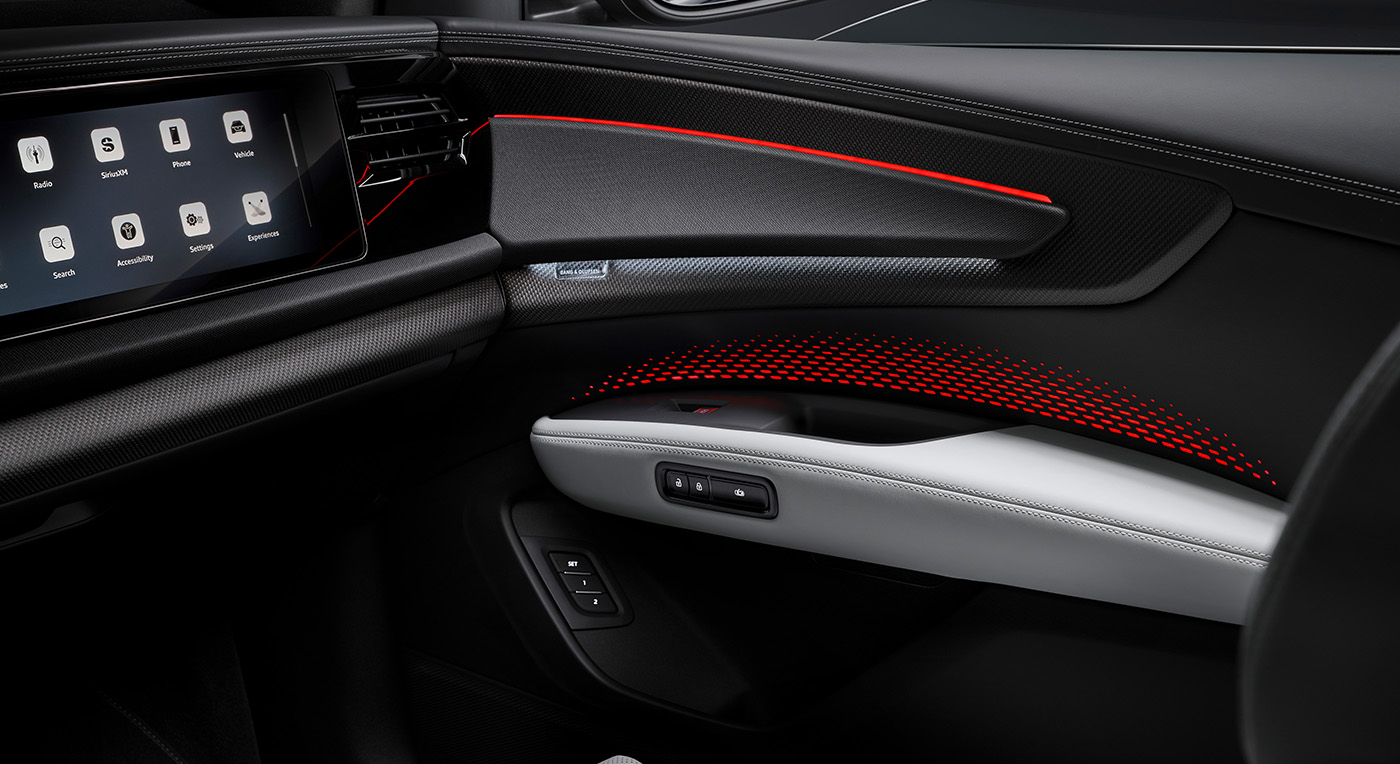
Inside the Audi Q9 cabin, lighting plays a major role in shaping the experience. Contour lighting runs across the dashboard and doors, enhancing the sense of width, while indirect lighting creates a floating visual effect.
Audi pairs this with a Bang & Olufsen 4D sound system, delivering a more immersive audio experience. The system syncs lighting effects with music, while headrest speakers allow for private calls and navigation prompts. Additional seat-based actuators add a physical layer to the sound, making it feel more engaging.
Materials and finish options
The luxury SUV segment is all about attention to detail, and the Audi Q9 leans into that with a wide range of materials. Buyers can choose from alpaca wool, Dinamica microfiber, and fine Nappa leather, along with wood trims like ash and lime or carbon-fibre accents.
Audi has also moved towards more matte and textured finishes, reducing fingerprints and improving long-term usability. New interior colours such as tamarind brown and stone beige further enhance the premium feel.
Storage and practicality
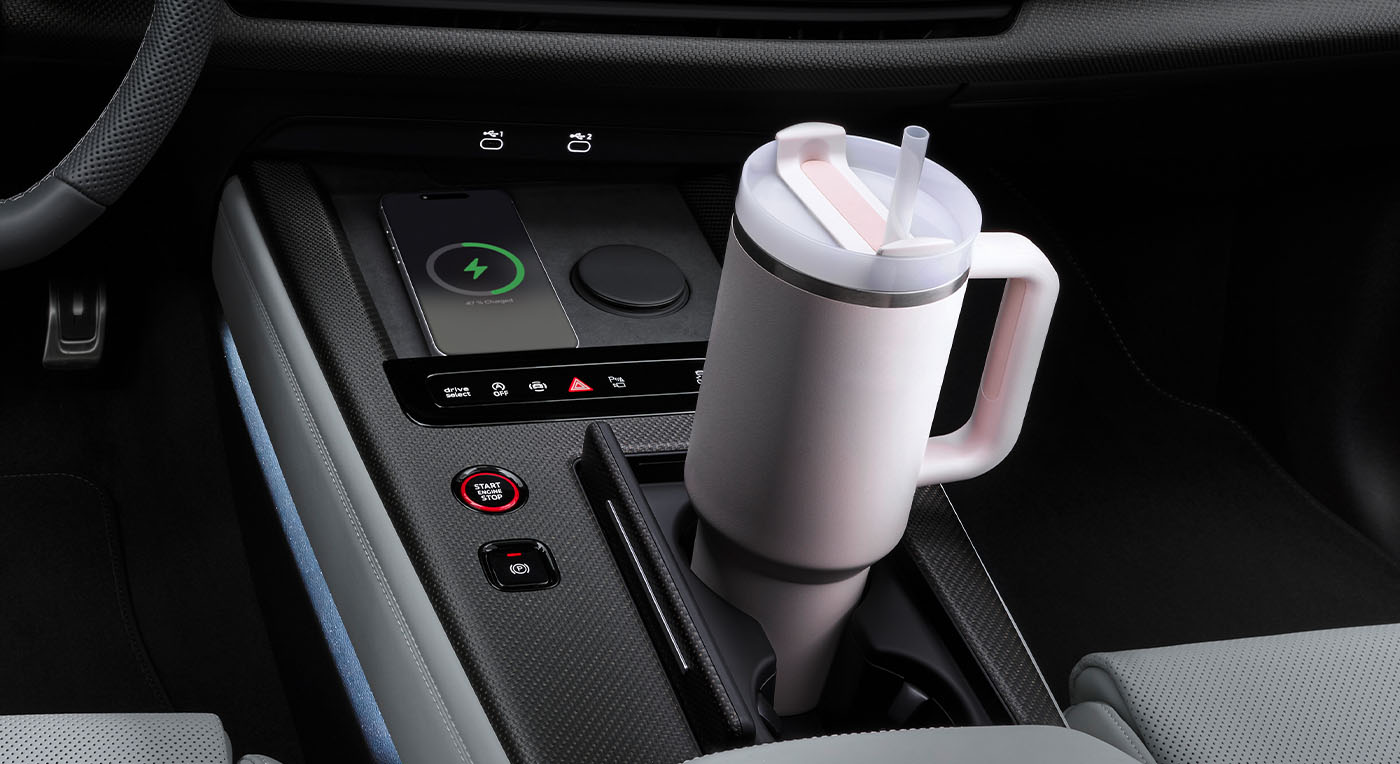
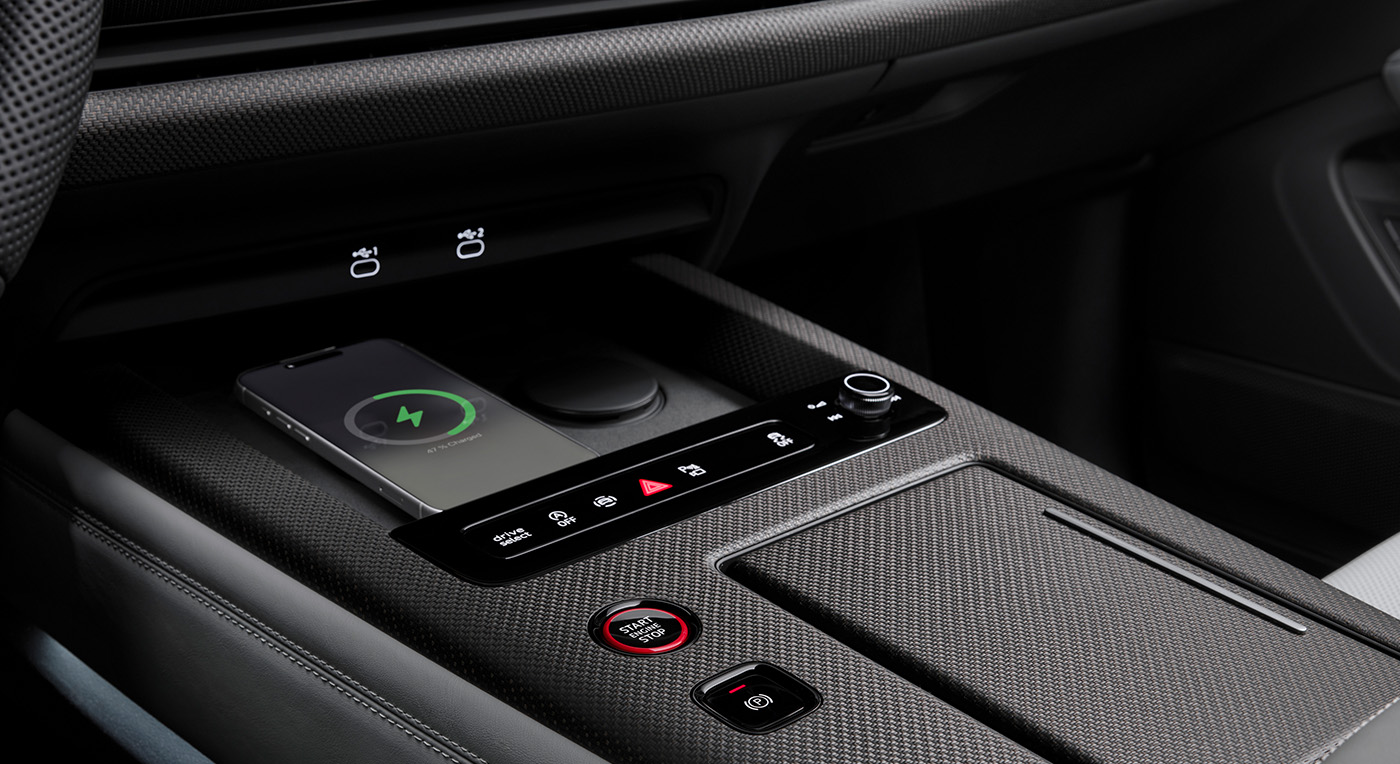
Being the largest Audi SUV, the Audi Q9 offers plenty of smart storage solutions. The centre console includes dual wireless charging pads and high-speed USB-C ports with up to 100W output.
In the rear, a new adjustable rail system helps secure luggage more effectively, while maintaining usable space for larger items. Roof rails also support additional cargo options, making it practical for longer trips or family use.
Global debut and positioning
The Audi Q9 has been in discussion for years, but it was only officially confirmed in late 2025. Set to arrive as a 2027 model, it will become Audi’s flagship SUV, sitting above both the Audi Q7 and Audi Q8.
It is expected to compete directly with rivals like the BMW X7, Mercedes-Benz GLS, and Cadillac Escalade in the full-size premium SUV segment.
The official Audi Q9 global debut is scheduled for July 29, 2026. Meanwhile, Audi continues to expand its regional presence, including installing EV chargers at the Museum of the Future, supporting the UAE’s growing focus on electrification.


Loading comments...