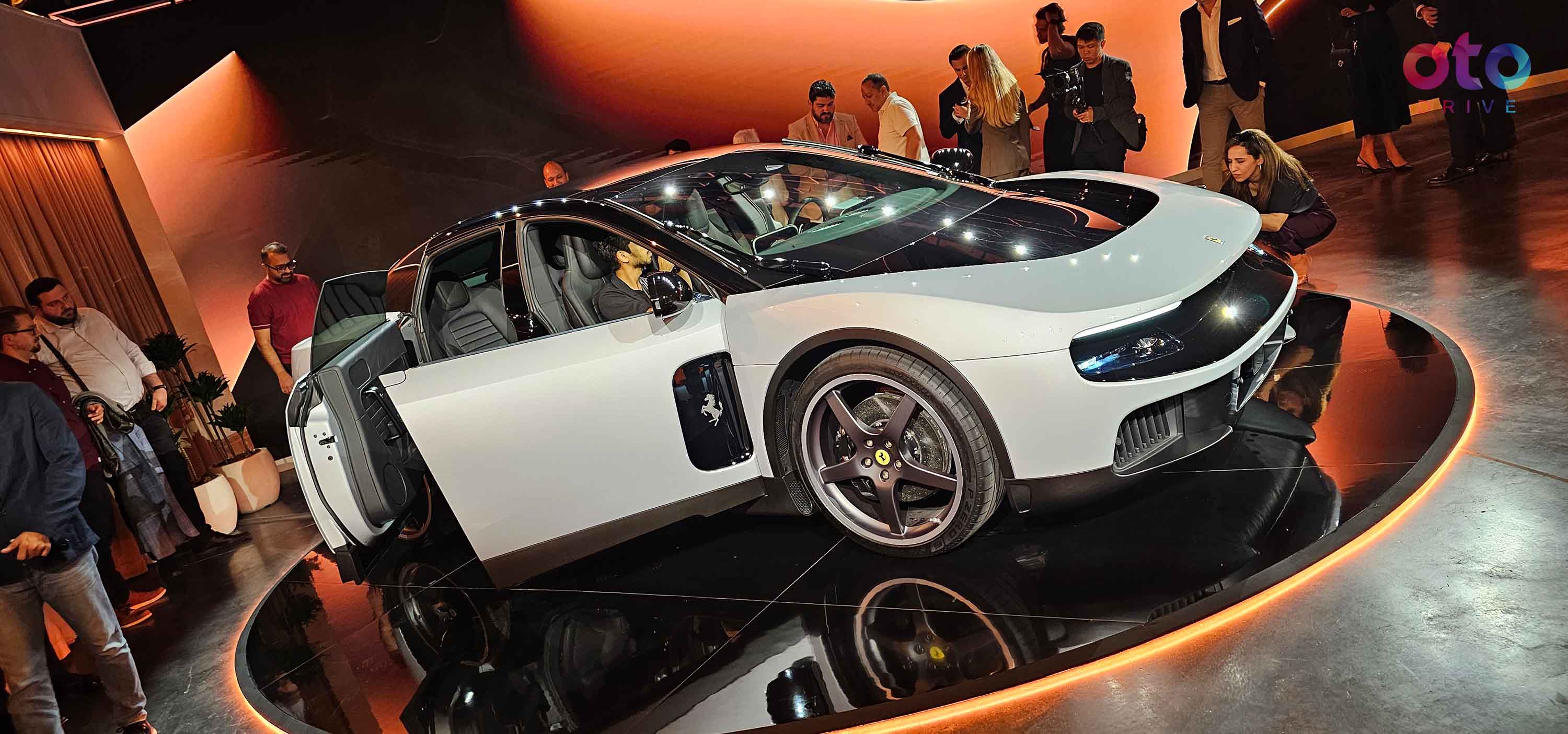
Ferrari Luce EV Makes first private GCC appearance in Dubai
Published Date :
Ferrari showcases the all-electric Luce in Dubai for its first private GCC appearance, revealing 1,050 cv, a radical LoveFrom-designed exterior, advanced electric technology and a claimed 530 km range
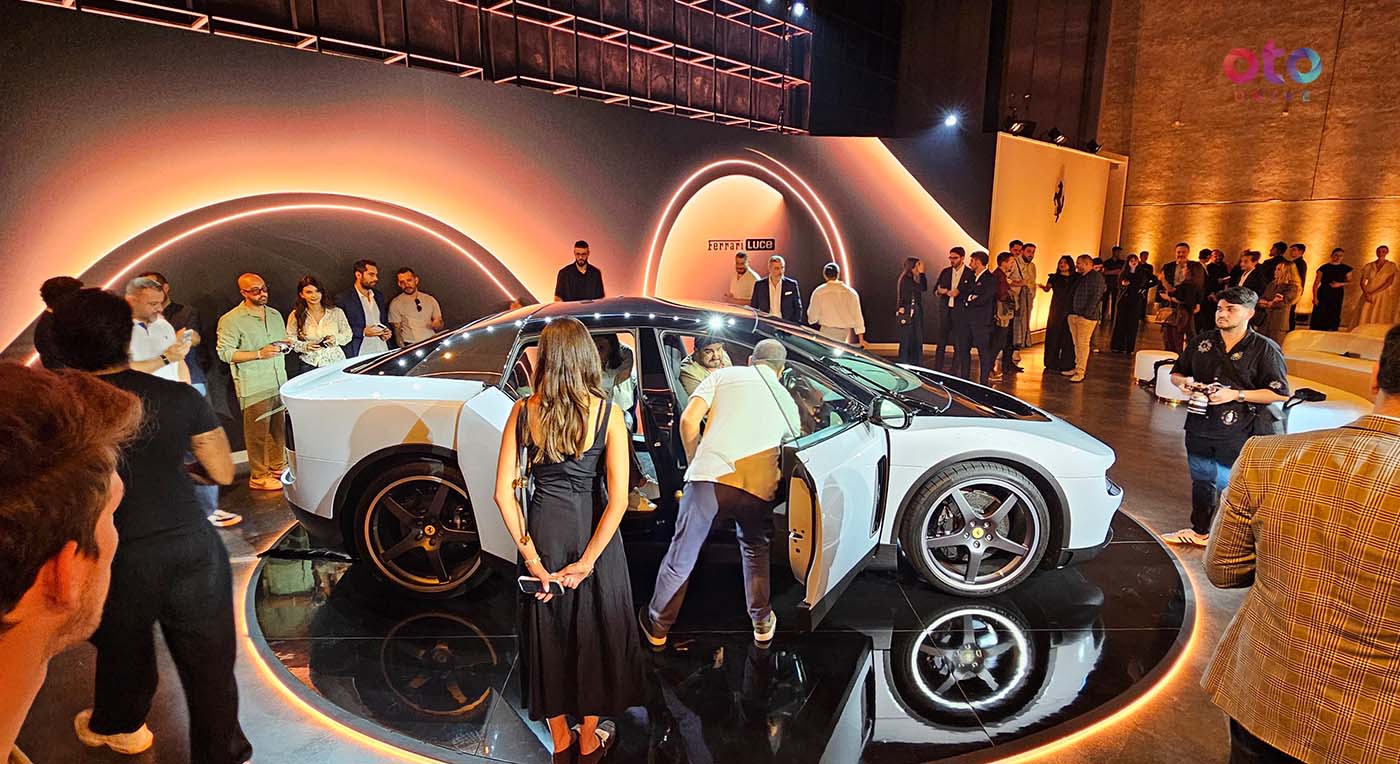
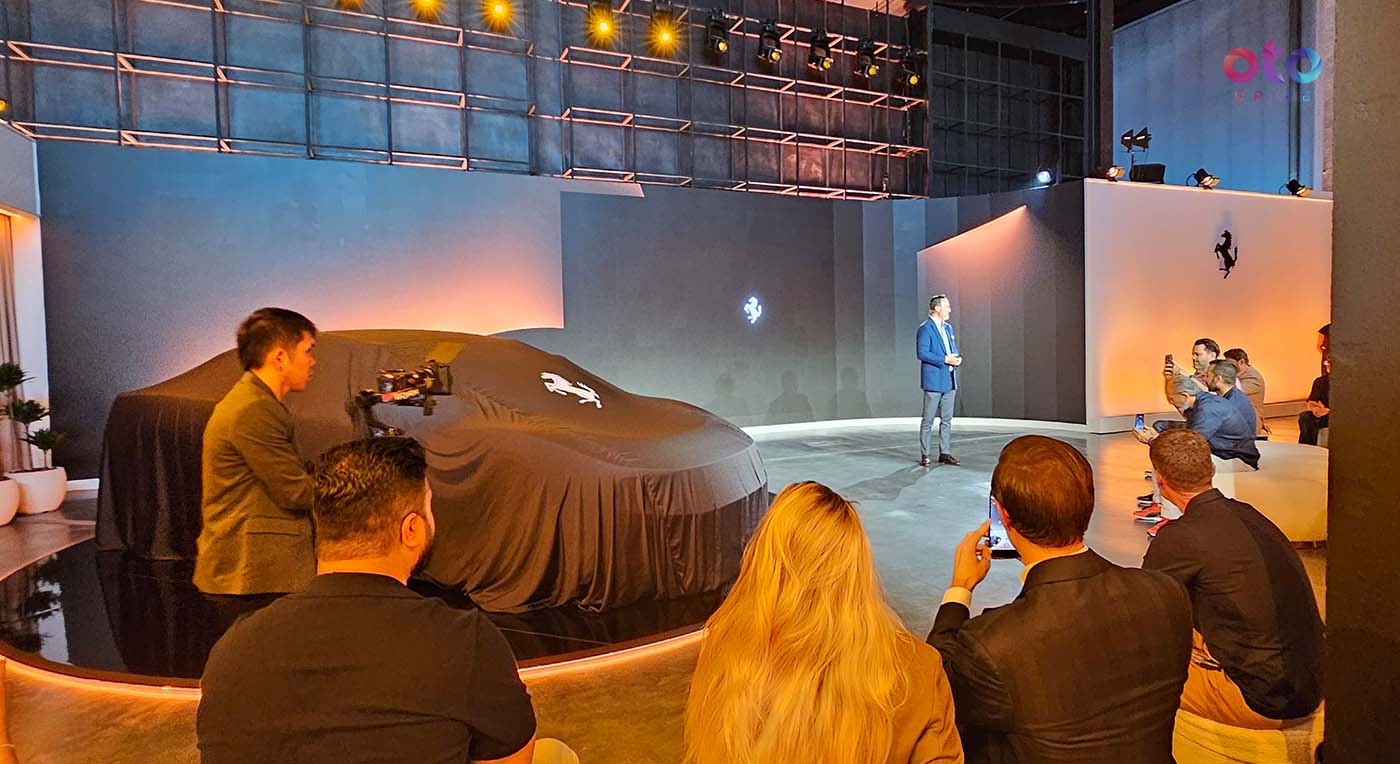
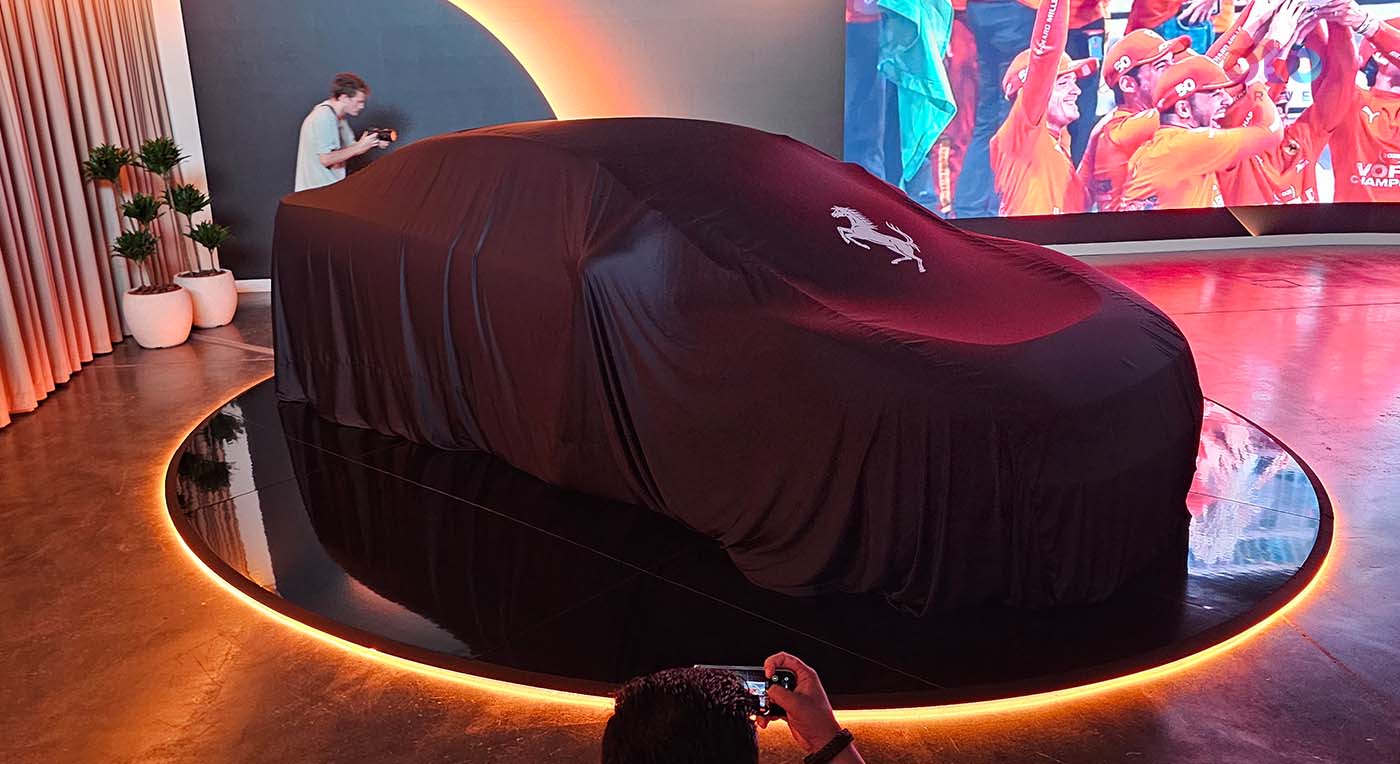
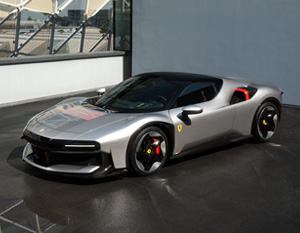
Ferrari brought its electric future to Dubai on 15 October 2026, presenting the Luce at an exclusive private viewing at Concrete, Alserkal Avenue. The event marked the car's first private appearance in the GCC, following its global debut in Rome on 25 May. A red carpet flanked by Ferrari models welcomed guests to the event. Inside the venue, dramatic lighting set the stage for the unveiling of a car that represents one of the most significant departures in Ferrari's history. The Luce introduces an all-electric powertrain while rethinking the marque's approach to design, cabin technology and driving engagement.
A Ferrari of many firsts
The Luce, Italian for light, is Ferrari's first fully electric production car, its second four-door model after the Purosangue and its first five-seater. Built on a dedicated electric platform, it features four independently driven wheels, electric all-wheel drive and integrated vehicle control systems. More than 60 patents have reportedly been developed for the project.
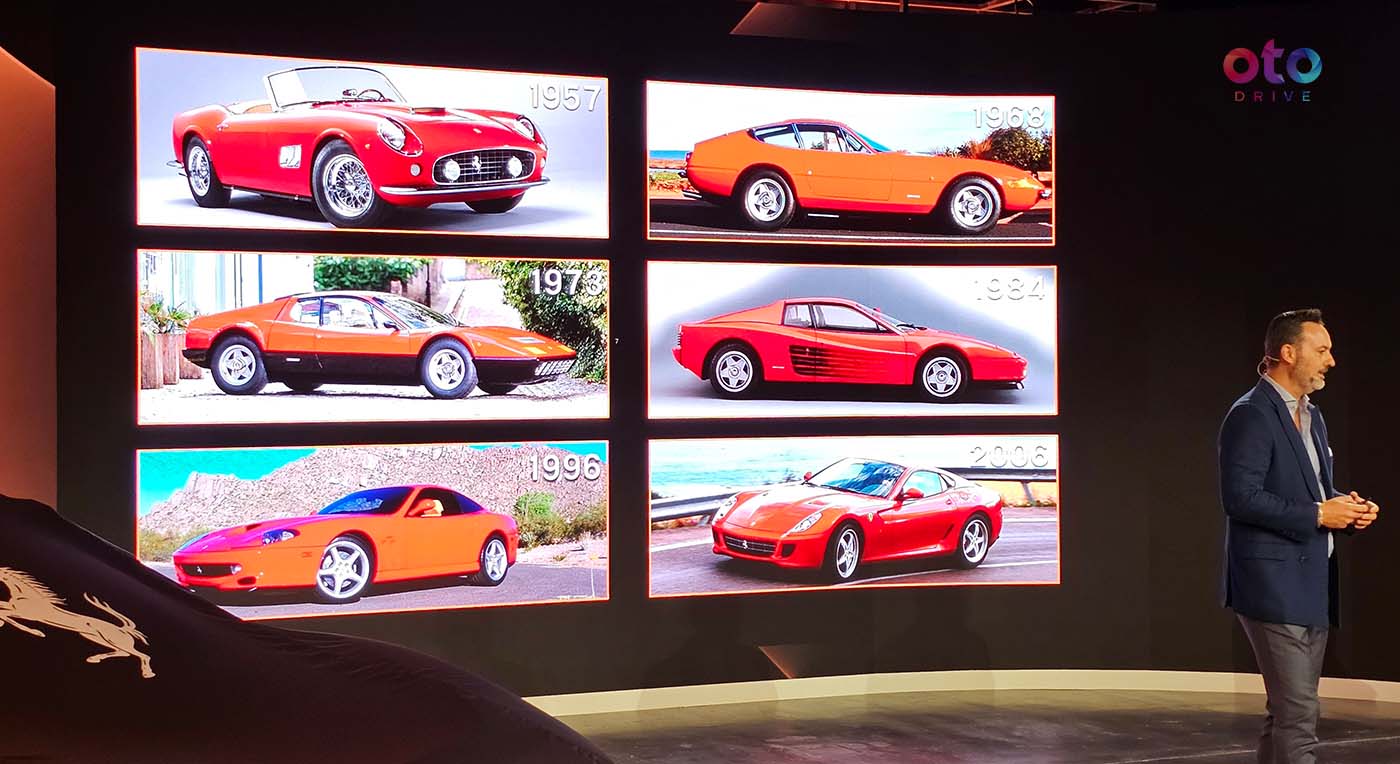
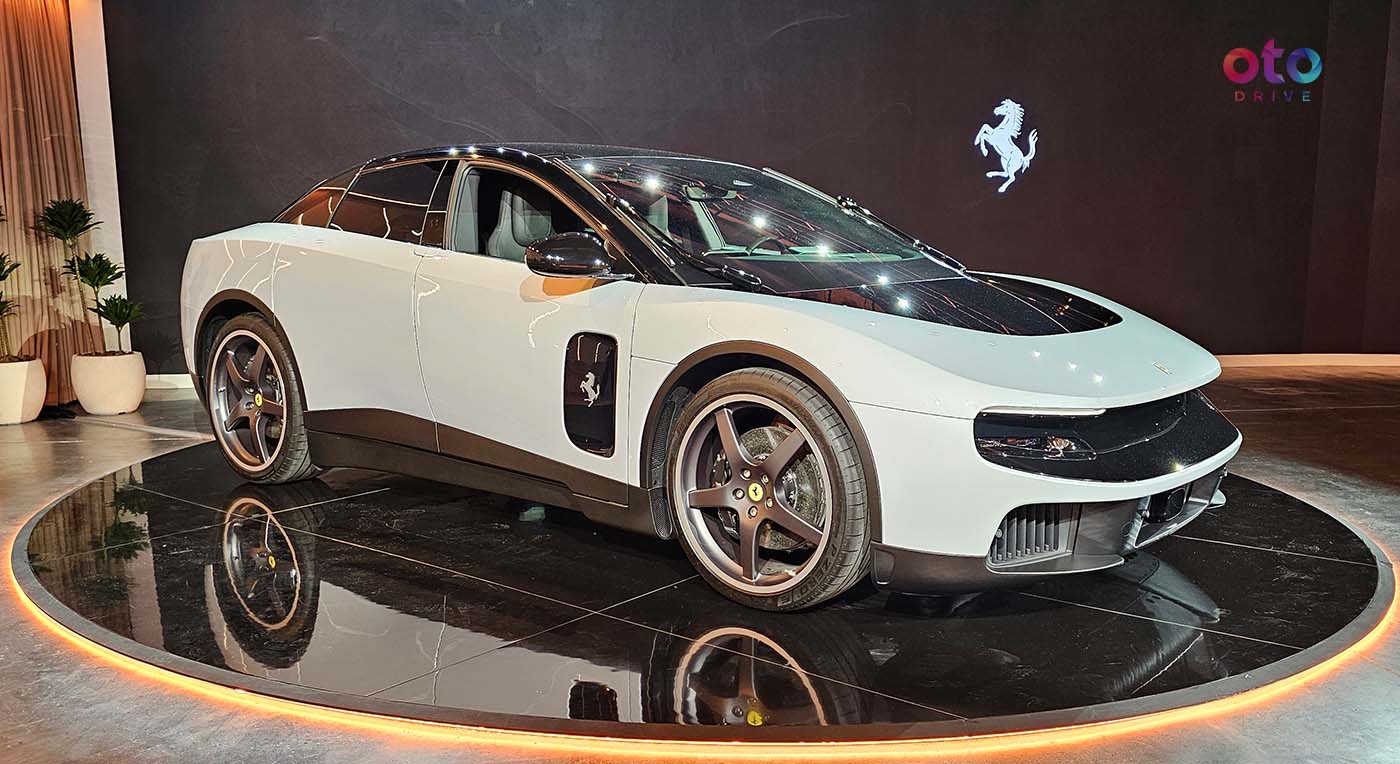
One of the most talked-about aspects is its design, created by LoveFrom, the collective founded by former Apple design chief Sir Jony Ive and designer Marc Newson. The decision to collaborate with an external design team reflects Ferrari's ambition to develop a clean-sheet concept rather than simply adapt the styling of an existing model.
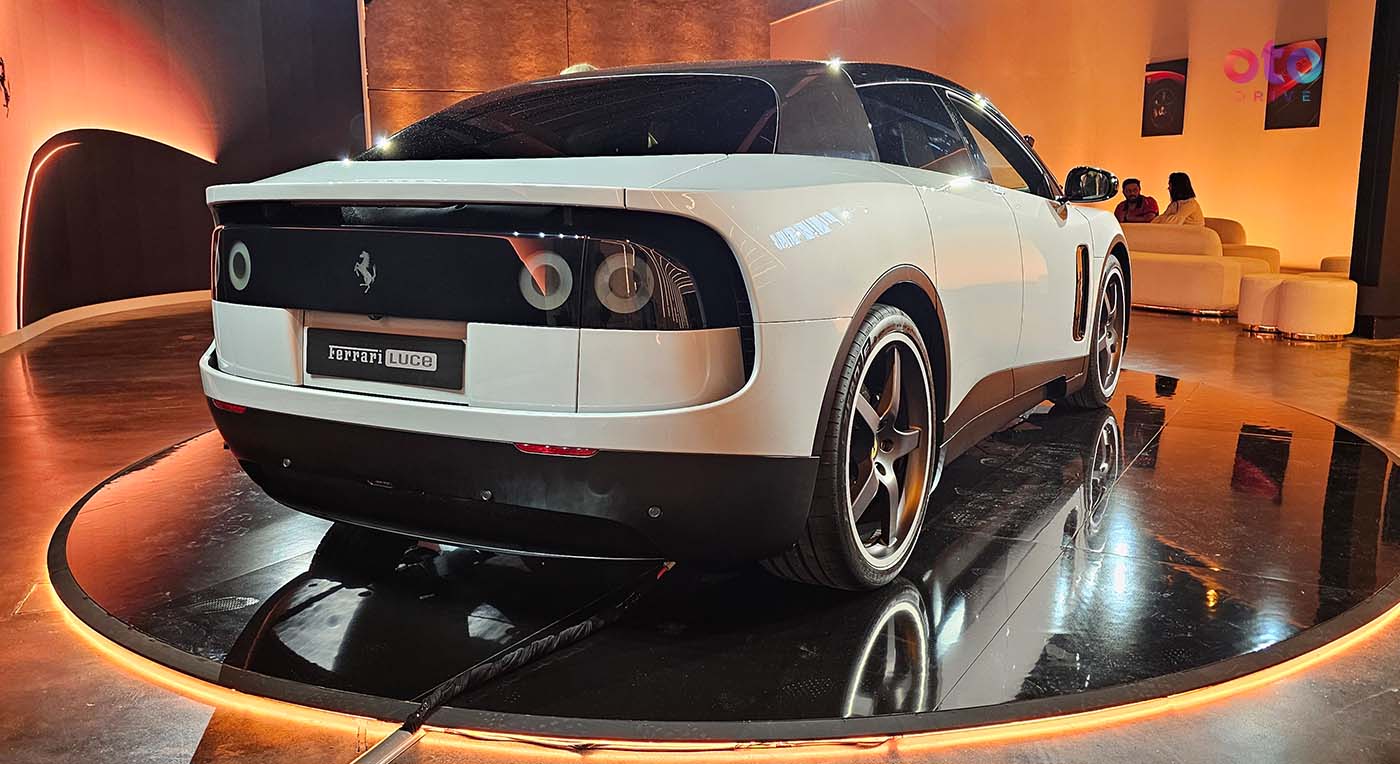
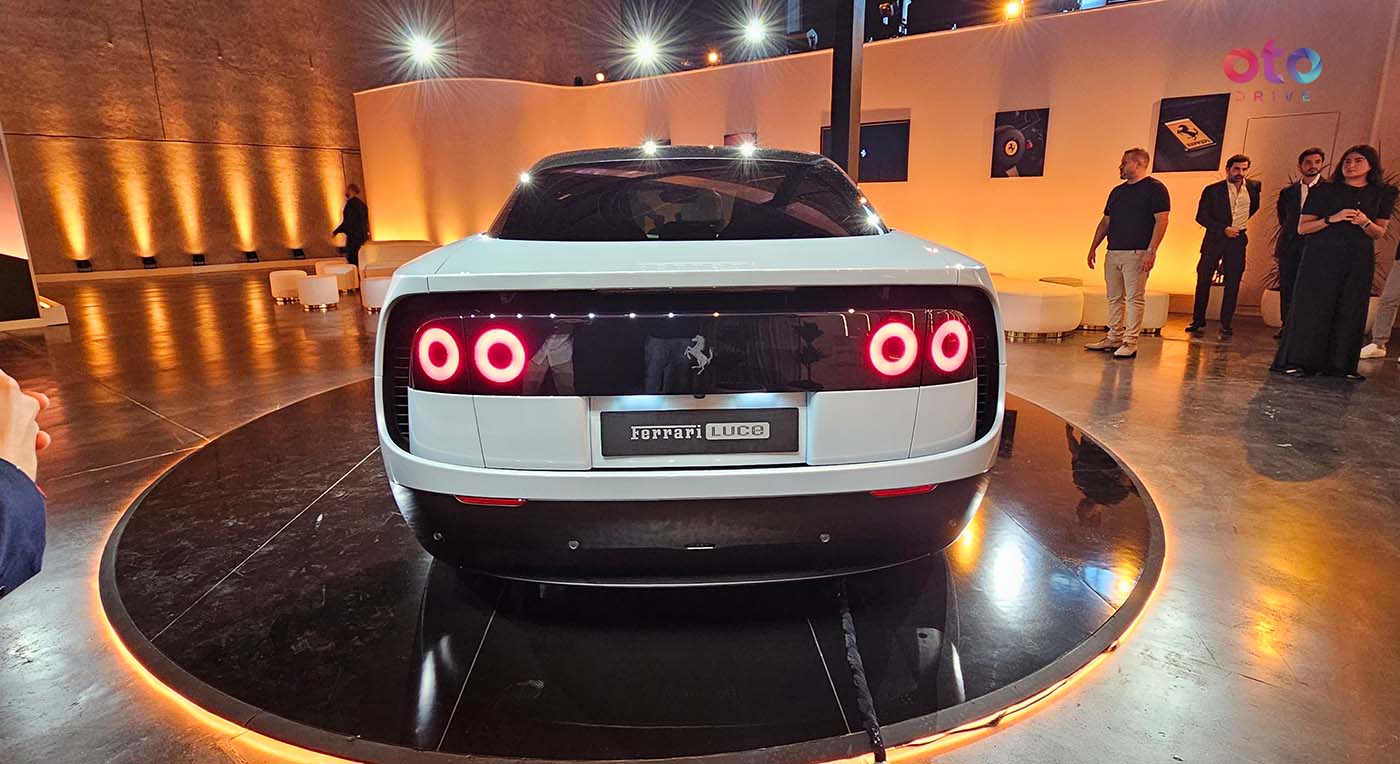
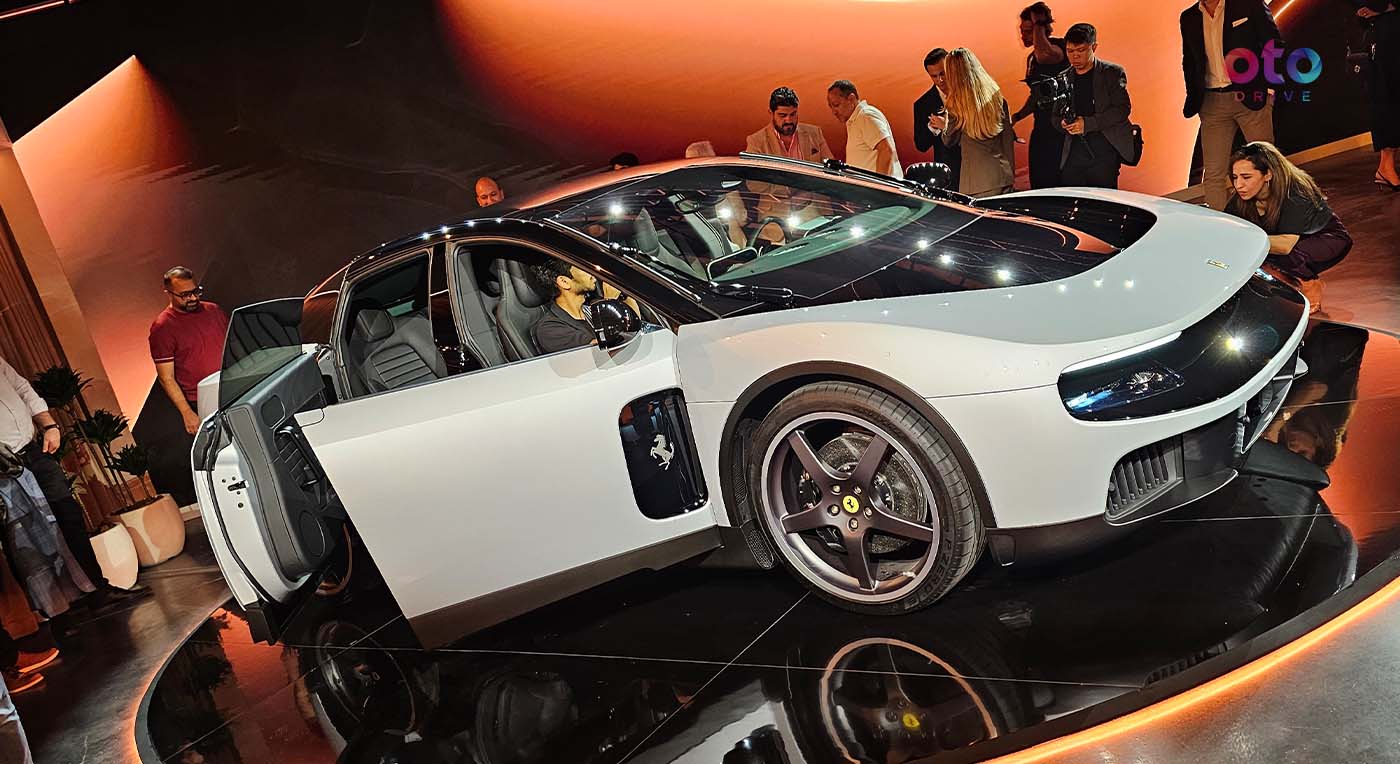
The resulting design features minimalist bodywork, an expansive glasshouse, floating aerodynamic wings and transparent lighting elements. Ferrari also claims the Luce has the lowest drag coefficient of any of its road cars.
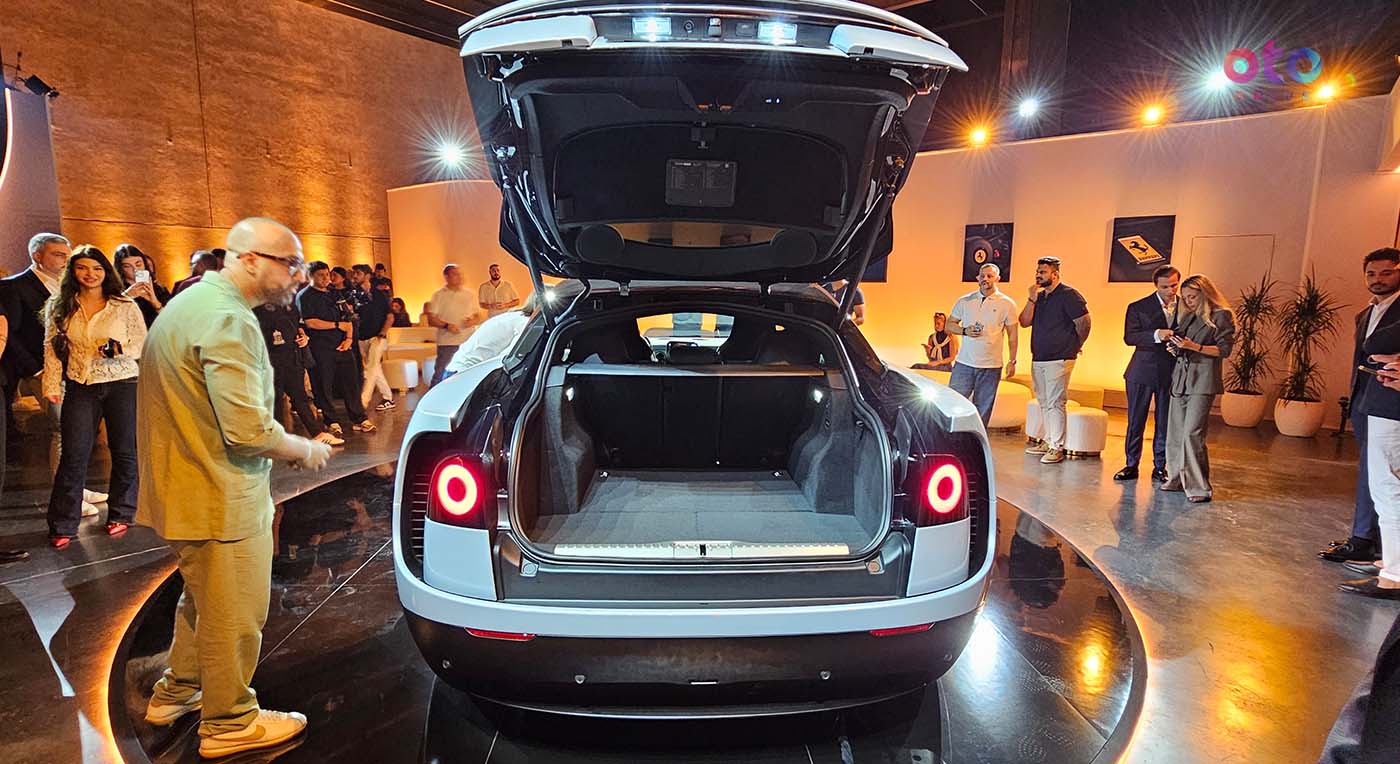
The electric Ferrari measures 5,026 mm in length, with a 2,961 mm wheelbase, seating for five and 597 litres of luggage capacity. Its staggered 23-inch front and 24-inch rear wheels are the largest wheel diameters fitted to a series-production Ferrari road car.
Performance and technology
The Ferrari Luce delivers up to 772 kW, equivalent to 1,050 cv or approximately 1,035 hp, through four electric motors in Launch Control mode. Ferrari quotes a 0–100 km/h acceleration time of 2.5 seconds, a 0–200 km/h time of 6.8 seconds and a top speed of 310 km/h.
Its 122 kWh gross-capacity battery operates on an 800-volt architecture and supports DC fast charging at up to 350 kW. Under suitable charging conditions, the system can replenish 70 kWh in approximately 20 minutes. The estimated driving range is 530 km, subject to final homologation.
Despite a reported weight of 2,260 kg, the floor-mounted battery lowers the Luce's centre of gravity by 95 mm compared with the Purosangue. Chassis technology includes active suspension derived from the F80, independent rear-wheel steering, torque vectoring and advanced regenerative braking.
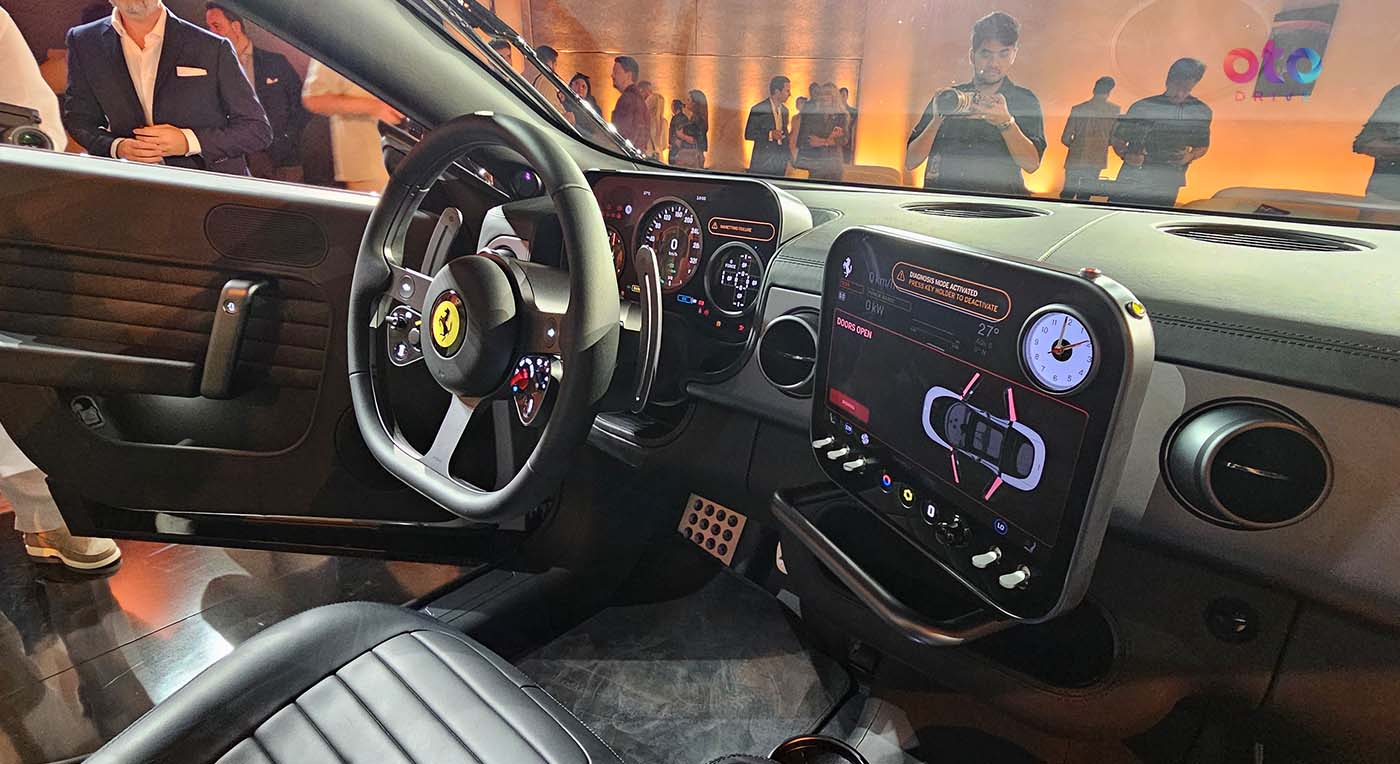
Another feature is Torque Shift Engagement, which allows drivers to adjust power delivery and regenerative braking using steering-wheel paddles. The system is intended to provide greater control over acceleration and deceleration while maintaining driver involvement in an electric vehicle.
Ferrari has yet to publish an official Fiorano lap time for the Luce, leaving its performance against the marque's established combustion-engine and hybrid models an open question.
Interior, displays and sound
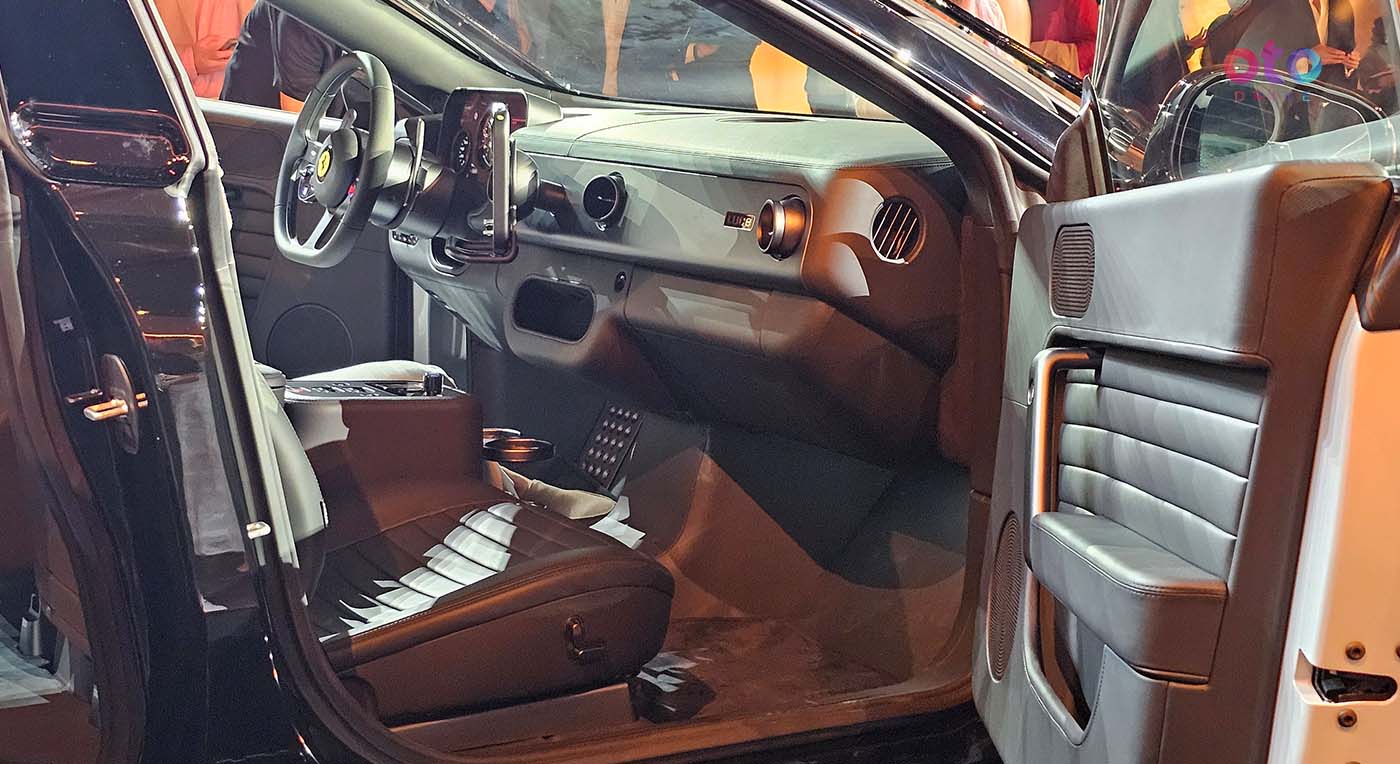
The Luce's cabin combines physical controls with digital interfaces, departing from the touchscreen-heavy approach adopted by some modern electric vehicles. Its equipment includes Samsung-developed OLED displays, a steering wheel made from recycled aluminium, a pivoting touchscreen and a Gorilla Glass key featuring an E Ink display.
A 21-speaker, 3,000-watt audio system and MyFerrari Luce connected services add to the technology package. The interior is designed to combine contemporary digital features with tactile controls and materials that reflect Ferrari's focus on craftsmanship.
Sound is another distinctive part of the electric Ferrari's engineering. Rather than relying solely on synthesised engine noises, the system captures actual drivetrain vibrations through an accelerometer mounted at the rear axle. These signals are filtered and amplified to create an audible soundtrack inside and outside the car.
Ferrari has also worked to reduce unwanted motor, road and tyre noise. Measures include electromagnetic cancellation of unwanted motor noise, an elastically mounted rear subframe, two-stage axle isolation, acoustic glazing and specialised soundproofing.
Controversial design, but strong reported demand
The Luce's May unveiling drew criticism for its unconventional styling and departure from Ferrari's combustion-engine heritage. On 26 May, shares fell 8.4% in Milan and approximately 5.3% in New York. However, Ferrari's US-listed shares subsequently recovered, rising from $329.91 that day to $393.28 by 23 October, a gain of approximately 19%.
A Ferrari EV costing over AED 2.3 million?
With a reported European starting price of €550,000 (approximately AED 2.35 million), the Luce costs more than twice as much as Dubai's AED 962,400 Porsche Taycan Turbo GT. Exclusive electric hypercars such as the Rimac Nevera occupy an even higher price bracket. Official UAE pricing remains unannounced.
Whether traditional enthusiasts embrace the Luce remains uncertain, but as an addition to Ferrari's combustion-engine and hybrid range, it aims to redefine the marque's design, performance and driving experience for the electric era.





Loading comments...