Cars and Stars: Why Automakers Look to the Skies
Published Date :
How celestial names like Subaru, Celica, Eclipse and Galaxie shape automotive identity
From Subaru’s six-star emblem to models such as the Mitsubishi Eclipse, Hyundai Staria and Ford Galaxie, the automotive world has long drawn inspiration from the skies above. Have you ever noticed the star-inspired badge on a Subaru, or wondered why so many cars carry names linked to space, stars and astronomical events? This is no coincidence. The connection between the automotive industry and celestial inspiration is deliberate and deeply rooted in history. Since ancient times, humans have looked to the skies for meaning using stars for navigation, agriculture and storytelling. The universe has always symbolised aspiration, exploration and mystery. These same qualities align perfectly with what cars represent: freedom, movement and the promise of discovery. It is therefore no surprise that car manufacturers consistently draw from the cosmos when naming vehicles or designing brand identities.
Subaru’s six-star identity
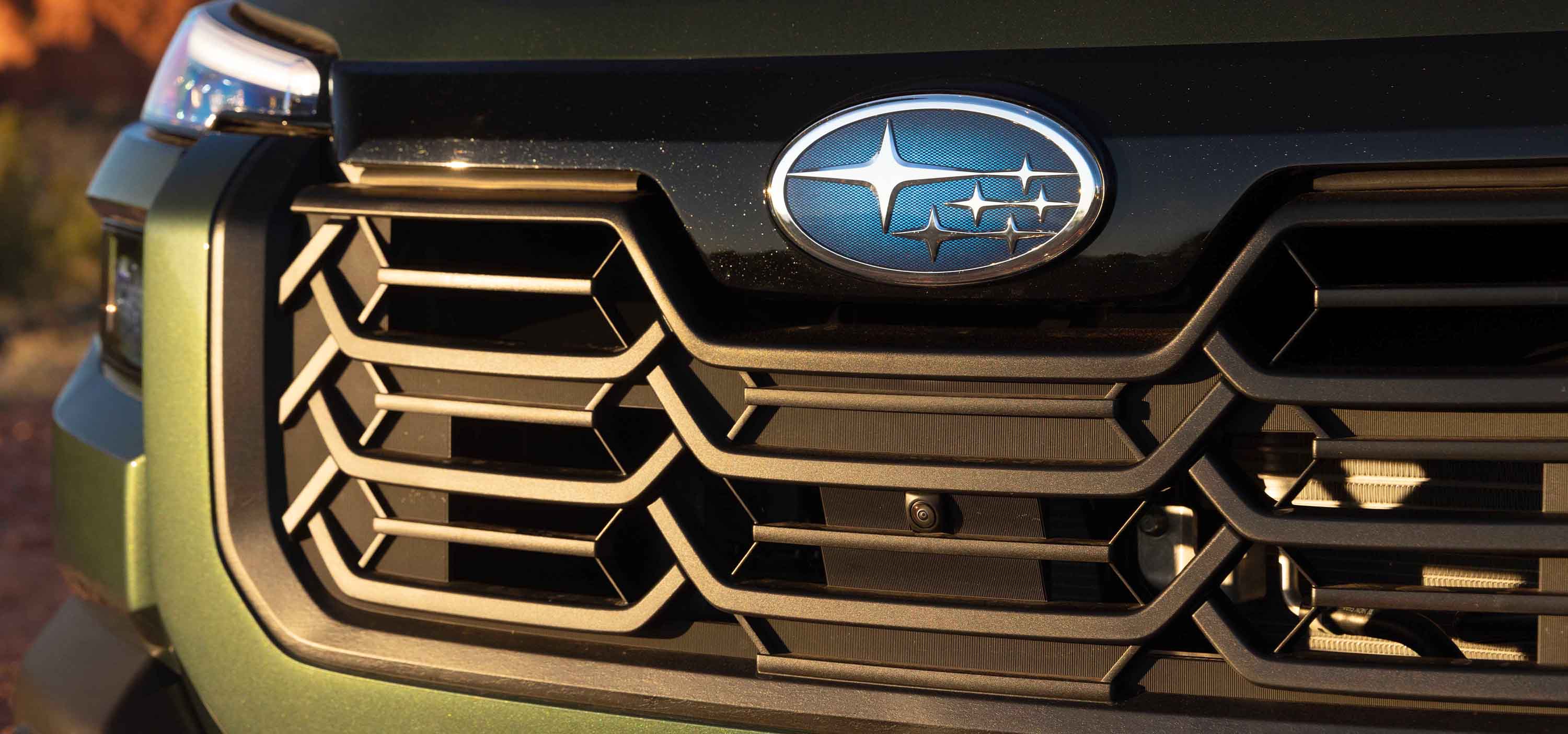
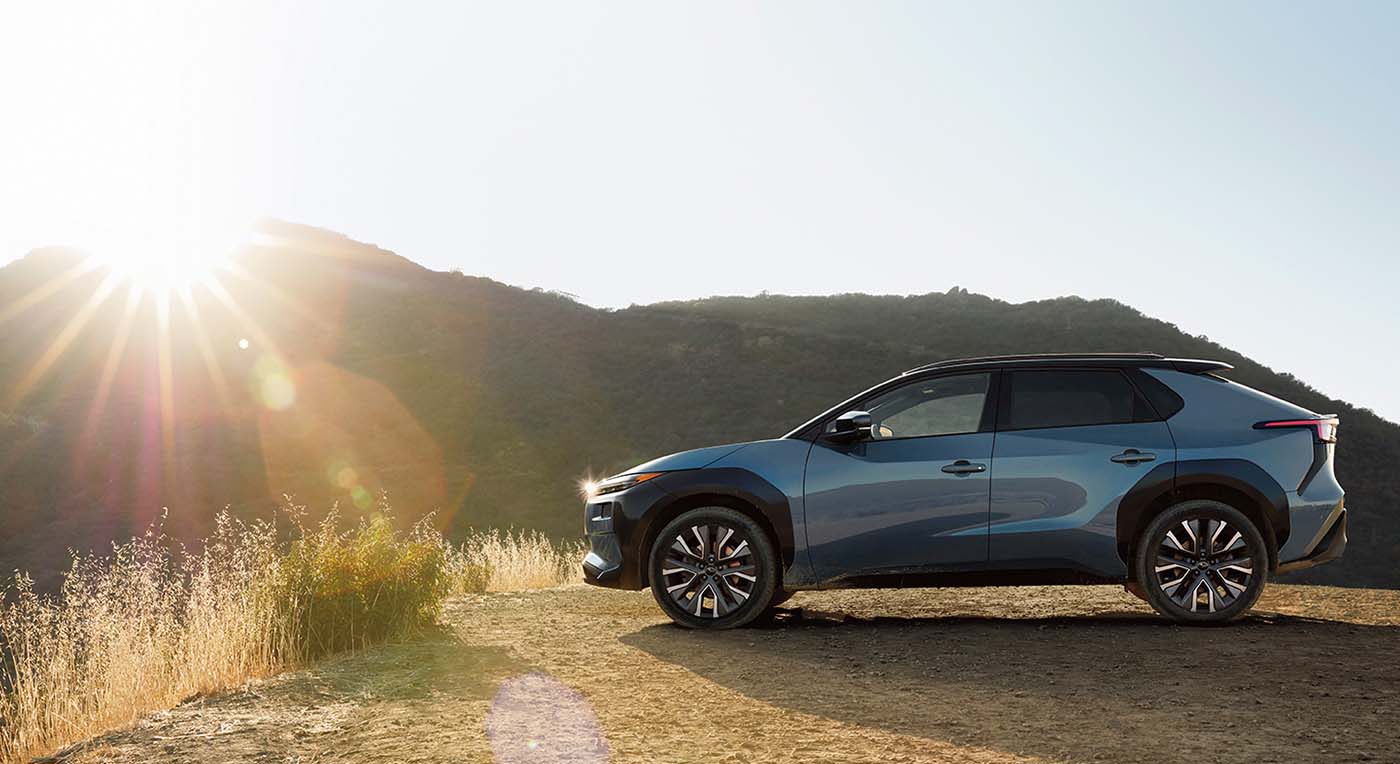
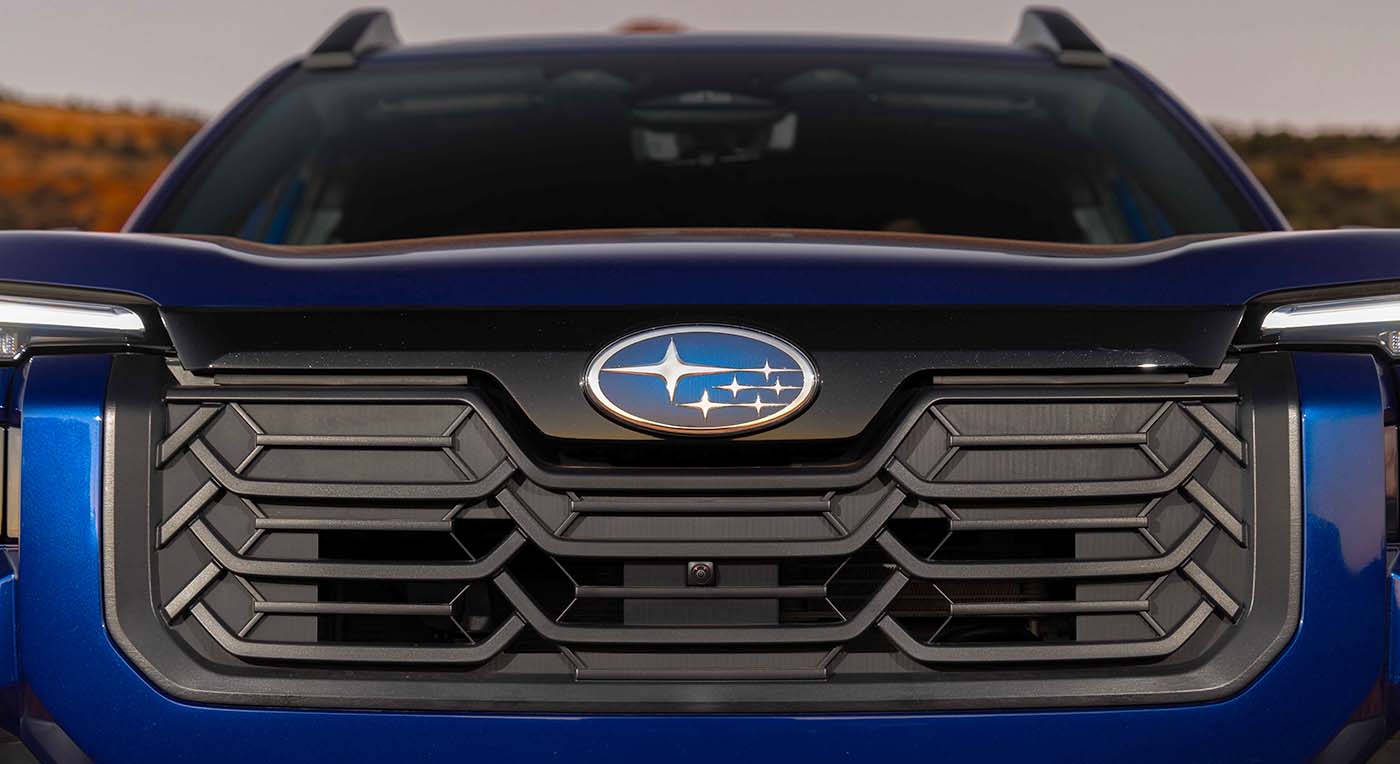
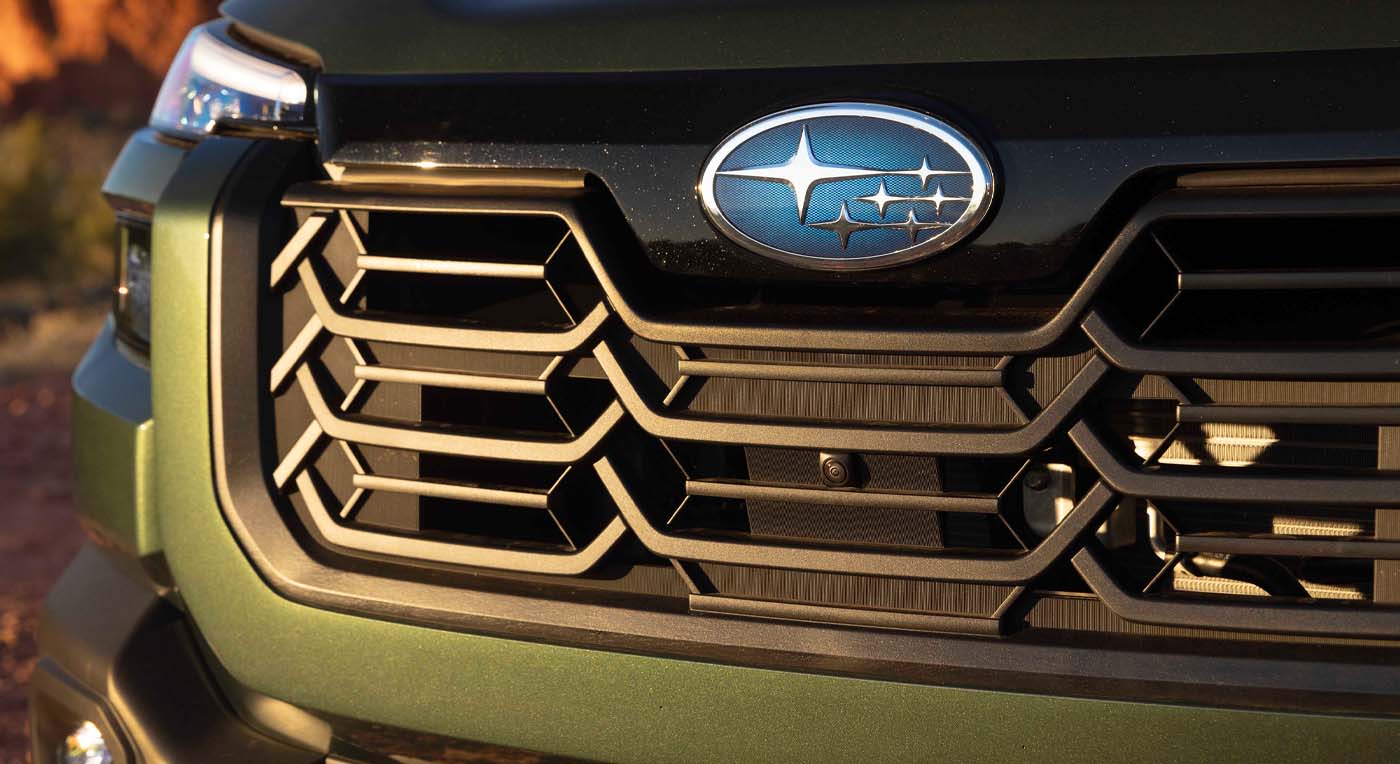
Subaru offers one of the most direct links between cars and astronomy. The name “Subaru” is the Japanese term for the Pleiades star cluster in the Taurus constellation, while its emblem features six stars representing both the cluster and the companies that merged to form the brand.
This combination of astronomy and corporate identity makes Subaru’s badge one of the most meaningful in the automotive world.
Toyota builds a celestial line-up
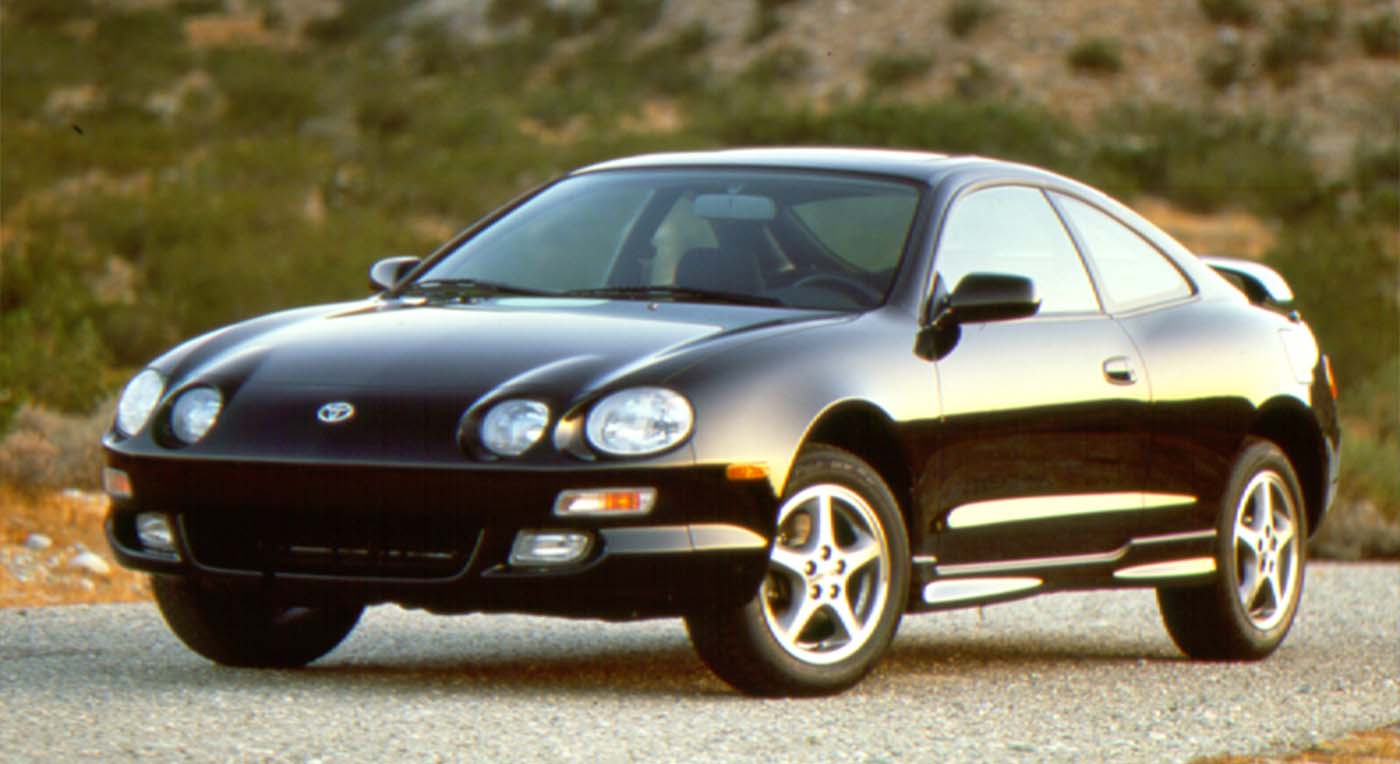
Toyota has created an entire universe through its model naming strategy. The Celica name derives from “celestial,” while Corona refers to the glowing halo surrounding the Sun.
The Land Cruiser Cygnus, sold in Japan, takes its name from the Cygnus constellation, also known as the Swan, adding a sense of elegance and scale to the SUV.
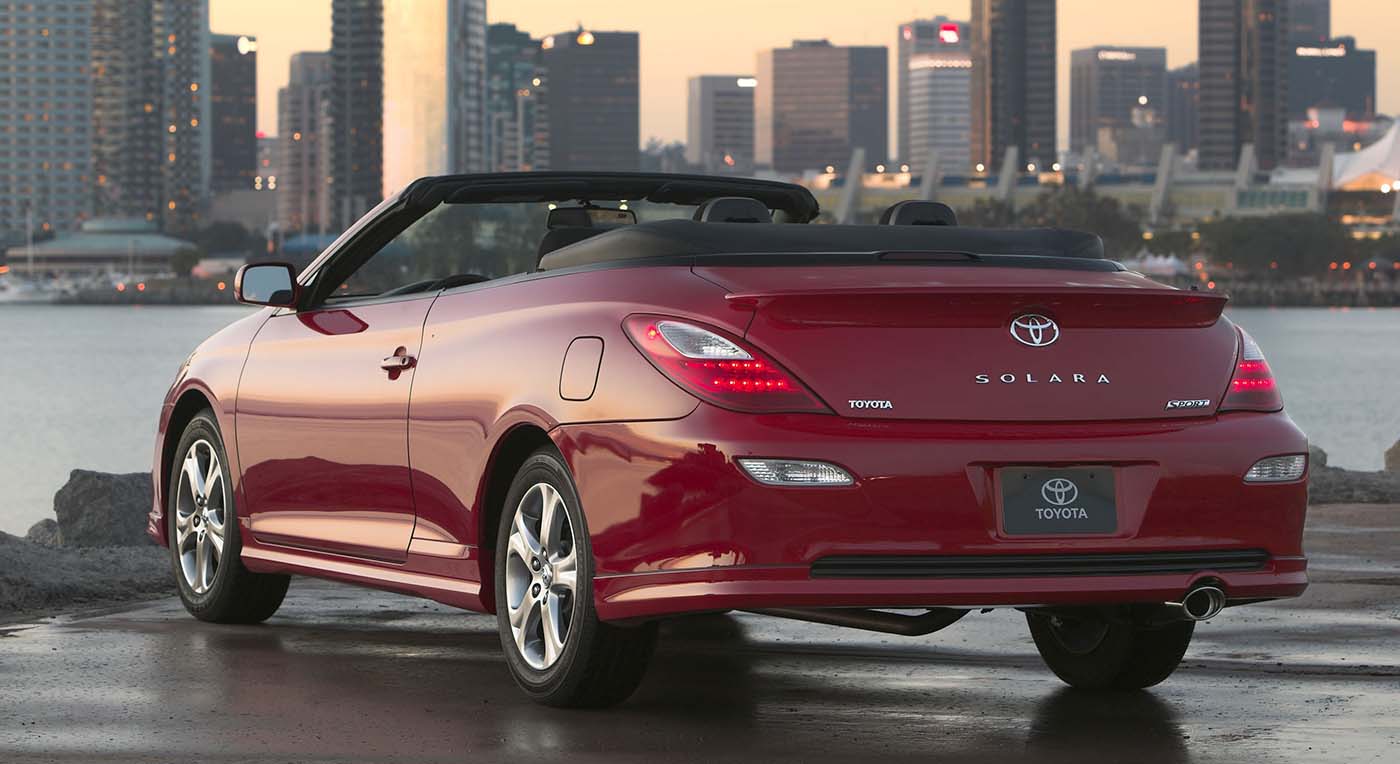
Other Toyota models, including Starlet and Solara, continue the celestial theme, showing that space-inspired naming is not limited to performance cars or concept vehicles.
Detroit’s Space Age influence
American automakers embraced celestial naming during the Space Age, reflecting the excitement of space exploration in the mid-20th century.
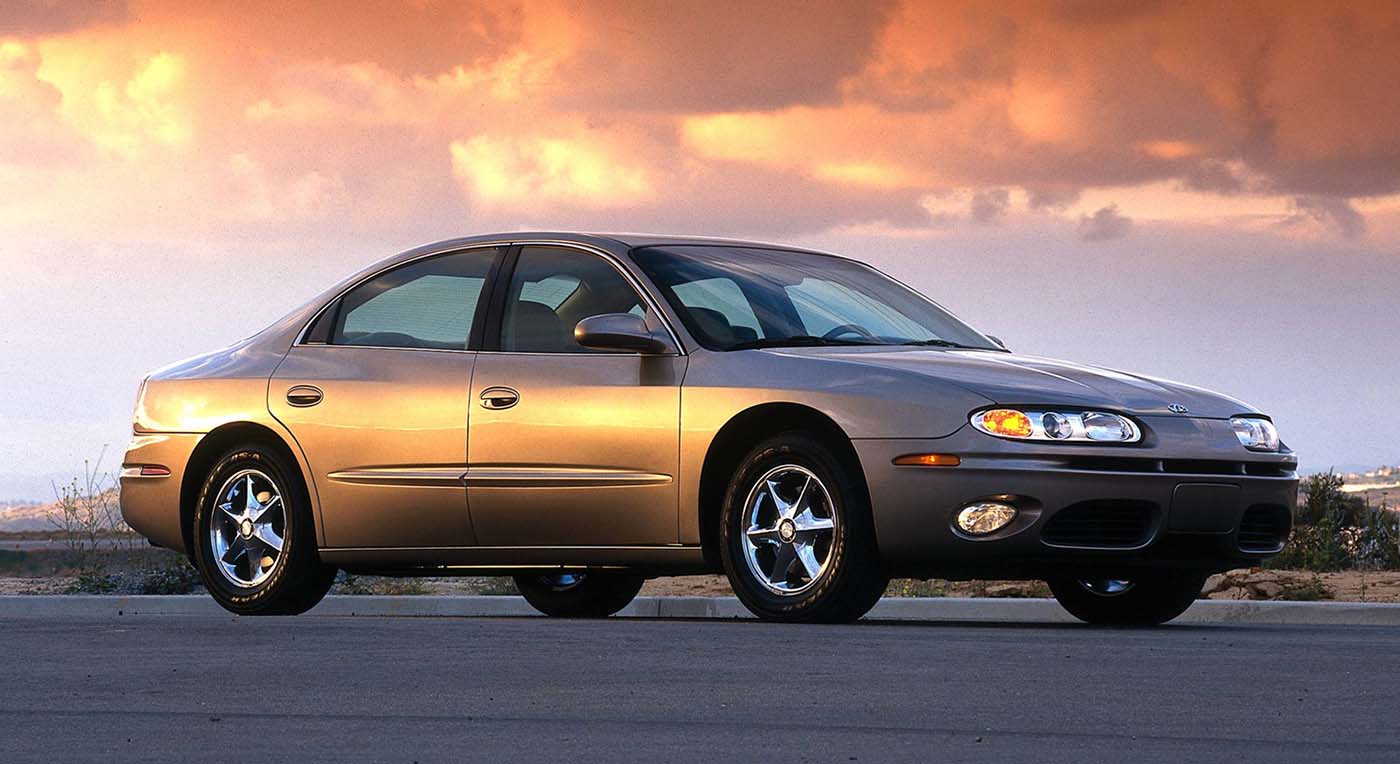
Ford introduced the Galaxie, a model designed to evoke futuristic ambition, while the Taurus borrowed its name from the zodiac constellation. Chevrolet used Equinox, referencing the astronomical event when day and night are equal.
Other examples include the Mercury Comet, Chevrolet Vega and Nova, all reinforcing a strong connection between American cars and space-inspired branding.
Hyundai looks beyond the horizon
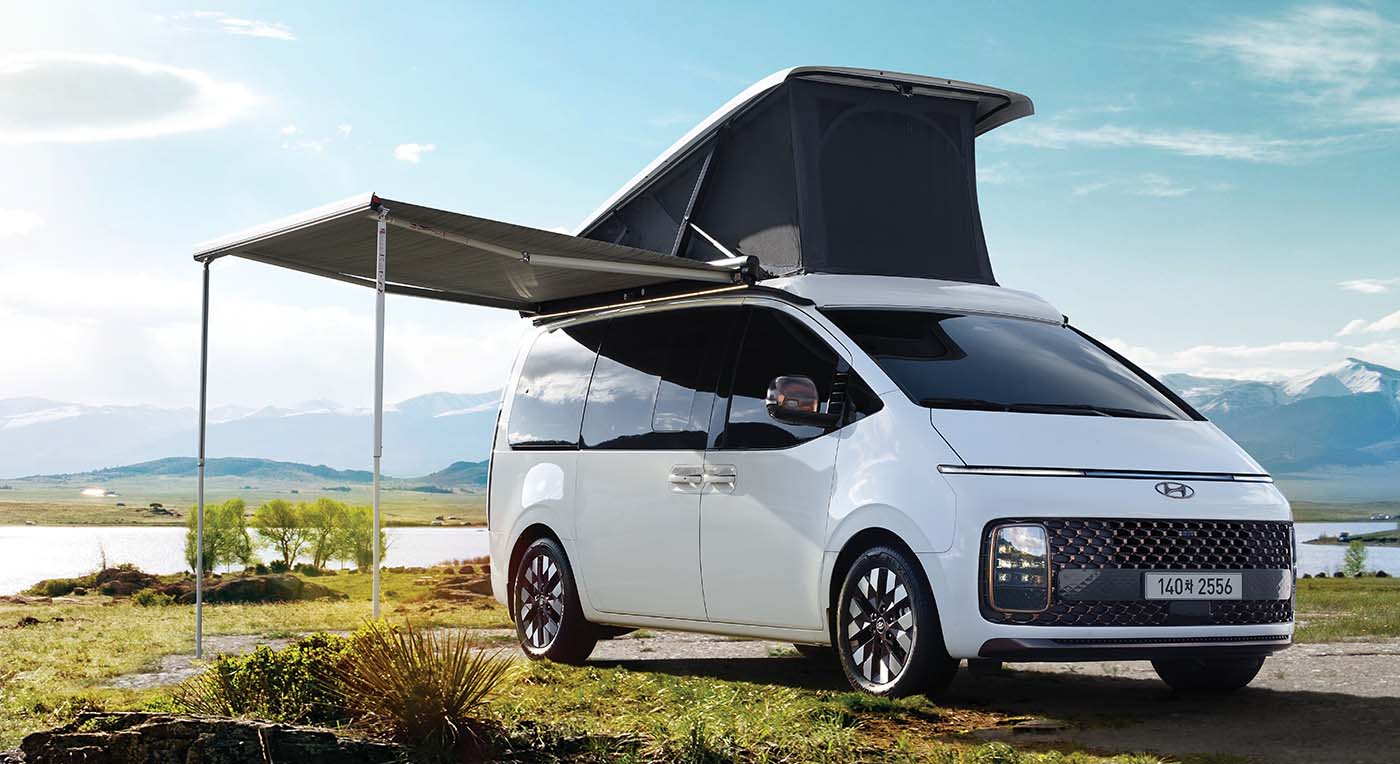
Hyundai has continued the tradition with modern models such as the Stargazer and Staria. These names directly reference space and futuristic exploration, aligning with the brand’s design direction.
The Staria, in particular, combines “star” with “ria,” reflecting a futuristic, streamlined design language. Its spacecraft-like appearance reinforces the celestial connection.
Hyundai’s earlier model, the Stellar, also drew from Latin origins meaning “star-like” or “excellent,” highlighting how celestial naming can convey quality and aspiration.
Eclipses, guiding stars and cosmic ideas
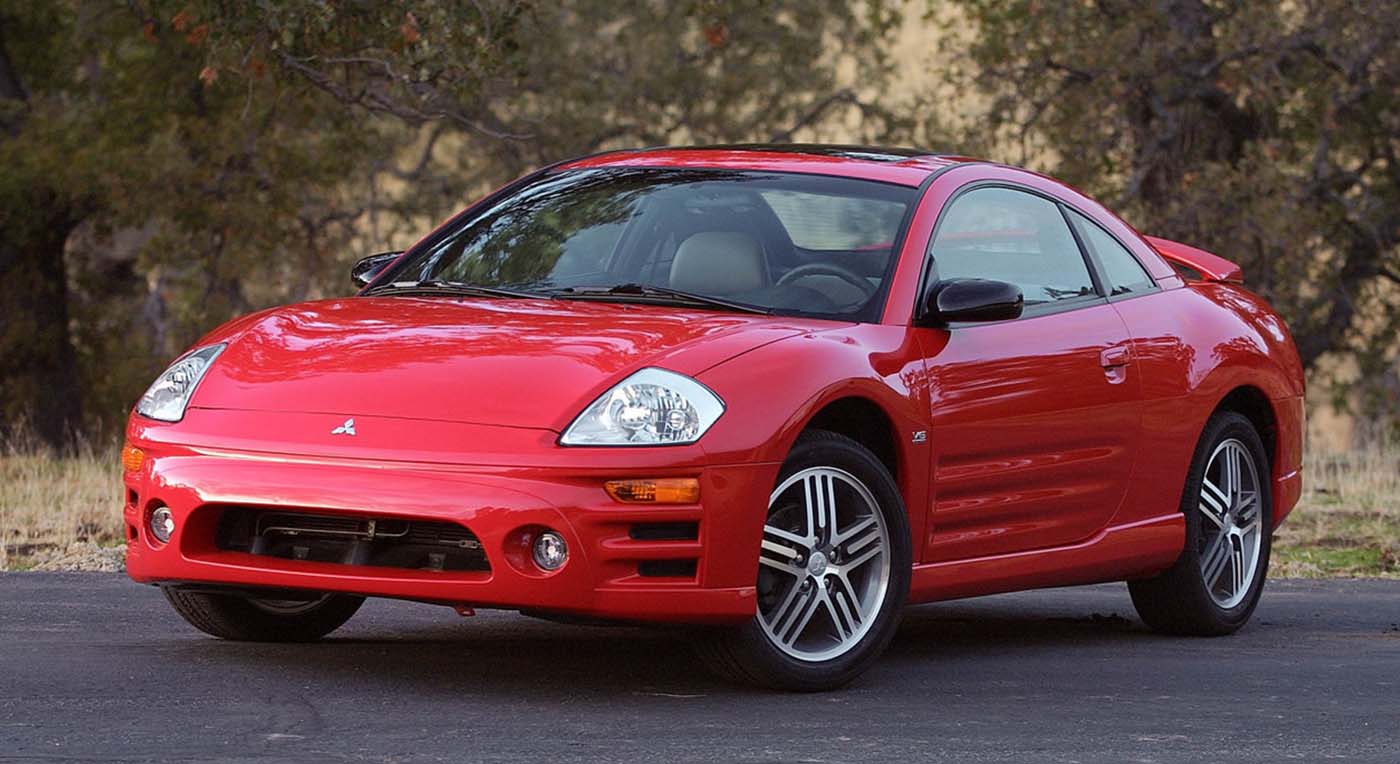
The Mitsubishi Eclipse brought a dramatic astronomical event into the automotive world, reinforcing performance and excitement. The name continues today with newer models such as the Eclipse Cross.
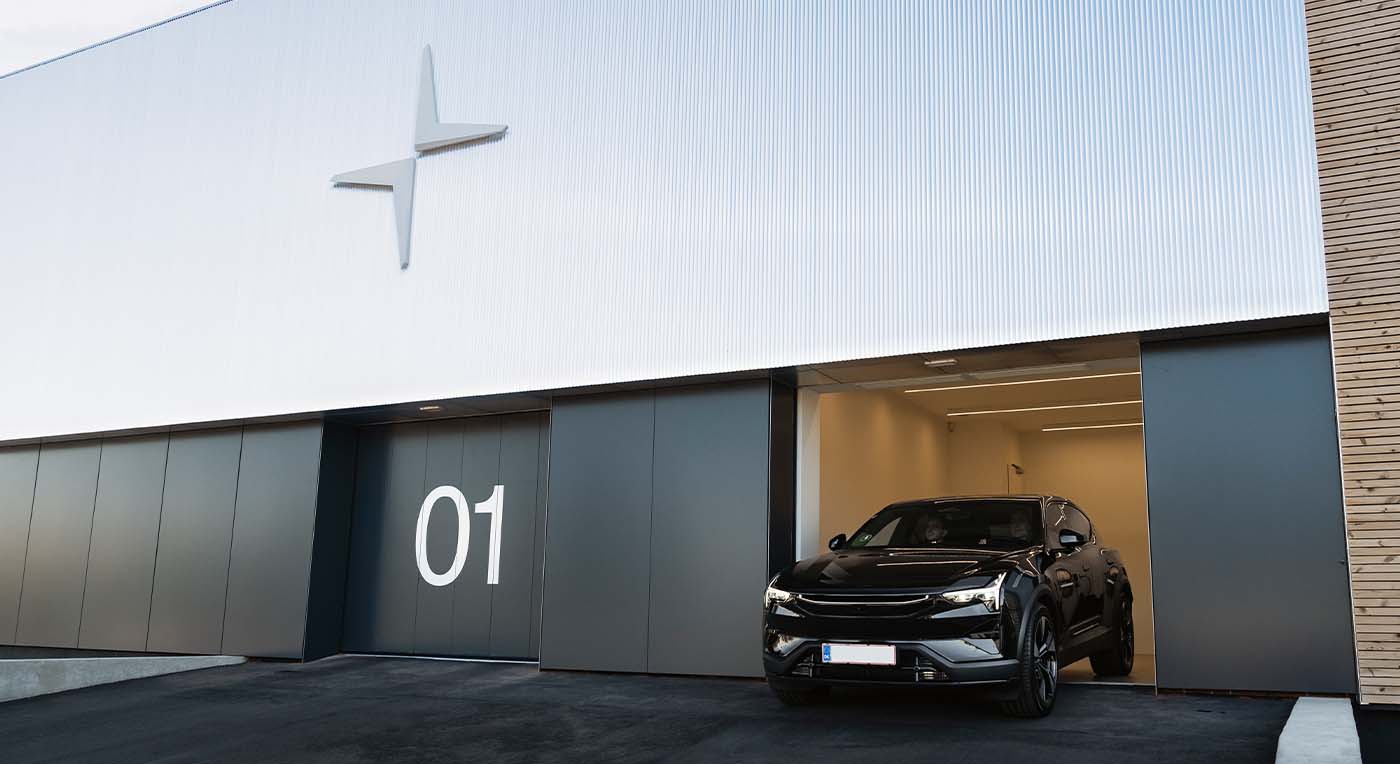
Polestar takes inspiration from the North Star, historically used for navigation, symbolising direction and leadership. Mazda’s name is linked to Ahura Mazda, associated with light and wisdom, giving it a more philosophical connection to the cosmos.
Concept cars push this theme even further. Peugeot’s Quasar concept borrowed its name from one of the universe’s most powerful phenomena, reflecting innovation and futuristic thinking.
A universe of automotive names
The list of celestial-inspired vehicles is extensive. It includes models such as Subaru Stella, Ford Orion, Opel Astra, Nissan Pulsar, Mazda Cosmo, Chevrolet Astro and Renault Étoile Filante.
Other notable examples include Saturn, Pontiac Solstice, Cadillac Celestiq and Genesis Neolun, all drawing on space, stars or light to create strong brand associations.
These names span decades, markets and vehicle types, demonstrating how universal and enduring the theme has become.
Why celestial names still matter
Celestial names carry powerful symbolism. A star represents brilliance, a comet suggests speed, a galaxy conveys scale and an eclipse implies transformation.
These meanings resonate across cultures, making them effective for global automotive branding. Even practical family cars benefit from this association, gaining a sense of aspiration and emotional appeal.
Cars may remain firmly on the road, but their names often point skyward towards imagination, ambition and exploration.
Even simple names like Nissan Sunny reflect this idea, evoking brightness and positivity without directly referencing space.
The connection continues
As automotive design and technology evolve, the industry continues to look beyond Earth for inspiration. From electric vehicles to futuristic concepts, celestial naming remains a powerful storytelling tool.
Because while cars move us physically, the idea behind them often begins somewhere far beyond the road among the stars.


Loading comments...