
McLaren reveals 2027 WEC Hypercar and MCL-HY GTR
Published Date :
Twin-turbo V6-powered endurance racer previews McLaren’s return to Le Mans, alongside a track-only MCL-HY GTR for select clients
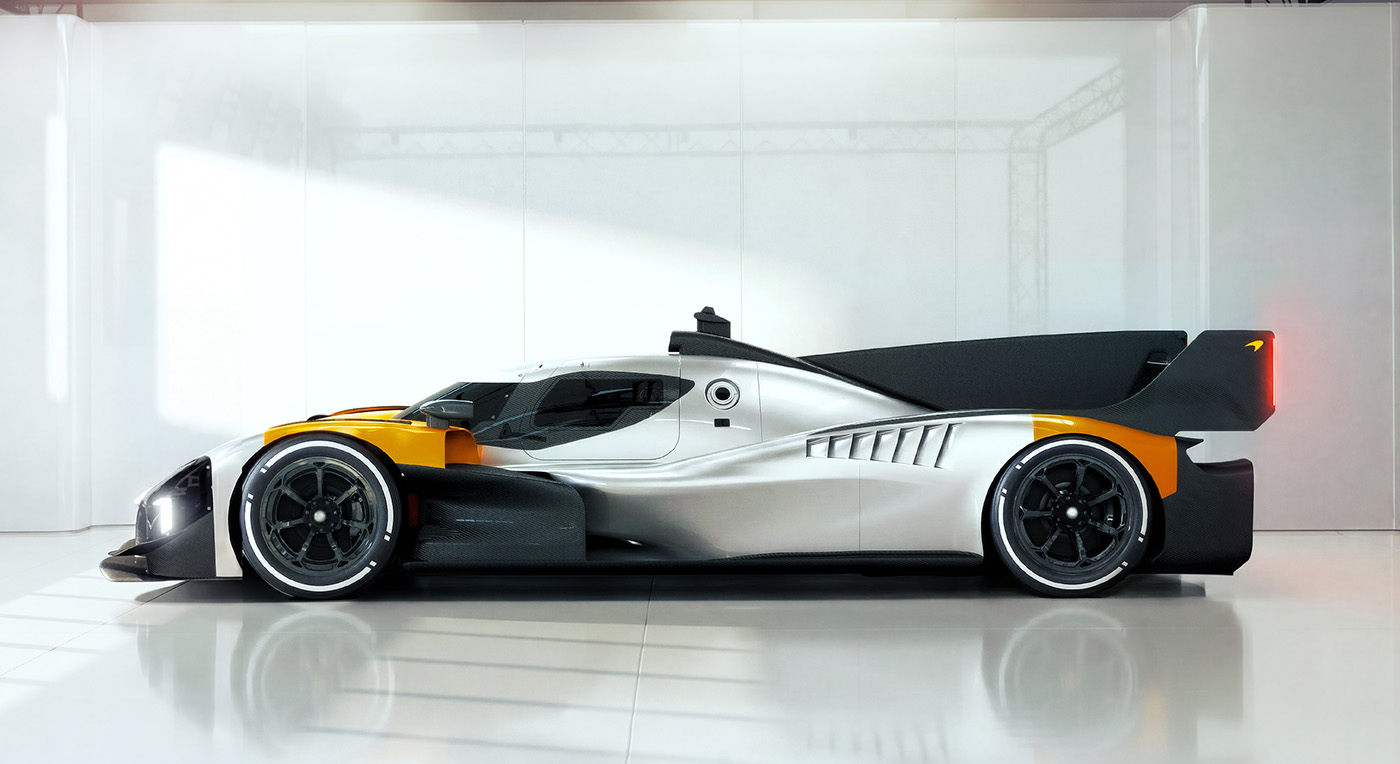
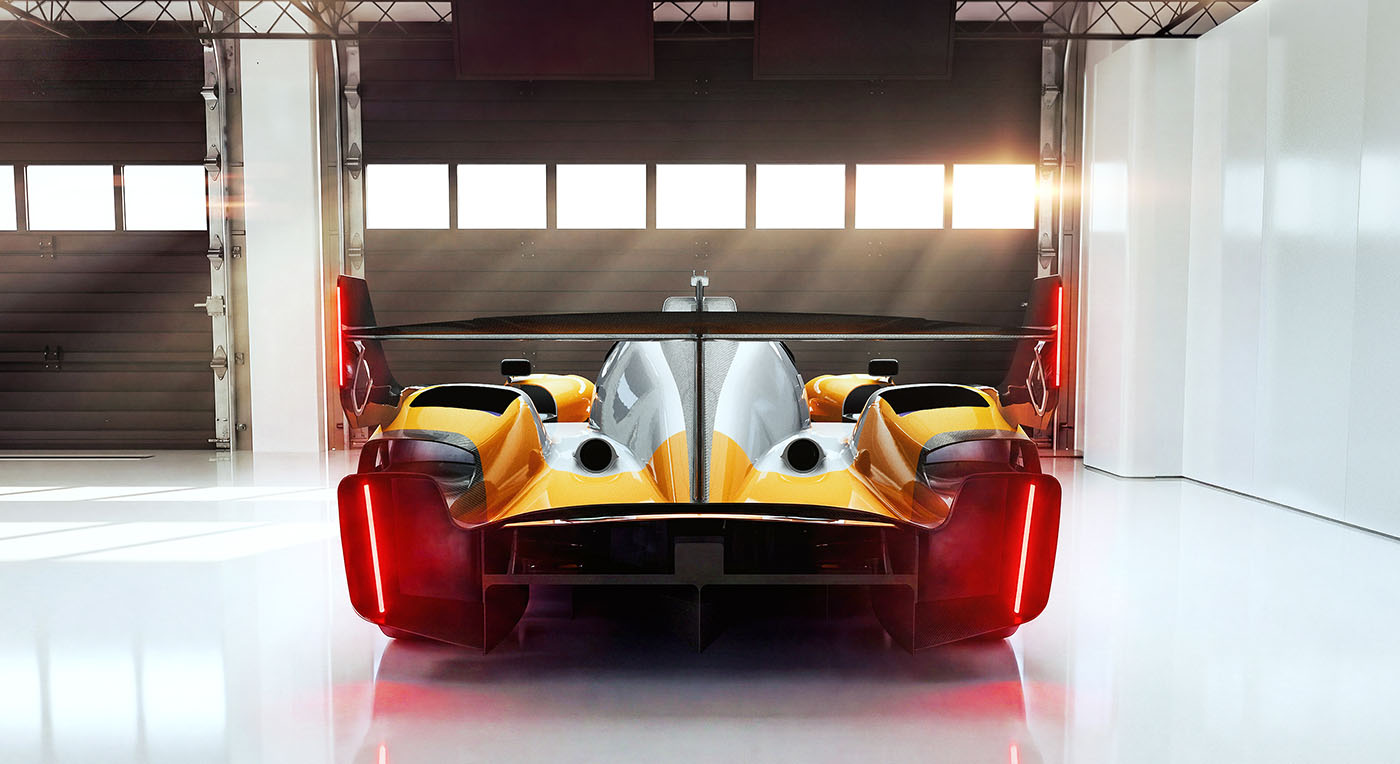
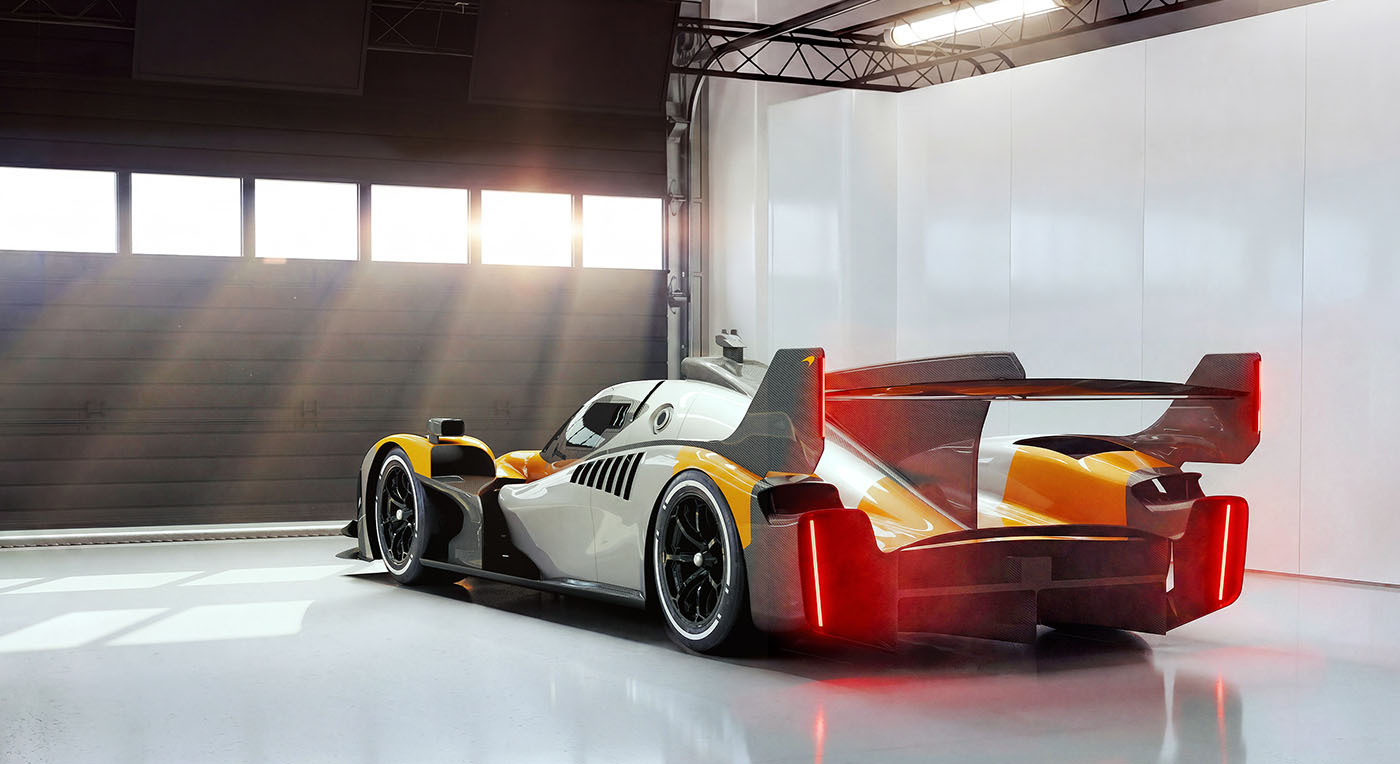
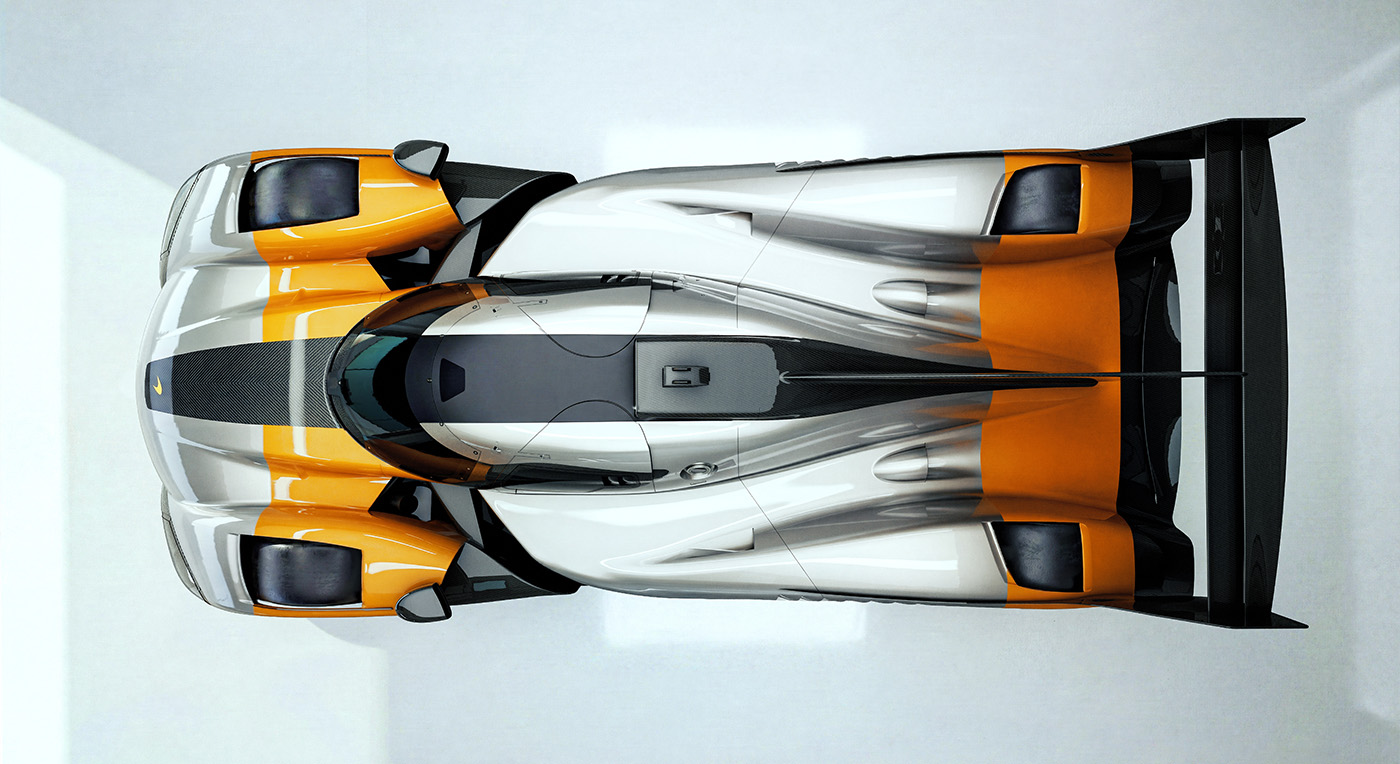
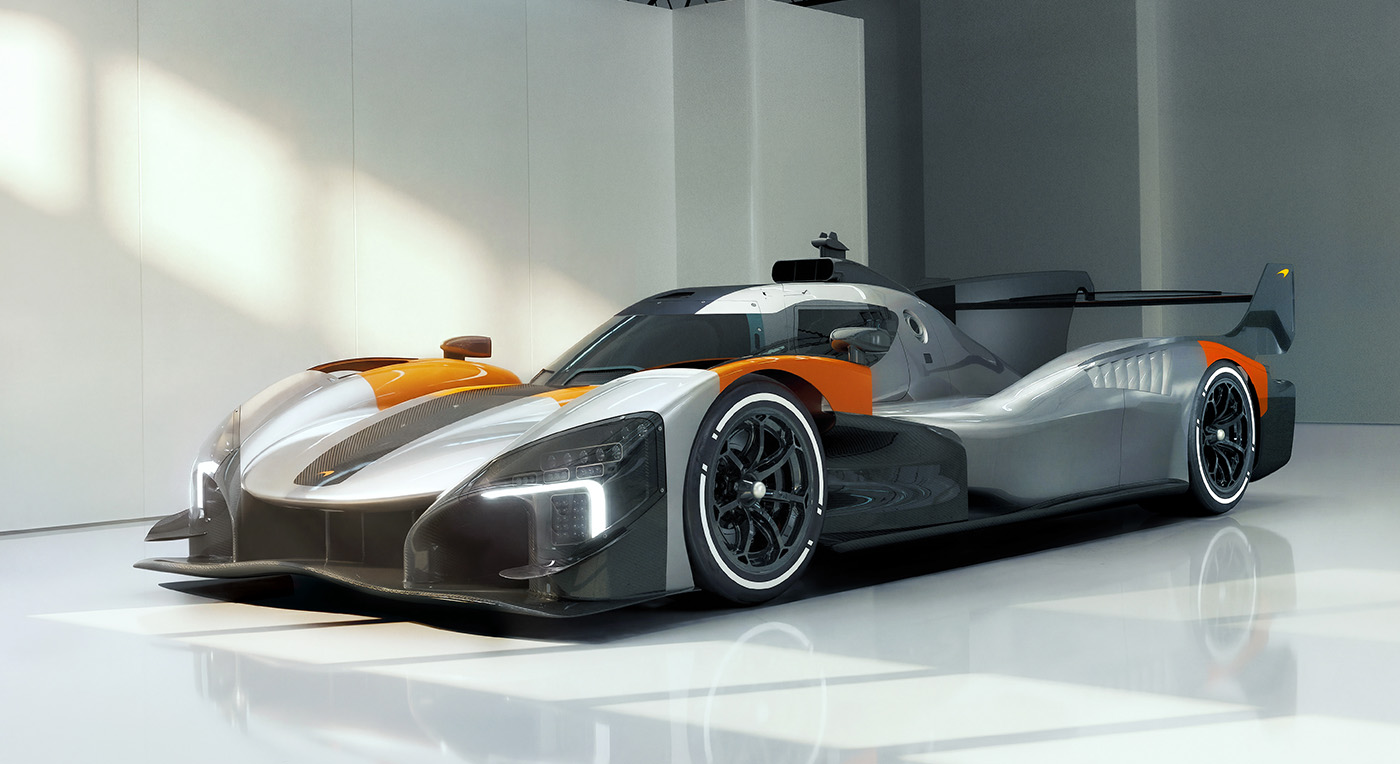
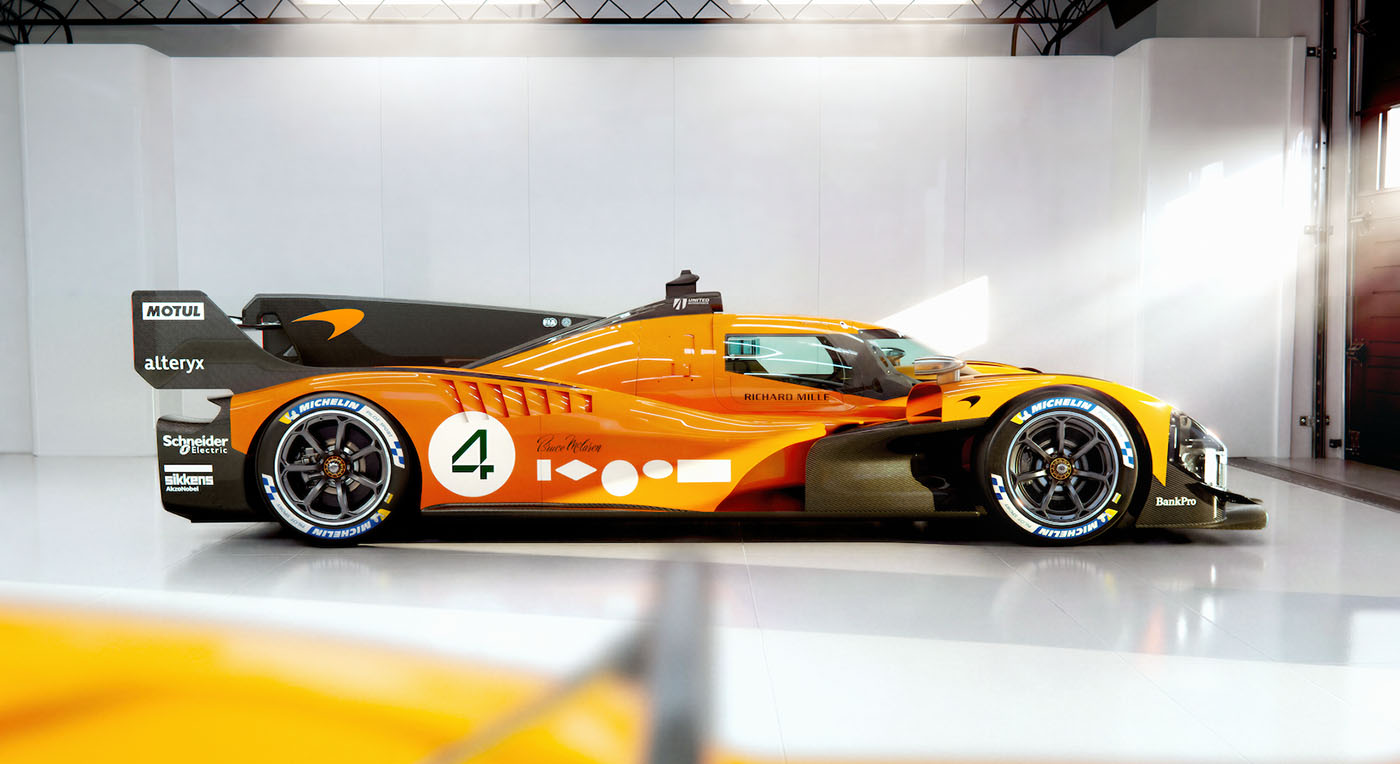
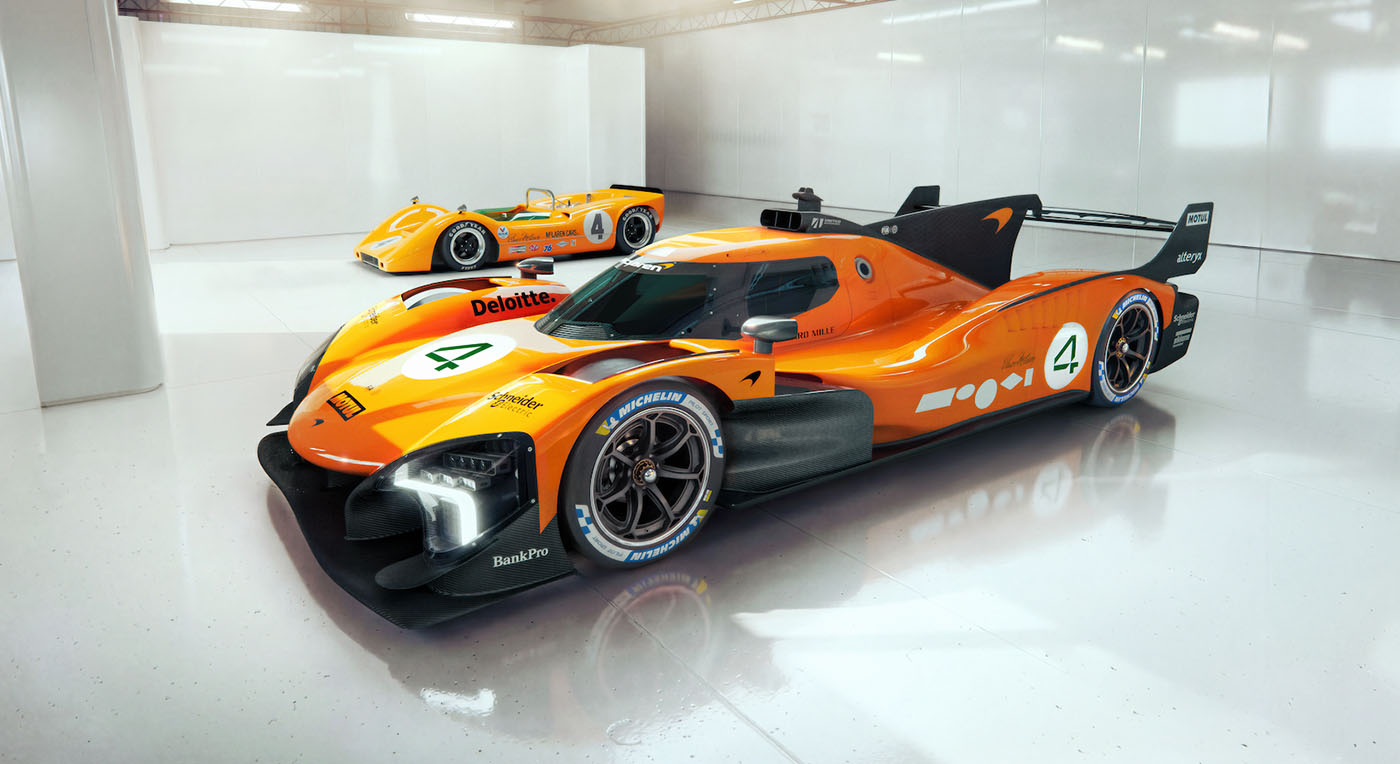
British marque McLaren Automotive has pulled the covers off its 2027 WEC Hypercar, confirming a return to top-tier endurance racing, while also revealing the MCL-HY GTR, a closely related track-only machine reserved for a small group of clients. The race car developed for the FIA World Endurance Championship (WEC) and the 24 Hours of Le Mans, marks a major step in McLaren’s long-awaited comeback to the top class of endurance racing.
Racing DNA, revisited
The new McLaren Hypercar 2027 will go through an extensive testing programme in 2026, ahead of its official homologation. It has already been shown in a test livery inspired by the classic McLaren M6A, a subtle nod to the brand’s early racing ambitions.
Motorsport history runs deep here. From dominance in Can-Am to the iconic 1995 Le Mans win with the McLaren F1 GTR, this isn’t a new direction, it’s more of a return to unfinished business.
Chasing the Triple Crown again
McLaren’s re-entry into Le Mans Hypercar racing is also part of a bigger goal. They hope to reclaim the Triple Crown of Motorsport, winning the Monaco Grand Prix, the Indianapolis 500, and Le Mans.
With McLaren already active in Formula 1 and IndyCar, the MCL-HY Hypercar effectively completes the final piece of that puzzle.
Testing and development phase
Track testing for the McLaren WEC Hypercar is set to begin in mid-2026. The development programme will run in parallel with the track-focused version, ensuring both cars evolve together ahead of the 2027 debut.
Drivers involved include Mikkel Jensen, along with development talents like Grégoire Saucy and Richard Verschoor, while Ben Hanley will also contribute to the testing programme.
MCL-HY Hypercar – technical overview
Built to LMDh regulations, the McLaren MCL-HY uses a lightweight carbon-fibre monocoque chassis designed for balance and efficiency over long-distance racing.
At its core sits a twin-turbocharged V6 engine, paired with a hybrid MGU system, producing up to 707 PS (520 kW) sent to the rear wheels.
With a minimum weight of 1,030 kg, the car is engineered to deliver a strong power-to-weight ratio, crucial for endurance racing where efficiency matters just as much as outright speed.
MCL-HY GTR – track-only experience
Alongside the race car, McLaren has also revealed the MCL-HY GTR, a track-only hypercar developed without the constraints of racing regulations.
Unlike the WEC version, the MCL-HY GTR drops the hybrid system and relies purely on its 2.9-litre twin-turbo V6, producing around 730 PS. The result is a lighter, more direct driving experience, closer to what drivers might expect from a pure race car.
Ownership goes beyond the car
Owning the McLaren MCL-HY GTR isn’t just about the machine itself. Through the Project: Endurance programme, clients get behind-the-scenes access to McLaren’s WEC journey, from testing phases all the way to the 2027 Le Mans race.
There’s also a dedicated two-year track programme, covering six international circuits. Each owner gets full support professional coaching, pit crew assistance, and race engineering on a complete arrive-and-drive basis.
Final take
The McLaren 2027 Hypercar programme feels less like a one-off project and more like a serious long-term commitment to endurance racing.
Between the MCL-HY WEC Hypercar and the MCL-HY GTR track car, McLaren is covering both sides of the story, competition and customer experience.
Now the big question remains…can McLaren turn this return into another Le Mans victory?





Loading comments...